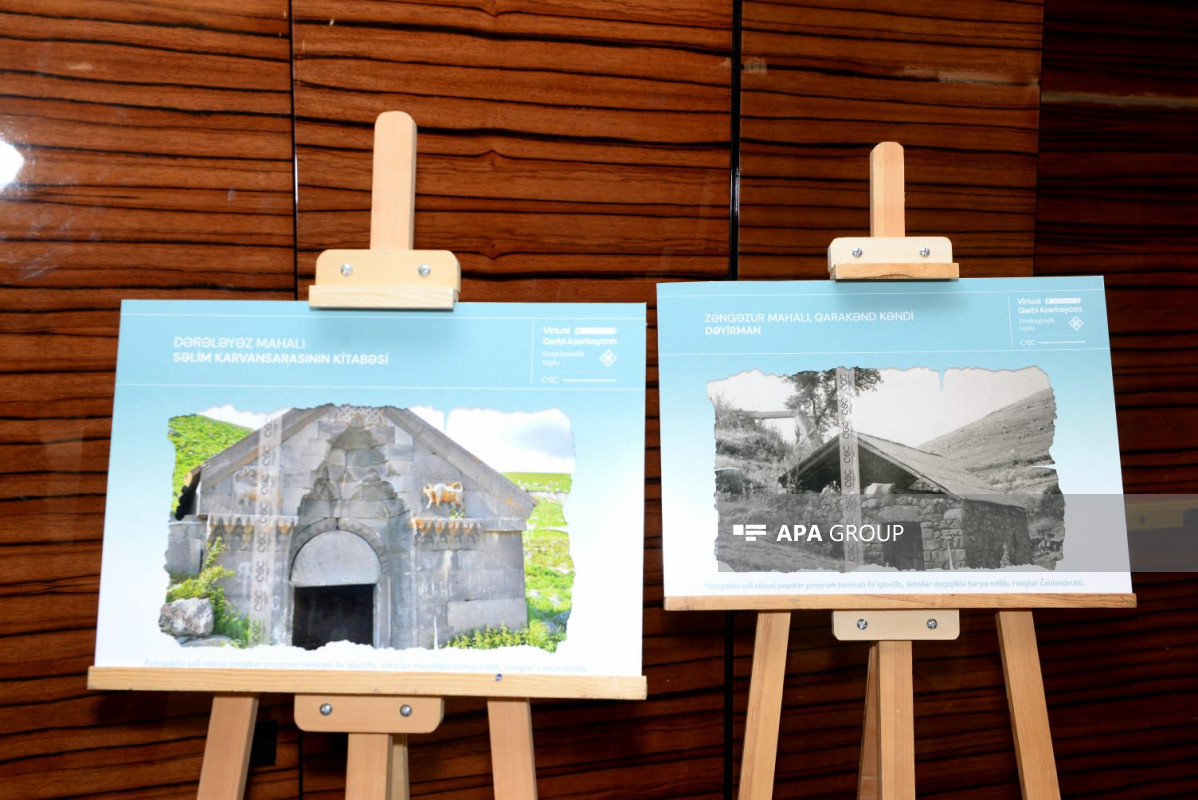
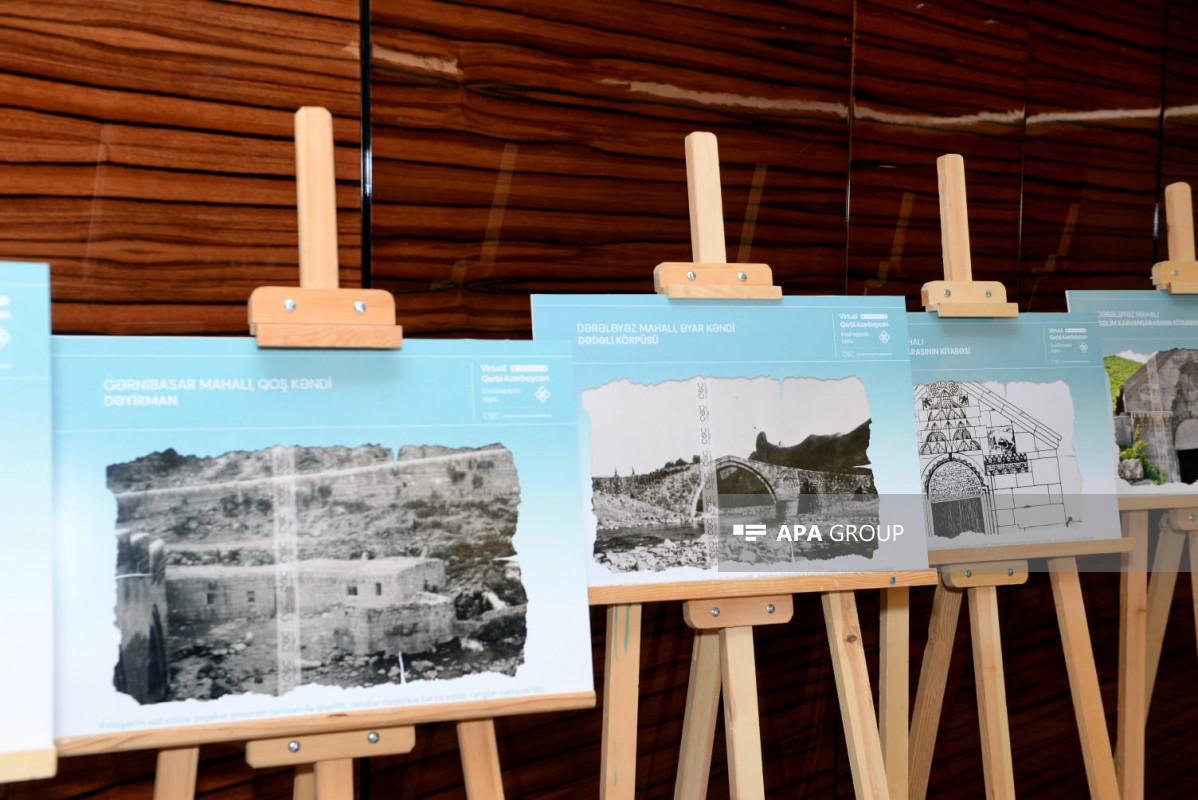
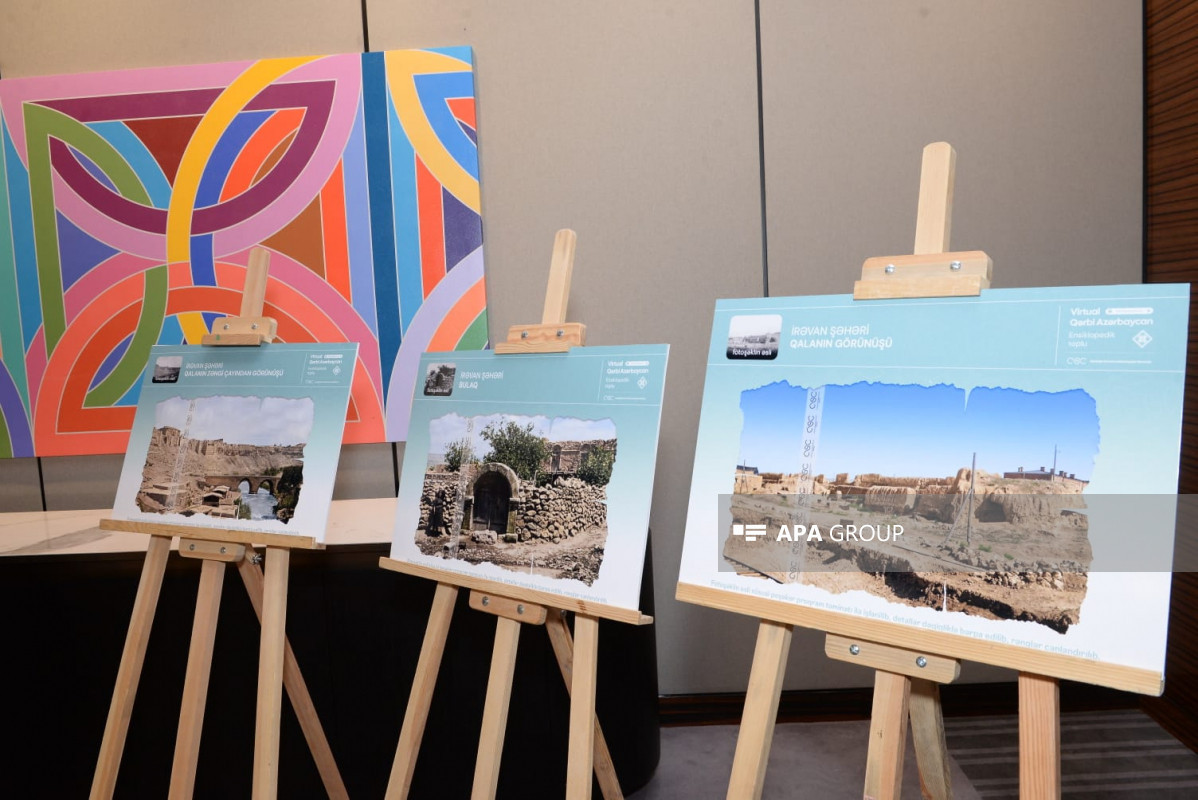
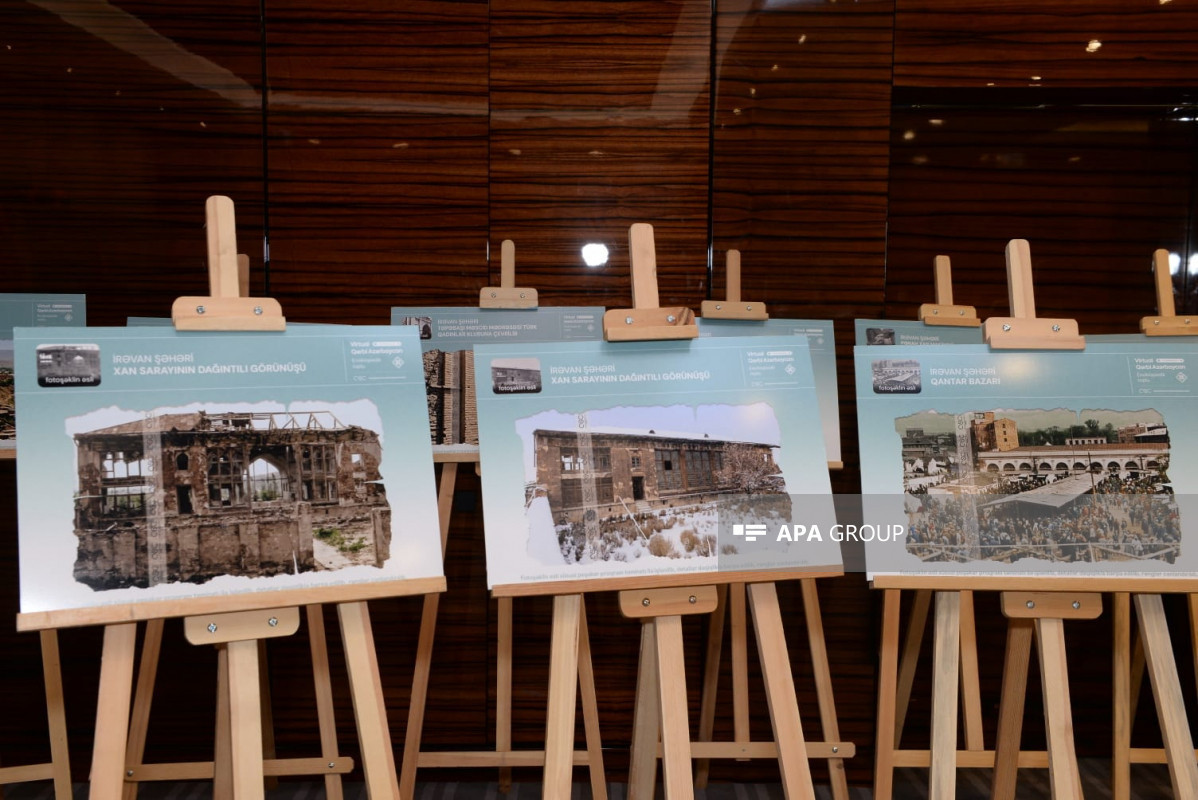
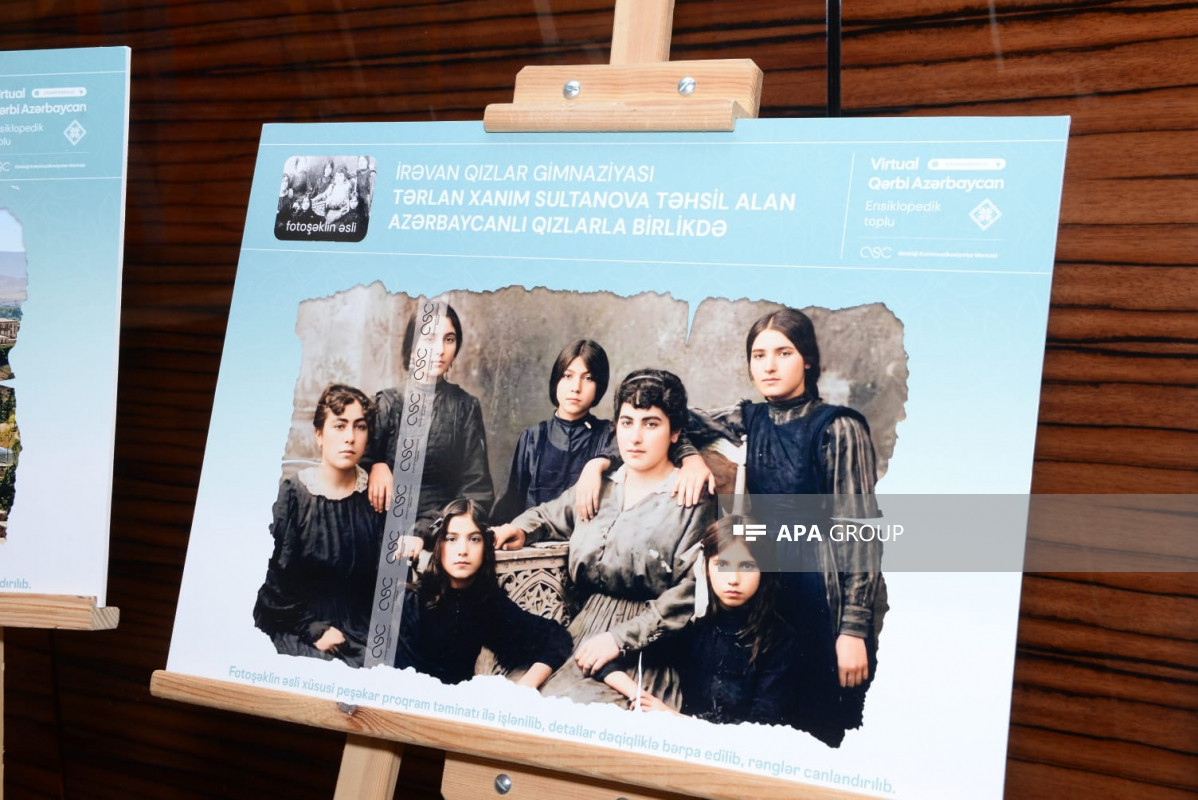
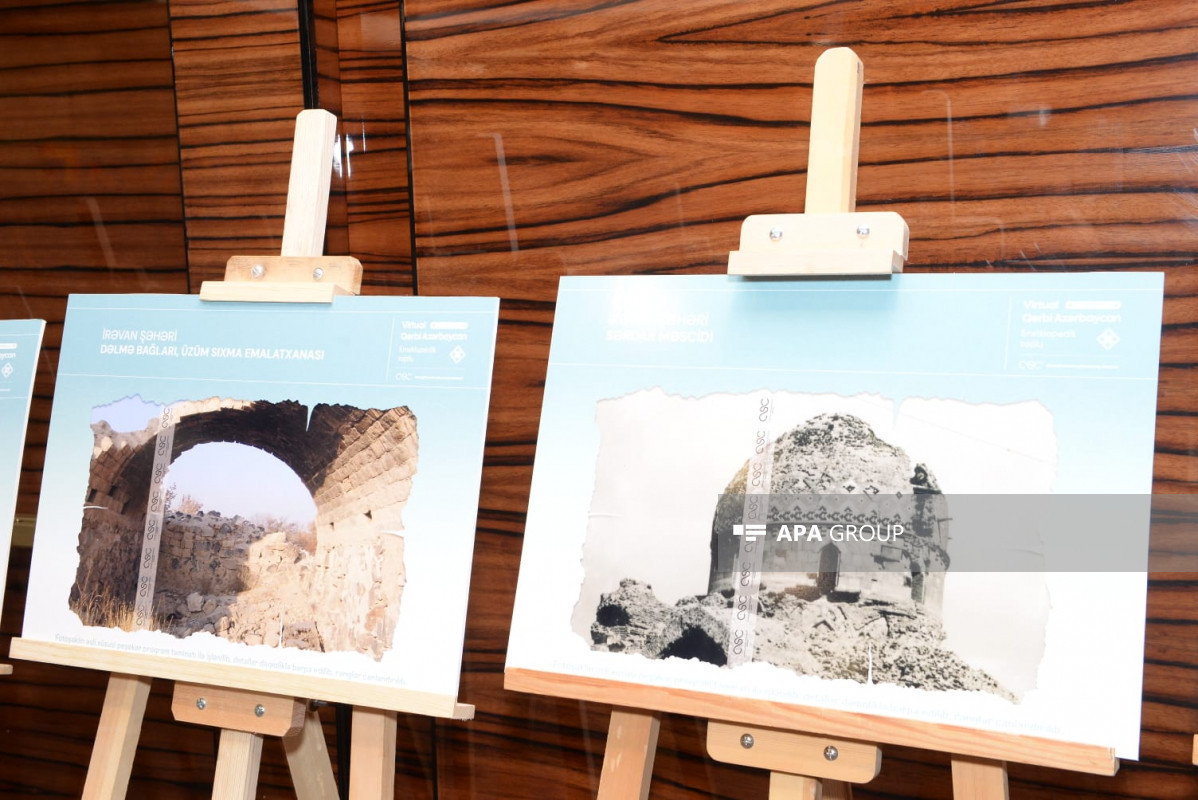
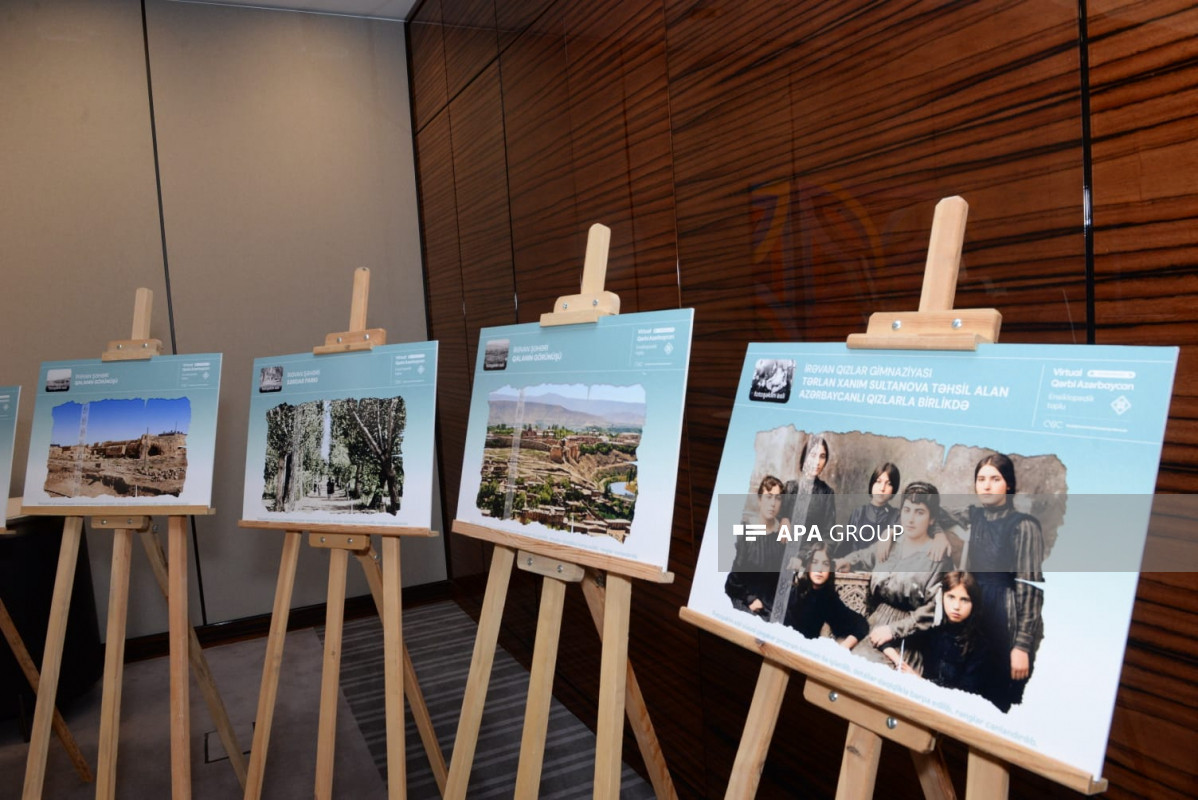
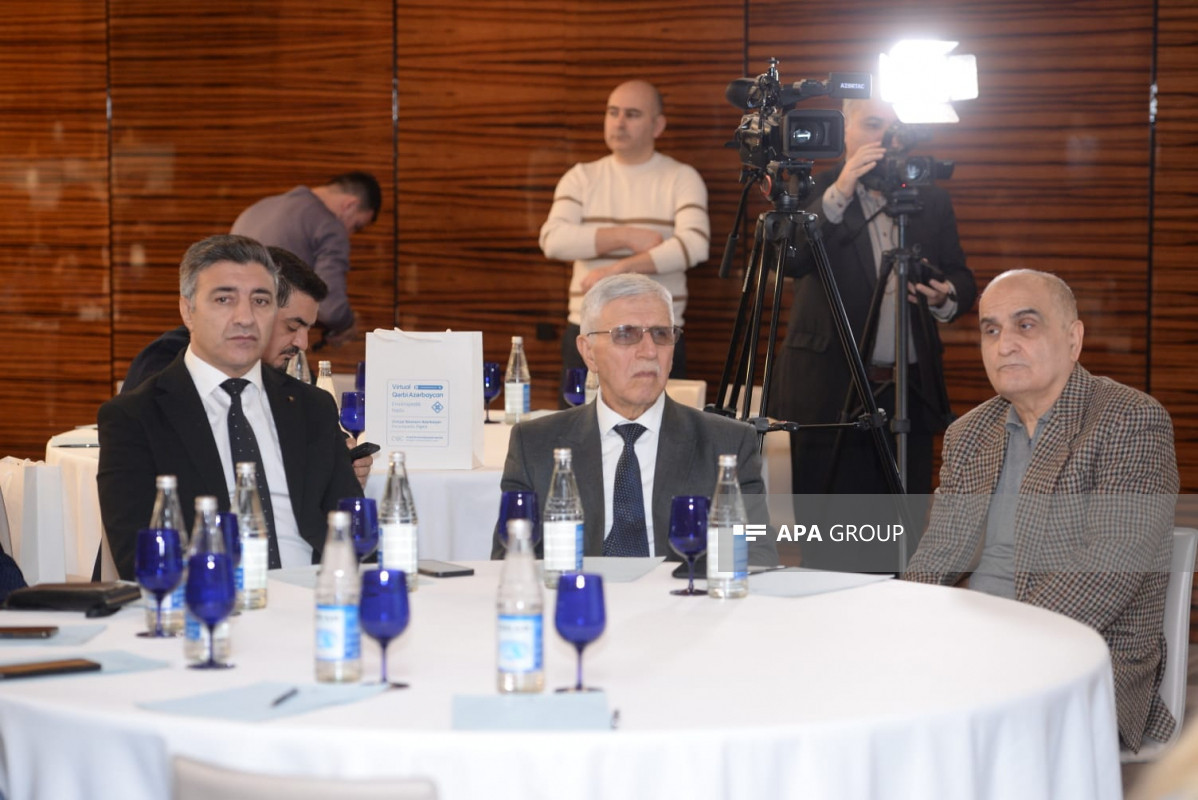
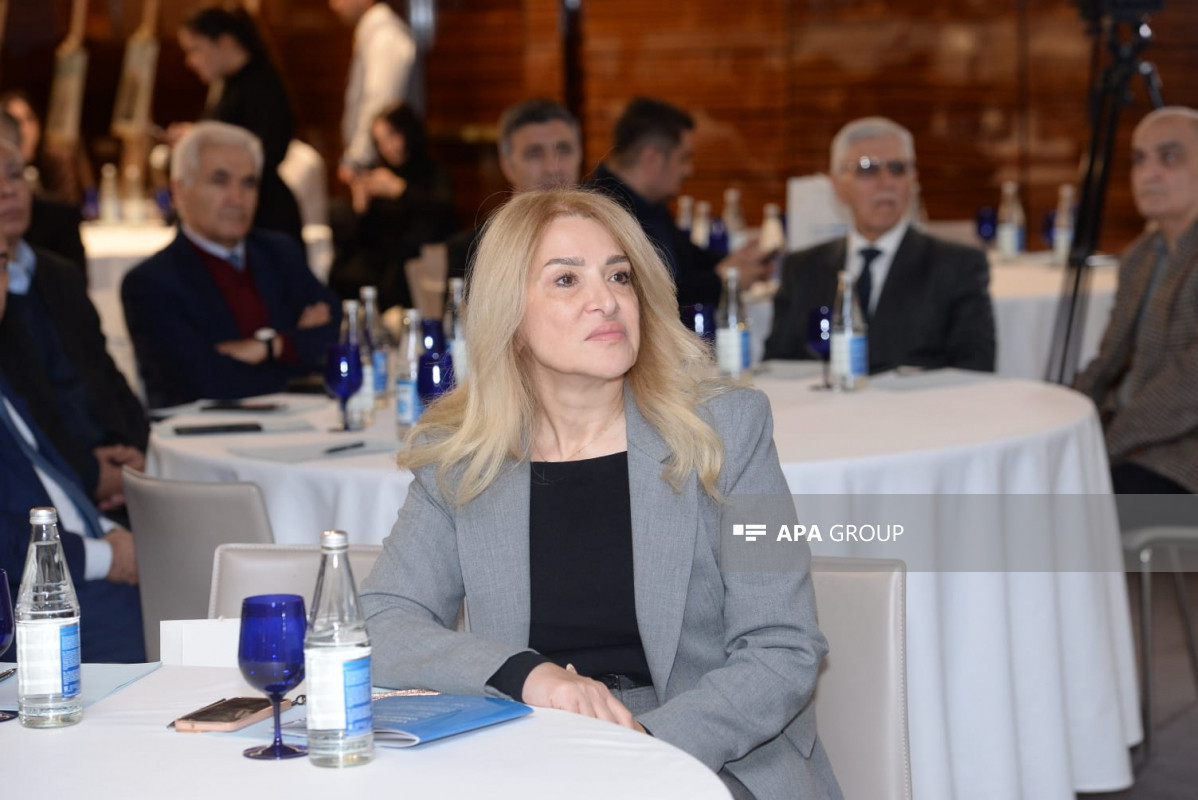
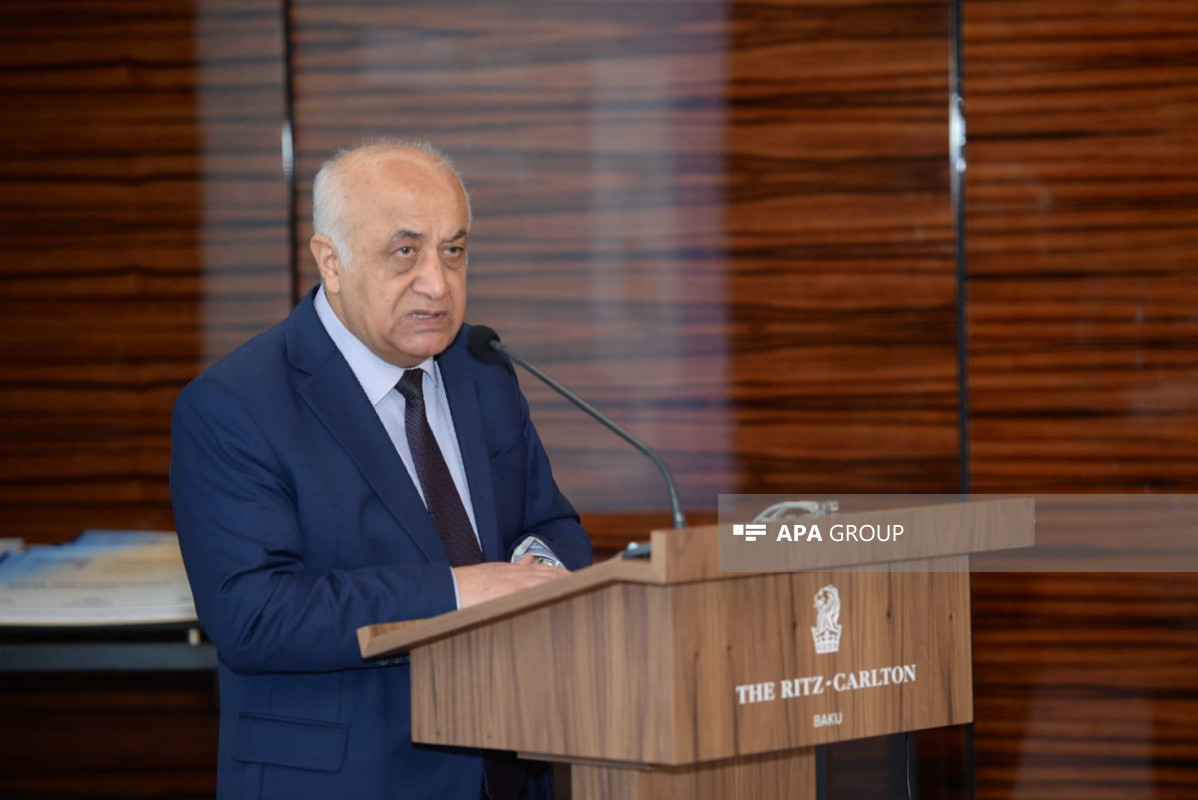
A presentation ceremony of the "Virtual Western Azerbaijan" encyclopedic collection was held in Baku, APA reports.
The collection prepared by the Strategic Communications Center was developed mainly on the basis of primary sources.
The internet resource created within the framework of this project consists of 8 main sections, 34 titles, and 55 sub-titles. The resource comprehensively reflects the natural and geographical conditions, historical geography, archeology, ethnography, political, socio-economic, military and cultural history of Western Azerbaijan from the most ancient times to the present day.
The project enables easy and convenient access to all information related to a specific area based on the principle of a single location (city, district, or village).
Chairman of the Strategic Communications Center and Chief Adviser of the project, Anar Gadirli, noted that the main goal is to present historical truths related to Western Azerbaijan not merely through emotional appeals, but on the basis of academic objectivity and scientific accuracy: “The Virtual Western Azerbaijan Encyclopedia is aimed at implementing the strategic call issued by the President in a practical and scientific framework.”
Head of the “History of Western Azerbaijan” department at the Institute of History and Ethnology of the Azerbaijan National Academy of Sciences (ANAS), Jabi Bahramov, stated in his speech that the Russian occupation and the process of Armenian resettlement, as well as territorial changes, are reflected in these maps. According to him, one of the key features of these maps is that they clearly indicate in which years, when, and on the basis of which documents the resettlement of Armenians took place.
The research covers settlements belonging to the Azerbaijani people in Western Azerbaijan (the part corresponding to the present-day territory of the Republic of Armenia), as well as the current state of religious and historical monuments related to national and cultural heritage. It scientifically presents the policy of mass resettlement of the Armenian population to these territories during the periods of Tsarist Russia and the USSR, the history of ethnic cleansing, genocide, and deportation suffered by the local Azerbaijani population, the deliberate renaming of toponyms, and an analysis of maps reflecting the historical geography of the region.







 Follow us on Telegram
 t.me/apanewsaz
 Follow us on Instagram
 Follow us on TikTok
 Follow us on Facebook
 Follow us on X