



Ganja. 06:15. It's drizzling. I spent the night half anxious, half happy.
As I approached Toghana's post at 07:15, a strange sadness reigned inside me. I don't know if it is due to the purpose of our visit, or for another reason, I still can't completely feel that "I'm going to Kalbajar". This incompleteness was replaced by a feeling of confidence once the post was seen. This was probably due to the Azerbaijani soldier staying in the distance and his proud stance. This was a feeling of comfort endow with the Azerbaijani soldier who wrote history, who ended this longing and expectation for only 44 days ...
During the visit, the residents of Aghdaban village were expected to be on the same bus with us. The bus is slowly filling up with villagers and reporters. Garanfil, a resident of the village, thanked the organizers of the visit.
"I missed every mountain, every stone, even every piece of rubbish so much ..." she said and kept quiet.
The bus is leaving.
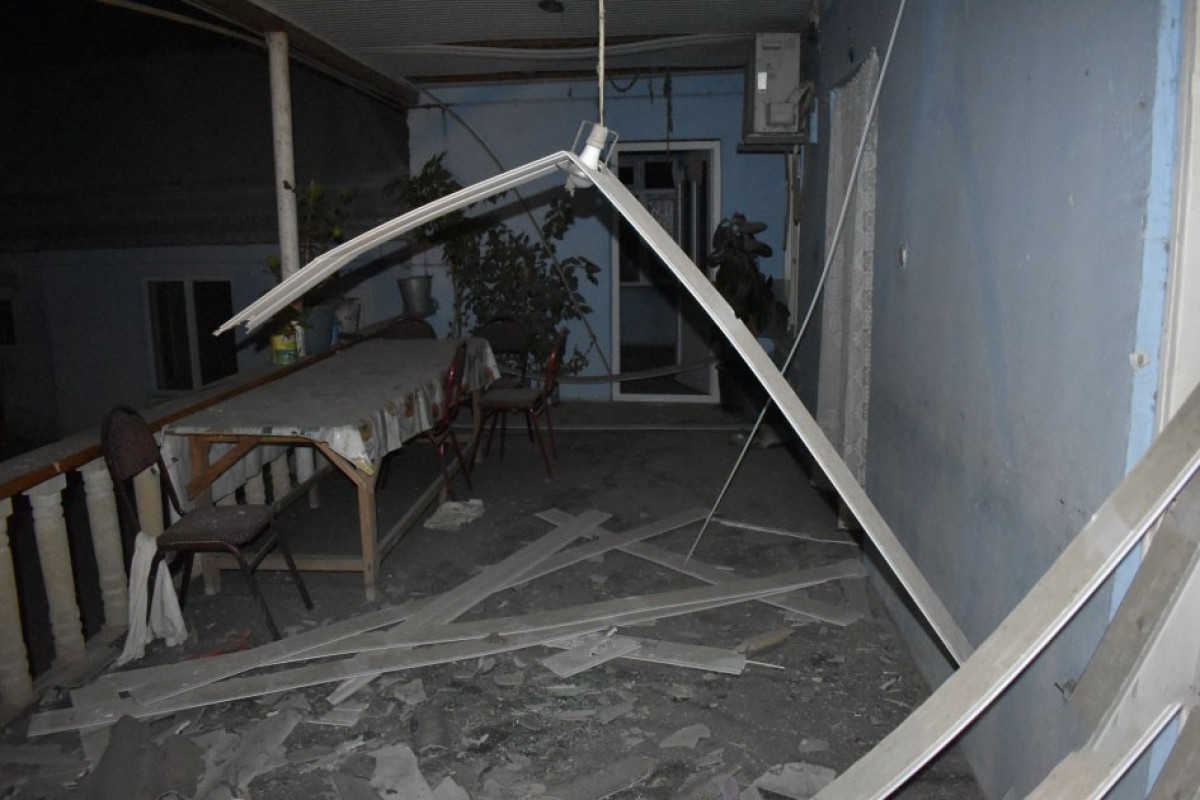
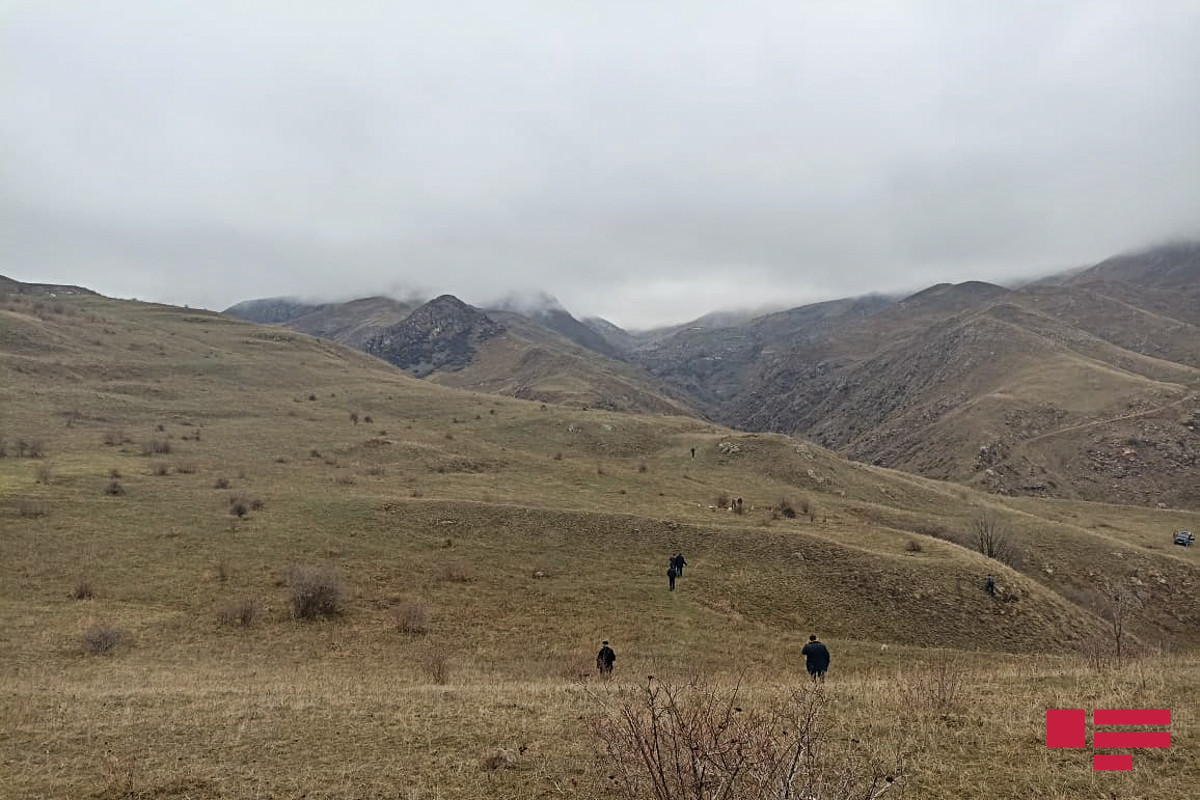
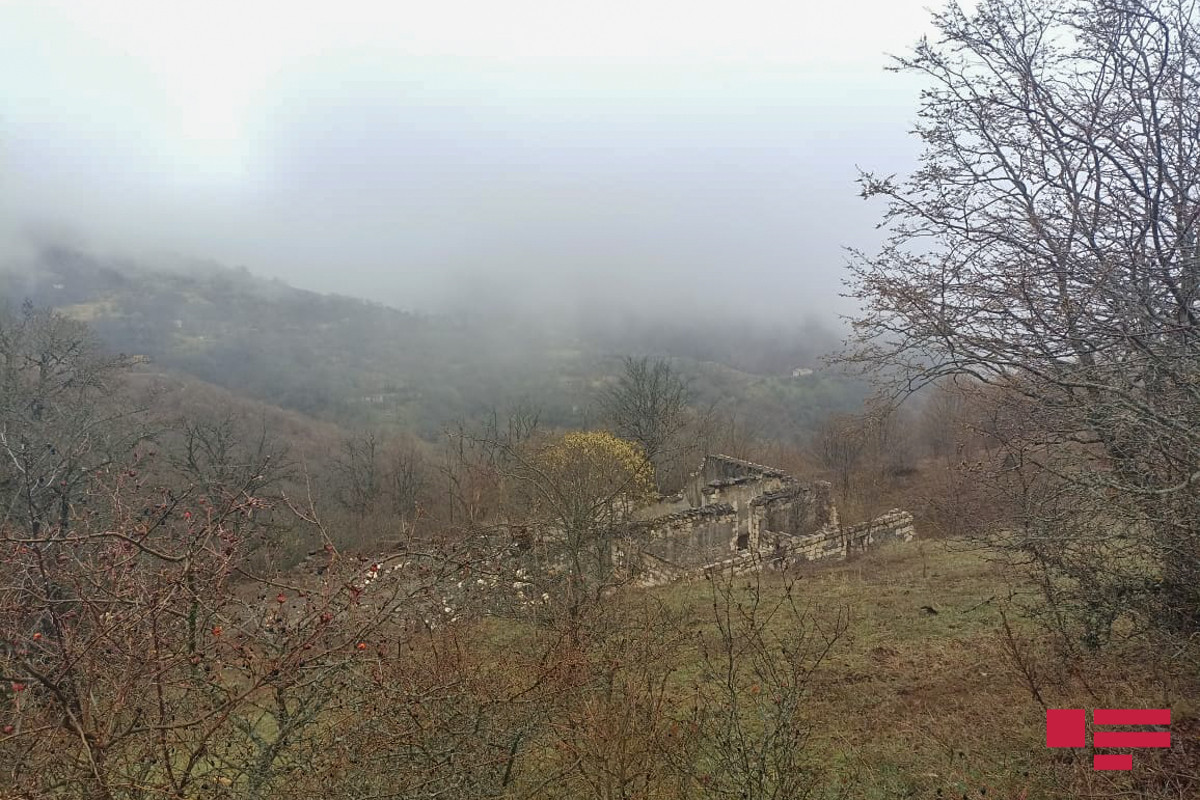
Destroyed and burned houses, restaurants, and cars along the way were smiling at us as if they have been waiting for us for years. This scene, which I have seen for the first time, deeply shocks me. In the distance, in the depths of the forest, far from the road, I saw a burnt car.
We are talking to the villagers on the bus. They share their memories and talk about life in the village. While talking, the bus suddenly shakes and stops. One of the villagers stands up and looks out of the window:
"Yes, get ready!" He says.
While we journalists looked at each other and he said:
- That is Omar bay. You will not have heard…
I did not answer, I and other journalist friends stood up and looked at the mountains, which top splits clouds like swords.
Omar bay. The Omar bay, which we heard from the first days of the war and made us cold to the bone, and which name is as great and glorious as its majesty.
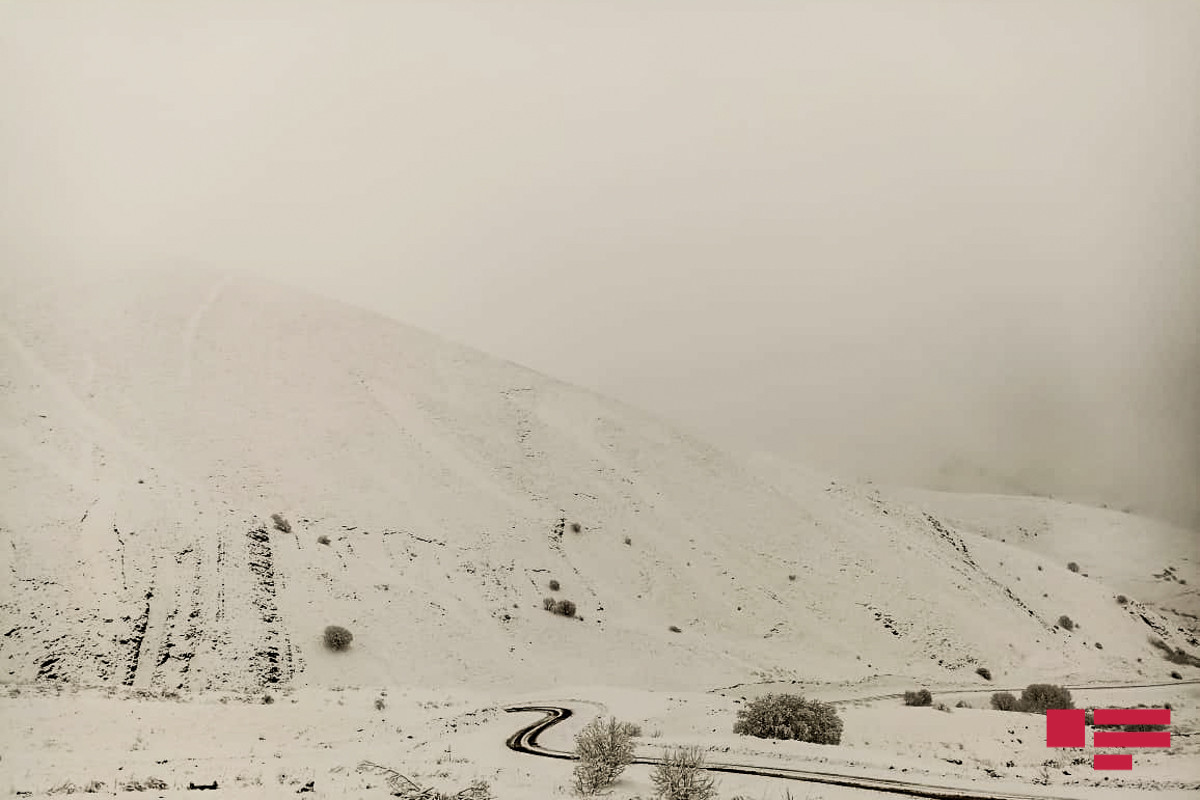
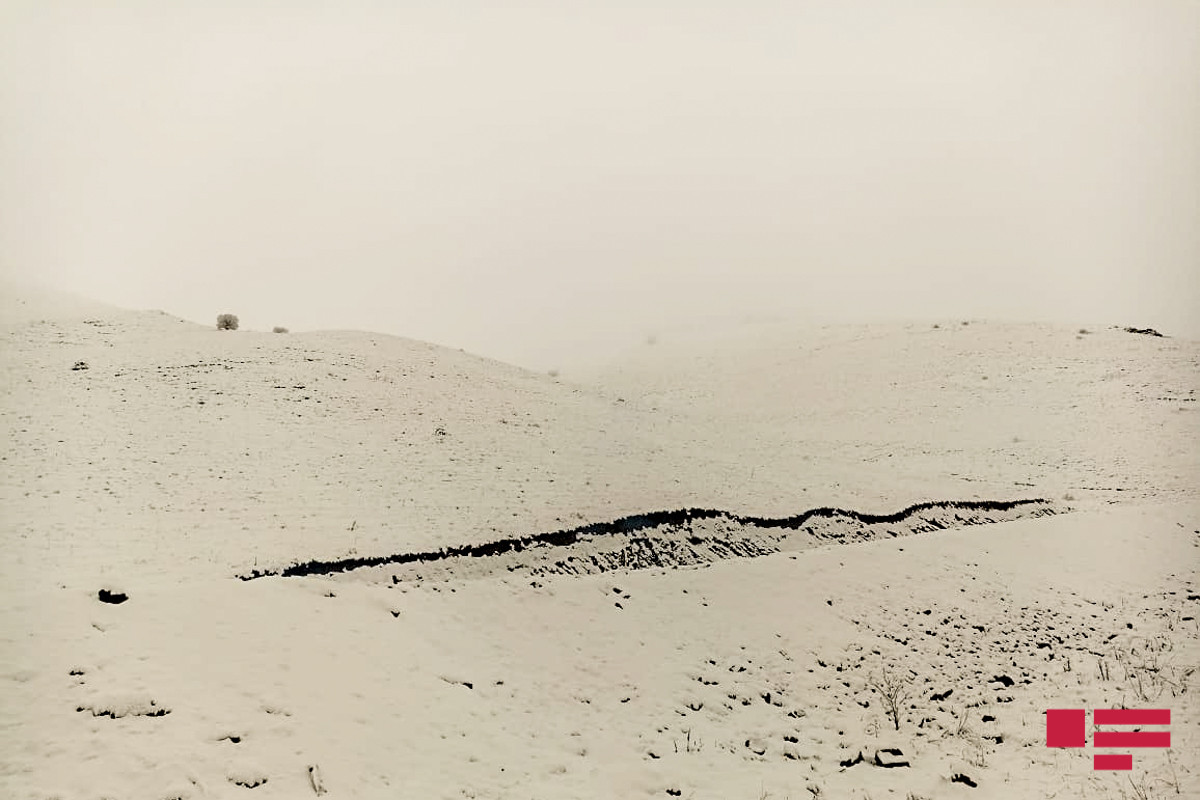
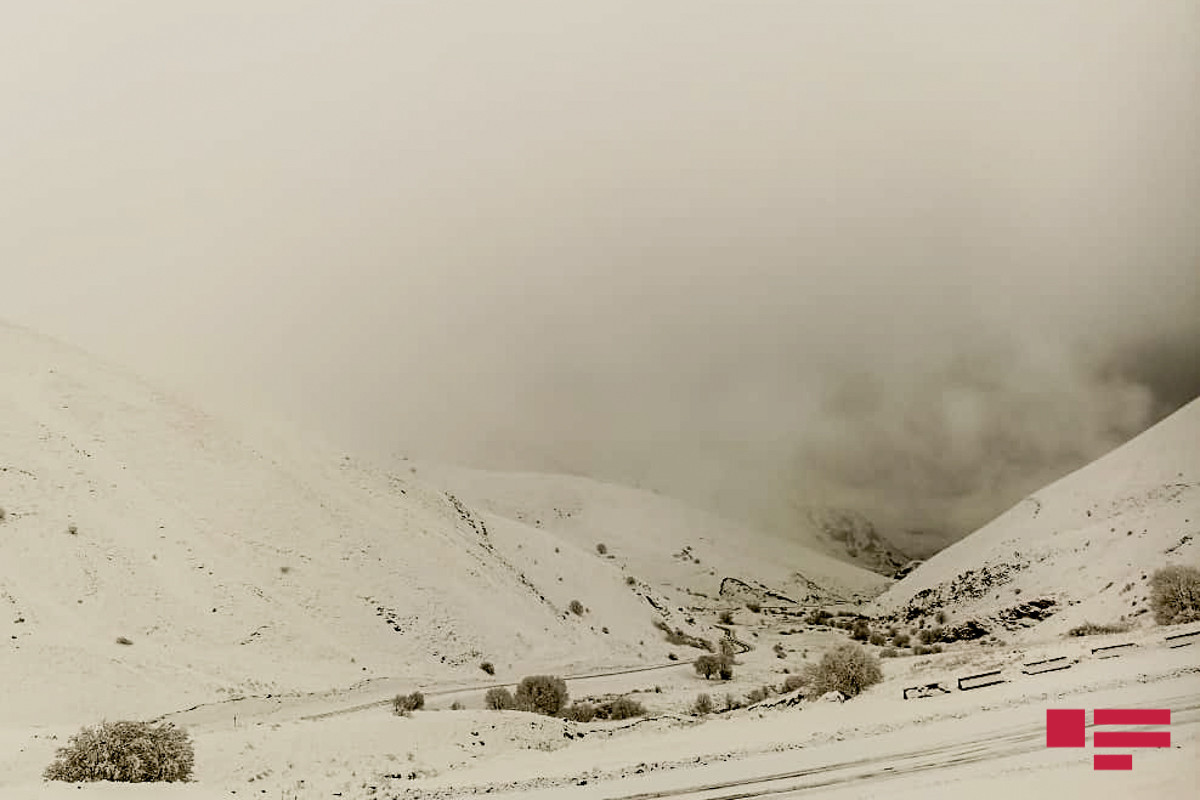
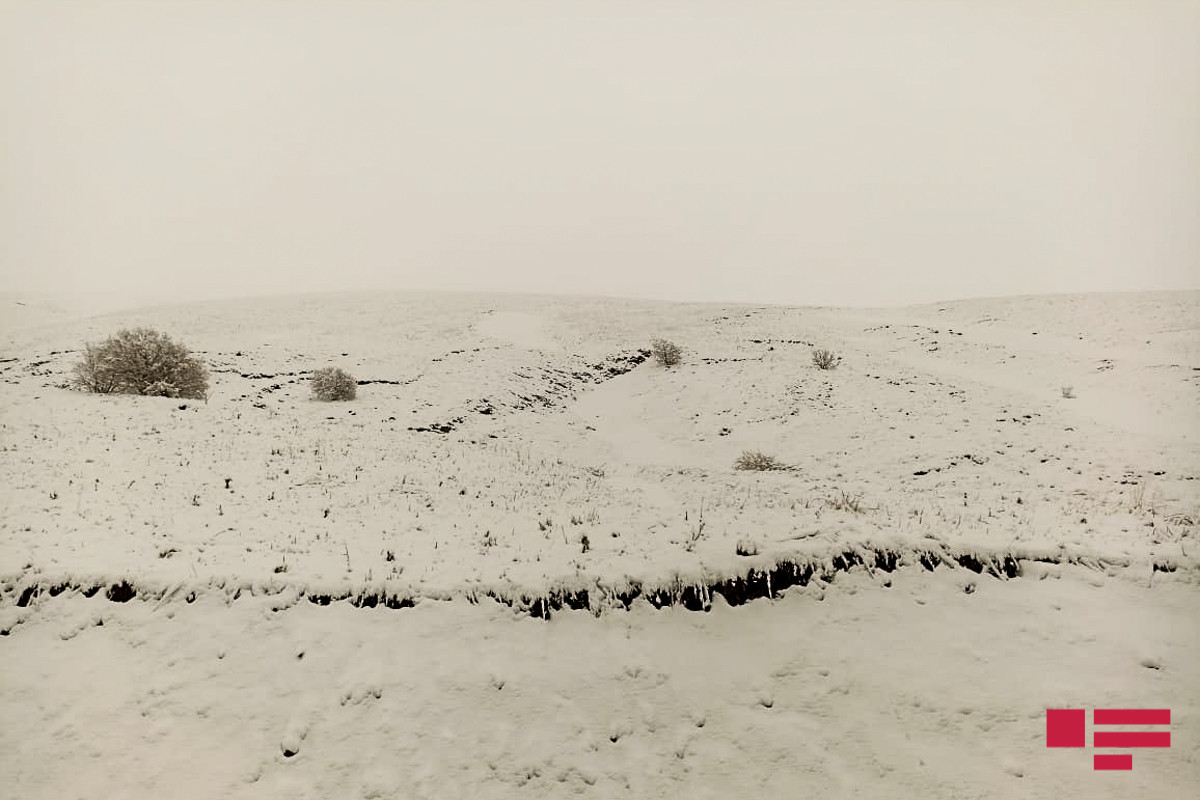
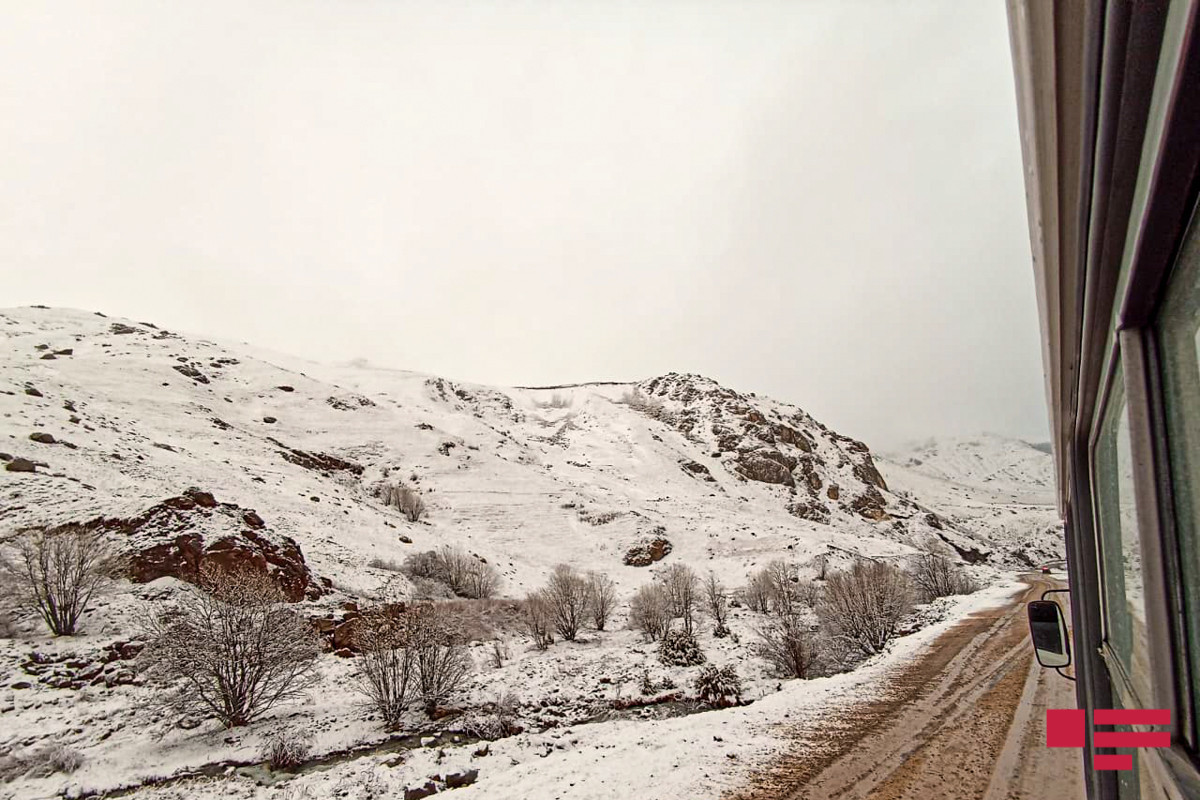
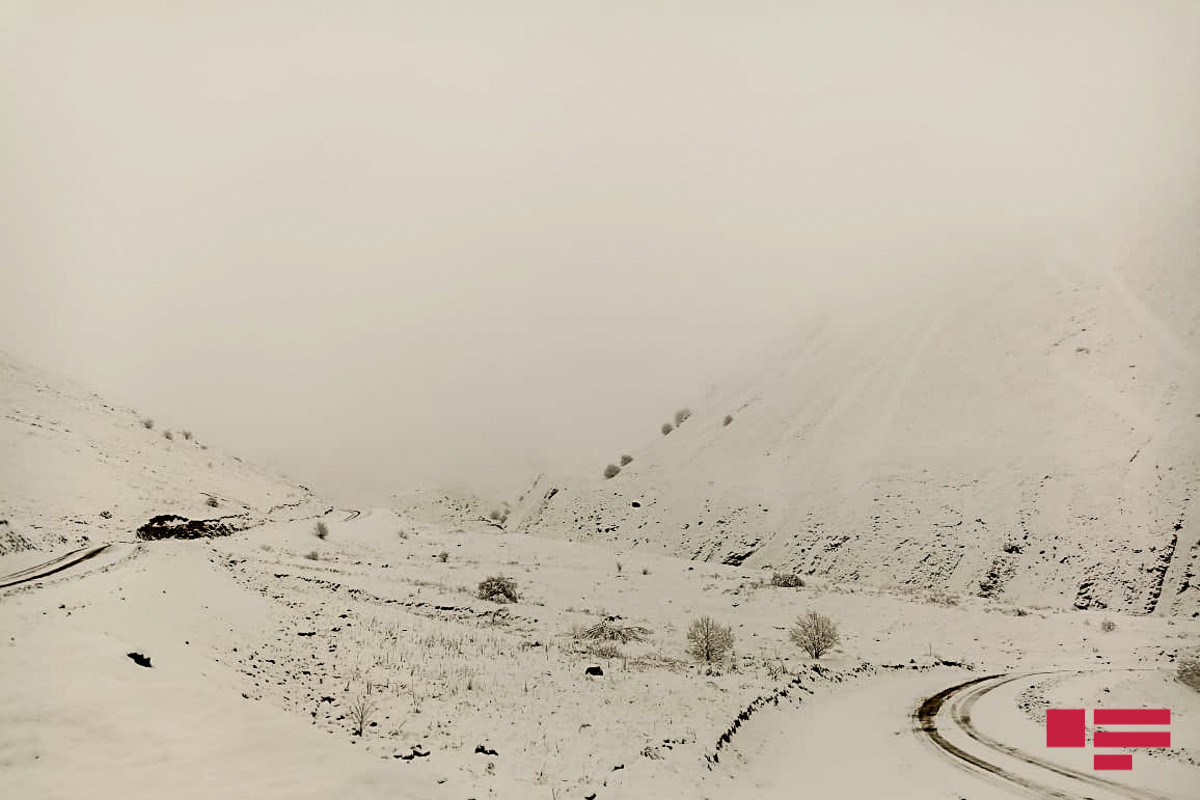
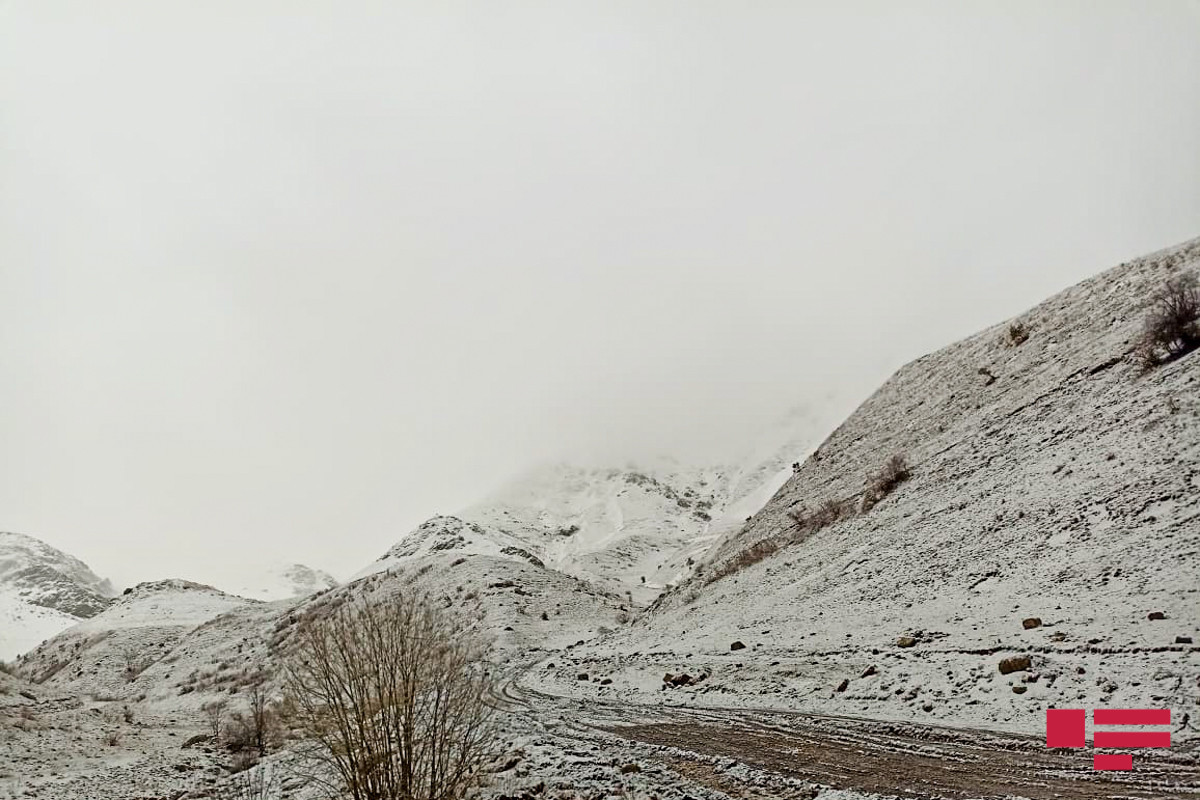
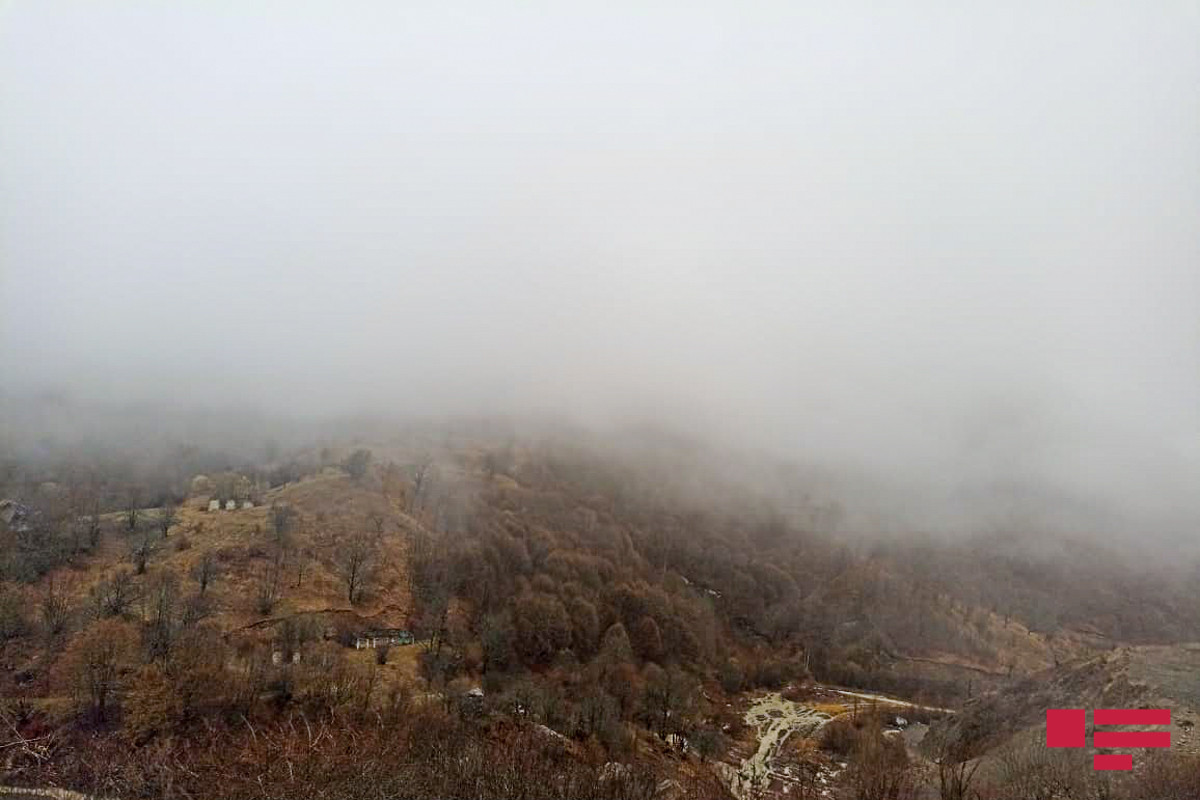
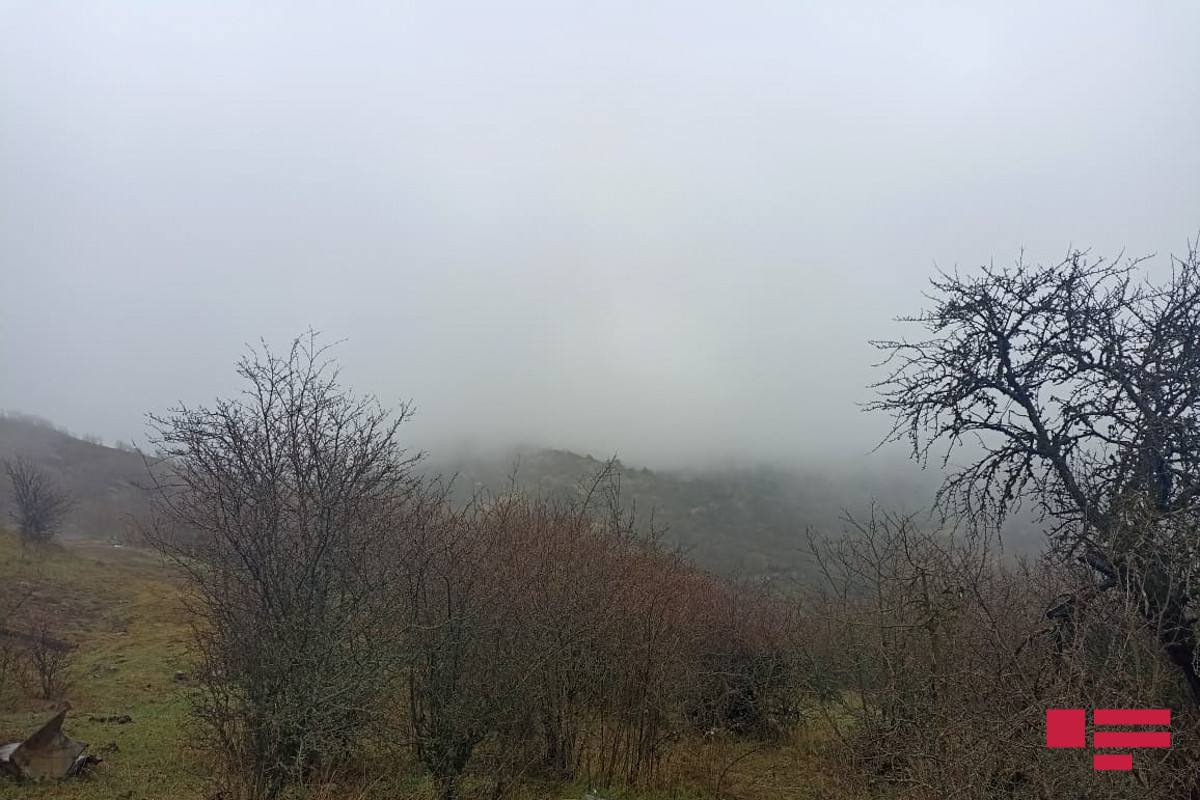
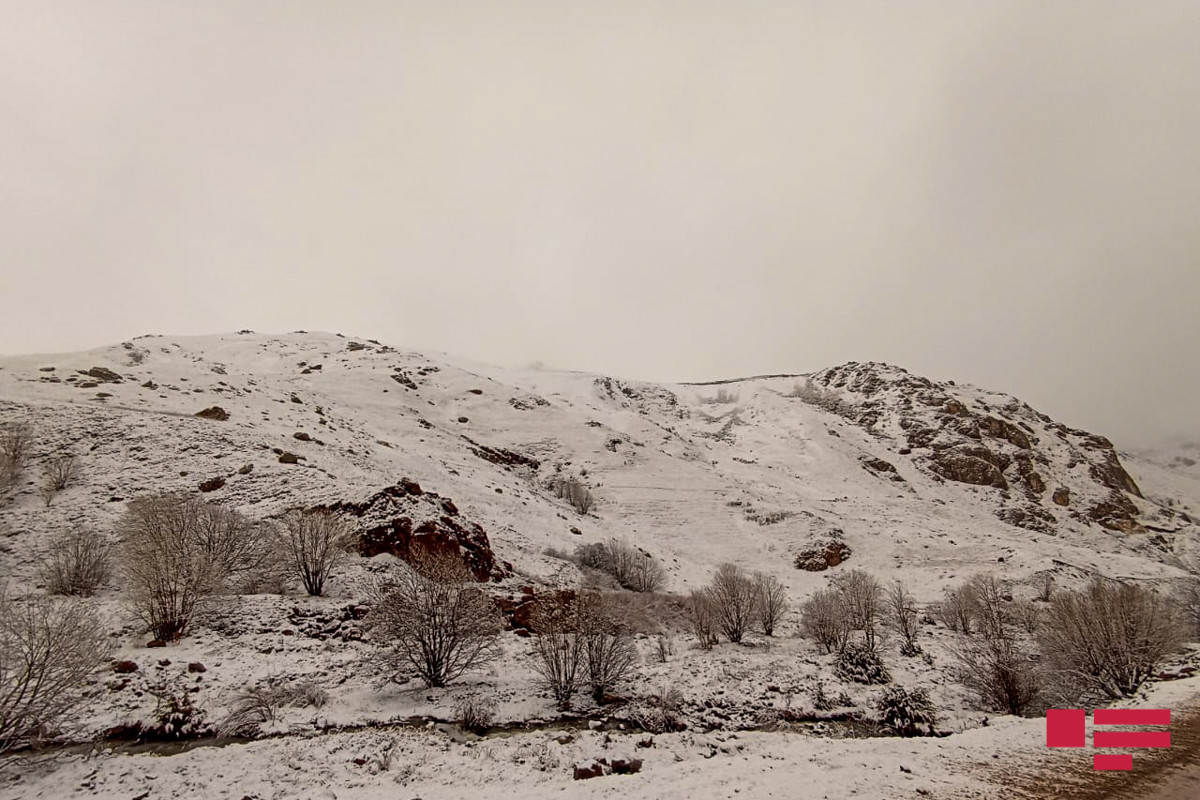
As get around Murov, the snowfall increases in intensity. Almost nothing is visible because of the thick fog.
There were three dangerous curves in Omar bay We passed all three with the same excitement and comfort - our driver was a professional.
Despite the blizzard, bsnoü, and fog, we can see a board reading "Omar bay - 3260". As we pass the board, the bay slowly leaves behind. "Thanksgivings" are heard on the bus.
We are "breathing" again in the so-called "roadhouse". Aghdaban residents owe it to themselves to instruct the driver: do not brake at all. It is not long before this danger has passedş As we descend Murov, the snow slackens off and the majestic beauty of Kalbajar unfolds before our eyes.
Construction work is underway on the road along the Meydan River - Kalbajar is revivingş According to the villagers, this is the village of Zallar.
We passed by the Khudavang monastery. Heavy fog prevents us from seeing the monastery from the bus.
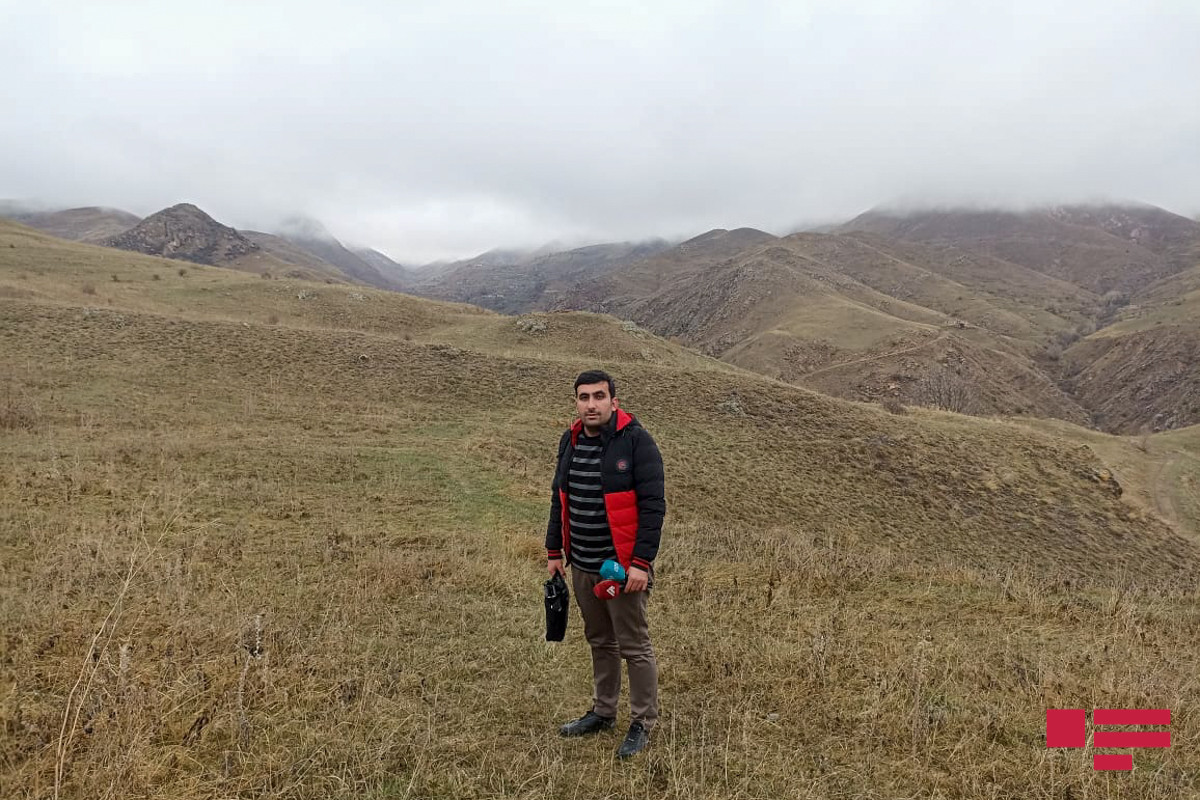
I am interested in name of Aghdaban village. Each of village residents had their own theory: Some of them likened Aghdaban to white fog, some to Albanian, others to a white pass. Although we could not reach a joint agreement, we were able to arrive at the village. Look, we are at the entrance of Aghdaban village. We stand by the post of the Azerbaijani Army. According to village residents on the bus, there was “Tea House” here earlier. We walk around the post a little. We feel the weather of Kalbajar with our whole body, whole soul for the first time.
Village residents reminding each inch of the village show destroyed huts, speak their memories: Mustafa’s house, Algama’s house, Seyran’s store…
We stand by Aghdaban school a little later. Resting part of the schools is just destroyed walls, that are all.
We have spoken along the road that graves of Ashiq Shamshir and his son and daughter are in Aghdaban village cemetery, because, the grandchild of Ashiq Shamshir has also been our fellow traveler. However, despite my attempts, I could not get a word. The grandchild was busy with just keeping calm and enjoying returning to eternal lands.
No one has specific information about whether the grave is safe or not, but all have hope…
According to Garanfil mother, the daughter of Ashiq Shamshir Chimnaz Khanum was killed a little ago in the Aghdaban tragedy. Armenians blocked a bus coming from Terter carrying several people from neighboring villages and the daughter of Ashiq Shamshir Chimnaz killed all of them by fire.
Village residents assess Aghdam as the second Khojaly: “They crashed people with tanks. Our houses were looted, Armenians insulted, destroyed our shrines, graves in Aghdaban.”
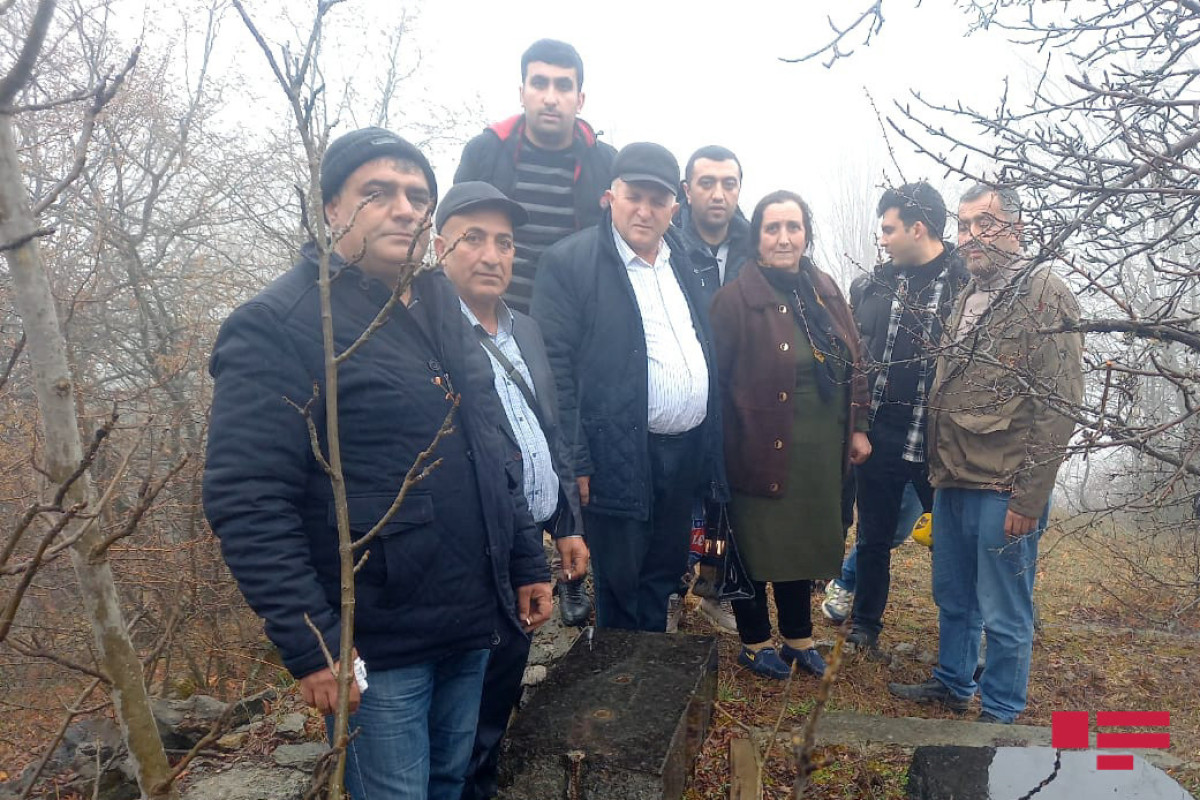
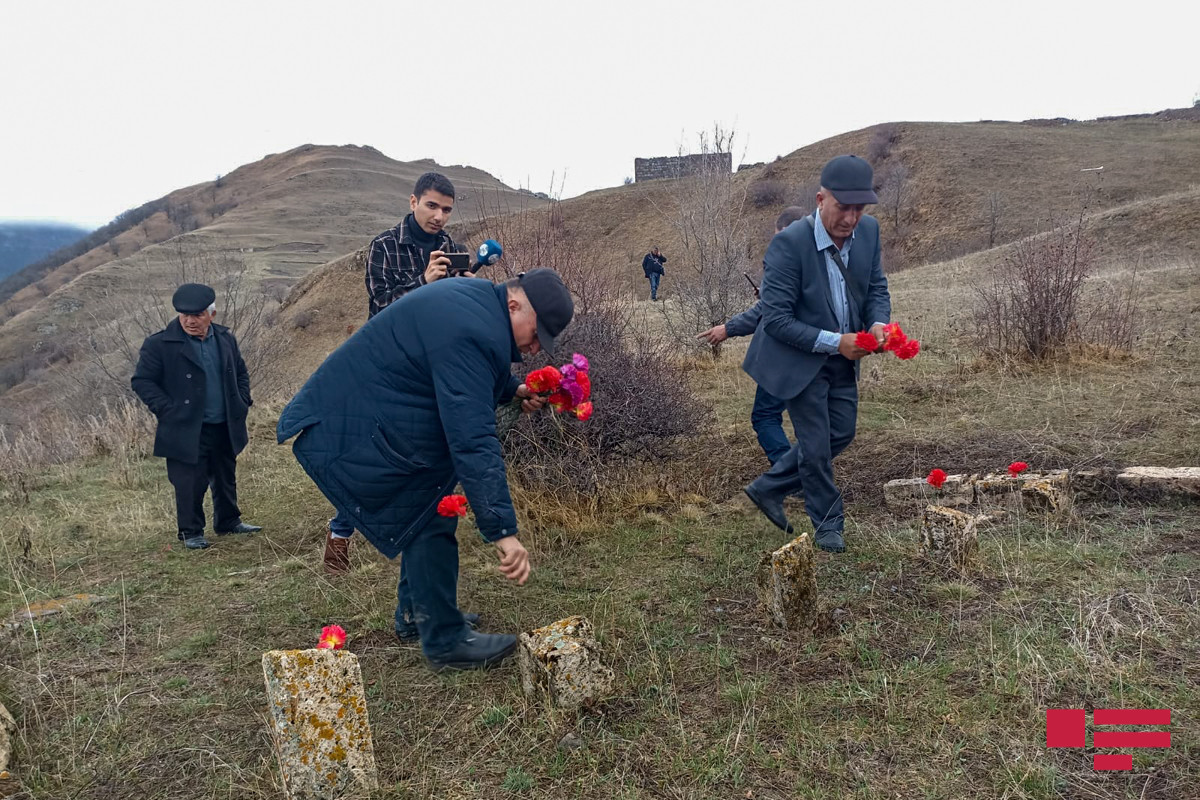
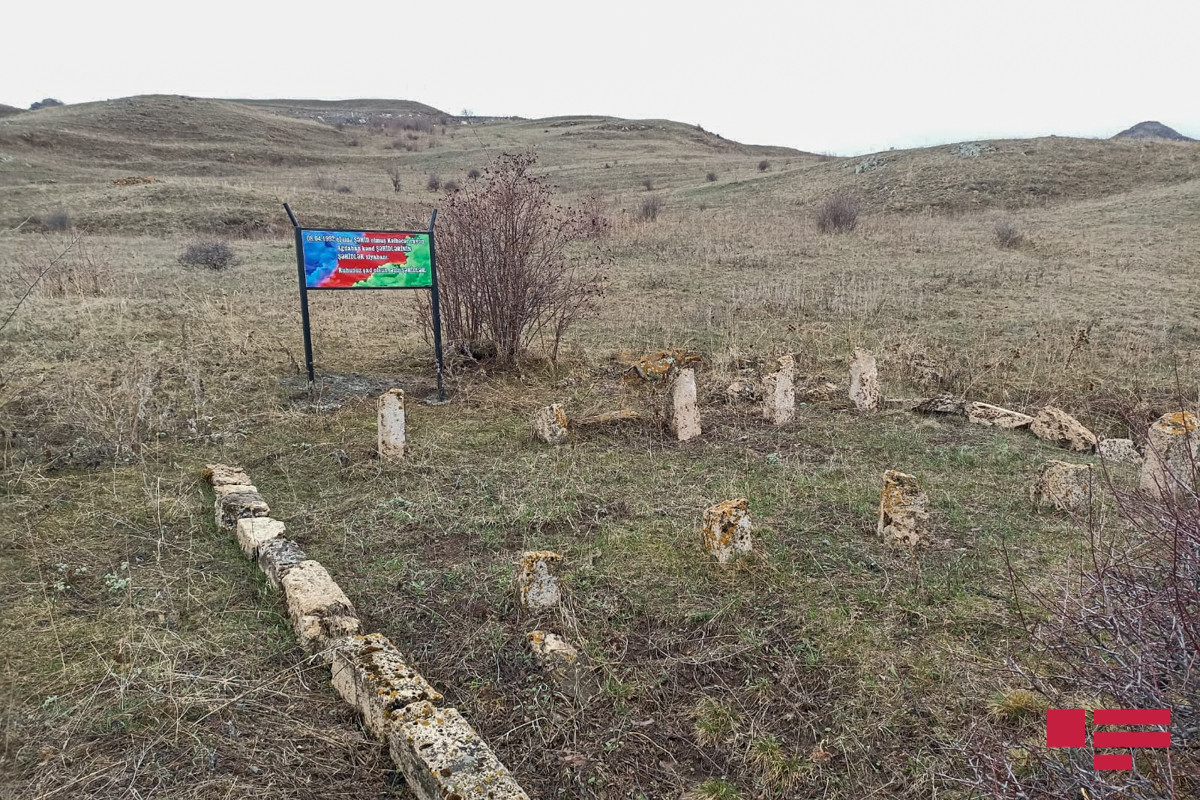
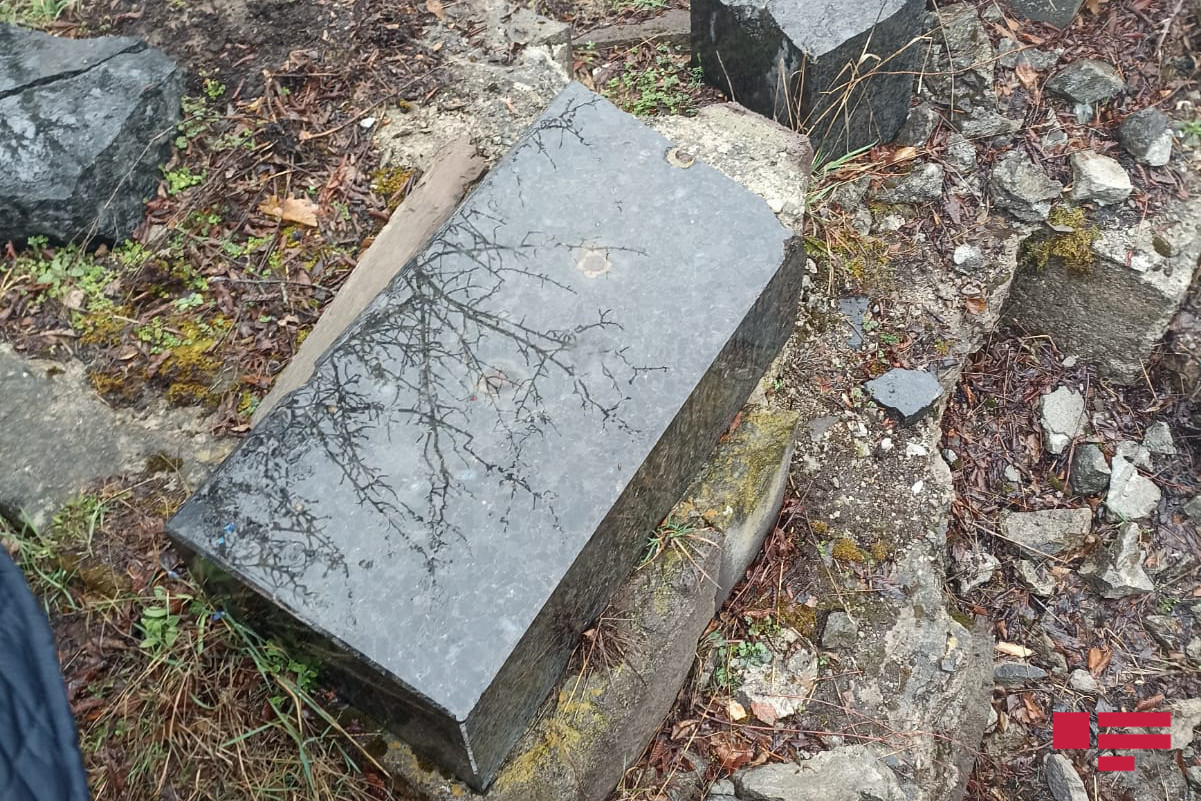
We climb the slope. According to village residents, the graves of three victims of the tragedy are here. Besides, here also hosts graves of Ashiq Shamshir, his daughter, and his son. Graves have been destroyed, their edges have been drilled.
Graves of 14 victims of the Aghdaban tragedy were signed with just a stone by residents. We commemorate martyrs with a minute of silence together, pray for their souls, and then return back to the bus.
It is 1:55 p.m. We gather on bus again after visiting places, where we can travel safe. It is time for lunch. It has probably been the best lunch I have ever had in my lifetime: “Garanfil mother prepares a roll (prepared with lavash) for all, expresses her gratitude to us for being together with them.
“It is a Kalbajar roll, can not be found so easy,” she says.
After lunch, we depart. They start to talk about memories in the same form.
During the return, we again pass through Azerbaijan posts. Then, the world becomes beautiful for a moment again: Aghdabah people give the bags – meals, clothing, etc. to soldiers which have been prepared for them.
“They are the reason for our traveling here today,” says mother Garanfil.
Then one of the village residents puts a stone out of his pocket, kisses and puts it on his forehead three times: stone of our village… A memory from my village, of which dust and soil I can sacrifice myself for… 3:15 p.m


 Follow us on Telegram
 t.me/apanewsaz
 Follow us on Instagram
 Follow us on TikTok
 Follow us on Facebook
 Follow us on X