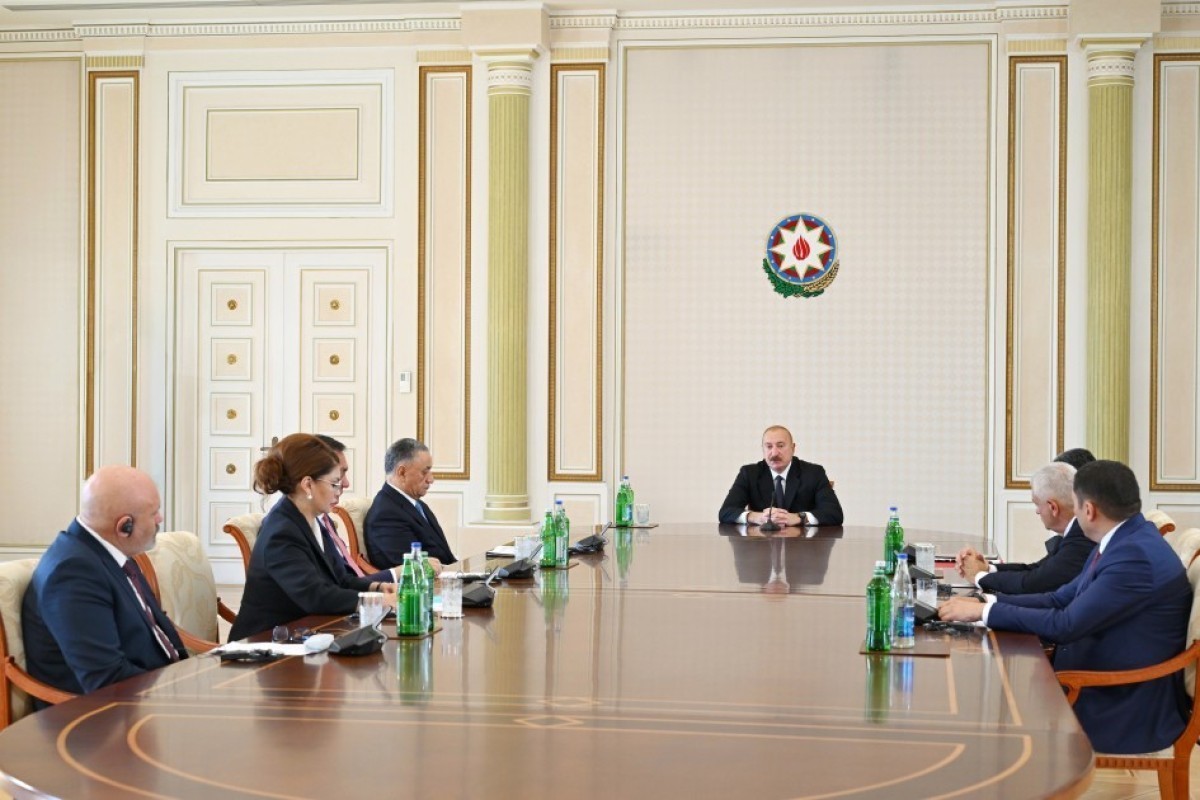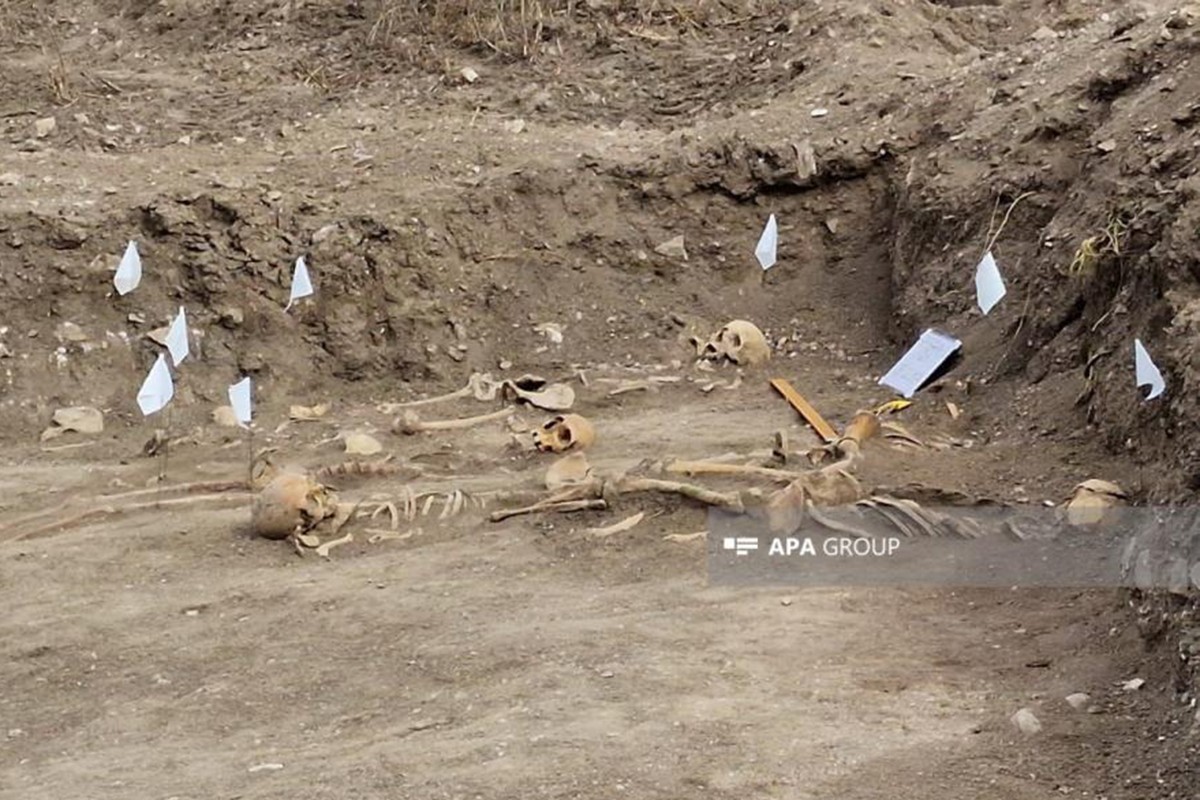


The international conference on "Modern Approaches and Strengthening Cooperation in Resolving the Issue of Missing Persons", held in Baku, was of significant importance in bringing the grave crimes committed during Armenia's military aggression against Azerbaijan back to the attention of the international community.

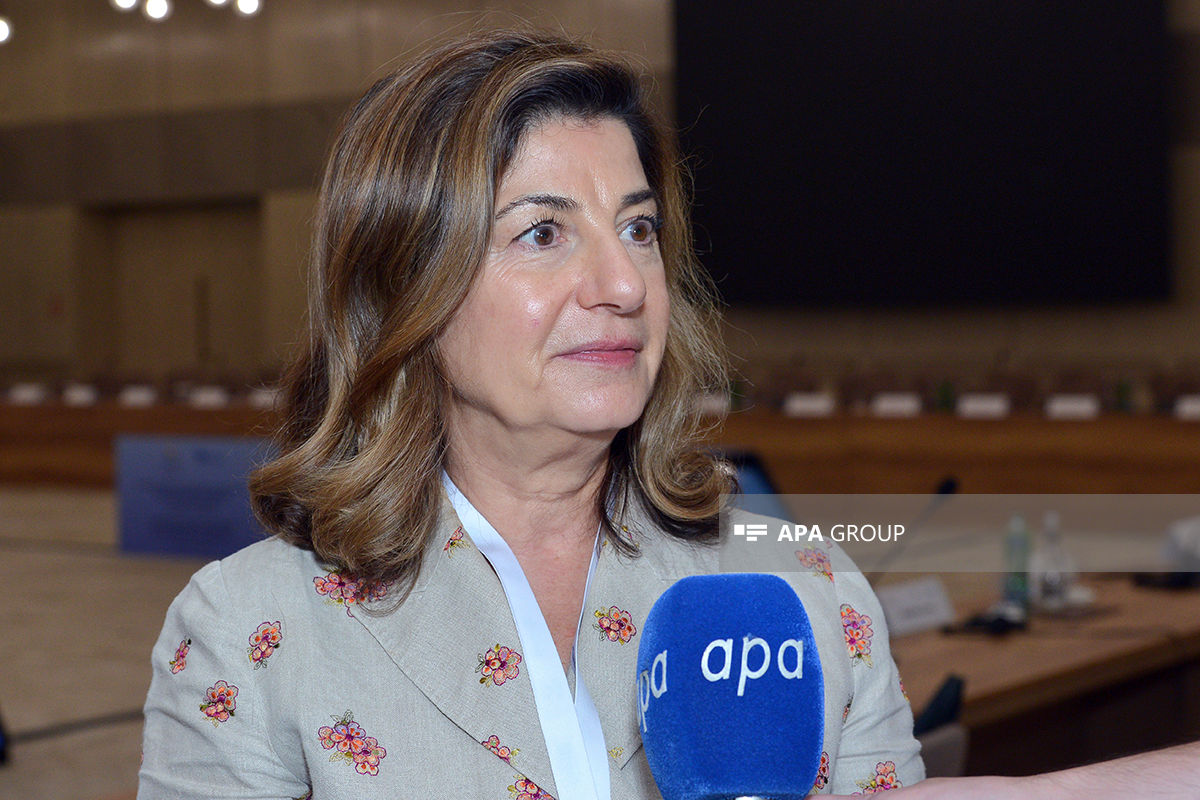
The statement made by the Director-General of the International Commission on Missing Persons (ICMP), Kathryne Bomberger, at the conference and in her interview with APA that "there are still additional mass graves and clandestine burial sites that remain to be discovered and excavated" is regarded as an important message that aligns with the facts Azerbaijan has been presenting to the international community for many years.
The existence of mass graves is now being confirmed at the international level
Following the First Karabakh War, Azerbaijan registered 4,010 people as missing. For many years, the Azerbaijani government has maintained that a significant number of these individuals were killed after being taken prisoner or held hostage and were subsequently buried in mass and clandestine graves. Mass graves discovered in the territories liberated from occupation in recent years have further substantiated these claims.
Against this backdrop, the ICMP Director-General's remarks carry particular significance. Her statement is not merely a technical assessment but also indicates that the possibility of numerous undiscovered mass and clandestine graves in the region is being acknowledged at the international expert level. This represents another important indication that Azerbaijan's longstanding position is receiving support on the international stage.

Armenia continues to evade its humanitarian obligations
Although Azerbaijan, as the victorious party, has advanced a peace agenda in the post-conflict period, humanitarian issues remain unresolved. One of the most serious problems is Armenia's continued failure to provide Azerbaijan with information on the locations of mass and clandestine graves.
This has delayed the disclosure of the truth that thousands of families have been waiting for over decades. At the same time, Armenia's prolonged refusal to hand over minefield maps has demonstrated that cooperation on humanitarian issues is still far from the desired level. Yet lasting peace can only be achieved not only through political agreements but also through the resolution of humanitarian issues.

DNA technologies help uncover the truth
Kathryne Bomberger stated that the ICMP is currently providing Azerbaijan with support in the field of DNA analysis and that the organization has unique expertise in extracting DNA from human remains that have been buried underground for many years. According to her, there are still additional mass and clandestine graves that remain to be discovered and excavated, and further training activities are planned in this area.
This cooperation goes beyond technical assistance. DNA-based identification makes it possible to scientifically identify each set of human remains, provide families with definitive answers, and establish a reliable body of evidence for future legal investigations.
A shared database is a mechanism that can contribute to peace
Kathryne Bomberger emphasized both in her speech and in her interview the importance of the database planned to be established between Azerbaijan and Armenia. According to her, such a system would not only strengthen cooperation between the relevant state institutions but could also facilitate the future exchange of information on mass and clandestine graves, areas where missing persons may be located, and other relevant data.
The reference to the experience of the former Yugoslavia is also significant. That model demonstrates that even many years after a conflict, information sharing can make an important contribution to helping thousands of families learn the truth and to building trust between the parties.

The need for a legal assessment of genocide against Azerbaijanis is becoming increasingly prominent
The capture of Azerbaijani civilians during the First Karabakh War, the concealment of their subsequent fate, and the discovery of mass graves in the territories liberated from occupation are issues that require thorough investigation under international humanitarian law.
The statements made by the ICMP Director-General, together with the facts uncovered to date, have once again brought attention to the need for a more comprehensive examination, within the framework of international law, of the claims Azerbaijan has raised for many years. The facts concerning the systematic killing of Azerbaijanis on the basis of their ethnic identity and their burial in clandestine graves demonstrate the necessity of providing an objective legal assessment of these crimes within the framework of international law. In other words, Bomberger's acknowledgements and the existing facts provide grounds to conclude that Armenia and Armenian armed groups committed genocide against Azerbaijanis during the First Karabakh War.
Families' right to know the truth
Bomberger emphasized that states are obliged not only to investigate the fate of missing persons but also to ensure the right of their families to know the truth, achieve justice, and receive compensation.
In this regard, the new Information Management System established in Azerbaijan will increase the transparency of the process, enable families to track information about their loved ones, and accelerate the identification process.
The international conference held in Baku demonstrated that the issue of missing persons is no longer merely a humanitarian problem but also a matter directly related to international law, justice, and regional peace. The remarks made by the ICMP Director-General may be regarded as an important message indicating that Azerbaijan's longstanding position on mass graves, the fate of missing persons, and the uncovering of the truth is receiving more serious recognition at the international level.


 Follow us on Telegram
 t.me/apanewsaz
 Follow us on Instagram
 Follow us on TikTok
 Follow us on Facebook
 Follow us on X