









Istanbul. Mayis Alizadeh–APA. Turkey was deeply shaken by two economic crises over the past 20 years. The crisis of early 1994 resulted with devaluation decision of the Central Bank in April and the government of Tansu Chiler had to announce April 5 economic decisions. The bitter recipe offered to the people led Erbakan’s Welfare Party to win the elections in 1995.
Turkey faced with the second economic crisis on February 19, 2001. Prime Minister Bulent Ecevit left the meeting of National Security Council early and told journalists: “The honorable president threw the Constitution toward me and told me unethical phrasesâ€. The world was shaken in a moment, the bourse fell and night loans jumped to 7200. Despite the hard terms, the government didn’t leave the principles of market economy and after the 10-hour meeting course of foreign currencies controlled with the forward method was replaced by the free course, which resulted with the 100-percent devaluation. The country’s foreign debts rose for 100 per cent in a few moments and the banks needed in the guarantee letter of Treasury to receive loans. International financial institutions were away to give loans to the government and then Bulent Ecevit invited his former adviser, the Vice President of World Bank Kemal Dervish to Ankara and appointed him a State Treasury Minister. As he was not a member of parliament, Kemal Bey had to take oath before the parliament to receive the ministerial status. Kemal Dervish submitted the government’s new economic program to the World Bank and the International Monetary Fund within two months. He considered changing of infrastructure of the country’s banking system fundamentally. His phone conversation before taking the ministerial post interpreted as “Tell Ecevit they failed all the things. There is need in radical measures†showed how difficult the situation was. In June, 2001 when The International Monetary Fund approved terms of credits, Kemal Dervish already started bank reforms in the country and merging of state-run banks with others or privatization of them. The government laid hand on some of the private banks which run into debts to the Treasury and ended collecting of currencies in the market to close the open positions of the banks with unhealthy infrastructure. The course of foreign currencies started to fall. The coalition government successfully carried out the economic program, but coalition member MHP leader Devlet Bahceli shrugged off Ecevit’s warning “We offered bitter recipe to the people and they will revenge. Let’s go to the elections next year†and the government decided to go to the elections on November 3, 2002. AKP, only winner of the elections didn’t leave the Dervish’s program and developed it. State Treasury Minister Ali Babacan worked harmoniously with the president of autonomous Central Bank until March, 2006. The president of the Central Bank retired because end of his terms and Durmush Yilmaz replaced him in this post brought the political disputes as well and it came to pass that the new president of the Central Bank will have his own policy independent from the government.
Merger or privatization of the world banks continued in the reign of AKP and as a result of it there was almost no bank in the country that might burden to budget. AKP governments successfully implemented the programs singed with the International Monetary Fund till the end. The economic program implemented by Erdogan government in close collaboration with international financial organizations resulted in the record increase of the country’s economy in 2004 – for that year it was at the same time the world record.
When the country stepped towards the atmosphere of the parliamentary elections held on July 22, 2007, the government began to take measures that might cause anxiety in terms of the future of economy. Not taking serious the critical remarks on the increase of the deficit, the government reiterated that it could be financed. In order to prevent the increase of the current deficit, the government was both trying to involve money from abroad and was obliged to sell profitable state enterprises. Despite this, deficit of 2007 was announced to be $37 billion and international financial organizations intensified warnings to Ankara. It is not accidental that the architect of the program saving economy from crisis, current head of the UN Development Program Kamal Dervis said a month ago that Turkey had no other way out but to reduce government expenditures and economize. Though the government’s pursuing election economic policy on the eve of July 22 brought extra votes to AKP, this unethical act slowed down investment atmosphere in the country. Foreign funds instead of focusing in direct investments either went to stock exchange or were used in meeting government expenses. Due to the increase of prices as from the beginning of this year Central Bank changed inflation targets determined for the end of the year. Though export figures set a record in the history of Turkey, increasing import became another problem of economy. Turkey met the world economic crisis, which intensified early in September, with high deficit, double inflation and export shortfall. When the crisis intensified and hit New York Stock Exchange, Istanbul stock exchange was not opened, since Turkey celebrated Ramadan holiday, it was felt only on October 3. At first financial support of the US and EU created positive atmosphere in Turkey’s investment market, it could not prevent Istanbul stock exchange from losing two thirds of its value. Foreign exchange rate, which for a long time seemed to be stable, increased by approximately by 45%. Trying to take an opportunity of the world crisis the government submitted a new bill to the parliament and attempted to draw the money of the citizens living abroad to Turkey by all means (even in bags). When the bill was seriously criticized, Prime Minister Erdogan appealed to the citizens living in Europe to bring their money to Turkey. Tayyip Erdogan himself said it was risky, but undertook this risk. Ignoring the anxiety the parliament adopted the law on bringing real money to the country. As a result of the regular discussions held with nongovernmental organizations, Erdogan government, which is closely following the world crisis, is about to sign a new cooperation agreement with the International Monetary Fund. Ten days ago Prime Minister left for New York and met with IMF President. Following the meeting, it was announced that a new agreement would be signed soon.
Recep Tayyip Erdogan saying previously that there will not be any state guarantee on bank savings of citizens during first month of economic crisis promised to ensure a part of bank savings.
Erdogan trying to react to the developments in the country related to economic crisis has sent strict message to banks taking credits back recently.
“How can you take back credits if reason of your creation depends on them? – seriously said. Tayyip called Banking Regulation and Inspection Council to take measures on those banks. Central Bank decreased 1% of interests to impede economic crisis. Erdogan appealed to 1 million 300.000-firm Union of Chambers and Commodity Exchanges of Turkey to employ one person by every firm. Irrespective of measures, increase of expenses continues and Turkey will persuade policy to decrease expenses (current deficit is forecasted to be 50 billion dollars late in 2008).
Turkey had unchangeable principle during economic crisis: It did not refuse main rules of market economy and democracy. There was not anti democratic decisions on rights of players in the market. Bank operations were not prohibited during crisis. Erdogan tried to recover crisis. The reason of it is that Turkish people have never lost their property right. There is not any difficulty than integration from socialism into market economy and it is enough to see it in Russia and post soviet countries.


 Follow us on Telegram
 t.me/apanewsaz
 Follow us on Instagram
 Follow us on TikTok
 Follow us on Facebook
 Follow us on X
Political
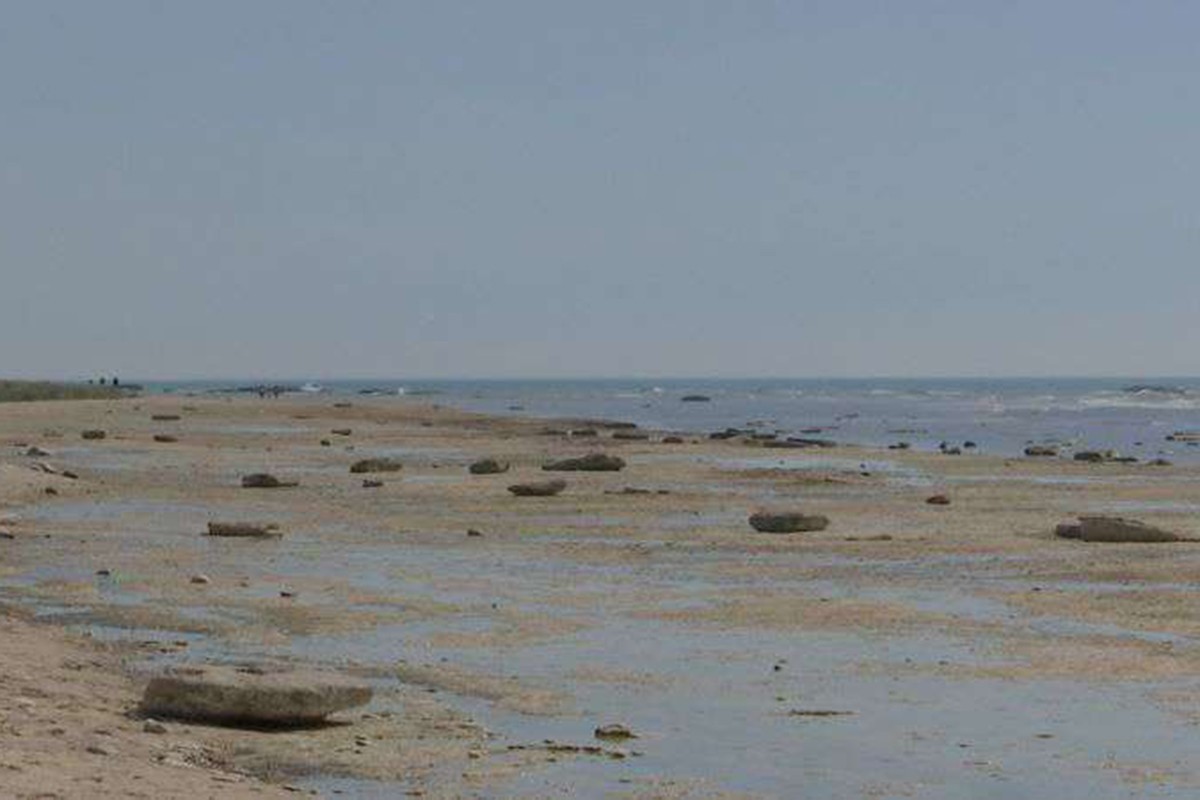
Alarm bells over the Caspian Sea: Sharp decline in water levels poses not only environmental but also economic and strategic challenges - ANALYSIS
 16:15
16:15
 9 October 2026
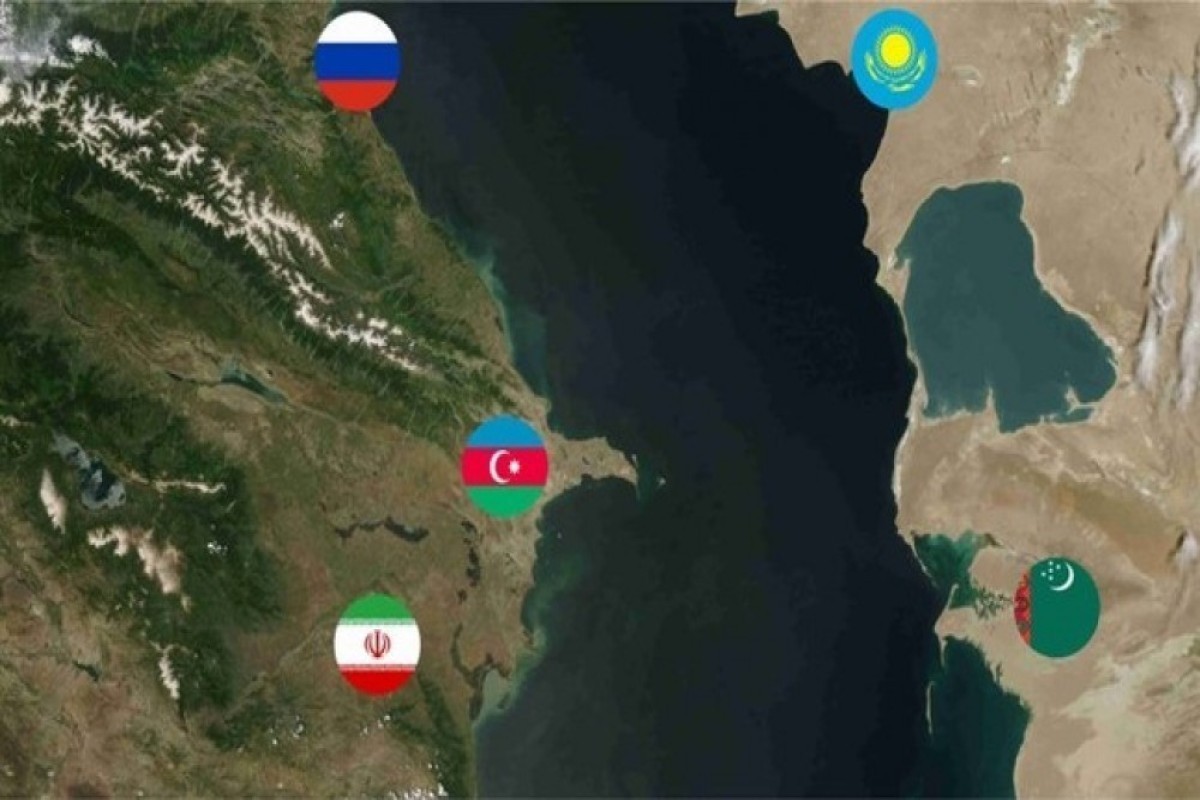
Caspian Environmental Summit: Sea’s environmental problems to be discussed in five-party format - COMMENTARY
13:34
9 October 2026
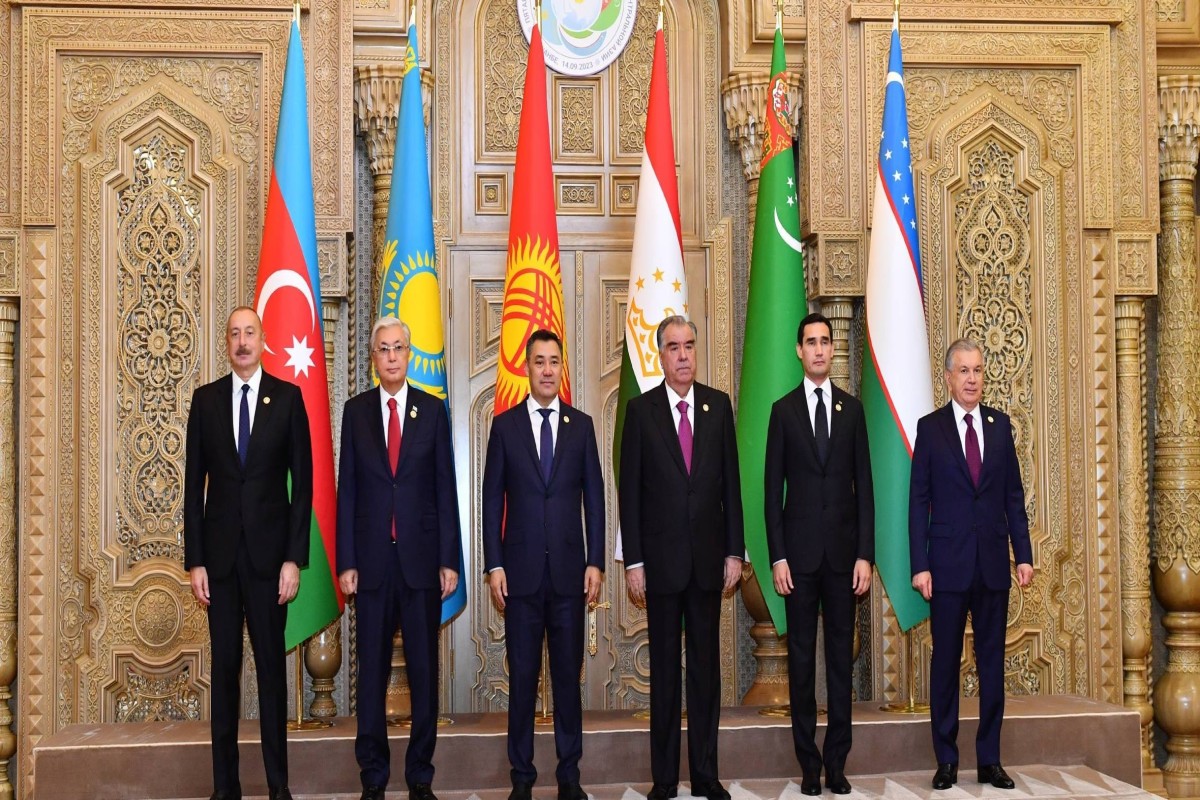
Consultative Meeting of Central Asian and Azerbaijani Heads of State: Cooperation format transforms into C6 - COMMENTARY
10:39
8 October 2026
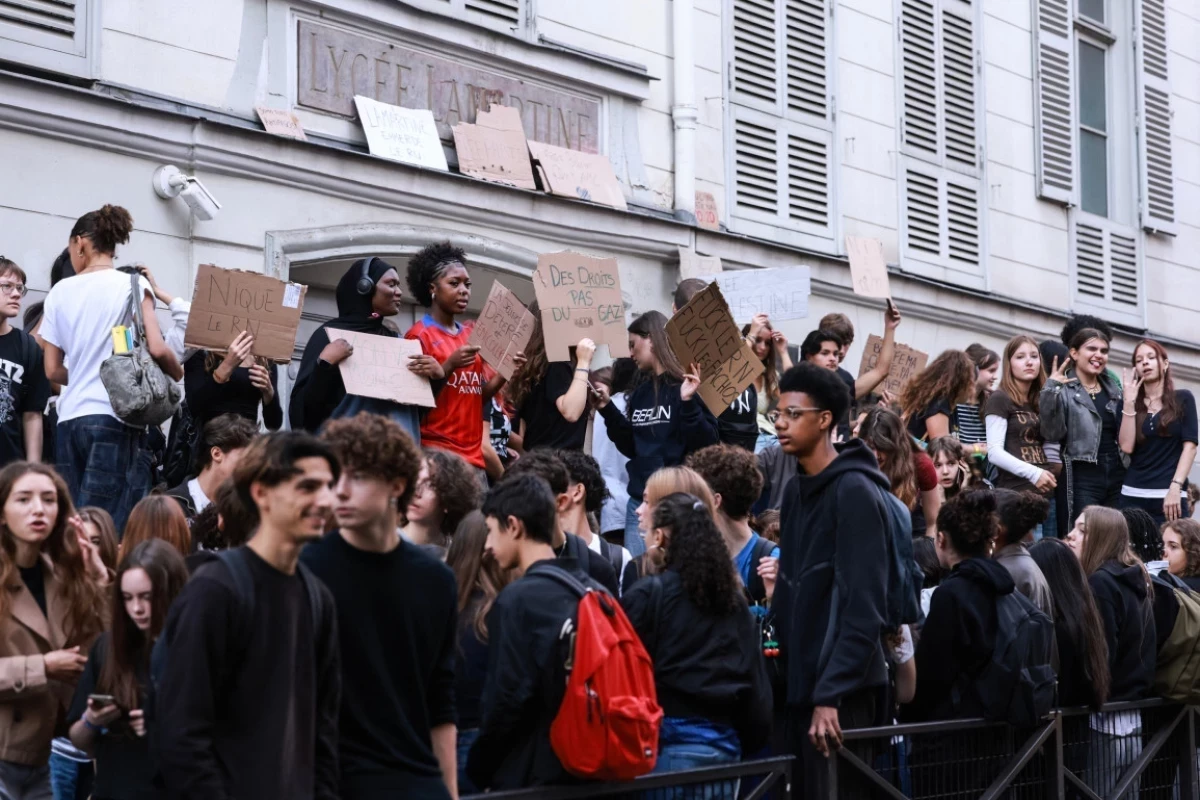
School protests in France: International organizations remain silent on human rights violations - COMMENTARY
14:26
7 October 2026

NEWS FEED
More than 40 flights to Istanbul have been diverted to other airports
04:09
15 October 2026
Houthis claim hit on Saudi fighter jet
03:41
15 October 2026
US destroys Iran-linked ship in Gulf of Oman
02:37
15 October 2026
Aston Villa beat Fenerbahce 6-0 in Champions League clash at Villa Park
02:10
15 October 2026
Media and Broadcasting Council and Ministry of Health release joint statement
01:37
15 October 2026
Trump: Canada will end up being 51st state
01:14
15 October 2026
Istanbul roads collapse, traffic hits 90% as flooding continues
00:52
15 October 2026
Banks, buildings burn as Albania's capital Tirana erupts into student violence
00:26
15 October 2026
Six years pass since Armenian army's shelling of Terter cemetery
00:00
15 October 2026
Haberturk: Teenager dies from electric shock during heavy rain in Istanbul
23:45
14 October 2026
Ukrainian President rules out resigning, holding elections
23:39
Audio
14 October 2026
FBI denies Patel's visit to Russia
23:16
14 October 2026
Britain will develop military equipment for Ukraine
23:00
14 October 2026
Dinner hosted on behalf of President Ilham Aliyev in honor of participants of 7th CICA Summit
22:44
14 October 2026
French President to visit Gulf states from October 19 to 21
22:34
14 October 2026
President Ilham Aliyev met with President of Tajikistan
22:18
14 October 2026
President Ilham Aliyev met with President of Uzbekistan-UPDATED
21:50
14 October 2026
US plans to deploy hundreds of thousands of kamikaze drones
21:41
14 October 2026
Zelenskyy says he feels 'betrayed' by Trump's actions
21:25
14 October 2026
FBI Director Patel visits in Russia
20:37
14 October 2026
Iranian FM, Lebanese President discuss developments in Lebanon and the region
20:27
14 October 2026
Le Pen and Melenchon gain momentum ahead of French 2027 election, poll shows
20:11
14 October 2026
Amir of Qatar arrives in Azerbaijan
19:35
14 October 2026
Hakan Fidan arrives in Baku - UPDATED
19:13
14 October 2026
President Ilham Aliyev met with President of Israel
19:11
14 October 2026
President Ilham Aliyev receives Bahrain’s Foreign Minister
19:09
14 October 2026
President Ilham Aliyev receives member of Political Bureau of CPC Central Committee
19:09
14 October 2026
Georgia not invited to EU forum
19:08
14 October 2026
President Ilham Aliyev met with Vietnamese Vice President
19:06
14 October 2026
President of Azerbaijan receives Sri Lankan minister
19:06
14 October 2026
State Migration Service: More than 30 Azerbaijani citizens readmitted from Germany
18:48
14 October 2026
MP from Pashinyan’s party denied entry to Russia
18:32
14 October 2026
Shavkat Mirziyoyev arrives in Baku - UPDATED
18:30
14 October 2026
Azerbaijani delegation familiarizes itself with operations of Kazakhstan’s leading ports and terminals
18:22
14 October 2026
Azerbaijani and Kyrgyz delegations hold meeting - VIDEO
18:15
14 October 2026
“Falcons Meet - 2026” joint tactical flight exercise continues - VIDEO
18:14
14 October 2026
Trump did not invite OSCE observers to the U.S. midterm elections
18:10
14 October 2026
Chinese and Russian foreign ministers meet in Baku
18:08
14 October 2026
Emomali Rahmon arrives in Azerbaijan
18:03
14 October 2026
Kyrgyz President arrives in Azerbaijan
17:47
14 October 2026
NATO Secretary General: No need for idea of unified European army
17:32
14 October 2026
Prime Ministers of Azerbaijan and Cambodia meet in Baku
17:29
14 October 2026
Kanak politician: We cannot allow France to continue its colonial policy
17:26
14 October 2026
Azerbaijan-Laos investment and business forum held in Baku - PHOTO - UPDATED
17:26
14 October 2026
Kazakh President begins visit to Azerbaijan
17:23
14 October 2026
Agreement reached on draft documents to be adopted at 7th CICA Summit in Baku tomorrow
17:19
14 October 2026
Assessment of OPEC+ countries’ production capacities to be ready by year-end
17:15
14 October 2026
Azerbaijani and Kyrgyz delegations hold meeting - VIDEO
17:11
14 October 2026
Russian FM arrives in Azerbaijan - UPDATED
16:58
14 October 2026
Novak: Diesel agreement with US will increase oil production in Russia
16:56
14 October 2026