












Baku – APA. At the beginning of March, Turkish Prime Minister Recep Tayyip Erdogan spelled out his view of Nato-led intervention in Libya, APA reports quoting BBC.
It would be absurd, unthinkable, he said. It should not even be discussed. Two weeks later he repeated that view. Nato intervention would be useless, he said, and would have dangerous consequences.
But this week, Turkish policy towards Libya appears to have done a complete U-turn. Criticising the French government for taking the lead role in air attacks on Col Gaddafi’s forces, Turkey has insisted that command of the operation be handed over to Nato, and Nato alone. For this to happen, the agreement of Turkey - a Nato member since 1952 - is essential.
Five Turkish navy ships and a submarine have been despatched to help enforce the arms embargo against Libya. The Turkish parliament has approved sending more forces, including troops, if necessary.
So what’s going on in Ankara?
Turkish Foreign Minister Ahmet Davutoglu explained the volte-face as a result of UN Security Council Resolution 1973, passed on 18 March, and the Arab League’s support for a no-fly zone. We were against any unilateral Nato action, he said, but once these resolutions were passed, Turkey’s stance could not remain the same.
But there is a lot more to Turkey’s apparent flip-flop than that.
Turkey has pursued an ambitious new foreign policy under Mr Erdogan, with the aim of becoming a regional power. The policy relies on two strategies.
The tortuous path of Turkish policy has also been influenced by the general election scheduled in less than three months time, and Mr Erdogan’s need to shore up his conservative Muslim baseâ€.
First, solving conflicts with its neighbours. Twenty years ago, Turkey was at daggers drawn with every country on its border. Today, it has friendly relations with all of them, except Armenia.
Second, allowing business ties to drive foreign policy. Turkish companies are among the most competitive in the region, and they have led the way in establishing a Turkish presence in Iran, Iraq, Syria, the former Soviet Union and the Balkans. Whenever the prime minister or president travel, they are accompanied by big business delegations. Visa-free travel has been agreed with Libya, Syria, Jordan and Lebanon. Free-trade zones are being negotiated.
This has meant cosying up to leaders like Muammar Gaddafi, Bashar al-Assad, Hosni Mubarak and Mahmoud Ahmadinejad. It has resulted in substantial Turkish investment in these countries, and tens of thousands of Turkish nationals working there.
So when the Arab uprisings began, Mr Erdogan was presented with a dilemma.
His political success in Turkey is partly due to his finely-tuned populist instincts. As a politician who has loudly stood up to Israel, he is something of a hero both among his largely Islamic constituency at home and among Arab populations elsewhere. So he wanted to do the popular thing by supporting the uprisings. But doing so put the profitable relationships his government had nurtured with the governments confronted by these uprisings at risk.
Tunisia happened too fast for anyone to react, and Turkey was left with the easy job of welcoming the new regime. Egypt was trickier. If Mr Erdogan called for Mr Mubarak to go, and he survived, there could be potential reprisals. The Turkish prime minister followed his instincts, told the Egyptian leader his time was up well before President Obama got round to it, and events vindicated him.
Further discomfort
Libya was trickier still. There were 30,000 Turkish workers there. Col Gaddafi was less predictable. So the Turkish government kept its comments neutral while it organised a mass evacuation of its own and other foreign nationals.
Turkish officials say Mr Erdogan has called Col Gaddafi and his son Saif al-Islam several times to explore a negotiated end to the fighting. Libyan opposition leaders have been flown to Ankara for talks. Turkey says it was making progress when they were stopped by the start of French air attacks on Libyan ground forces. Just how much progress is not clear - the Turkish plan was to persuade Col Gaddafi to step aside and organise new elections, goals that never seemed very close.
Events in Bahrain, Yemen and especially Syria could provide further discomfort for Mr Erdogan. He has maintained conspicuously warm ties with the current governments in all three countries.
The tortuous path of Turkish policy has also been influenced by the general election scheduled in less than three months time, and Mr Erdogan’s need to shore up his conservative Muslim base. Muslims in Turkey, like those all over the Middle East, have conflicting feelings about Libya. They have been clamouring for something to be done to help the Libyan opposition, but there is deep antipathy to Western intervention, and to any action that could result in Muslim civilians in Libya being killed.
Once the UN resolution was agreed, though, Turkey was always likely to want to play a role. It prides itself on being a responsible player in the UN and on its support for multilateral security operations. Turkey has 1,600 troops in Afghanistan and has regularly commanded the international force there.
It was also spurred on by seeing France take the lead. Relations between France and Turkey are badly strained over French objections to eventual Turkish membership of the European Union. There was outrage in Turkey over President Sarkozy’s first official visit last month, when he stayed only six hours. There was further outrage when Turkey was not invited to the summit meeting on Libya that Mr Sarkozy convened after the UN vote.
French air attacks on Libyan ground forces were denounced by the Turkish Foreign Minister as going beyond what the UN had authorised. So when France objected to Nato taking command, Turkey instinctively pushed the other way.
Having agreed a Nato-led operation, though, Turkey is still insisting that cannot include attacks on ground forces, or attacks that put civilians at risk. Any future French, British or US sorties against Colonel Gaddafi’s army may therefore have to be presented as being "outside" Nato’s command.


 Follow us on Telegram
 t.me/apanewsaz
 Follow us on Instagram
 Follow us on TikTok
 Follow us on Facebook
 Follow us on X
Incident
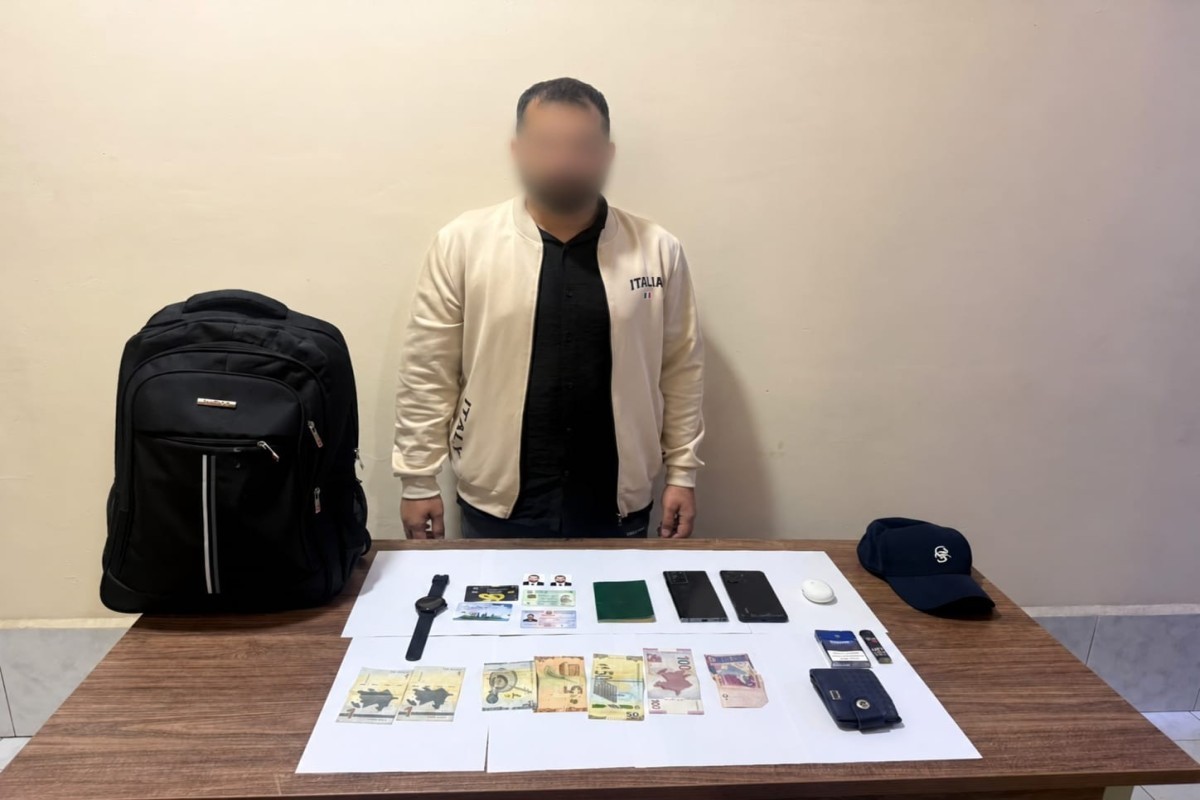
Pakistani citizen detained while attempting to cross Azerbaijan-Russia border illegally - PHOTO
 13:11
13:11
 20 October 2026
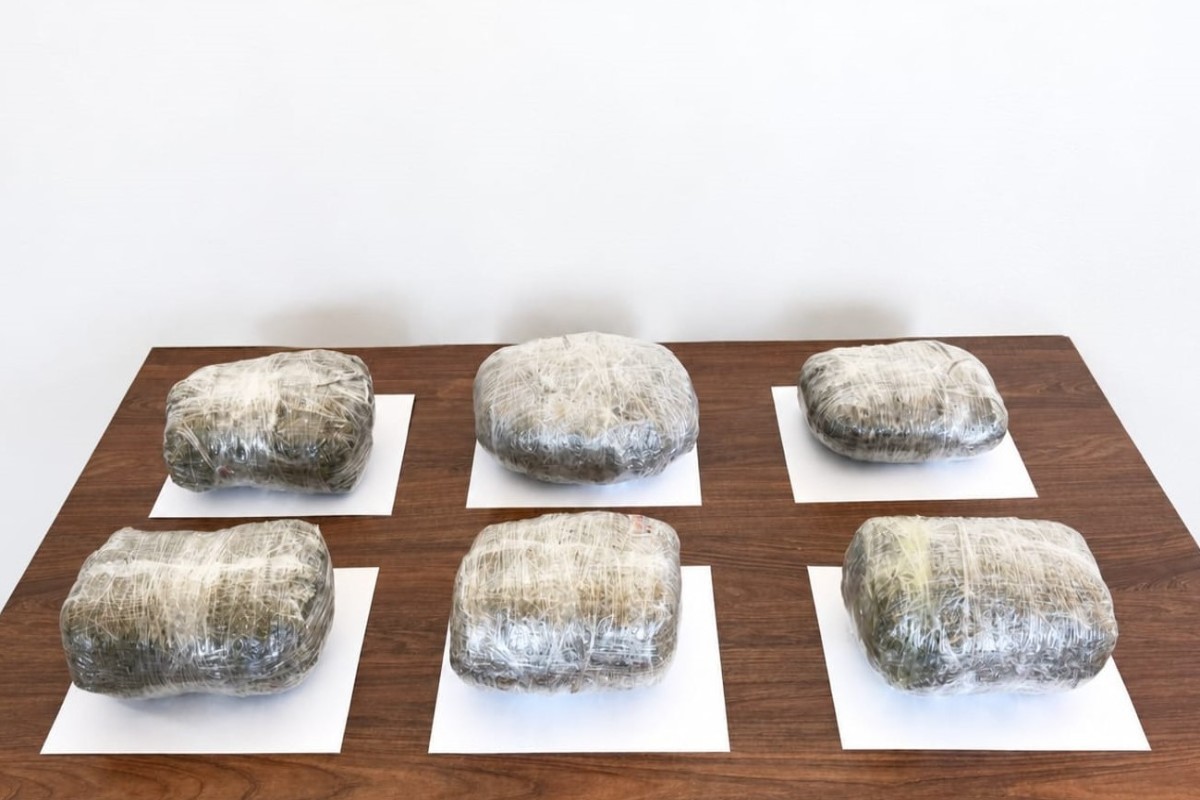
Drug smuggling from Iran into Azerbaijan prevented - PHOTO
11:23
20 October 2026
SWISS flight aircraft en route Zurich-Shanghai made emergency landing in Baku
20:45
19 October 2026
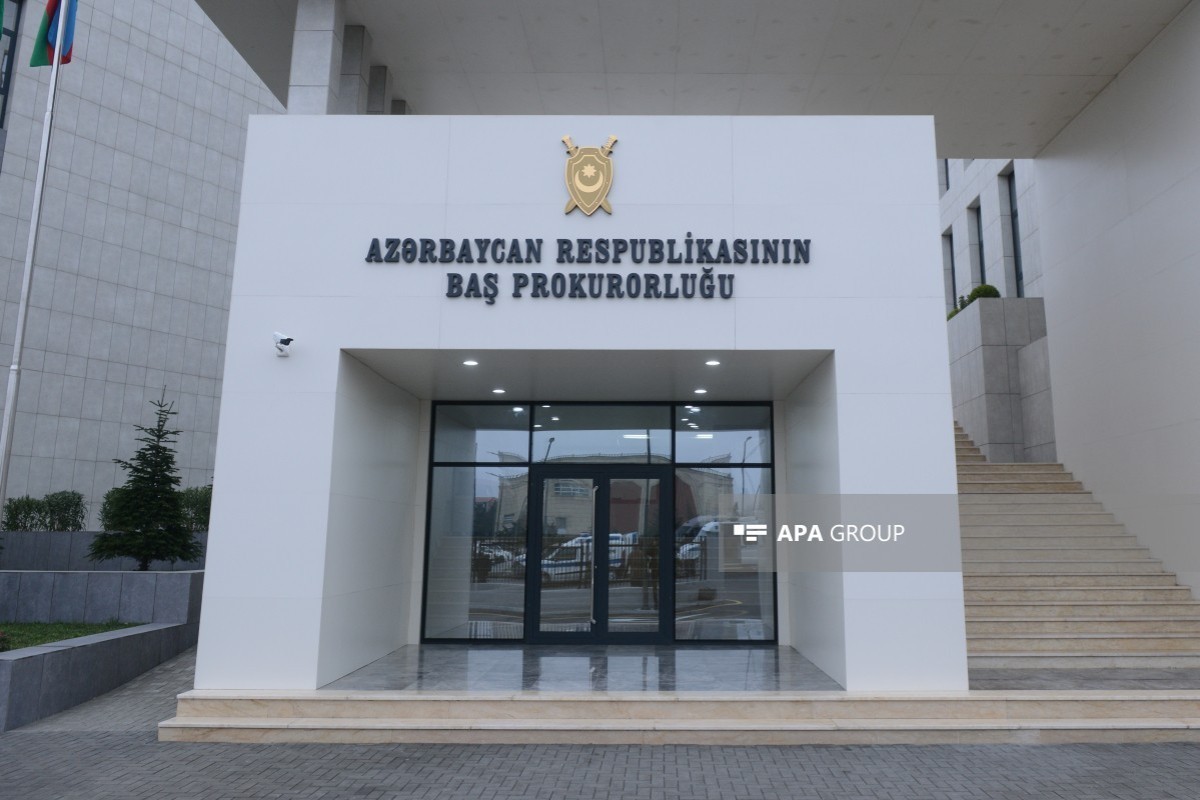
Seven people suspected of calling for violent seizure of power in Azerbaijan placed on international wanted list
18:28
19 October 2026

NEWS FEED
Trump: Ukraine and Zelenskyy must strive to resolve the conflict
23:20
20 October 2026
IRGC Navy says supertanker exploded after hitting mine south of Hormuz
22:55
20 October 2026
UEFA Champions League: Germany’s Borussia Dortmund defeat Azerbaijan’s FC Sabah
22:39
20 October 2026
Witkoff’s plans to visit Russia on October 21 confirmed
22:36
20 October 2026
Iranian President: United States must lift pressure, threats and sanctions before any negotiations
22:32
20 October 2026
Ghalibaf rejects change in demands during talks with Pakistan army chief
22:03
20 October 2026
Russia ready to listen to US proposals, rules out political concessions — Lavrov
21:31
20 October 2026
Kallas claims that the US has been "pushing Ukraine toward capitulation" for 1.5 years
21:13
20 October 2026
Iran tells Munir it won't allow any enriched nuclear material to leave country
21:09
20 October 2026
Ambassador: Hungarian companies have invested USD 2 billion in Azerbaijan's economy
20:50
20 October 2026
Baku hosted event on the occasion of National Day of Hungary-PHOTO
20:42
20 October 2026
Day of Zangilan City celebrated in the city for first time -PHOTO-UPDATED
20:36
20 October 2026
Families of missing Azerbaijanis held protest in front of the European Parliament-PHOTO
20:28
20 October 2026
Turkish Presidency: Claims of attempt to lower Turkish flag in Azerbaijan are disinformation
19:53
20 October 2026
Kremlin considers Trump's actions a step toward Russia's victory over Ukraine
19:42
20 October 2026
Tanker violating regulations catches fire in southern corridor of Strait of Hormuz
19:07
20 October 2026
BP: Offshore construction work begins on Shah Deniz Compression project
18:51
20 October 2026
Azerbaijan urges citizens to avoid travel to France amid widespread unrest
18:31
20 October 2026
MAMA “Mother Nature” international art exhibition opens in Ashgabat - PHOTO
18:23
20 October 2026
Leyla Aliyeva visits Turkmen Carpet Museum in Ashgabat
18:21
20 October 2026
Katz: Hezbollah will be dealt a heavy blow if it joins Iran's attack on Israel
18:14
20 October 2026
Political consultations held between Azerbaijan and Croatia
18:14
20 October 2026
Azerbaijani parliament announces date and agenda of next session
18:06
20 October 2026
Zelenskyy: "Putin’s emergence from isolation has already begun"
17:45
20 October 2026
Zelenskyy says Ukraine may accept an alternative to NATO, but only under one condition
17:27
20 October 2026
TRIPP Fund director: US company acquires Armenia's second-largest copper mine
17:24
20 October 2026
Russia-Türkiye consultations held in Moscow
17:20
20 October 2026
UK to deploy Typhoon jets to help defend Saudi Arabia from Houthi attacks
17:10
20 October 2026
12 killed, 30 injured in bus-truck collision in Egypt
17:05
20 October 2026
Israel and Lebanon to hold ‘working level’ talks in Florida today, US official says
16:36
20 October 2026
Azerbaijani Parliament speaker addresses TURKPA meeting
16:29
20 October 2026
149 people sentenced to prison for participating in riots in France
16:25
20 October 2026
Moscow confirms dialogue with Washington on prisoner releases
16:23
20 October 2026
Moscow condemns US arrest warrant for Raul Castro
16:16
20 October 2026
Reuters: Witkoff travels to Norway for talks on Ukraine
16:13
20 October 2026
Memorandum of Understanding between Azerbaijan and UN approved
16:00
20 October 2026
Iran prolongs talks in stalemate to influence US midterms, officials say
15:57
20 October 2026
Ganja Memorial Complex established under Ministry of Culture
15:55
20 October 2026
Karabakh National Park established - ORDER
15:53
20 October 2026
Swedish ambassador meets with Hikmat Hajiyev
15:38
20 October 2026
Russia to increase penalties for calls for mass riots
15:34
20 October 2026
“Falcons Meet – 2026” exercise holds Distinguished Visitors’ Day - VIDEO
15:32
20 October 2026
Armenia could lose more than half of remittances from Russia
15:22
20 October 2026
Armenia's trade turnover with EAEU countries could fall by 55.6% if membership is suspended
15:13
20 October 2026
Azerbaijan adopts new state standards for railway and road transport
15:03
20 October 2026
Armenia's gas import costs could rise by 69% if it leaves EAEU
14:55
20 October 2026
Türkiye appoints Sergen Yalcin as national football team coach
14:50
20 October 2026
Azerbaijan reveals total oil output from East Azeri platform
14:26
20 October 2026
Kyrgyz President receives Azerbaijani Parliament speaker
14:12
20 October 2026
Two tankers catch fire after hitting sea mines in Strait of Hormuz
14:00
20 October 2026


