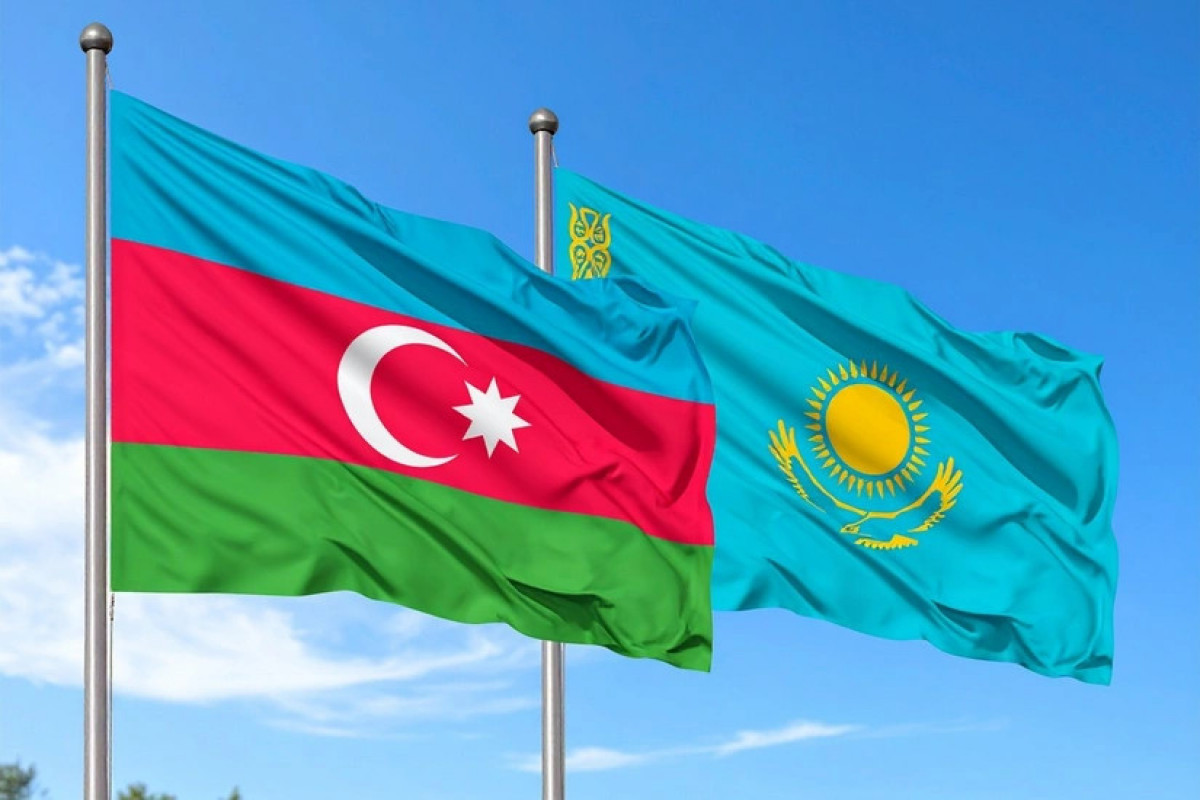

Political relations between Kazakhstan and Azerbaijan can be described as exemplary. These relations are based on strategic trust that has developed over many years and have gained particularly high momentum in recent years, said Kazakh expert Adilkhan Gadelshiyev, Deputy Head of the Department of Political Expertise at the Eurasian Integration Institute, in a statement to APA.
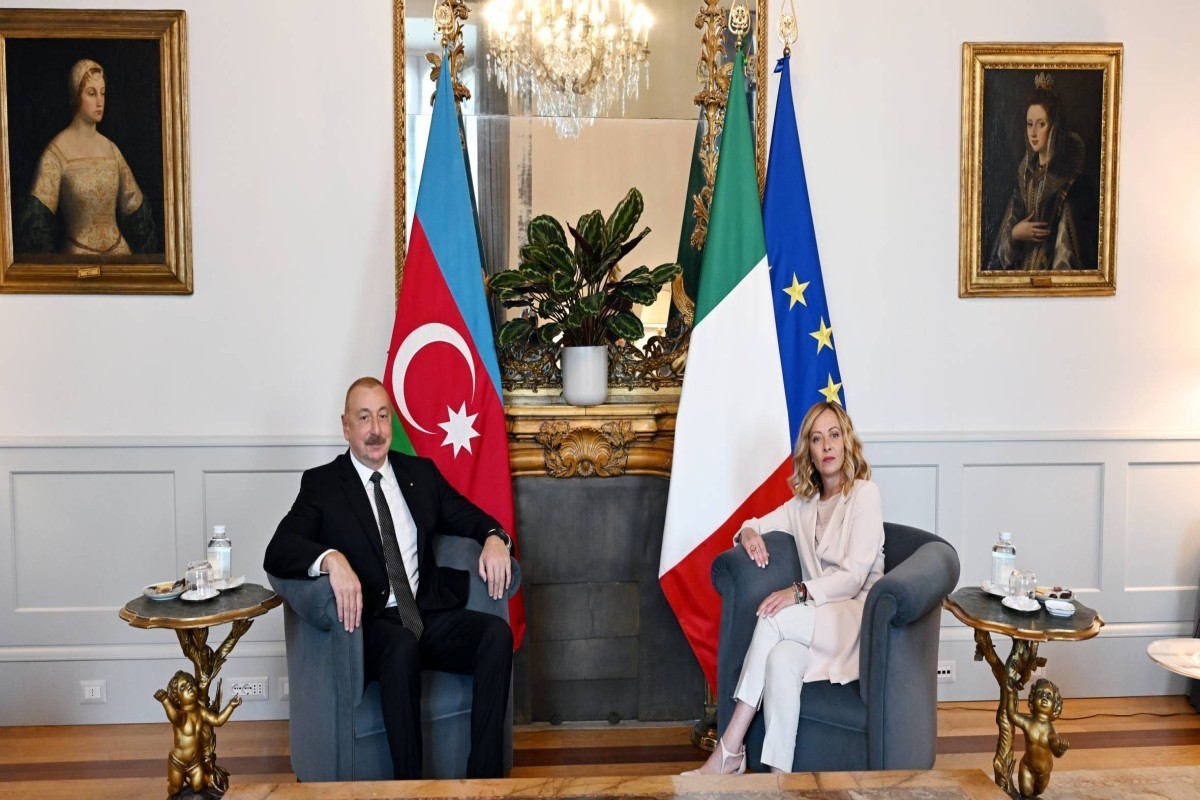
The political analyst highlighted the personal contribution of Azerbaijani President Ilham Aliyev and Kazakh President Kassym-Jomart Tokayev to the development of these relations: “If we look at the dynamics of high-level meetings, since 2017 the presidents of Kazakhstan and Azerbaijan have held more than 10 meetings in official, working, and international summit formats. The period between 2022 and 2025 is particularly noteworthy: the heads of state have regularly met in Baku, Astana, Shusha, and Gabala, as well as during international forums in Abu Dhabi and Budapest.”
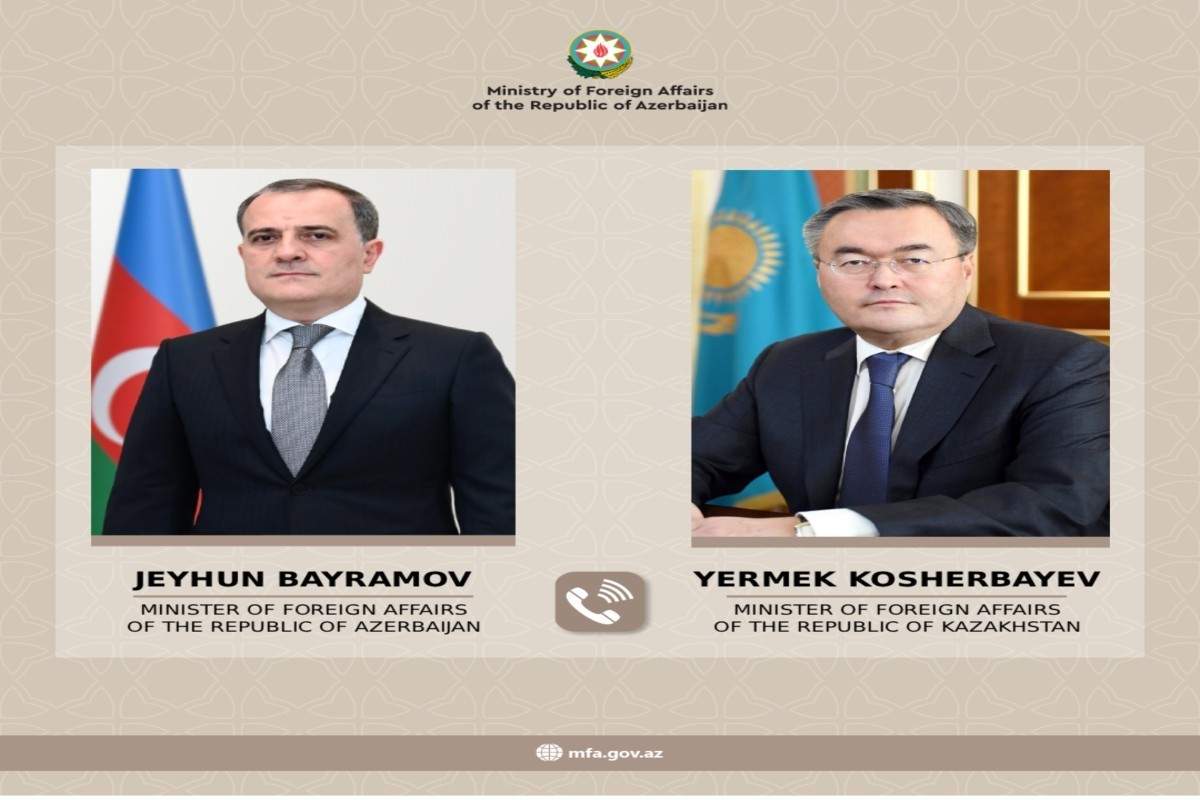
Noting that the first meeting of the Supreme Interstate Council represents a significant institutional step forward, the expert said that the presidents’ regular phone conversations, as well as their participation in key international platforms such as the Organization of Turkic States, the Shanghai Cooperation Organization, the UN’s Special Programme for the Economies of Central Asia (SPECA), and COP29, demonstrate that the dialogue between Baku and Astana is not only regular but also systematic and strategic.
He added that trade and economic cooperation between the two countries is currently in an active phase of development: “Between 2020 and 2024, trade turnover between our countries has increased almost fivefold, confirming the rapid development of economic relations. In particular, the volume of products exported from Azerbaijan to Kazakhstan has grown significantly — by 58% in just the last six months.”
The expert also noted that the scope of cooperation has expanded to include areas such as transport, logistics, digital infrastructure, and shipbuilding, emphasizing the growing importance of the energy and digital sectors: “For instance, since March 2023, 125,000 tons of oil per month from the Tengiz field have been transported via the Baku–Tbilisi–Ceyhan pipeline by SOCAR Midstream Operations. This demonstrates how political will and effective cooperation play a crucial role in implementing major projects.”
The Kazakh analyst said that the “Digital Silk Road” project — involving the laying of a fiber-optic cable along the Caspian seabed — could turn both countries into key hubs of an international transport and communication network.

Adilkhan Gadelshiyev, emphasizing that the development of the Middle Corridor will make a significant contribution to the regional integration of the South Caucasus and Central Asia and that the project carries global importance, stressed that Kazakhstan and Azerbaijan play a decisive role in its implementation: “Therefore, the efficiency of this route and its ability to make a real contribution to Eurasian integration depend precisely on the coordinated actions of Baku and Astana.”
He added that in an era of globalization marked by confrontation and the redirection of trade flows, the concept of economic security has gained greater importance — and the Middle Corridor project serves as a strategic response to such challenges.
According to the political expert, the tandem of Azerbaijan and Kazakhstan is taking significant steps toward shaping a new architecture of the Eurasian logistics framework. Thanks to the support of the heads of state and the coordinated work of transport agencies, the Trans-Caspian International Transport Route (TITR) has increasingly become a reliable alternative:
“In 2025, cargo transportation along the TITR increased by 6%, while container shipments rose by 93%. The recent agreement signed between the railways of Azerbaijan, Kazakhstan, and Georgia to unify tariffs has become a turning point in this direction. According to World Bank estimates, by 2030, cargo volumes will triple, while delivery times will be reduced by half.”


 Follow us on Telegram
 t.me/apanewsaz
 Follow us on Instagram
 Follow us on TikTok
 Follow us on Facebook
 Follow us on X