The processes taking place in the South Caucasus today show that a new geopolitical order is being formed in the region. The realities that emerged after the 44-day Patriotic War have already completely changed the political agenda of the region, and Azerbaijan is the main initiator of this process. Armenia’s current political behavior shows that it is still not capable of pursuing a fully independent state policy.
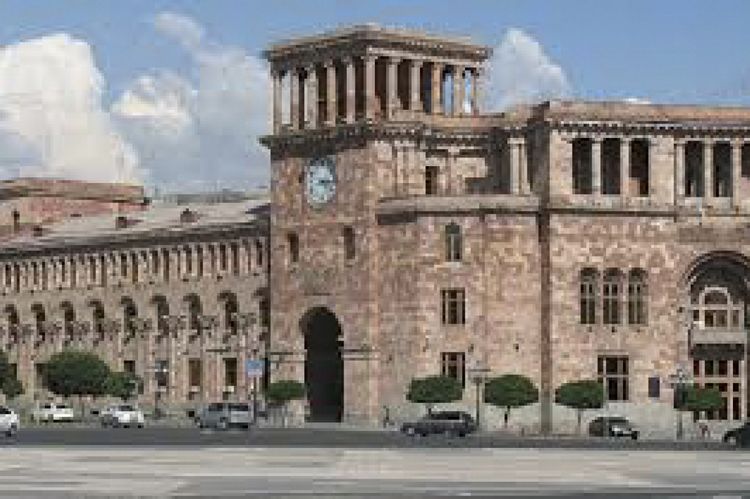
Armenia is still not capable of pursuing an independent policy
Political analyst, Zaur Mammadov, associate professor at the Academy of Public Administration under the President of the Republic of Azerbaijan, said in a statement to APA that the Armenian people have historically lacked traditions of independent statehood: “In 1918, they managed to establish their state at the expense of the Azerbaijani territories. The fact that the Armenian people did not have a state before 1918 is still evident today. Although they have always had patrons, protectors, and defenders, they have still not been able to fully realize their sovereignty and independence. It is now 2026, and we are witnessing states in the CIS region pursuing genuinely independent policies. However, Armenia is still unable to make independent decisions regarding its foreign and domestic policy. Armenia is still not capable of pursuing an independent policy. This negatively affects the processes taking place in the South Caucasus and harms regional stability. Today, we see that Nikol Pashinyan’s government, while trying to distance itself from Russia, intends to seek the patronage of France and certain other foreign forces. On the other hand, it appears that figures in the Armenian opposition such as Samvel Karapetyan and Robert Kocharyan are once again ready to return to Russia’s sphere of influence. Their pre-election statements clearly demonstrate this as well.”
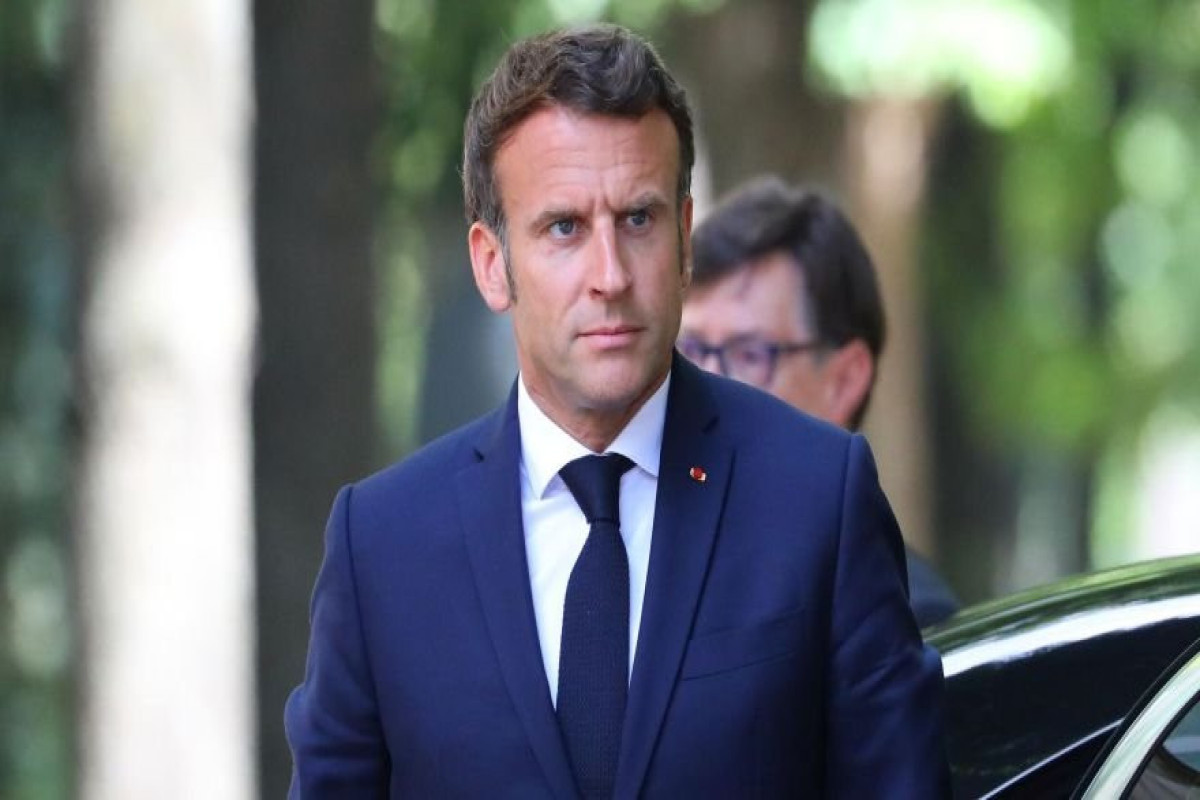
France is pursuing a neocolonial policy in the region
Zaur Mammadov noted that a new phase has now begun between Azerbaijan and Armenia: “The main essence of this new phase is that all parties and actors interested in the region must accept the new reality that has emerged and refrain from steps that could harm this process. However, we currently see clearly that Armenia is becoming an instrument of France’s neocolonial policy in the Caucasus. Against the background of the activities of the Baku Initiative Group and the positions voiced on international platforms against neocolonialism, it is observed that Emmanuel Macron is trying to turn Armenia into France’s political tool in the region. However, this policy has also dealt a serious blow to France itself. France has already lost its influence in many regions of the world and is remembered for its unsuccessful policies. Macron’s recent attempts to create new leverage in the region through Armenia are also proving unsuccessful.”
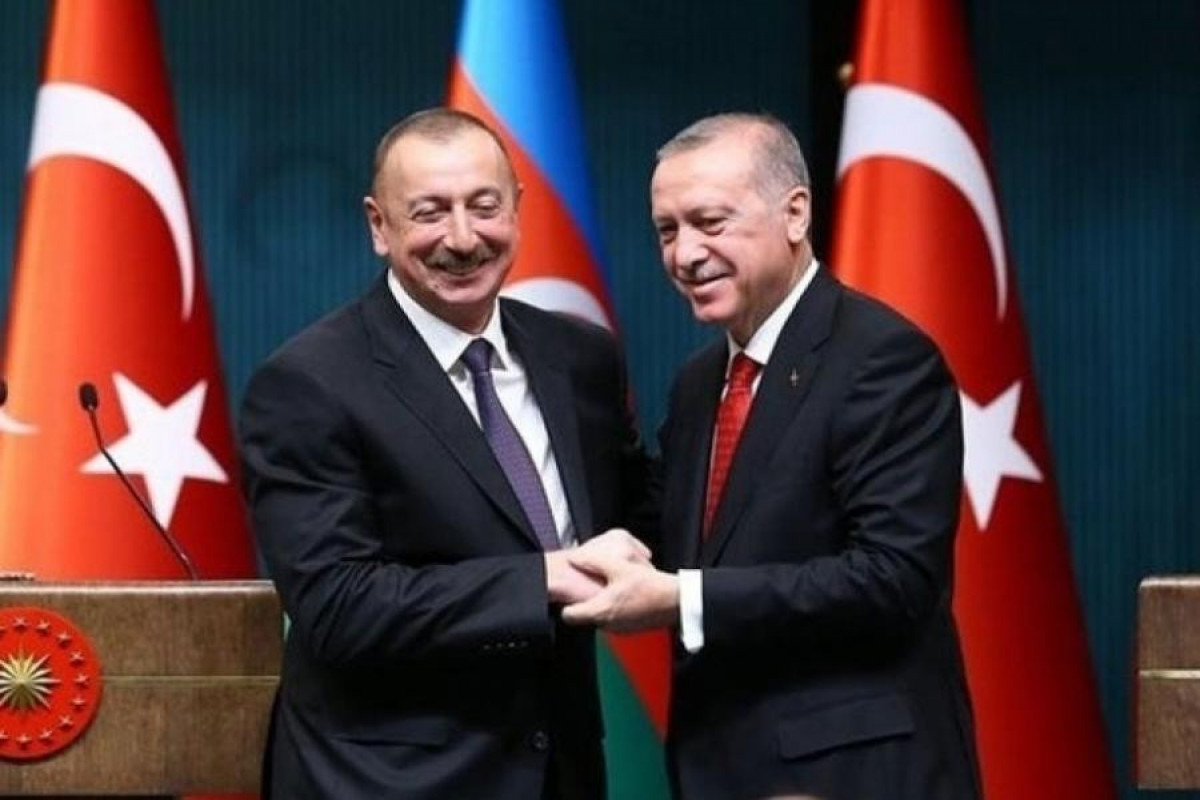
The presidents of Azerbaijan and Türkiye are shaping regional policy and agenda
The political analyst also touched upon the failure of the initiative put forward by the French President during the European Political Community summit in Yerevan: “The French President’s desire to cross through the Türkiye-Armenia border did not materialize. Unfortunately, today there were those among Turkish diplomats who supported this idea. Azerbaijani President Ilham Aliyev and Turkish President Recep Tayyip Erdoğan did not allow this desire to be realized. Azerbaijan has a firm political will in the region, and the determined stance of Ilham Aliyev and Recep Tayyip Erdoğan prevented the implementation of those plans. The presidents of Azerbaijan and Türkiye once again demonstrated that the main political will shaping the regional agenda is precisely Baku and Ankara. Today, it is clearly visible who the real leaders are in the South Caucasus, who is carrying out real politics, and who is contributing to stability.”
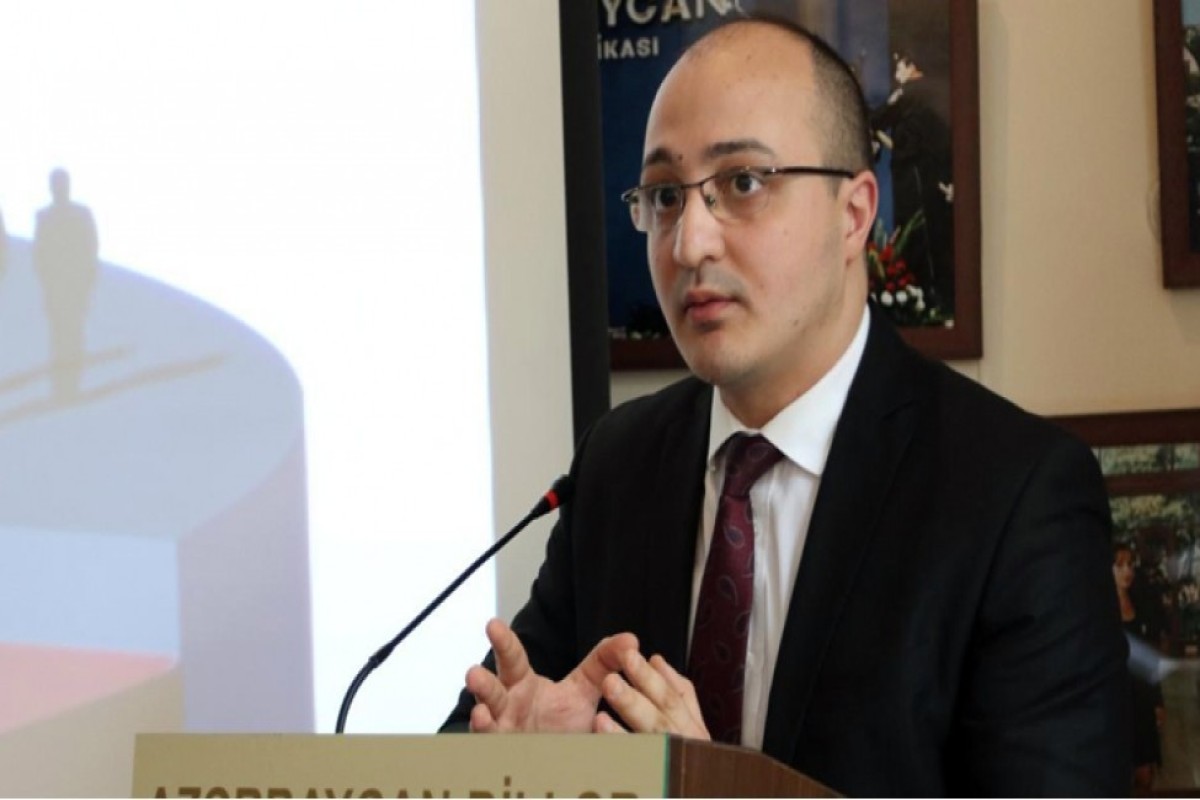
Armenian society must make the right choice
Zaur Mammadov believes that the decisions Armenian society will make in the coming period will be decisive for the country’s future fate: “It can be hoped that the Armenian people will also draw the right conclusions from the ongoing processes. Because the upcoming elections are of great importance for the future fate of Armenian society. The forces that once manipulated the Karabakh issue are now trying to put Armenia’s own future at risk. Armenian society must understand that remaining under the influence of foreign powers promises no prospects for the country. Sustainable peace and development in the region can only come through accepting the realities. Today, the political choice in Armenia actually means determining the country’s future strategic direction. Armenia will either join the policy of cooperation and peace in the region, or once again become hostage to the policy of revanchism and foreign dependence.”



 Follow us on Telegram
 t.me/apanewsaz
 Follow us on Instagram
 Follow us on TikTok
 Follow us on Facebook
 Follow us on X