










– How do you estimate the cooperation between Azerbaijan and the EU in the framework of the eastern neighborhood program?
– Germany is an active supporter of the Eastern Neighbourhood Program (ENP). According to the division of labour within the European Union, once a project like the ENP has been adopted, the concrete negotiations are carried out by the European External Action Service on behalf of the union. Member states are regularly informed about the progress and about any problems in the process. I am optimistic that different assessments and expectations that have surfaced during the negotiations can be solved in the spirit of mutual understanding and trust which prevails between the EU and Azerbaijan.
– What are the further perspectives of economic cooperation between the two countries in the field of energy, how do you see the future of «Nabucco West»? Will Germany invest in it?
The future of bilateral trade between Germany and Azerbaijan is bright. In 2011 we recorded an increase in our bilateral trade volume with exports from Azerbaijan (mostly oil) reaching more than 1.5 bio Euro and German exports of more than 800 mio Euro. I am confident that the establishment of a bilateral Chamber of Commerce in Baku which was agreed during the visit of my Foreign Minister in March 2012 will encourage German business also to invest more in Azerbaijan. In our classical “economic cooperation†- consultancy work by GIZ and financing of projects by KfW and DEG – we see also a very positive development.
In the energy field Germany is interested in diversifying its gas supply and therefore supporting pipeline projects developed under the heading of the Southern Corridor. German companies are invested in both remaining competing projects, RWE in Nabucco and E.on in TAP. As far as I know the project choice will be made before June 2013.
– Early, in May, there was a tension between Azerbaijan and Germany followed by anti Azerbaijani articles in German media, what was it connected with and does the situation still have negative influence on the bilateral relationship?
I recommend reading my article on 20 years of diplomatic relations, published on 15 March in “Yeni Azerbaycan†newspaper, which you can find in German and Azeri on the website of the Embassy. The date of publication tells you that tensions in the media could be felt already much earlier than in May. They should be accepted as signs of different mentalities and historical development stages of our two countries and peoples. It was not so easy to convince the Azerbaijani government that the German government was not behind negative reporting in the German media on Azerbaijan. Both governments have in the meantime agreed that it is in our common interest to further develop our friendly and trustful relationship for which the basis was laid with the first German immigration to Azerbaijan in 1819. I am, by the way, most impressed by the ownership of this cultural heritage that Azerbaijan demonstrates and which is visible in Göy-Göl and Shemkir where huge restauration work is being undertaken.
– In your opinion, how can the current crisis in Europe, in particularly in Greece and Spain affect the Azerbaijani - EU relationship?
There is a debt crisis in some member states of the Eurozone. In simple terms: these countries have spent far more than they earned and now face the problem of refinancing their debt. Germany has taken the Lisbon agenda 2010 seriously that Europe should become the most competitive economic region in the world. Germany’s structural reforms in the last decade included a dramatic flexibilisation of the labour market and lifting the retirement age from 65 to 67 to name but a few examples. We achieved our goals and now we have become a victim of our own success: Less competitive partners in the Eurozone demand our solidarity. Germany is willing to help, but there are natural limits: We are not an official lifeguard of the Eurozone, who would be obliged to risk his own existence in the attempt to save others. We are at the moment working on the correction of some constructive deficiencies of the Eurozone. We need a stronger political union including more cohesion of economic and fiscal responsibilities. At the moment I do not see any effect on EU-Azerbaijani relations.
– Recently, Baku hosted an Azerbaijani - German businessforum. How do you estimate the results of the event, what agreements were reached?
I suppose you refer to the visit of a business delegation from my home state North Rhine Westphalia (NRW) which is the federal state with the largest population (18 mio) and the biggest economic output (larger than that of Poland). Exports from NRW accounted in 2011 for 10 % of all German exports to Azerbaijan. “NRW Invest†represented the side responsible for attracting foreign investments. We would love to have a strong presence of Socar in NRW. “NRW International†accompanies businessmen from NRW in their trade and investment explorations abroad. I hope that interests from both angles, those looking for businesspartners in Azerbaijan and those looking for Azerbaijani businesspartners in NRW could be satisfied during the intensive talks that Azpromo helped to organize on the Azerbaijani side. Normally one does not get an immediate feedback or concrete results with these visits, but the general atmosphere was very positive.
– Which German companies are represented on the Azeri market at the moment?
There are about 50 German companies represented in Azerbaijan. The complete list can be found on the website of the German Azerbaijanian Business Association, DAWF. They include global companies like Lufthansa and many small and median enterprises. In addition, among the total of currently about 120 members of the association there are several German partners behind the Azerbaijani companies listed.
– How do you estimate the tourism relationship between our two countries and, in your opinion, did the Eurovision - 2012 song contest become an instrument to increase the interest of German tourists in Azerbaijan?
Azerbaijan offers a very varied landscape and can be proud of the great hospitality of its people. International tourism is extremely competitive and sensitive. The potential to develop it exists in Azerbaijan. But as an individual tourist one still experiences shortcomings if you expect European standards. I believe that the Eurovision Song Contest created some curiosity in discovering Azerbaijan. If the country wants to attract European tourists, however, visas should be abolished. They are a significant obstacle.
– This year, the committee on external policy of the faction of the Christian Democratic Union adopted a document on Nagorno - Karabakh, calling on the Federal Government to undertake certain actions on the conflict settlement. Is this document planned to be discussed at the level of the whole Bundestag, Do you think that a resolution on this issue can be adopted in the future?
– The German Federal Government supports within the Minsk Group of the OSCE and within the EU all efforts for a peaceful settlement of the conflict. The Bundestag is a state organ which decides on its agenda independently. So, unfortunately I have no answer to your question.
Ambassador: The German Federal Government supports within the Minsk Group of the OSCE and within the EU all efforts for a peaceful settlement of the conflict - INTERVIEW

 18 July 2012 07:34 (UTC +04:00)


 İDMAN XƏBƏR
 Follow us on Telegram
 t.me/apanewsaz
 Follow us on Instagram
 Follow us on TikTok
 Follow us on Facebook
 Follow us on X
Foreign
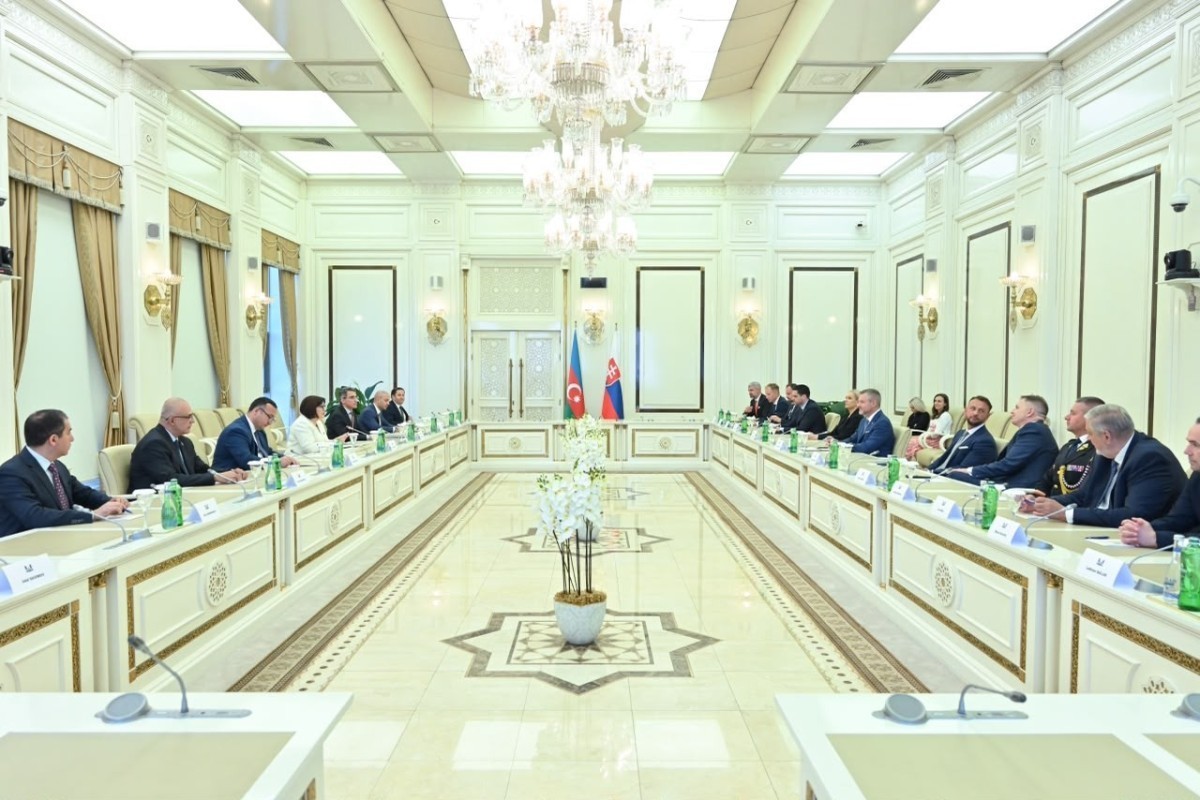
Speaker of Azerbaijan's Parliament meets with Slovak President
18:30
 15 July 2026
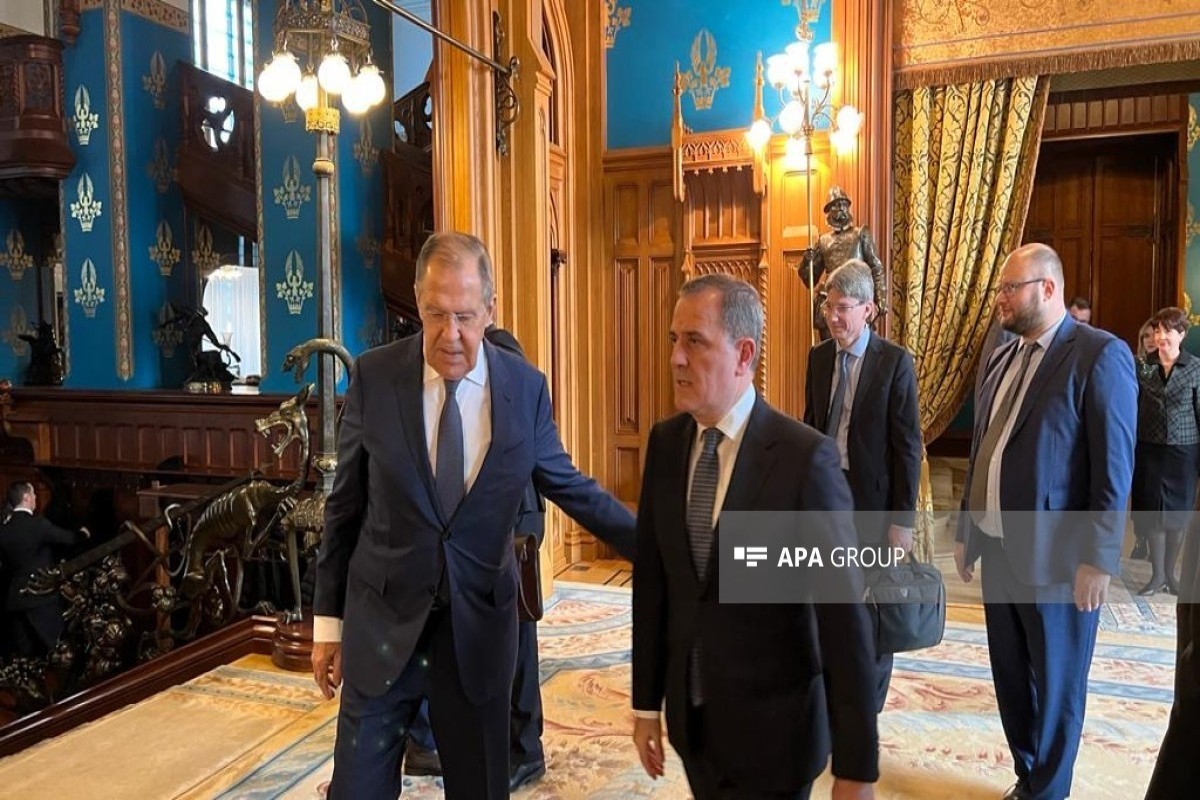
Azerbaijani and Russian foreign ministers to hold talks in Moscow
17:00
15 July 2026
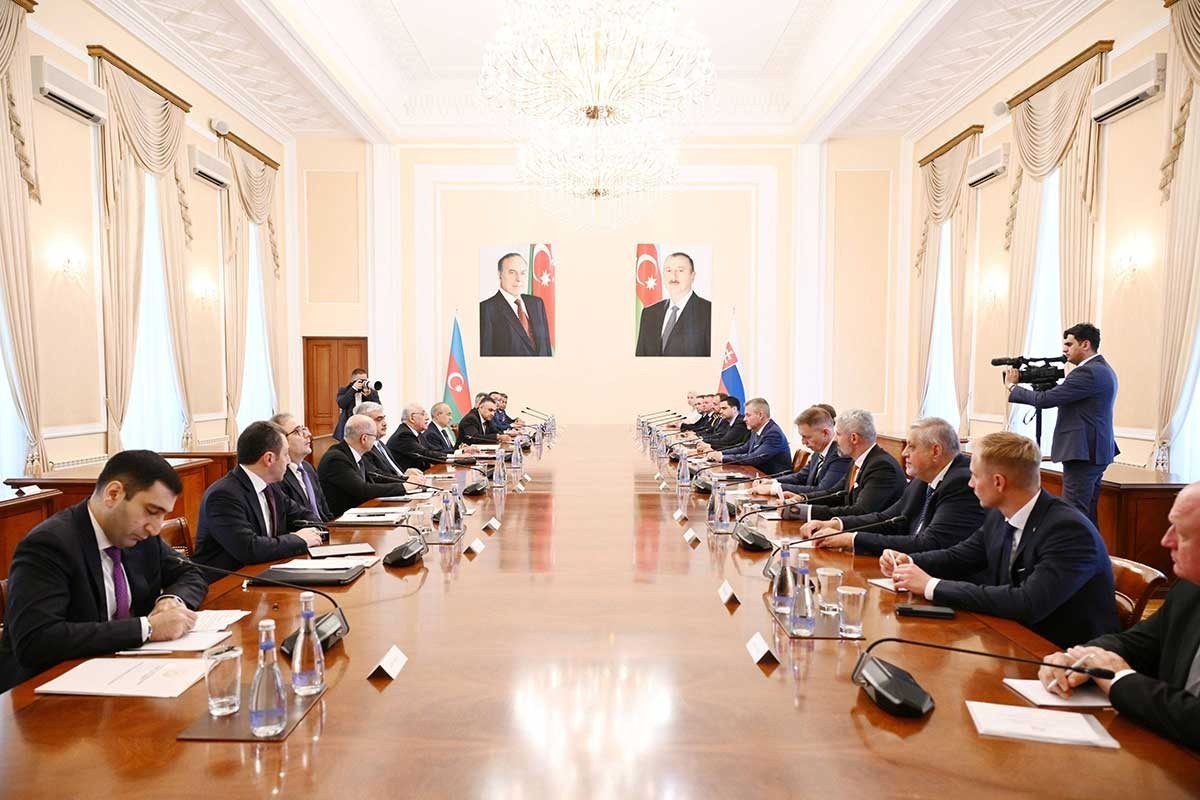
Azerbaijani PM, Slovak President discuss expanding strategic partnership - UPDATED
14:53
15 July 2026
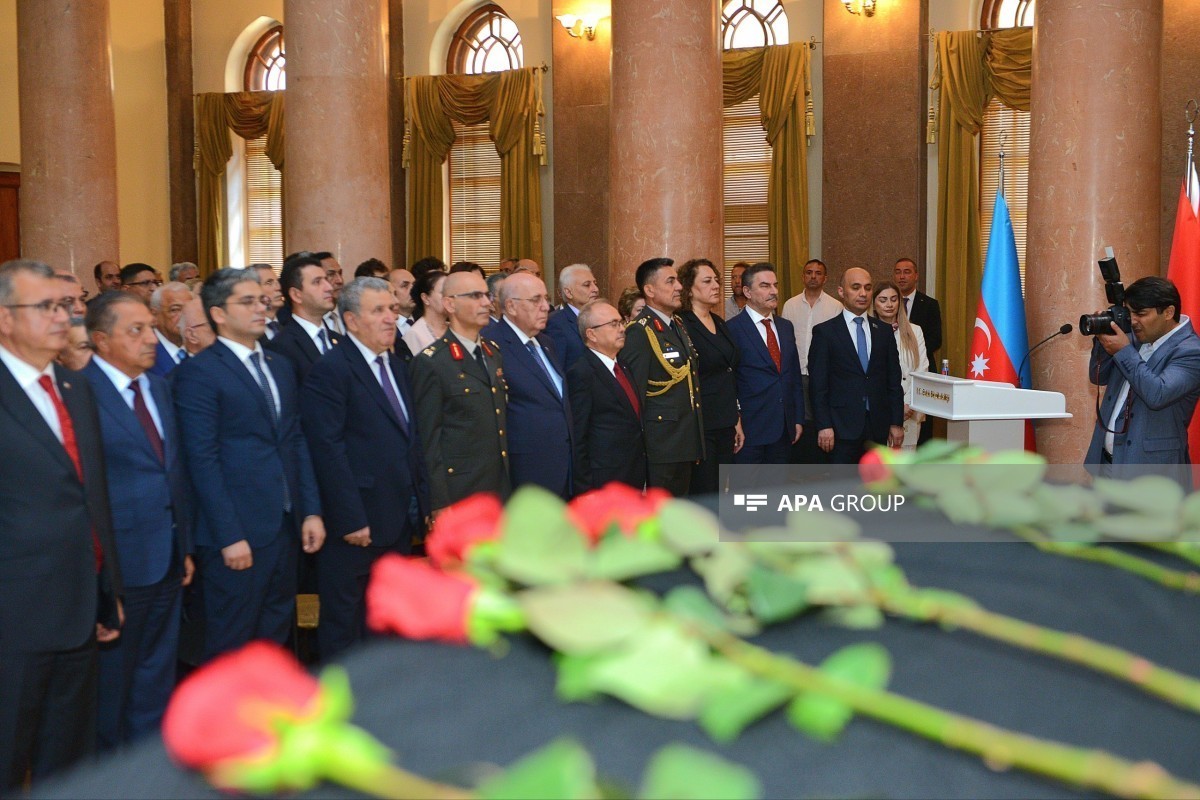 PHOTO'>
Commemoration event held in Baku to mark Türkiye's July 15 Democracy and National Unity Day - PHOTO
12:01
15 July 2026

NEWS FEED
Galatasaray bids farewell to Mauro Icardi after four seasons
02:44
16 July 2026
Lionel Messi fuels Argentina’s stunning late rally past England into World Cup final
01:54
16 July 2026
Trump says sets no deadline for expanding strikes on Iran
00:47
16 July 2026
US not to conduct ground operation to change Iran’s government — Vance
00:28
Audio
16 July 2026
US launches second wave of Wednesday strikes against Iran
23:35
Audio
15 July 2026
Iran sees no reason to comply with agreement with US
23:21
15 July 2026
EU ambassadors fail to agree on 21st package of anti-Russia sanctions
22:41
15 July 2026
Ghalibaf says Iran must fight while pursuing diplomacy
22:24
Audio
15 July 2026
Euronews: The future of journalism debated at the 4th Shusha Global Media Forum
22:18
15 July 2026
Merz warned the US against interfering in German elections
21:22
15 July 2026
US wants to use private investment to help other countries
20:55
15 July 2026
Iran says no US talks planned, focus remains on defense
20:35
15 July 2026
US issues new non-proliferation sanctions against those tied with Iran and Russia
19:43
15 July 2026
US attacks Iran's Hengam Island
19:19
15 July 2026
Trump: It would be good if Israel withdrew from Lebanon and Syria
18:34
15 July 2026
Turkmen President to pay official visit to Georgia
18:32
15 July 2026
Speaker of Azerbaijan's Parliament meets with Slovak President
18:30
15 July 2026
Slovak President Peter Pellegrini concludes visit to Azerbaijan
18:20
15 July 2026
President of Slovakia visits See Breeze Resort
18:18
15 July 2026
Russia says foreign troops sent to Ukraine after a peace deal would be legitimate targets
18:13
15 July 2026
CENTCOM says two ships changed course after attempting to breach Iran blockade
17:46
15 July 2026
More than 15 hospitalized in suspected food poisoning incident in Samukh
17:37
15 July 2026
Azerbaijani and Russian foreign ministers to hold talks in Moscow
17:00
Audio
15 July 2026
Iranian FM Abbas Araghchi departs for Qatar to offer condolences
16:38
15 July 2026
President Ilham Aliyev approves amendments to state oversight of children's rights
16:36
15 July 2026
DPA: Armed man opens fire at police officers in Dresden
16:32
15 July 2026
Trump says Russia ready to reach agreement with Ukraine soon
16:13
15 July 2026
Azerbaijan approves 2026–2030 National Action Plan to combat human trafficking - ORDER
16:10
15 July 2026
CENTCOM: Military facilities on Iran's Greater Tunb Island targeted in 90-minute operation - UPDATED
16:08
15 July 2026
Russian-born American investor appointed to lead TRIPP+ Fund
15:54
15 July 2026
Azerbaijan exports $6.2 billion worth of oil to more than 10 countries this year - LIST
15:43
15 July 2026
Azerbaijani Foreign Ministry urges citizens to avoid Black Sea conflict risks - STATEMENT
15:26
Audio
15 July 2026
Azerbaijan discusses medium-term fiscal policy with IMF
15:18
15 July 2026
Value of Azerbaijan's exports to Armenia in six months revealed
15:14
15 July 2026
Midnight social media curfew and limits to infinite scrolling proposed for older UK teens
15:11
15 July 2026
Azerbaijan's foreign trade surplus nearly sixfold in H1
15:10
15 July 2026
Zelenskyy: Ukraine produces 10 million drones annually, output to double to 20 million
15:04
15 July 2026
Power restrictions introduced in Tehran amid rising demand and damaged grid
14:55
15 July 2026
Azerbaijani PM, Slovak President discuss expanding strategic partnership - UPDATED
14:53
15 July 2026
17 injured as two passenger buses collide near Prague
14:35
15 July 2026
Kremlin says it is analyzing Trump's statements on new sanctions against Russia
14:34
15 July 2026
SSPF chief: Around AZN 900 million in social payments made to 2.2 million citizens each month
14:27
15 July 2026
EU seals deal for drone production with Ukraine
14:26
15 July 2026
Peskov: No messages sent to Zelenskyy through Vučić
14:25
15 July 2026
Russian guided bombs kill 3 in Sumy region
14:21
15 July 2026
Azerbaijan-Slovakia business forum held in Baku - PHOTO - UPDATED
14:19
15 July 2026
U.S. marine biologist shot dead in Philippines
14:01
15 July 2026
Armenian government to discuss ratification of TRIPP agreement with US
13:23
15 July 2026
Azerbaijan's Supreme Court upholds high treason conviction of Ivan Svetlichniy
13:22
15 July 2026
SSPF chief: Nearly AZN 11 billion paid annually in social benefits
13:15
15 July 2026


