










Baku. Habil Suleymanzadeh – APA. APA’s interview with Dag Sigurdson, UNHCR Baku representative
-Mr. Sigurdson, how do you find the refugee and IDPs problem in Azerbaijan? What’s your general assessment?
-Compared to the situation we see in other European countries, the
number of asylum seekers and refugees in Azerbaijan is relatively low.
The statistics shows that both the number of registered asylum seekers
and recognized refugees in Azerbaijan has been stable despite the many
recent large humanitarian emergencies globally. However, having to
flee your home country and finding refuge in a new country is never an
easy experience and lots can be done to reduce their hardships and in
finding solutions to their many problems. Together with the Government
of Azerbaijan, UNHCR is actively advocating for their basic rights and
in providing legal and material assistance as needed.
- During 90-s UNHCR was one of the major donors for Azeri refugees. But later the agency dropped it’sfinancial assistance due to Azerbaijan’s increasing financial resources. What’s your top priority now? Do you have currently any budget for Azerbaijani projects?
-It is correct that UNHCR implemented large programmes to assist
internally displaced persons and refugees - especially between 1992 and
2001/2002. Since 1994, UNHCR has actually provided assistance to the
value of more than 66 million USD for shelter, food, water and other
relief items to vulnerable persons living in displacement throughout
Azerbaijan. All along, UNCHR’s achievements have been the result
of the excellent cooperation and support of the Government of
Azerbaijan. Azerbaijan has seen a remarkable level of development and financial
growth over the last decade and the fact that the wellbeing and
assistance to the displaced population have been very high on the
political and budgetary agenda has resulted in the Government taking
over more and more of the assistance previously provided by UNHCR. This
is a normal evolution of UNCHR’s assistance programmes and explains
the reduction in UNHCR’s direct involvement and budgets. However,
the direct assistance to the displaced population has actually increased
as the Government financial support now goes far beyond what UNHCR’s
had financial means to provide. Today, UNHCR is complementing the
Government efforts on a couple of sectors.
What is encouraging in my work today, is that I very often meet people
from all levels of society who tell me that they have experienced
displacement and that they fondly remember and appreciates the
assistance received by UNHCR.
-A few years ago Azerbaijan closed last of emergency camp for IDPs.
But this move hasn’t resolved their problems. What do you think, how to meet the needs of IDPs, and find sustainable solutions for them, including both return and local integration?
-UNHCR’s position is always to work towards and support processes
that leads to solutions to end displacement. We are seeking a situation
where all refugees and displaced persons have the opportunity to
voluntarily return to their homes and ancestral land in safety and
dignity. Meanwhile, UNHCR remain engaged and actively promotes
activities leading to self reliance and improved living conditions while
people are living in displacement. In Azerbaijan, we are implementing
livelihoods/self reliance programmes for Internally Displaced Persons
and Refugees. Eligible beneficiaries are receiving support to set up
small businesses or being provided with vocations training which will
promote easier access to the labour market. We are also implementing
computer technology trainings to the younger IDP population. Experience
so far, is very encouraging and we have seen that many of our trained
students have easily found jobs in the fast developing commercial
sectors where computer skills are required.
-How do you deal with persons arriving in Baku from regional
countries like Iran, Pakistan, Afghanistan to apply for asylum from UN in Baku? How many people applied for asylum?
-The 1951 Refugee Convention - which we are celebrating the 60th
anniversary of this year, outlines UNHCR’s mandate and the obligations
of all signatory countries. In Azerbaijan, the prime responsibility to
manage the asylum process is taken care of by Government. We are
therefore working closely with the State Migration Service of the
Government to ensure that all asylum seekers are provided with a
thorough Refugee Status Determination procedure in accordance with
international legal standards.
The number of new arrivals seeking asylum in Azerbaijan is less than a
100 per year and has remained stable for a long period. At the moment,
UNHCR has registered and is providing assistance to some 1,700 asylum
seekers and refugees.
I must commend the Government of Azerbaijan for implementing a
relatively open asylum policy and for allowing persons of UNHCR’s
concern to stay in the country and enjoy the protection of living in a
peaceful and welcoming environment. With the history and personal
experience of the hardships of displacement close at heart of most
citizens of Azerbaijan, I think that the generosity shown to refugees
from other countries are based on genuine care and understanding.
We also see that many of the refugees who have stayed in Azerbaijan
over a longer period of time have successfully integrated in the society
by learning the language and culture. Some have married locally and are
living a normal life side by side with their local neighbours.
However, there is always room for improvements and UNHCR is advocating
for a higher legal recognition rate and easier access to some basic
services. This is a constructive and necessary dialogue that UNHCR is
having in all countries where we operate. With Azerbaijan joining the
Eastern Partnership Programme with the European Union, UNHCR welcomes
the opportunity to further enhance and strengthen the cooperation with
the Government on strengthening and developing the asylum procedures.
-How do you deal with statelessness in Azerbaijan?
UNHCR also has been given an international mandate to deal with the
problems concerning Stateless Persons. In Azerbaijan we do not know the
full extent of this problem at the moment. The break up of the old
Soviet State and transition to new national documentation requirements
resulted in some problems for a number of persons. I have to mention
that Azerbaijan has a very good record on taking action to prevent
statelessness. Refugees arriving from Armenia in the early 90ties were
granted Azerbaijan citizenship and the experience with the 50.000
Meshken Turks who were also given nationality are excellent examples how
the problem of statelessness can be relatively easily prevented.
However, in our work with refugees and IDP’s we frequently come
across individuals who have problems with their documentation which
could in a worst case scenario lead to de-facto statelessness. We are
therefore actively trying to help these individuals to obtain the
necessary documentation through our legal Aid programmes. As the 1961
statelessness convention which Azerbaijan is also a signatory to is
celebrating its 50th Anniversary this year, we hope to join the
Government in having a closer look at the situation to identify, address
and prevent the problem of statelessness in Azerbaijan.
Dag Sigurdson, UNHCR Baku representative: We support processesthat lead to solutions to end displacement- INTERVIEW

 21 October 2011 08:32 (UTC +04:00)


 İDMAN XƏBƏR
 Follow us on Telegram
 t.me/apanewsaz
 Follow us on Instagram
 Follow us on TikTok
 Follow us on Facebook
 Follow us on X
Foreign
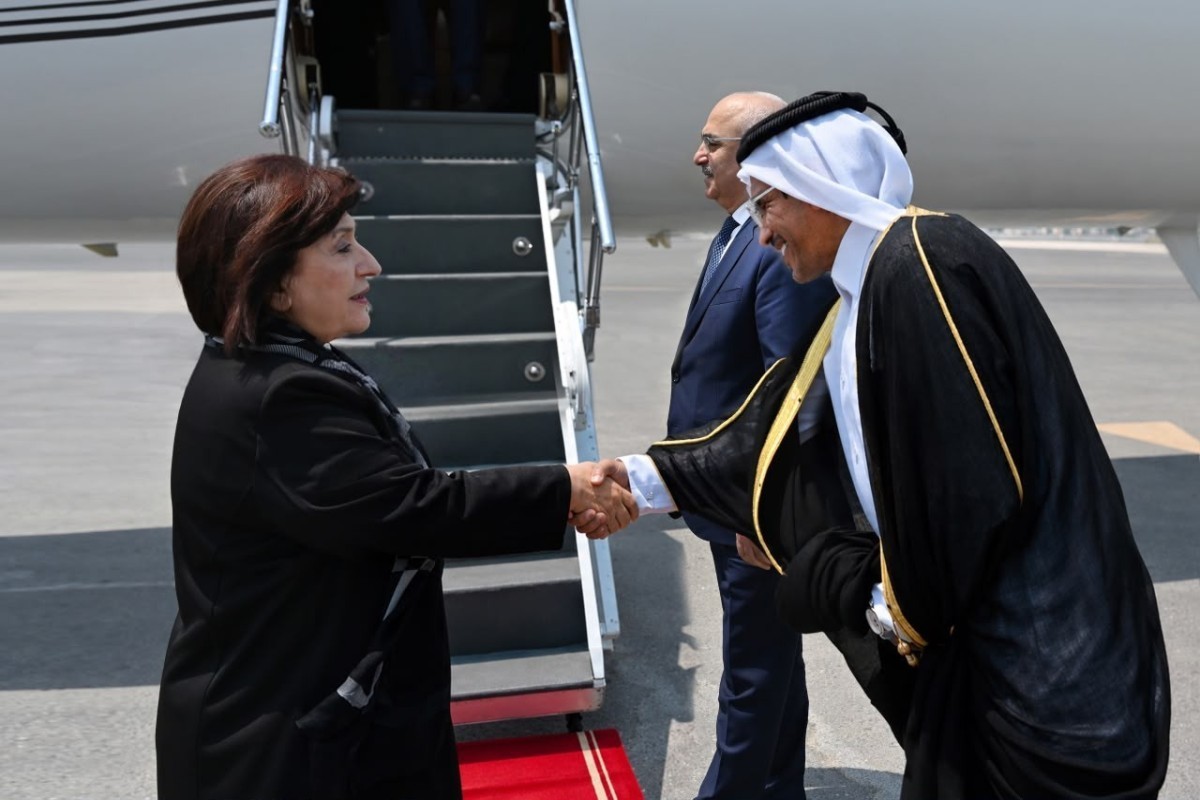 UPDATED'>
Speaker Sahiba Gafarova visits Qatar to offer condolences over former Emir's passing - UPDATED
16:55
 14 July 2026

CICA deputy secretary general: October summit in Baku will mark a new stage in the organization's development
12:07
14 July 2026
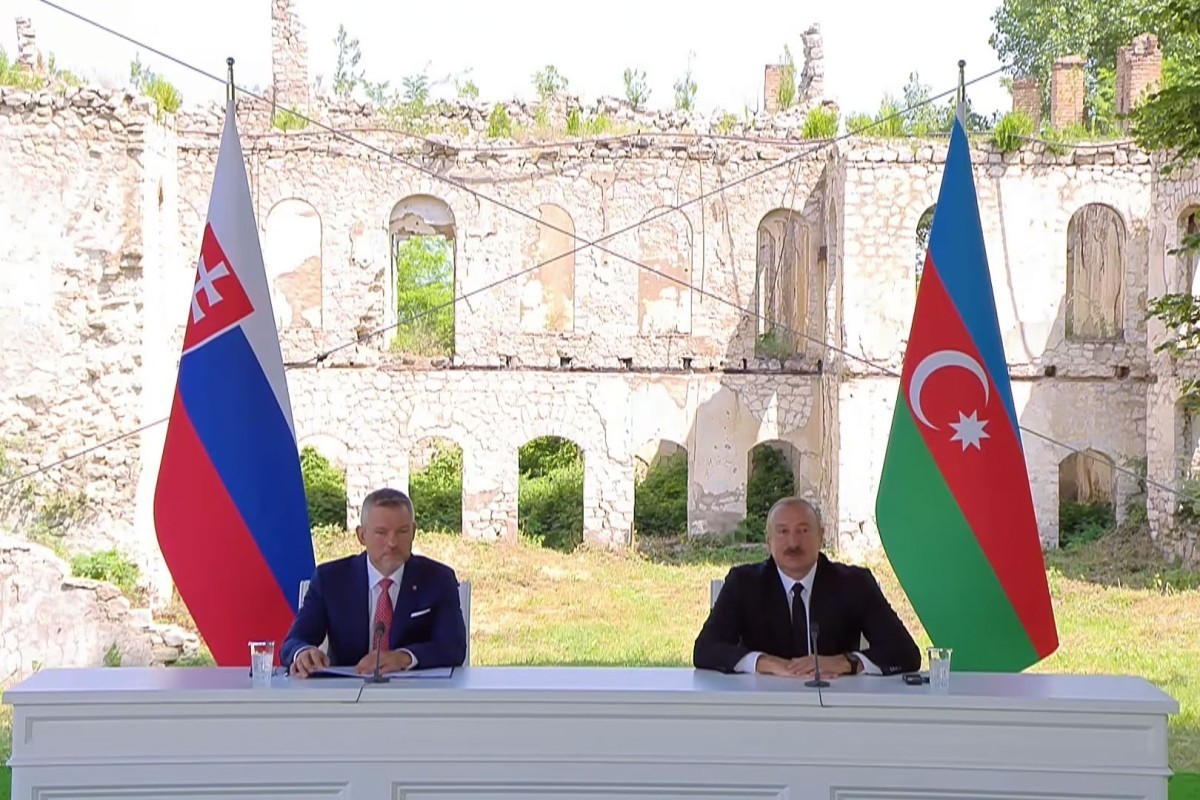
Pellegrini: Every visit to Azerbaijan has advanced my political career
11:37
14 July 2026
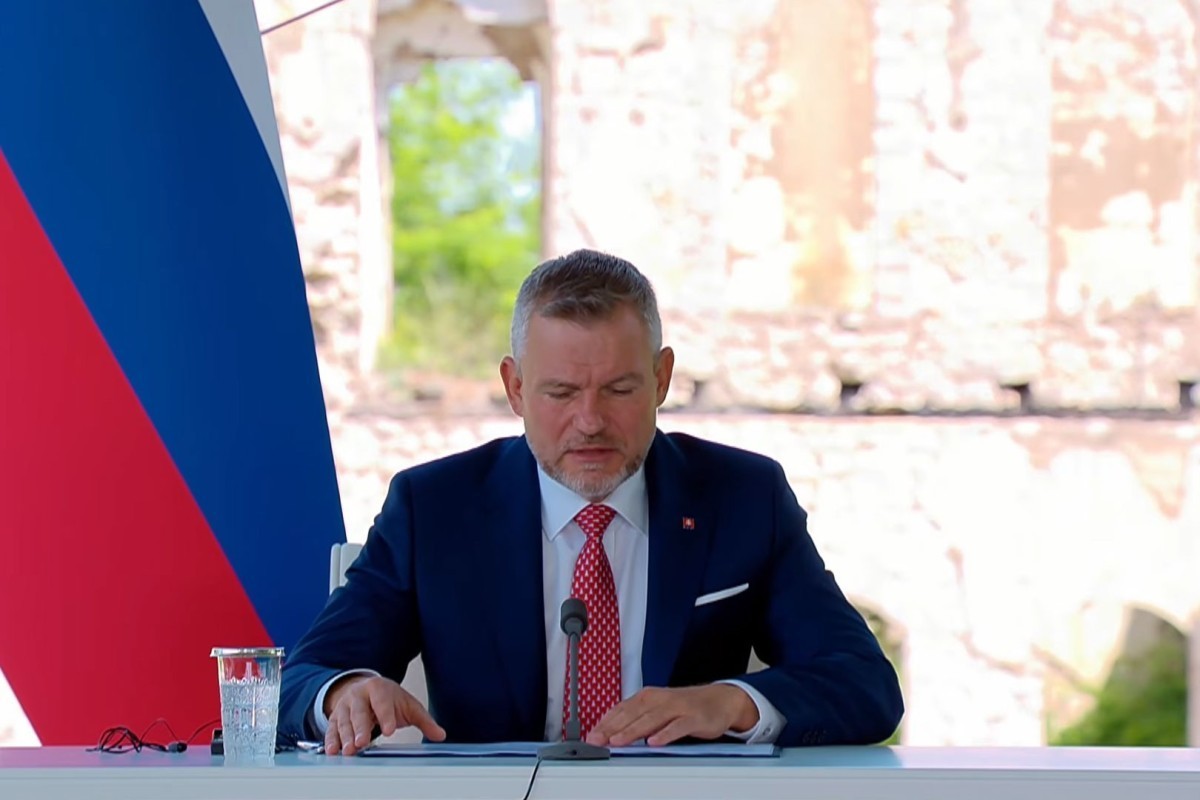
Slovak President: Security cooperation with Azerbaijan is expanding
11:27
14 July 2026

NEWS FEED
Official luncheon hosted in Khankendi on behalf of President Ilham Aliyev in honor of Slovak President
20:43
14 July 2026
President Ilham Aliyev’s social media accounts shared post about Peter Pellegrini's visit to Azerbaijan
20:29
14 July 2026
Kuwaiti army: Enemy aerial targets are being neutralized
19:45
14 July 2026
Trump: US to impose full blockade on Iran-linked ships
19:21
14 July 2026
Trump abandons plan to charge 20% fee on ships passing through Strait of Hormuz
19:14
14 July 2026
180 Iranian lawmakers call for end to MoU with the US: state media
18:51
14 July 2026
Interpol-wanted Azerbaijani citizen detained in Montenegro, to be extradited
18:43
14 July 2026
Appeal hearing on complaints filed by Armenian citizens continues
18:33
14 July 2026
Netanyahu to Iran’s leaders: We will respond to any attacks on Israel with ‘far more power’
18:04
14 July 2026
Istanbul court issues int’l warrant for Netanyahu over Gaza flotilla
17:53
14 July 2026
Azerbaijan extradites internationally wanted Turkmen citizen
17:46
14 July 2026
Russia says it struck two Ukrainian bulk carriers and a tanker near Odesa
17:46
14 July 2026
'Revenge is inevitable' — Ukraine sinks Russian border guard ship involved in 2018 Kerch Strait attack
17:34
14 July 2026
Slovakia seeks long-term gas supply agreement with Azerbaijan
17:23
14 July 2026
Several dead in fire at Brussels construction site, authorities say
17:09
14 July 2026
Speaker Sahiba Gafarova visits Qatar to offer condolences over former Emir's passing - UPDATED
16:55
14 July 2026
Ukraine's parliament dismisses prime minister, paving way for government reshuffle
16:26
14 July 2026
Presidents of Azerbaijan and Slovakia delivered press statements - PHOTO - VIDEO - UPDATED-1
15:49
14 July 2026
Georgia plans to deport at least 4,000 illegal migrants this year
15:44
14 July 2026
Kyrgyzstan temporarily bans exports of petroleum products
15:25
14 July 2026
Explosions rock Iran, fatalities reported - UPDATED - 1
15:14
14 July 2026
Lavrov: Russia expects Türkiye to send strong signal to Ukraine over attacks on Turkish vessels
15:12
14 July 2026
European Commission President to visit Kyiv on Tuesday
14:48
14 July 2026
Shusha Global Media Forum in PHOTOS
14:47
14 July 2026
Peskov: Security guarantees for Ukraine cannot be formulated without Russia
14:40
14 July 2026
Ukraine extends martial law and general mobilization until October 31
14:15
14 July 2026
Kremlin: Security guarantees for Ukraine cannot be shaped without Russia's participation
14:14
14 July 2026
Azerbaijani and Slovak Presidents review reconstruction work in Aghdam's Bash Garvand village - PHOTO
14:13
14 July 2026
Kremlin rejects UK and EU allegations over cyberattacks
14:12
14 July 2026
Russian ambassador summoned to Moldovan Foreign Ministry after drone crash
14:10
14 July 2026
Ukrainian drones reach last major Russian refinery untouched in 2026
13:56
14 July 2026
Presidential Assistant Hikmet Hajiyev meets with delegation of D-8 Economic Cooperation Organization in Shusha
13:40
14 July 2026
Video of Slovak President's visit to Shusha shared on President Ilham Aliyev's social media account
13:11
14 July 2026
Sixth round of Israel-Lebanon talks set to begin in Rome
13:10
14 July 2026
55 Iranian fishermen detained in UAE to be repatriated
13:07
14 July 2026
4th Shusha Global Media Forum concludes
13:04
14 July 2026
Peace in Ukraine unlikely to be reached soon, Polish PM says
13:03
14 July 2026
President Ilham Aliyev held expanded meeting with Slovak President in Shusha - PHOTO - UPDATED
12:39
14 July 2026
Erdoğan: Turkish people's courage on July 15 is unparalleled in the history of world democracy
12:31
14 July 2026
Presidents Ilham Aliyev and Peter Pellegrini viewed bullet-riddled busts of Azerbaijan’s prominent figures in Shusha
12:25
14 July 2026
Former Iranian President Ahmadinejad denies report alleging Mossad contacts
12:17
14 July 2026
Azerbaijan's Milli Majlis concludes extraordinary session
12:15
14 July 2026
Iran says oil exports continue despite cancellation of US waivers
12:10
14 July 2026
Role of media diplomacy discussed at 4th Shusha Global Media Forum - PHOTO
12:10
14 July 2026
New Delhi summons Iranian deputy ambassador over killing of Indian sailor in Hormuz attack
12:07
14 July 2026
CICA deputy secretary general: October summit in Baku will mark a new stage in the organization's development
12:07
14 July 2026
TuranBank attracted funds in local currency from international funds to finance business
12:00
14 July 2026
Tanker hit by missile in Strait of Hormuz, maritime agency says
12:00
14 July 2026
AI's impact on media discussed at Shusha Global Media Forum - PHOTO
11:58
14 July 2026
Azerbaijan moves to add e-cigarettes to list of items prohibited from civil circulation
11:58
14 July 2026


