










Baku. Habil Suleymanzade. APA’s interview with US Deputy Assistant Secretary for European and Eurasian Affairs Eric Rubin
-Mr. Rubin, how do you find US-Azeri relations currently? What are the US priorities in Azerbaijan?
The United States values its strategic partnership with Azerbaijan, which is based on shared interests in security (especially a peaceful settlement of the Nagorno Karabakh conflict, counter-terrorism, and Afghanistan), energy, and democratic and economic reform. Ambassador Bryza recently noted that the U.S.-Azerbaijani “strategic partnership is strong and is getting strongerâ€. I couldn’t agree more.
The United States deeply appreciates Azerbaijan’s contributions to international security efforts. Azerbaijani troops have stood shoulder-to-shoulder with U.S. troops in Iraq, Kosovo, and Afghanistan, where 90 Azerbaijani troops currently serve. Azerbaijan continues to play a key role on transportation of troops and non-lethal supplies in support of the international effort in Afghanistan.
The U.S. also supports Azerbaijan’s current efforts to help our European allies diversify their natural gas supplies.
As Secretary Clinton said when she visited Baku last year, our closest relationships are with democratic states that respect the full range of human rights of its citizens. The United States believes that Azerbaijan’s future prosperity and stability are best served by continued democratic and economic reform. Azerbaijan’s progress on reform is the key to strengthening our bilateral relationship and to its own stability.
- Recently, the European Union revealed its intention to start talks with Azerbaijan over construction of a Trans Caspian Pipeline to bring natural gas from the Caspian region to western markets. But Russia criticized this move. What is the U.S. view on the project?
The United States supports the development of a robust and competitive energy sector in the Caspian region and beyond. Competition and multiple export routes to market are in the interests of the United States, Azerbaijan, and other Caspian energy producing nations. A Trans Caspian Pipeline would contribute positively to the development of the Caspian energy sector and to the diversification of Europe’s energy supplies, but this is an issue for the European Union, Azerbaijan, and Turkmenistan to decide.
- The Southern Corridor is a key plank in the diversification of European Energy supplies. Why does this matters to the US? What should be done to make the Southern Corridor a reality?
The diversification of suppliers, transportation routes, and markets enhances the economic and energy security of producer, transit, and consumer countries. The United States has consistently supported the development of the Southern Corridor. It generates prosperity for, and strengthens the independence of, our energy producing allies in the Caspian region. It also bolsters the energy security of our European allies and strengthens their cooperation with each other.
To make the Southern Corridor a reality, however, Azerbaijan and Turkey must finalize a gas transit agreement. We have urged the two sides to complete their negotiations and sign the agreement as soon as possible. No matter which export route is ultimately chosen, new gas sources will flow westward through new routes.
-A long-standing conflict between Azerbaijan and Armenia over Karabakh has been a major problem for Azerbaijan. The latest talks between the sides have failed, as US and other mediators are keen to find a peaceful solution. Do you see any chance to reach peace agreement in the near future? Do you see any international example for autonomy, which might be introduced in Karabakh in order to resolve the conflict?
The United States remains committed to working with the parties, as a Co-Chair of the OSCE Minsk Group, to achieve a lasting and peaceful settlement of the Nagorno-Karabakh conflict based upon three core principles of the Helsinki Final Act: the non-use or threat of force, territorial integrity of states, and equal rights and self-determination of peoples.
While the Basic Principles were not finalized in Kazan, Presidents Aliyev and Sargsian, in their joint statement with President Medvedev following the Kazan Summit, noted that they reached mutual understanding on a number of issues. They also agreed to continue to work on the Basic Principles as a framework for a comprehensive peace settlement. With the assistance of the OSCE Minsk Group Chairs, the parties continue to work to find common ground. The United States remains engaged in the Minsk Group process -- at the highest levels -- to assist the sides in clarifying their positions and bridging the differences needed to reach agreement.
There is no military solution to the conflict. Only a negotiated settlement can lead to long-term peace and stability, opening new opportunities for regional development and cooperation.
US Deputy Assistant Secretary for European and Eurasian Affairs Eric Rubin: “Our aim is to achieve a lasting and peaceful settlement of the Nagorno-Karabakh conflict based upon three core principles of the Helsinki Final Act†– EXCLUSIVE - INTERVIEW

 06 October 2011 11:02 (UTC +04:00)


 İDMAN XƏBƏR
 Follow us on Telegram
 t.me/apanewsaz
 Follow us on Instagram
 Follow us on TikTok
 Follow us on Facebook
 Follow us on X
Foreign
 UPDATED'>
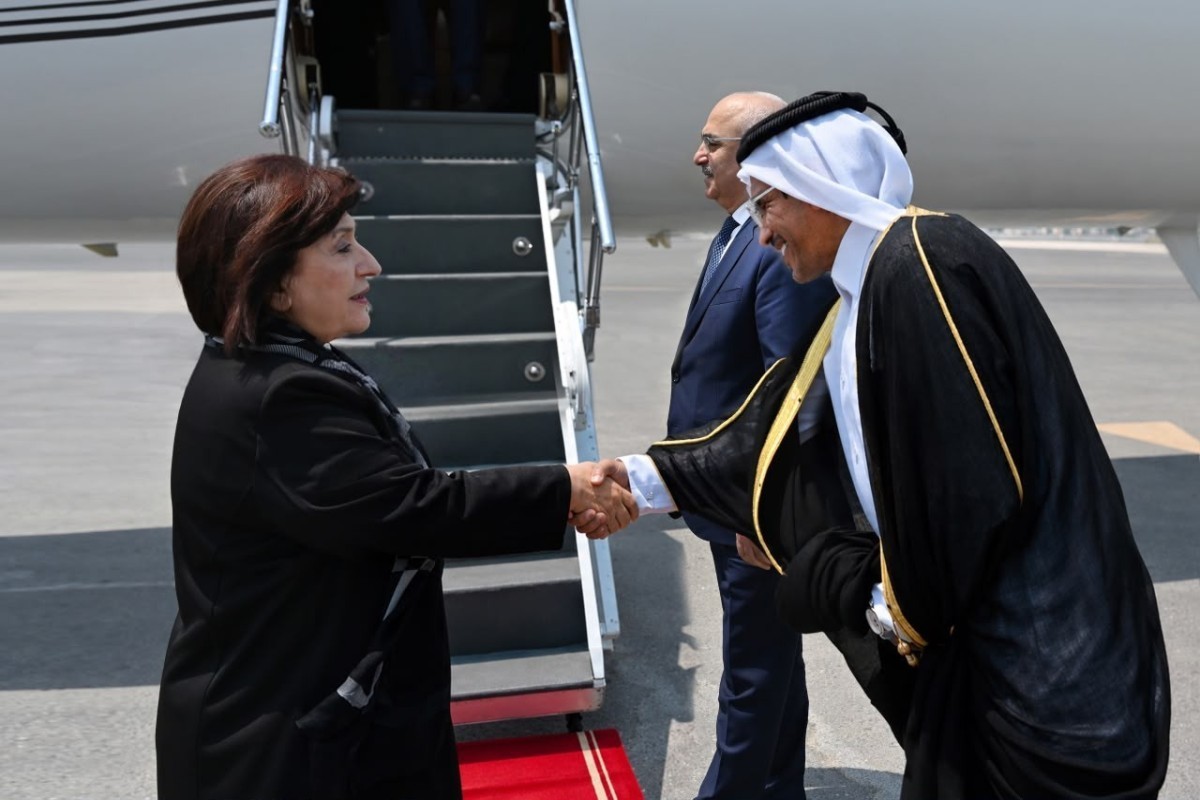
Speaker Sahiba Gafarova visits Qatar to offer condolences over former Emir's passing - UPDATED
16:55
 14 July 2026
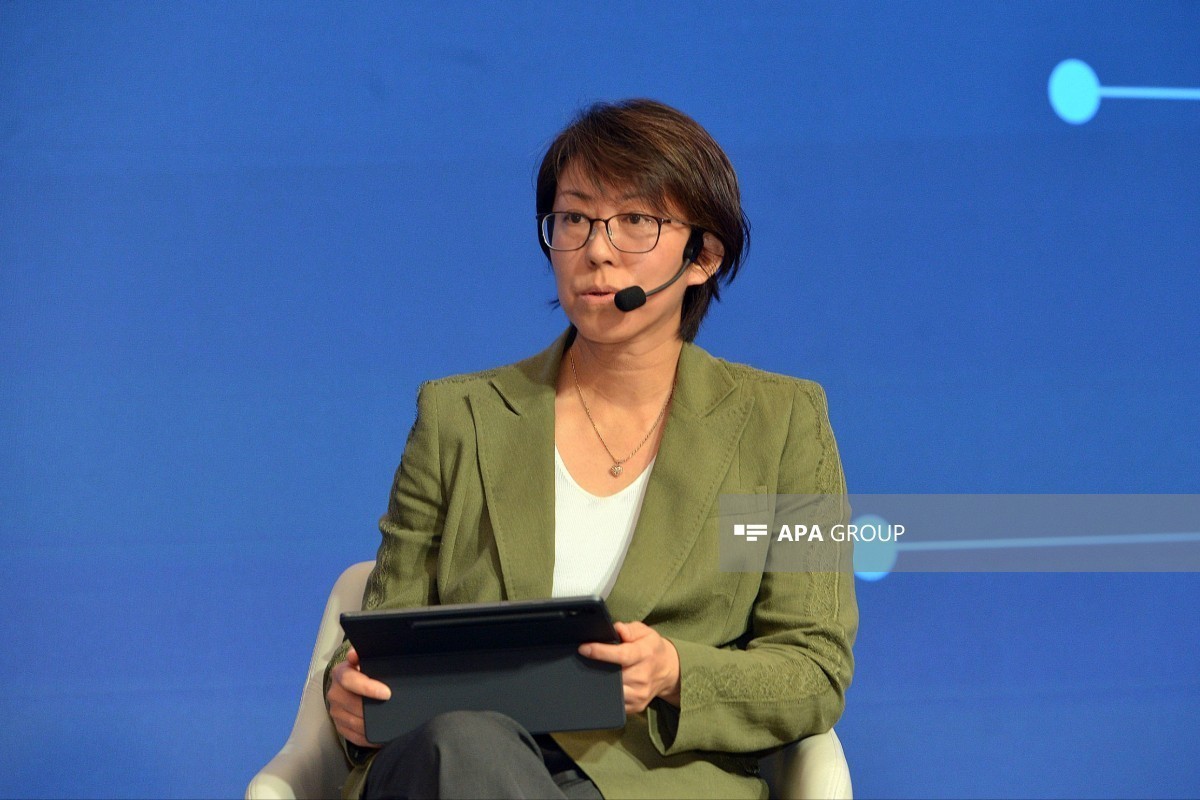
CICA deputy secretary general: October summit in Baku will mark a new stage in the organization's development
12:07
14 July 2026
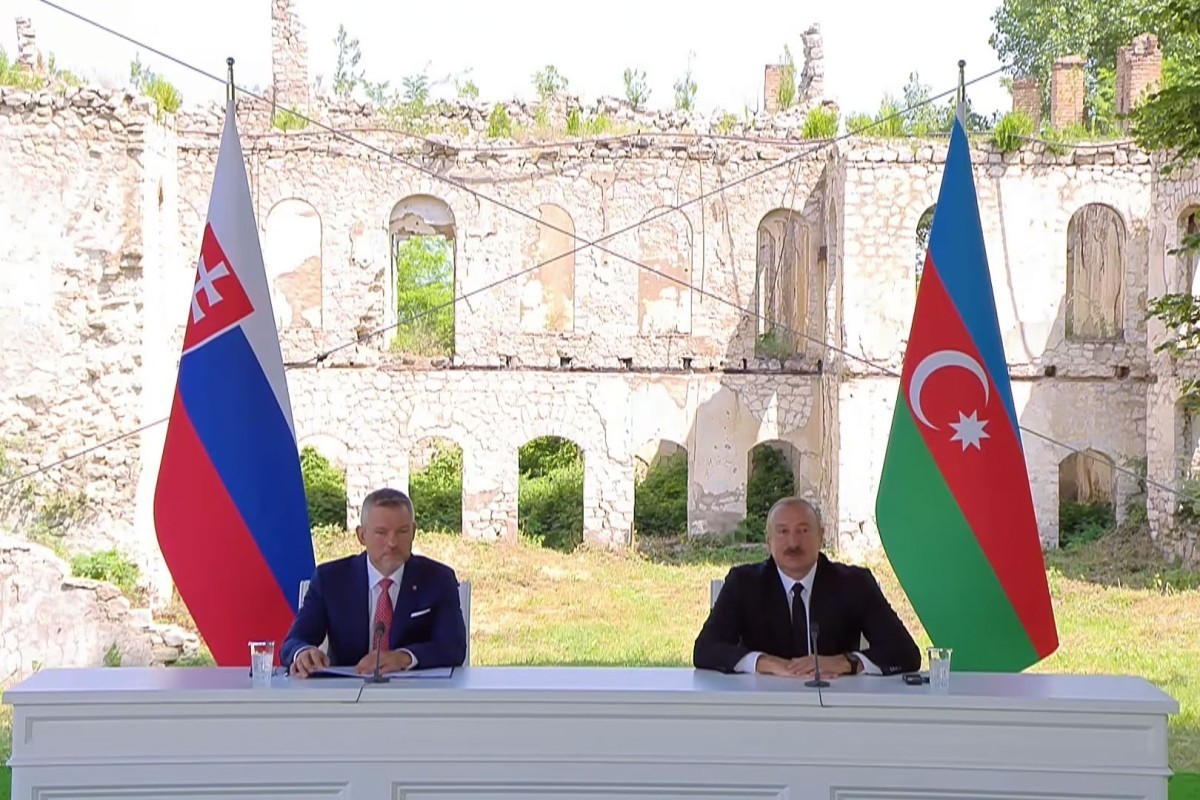
Pellegrini: Every visit to Azerbaijan has advanced my political career
11:37
14 July 2026
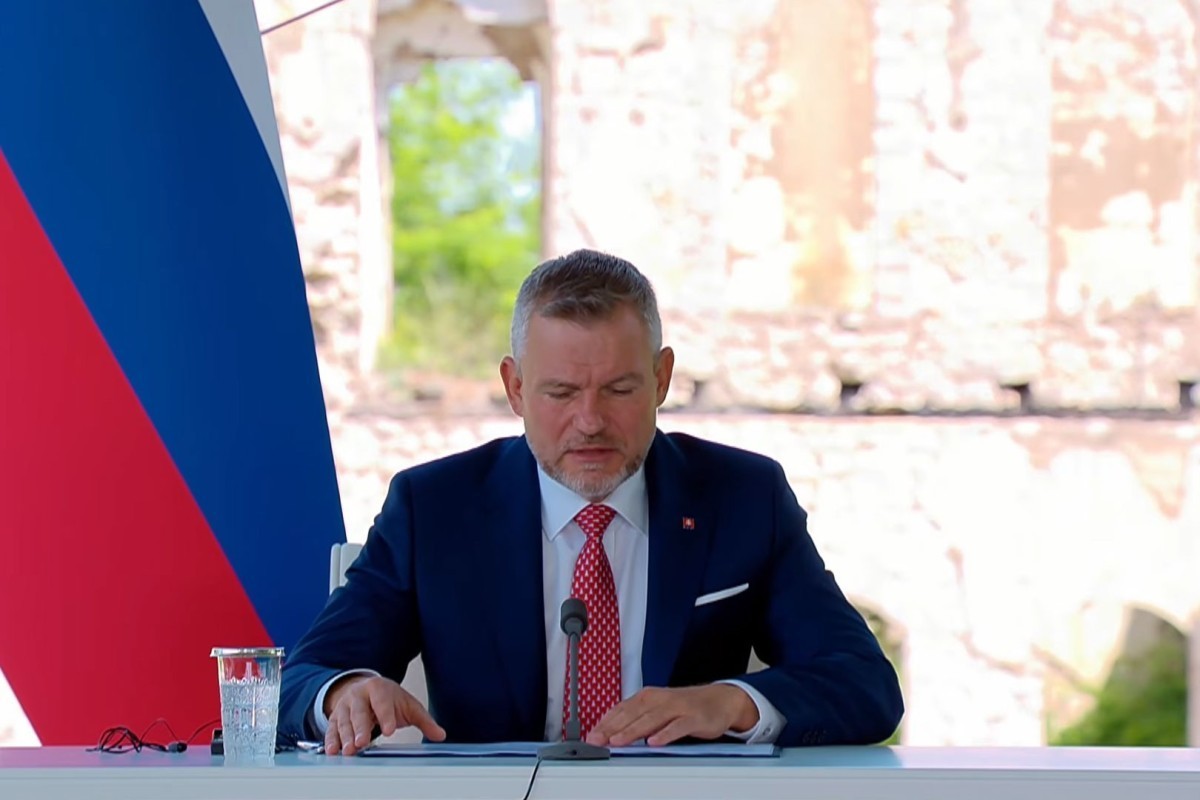
Slovak President: Security cooperation with Azerbaijan is expanding
11:27
14 July 2026

NEWS FEED
Netanyahu to Iran’s leaders: We will respond to any attacks on Israel with ‘far more power’
18:04
14 July 2026
Istanbul court issues int’l warrant for Netanyahu over Gaza flotilla
17:53
14 July 2026
Azerbaijan extradites internationally wanted Turkmen citizen
17:46
14 July 2026
Russia says it struck two Ukrainian bulk carriers and a tanker near Odesa
17:46
14 July 2026
'Revenge is inevitable' — Ukraine sinks Russian border guard ship involved in 2018 Kerch Strait attack
17:34
14 July 2026
Slovakia seeks long-term gas supply agreement with Azerbaijan
17:23
14 July 2026
Several dead in fire at Brussels construction site, authorities say
17:09
14 July 2026
Speaker Sahiba Gafarova visits Qatar to offer condolences over former Emir's passing - UPDATED
16:55
14 July 2026
Ukraine's parliament dismisses prime minister, paving way for government reshuffle
16:26
14 July 2026
Presidents of Azerbaijan and Slovakia delivered press statements - PHOTO - VIDEO - UPDATED-1
15:49
14 July 2026
Georgia plans to deport at least 4,000 illegal migrants this year
15:44
14 July 2026
Kyrgyzstan temporarily bans exports of petroleum products
15:25
14 July 2026
Explosions rock Iran, fatalities reported - UPDATED - 1
15:14
14 July 2026
Lavrov: Russia expects Türkiye to send strong signal to Ukraine over attacks on Turkish vessels
15:12
14 July 2026
European Commission President to visit Kyiv on Tuesday
14:48
14 July 2026
Shusha Global Media Forum in PHOTOS
14:47
14 July 2026
Peskov: Security guarantees for Ukraine cannot be formulated without Russia
14:40
14 July 2026
Ukraine extends martial law and general mobilization until October 31
14:15
14 July 2026
Kremlin: Security guarantees for Ukraine cannot be shaped without Russia's participation
14:14
14 July 2026
Azerbaijani and Slovak Presidents review reconstruction work in Aghdam's Bash Garvand village - PHOTO
14:13
14 July 2026
Kremlin rejects UK and EU allegations over cyberattacks
14:12
14 July 2026
Russian ambassador summoned to Moldovan Foreign Ministry after drone crash
14:10
14 July 2026
Ukrainian drones reach last major Russian refinery untouched in 2026
13:56
14 July 2026
Presidential Assistant Hikmet Hajiyev meets with delegation of D-8 Economic Cooperation Organization in Shusha
13:40
14 July 2026
Video of Slovak President's visit to Shusha shared on President Ilham Aliyev's social media account
13:11
14 July 2026
Sixth round of Israel-Lebanon talks set to begin in Rome
13:10
14 July 2026
55 Iranian fishermen detained in UAE to be repatriated
13:07
14 July 2026
4th Shusha Global Media Forum concludes
13:04
14 July 2026
Peace in Ukraine unlikely to be reached soon, Polish PM says
13:03
14 July 2026
President Ilham Aliyev held expanded meeting with Slovak President in Shusha - PHOTO - UPDATED
12:39
14 July 2026
Erdoğan: Turkish people's courage on July 15 is unparalleled in the history of world democracy
12:31
14 July 2026
Presidents Ilham Aliyev and Peter Pellegrini viewed bullet-riddled busts of Azerbaijan’s prominent figures in Shusha
12:25
14 July 2026
Former Iranian President Ahmadinejad denies report alleging Mossad contacts
12:17
14 July 2026
Azerbaijan's Milli Majlis concludes extraordinary session
12:15
14 July 2026
Role of media diplomacy discussed at 4th Shusha Global Media Forum - PHOTO
12:10
14 July 2026
Iran says oil exports continue despite cancellation of US waivers
12:10
14 July 2026
New Delhi summons Iranian deputy ambassador over killing of Indian sailor in Hormuz attack
12:07
14 July 2026
CICA deputy secretary general: October summit in Baku will mark a new stage in the organization's development
12:07
14 July 2026
Tanker hit by missile in Strait of Hormuz, maritime agency says
12:00
14 July 2026
TuranBank attracted funds in local currency from international funds to finance business
12:00
14 July 2026
AI's impact on media discussed at Shusha Global Media Forum - PHOTO
11:58
14 July 2026
Azerbaijan moves to add e-cigarettes to list of items prohibited from civil circulation
11:58
14 July 2026
Azerbaijan to amend fine for failure to repatriate foreign currency funds, introduce exemption from liability
11:54
14 July 2026
Azerbaijan to digitalize procedures for extending foreigners' temporary stay
11:54
14 July 2026
Azerbaijan introduces fines for violations of cybersecurity requirements
11:52
14 July 2026
Administrative arrest to be imposed for repeated participation in gambling
11:52
14 July 2026
Azerbaijan determines procedure for foreign individuals and legal entities to use its aquatic bioresources
11:50
14 July 2026
Azerbaijan drafts new law to modernize fisheries sector
11:46
14 July 2026
Shusha Global Media Forum hosts session on urban narratives and media responsibility - PHOTO
11:45
14 July 2026
Donald Trump claims Iran has been brought 'Back to the Stone Ages' after US strikes
11:42
14 July 2026


