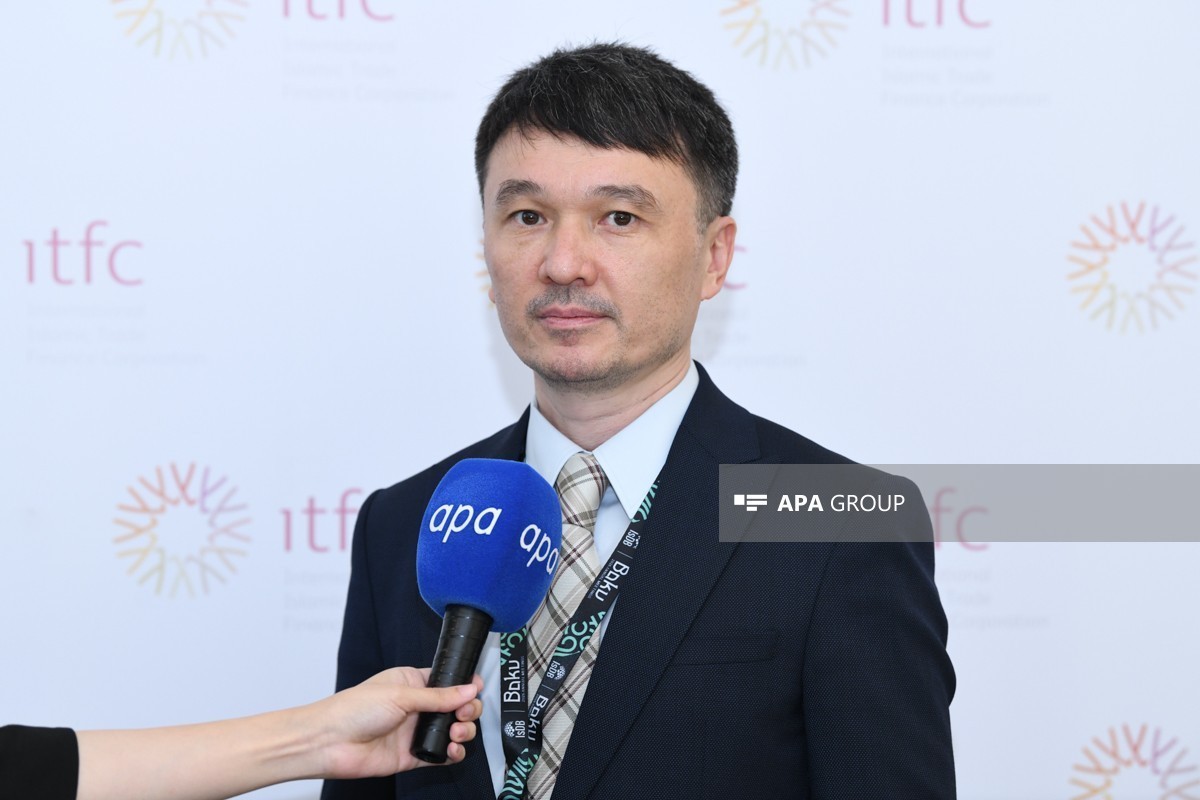

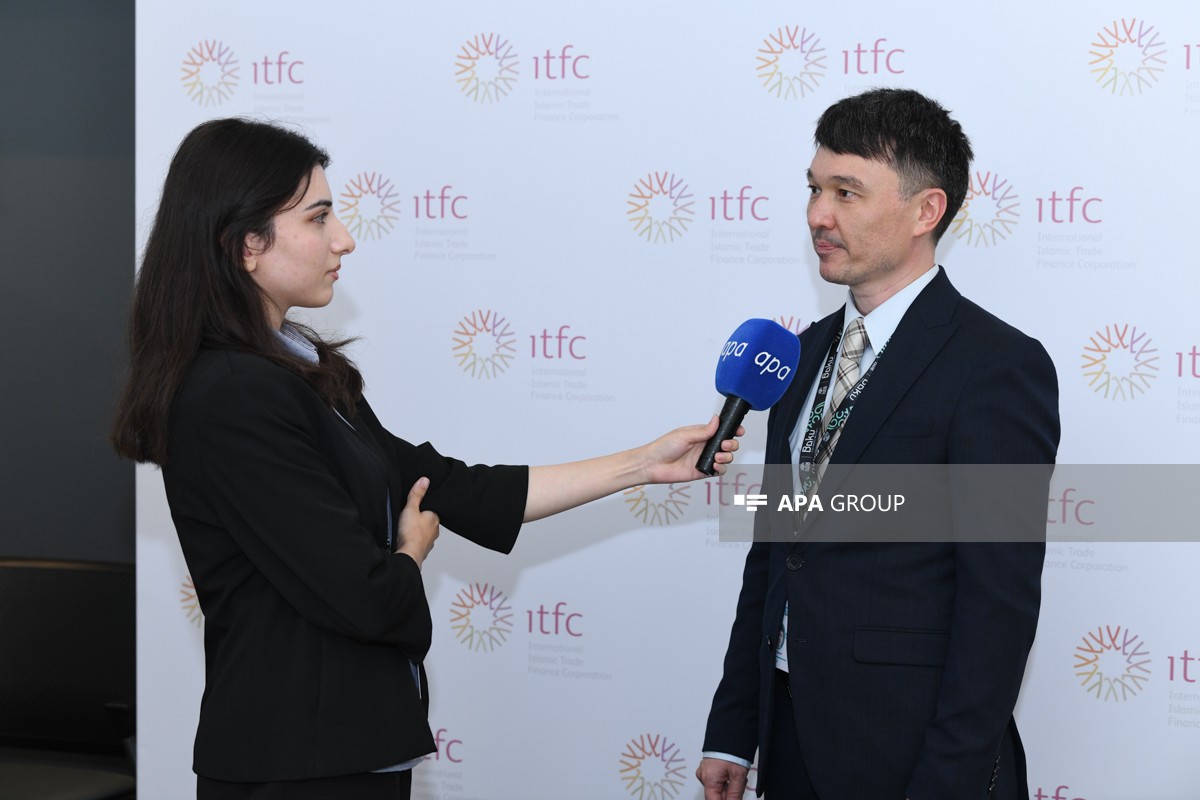
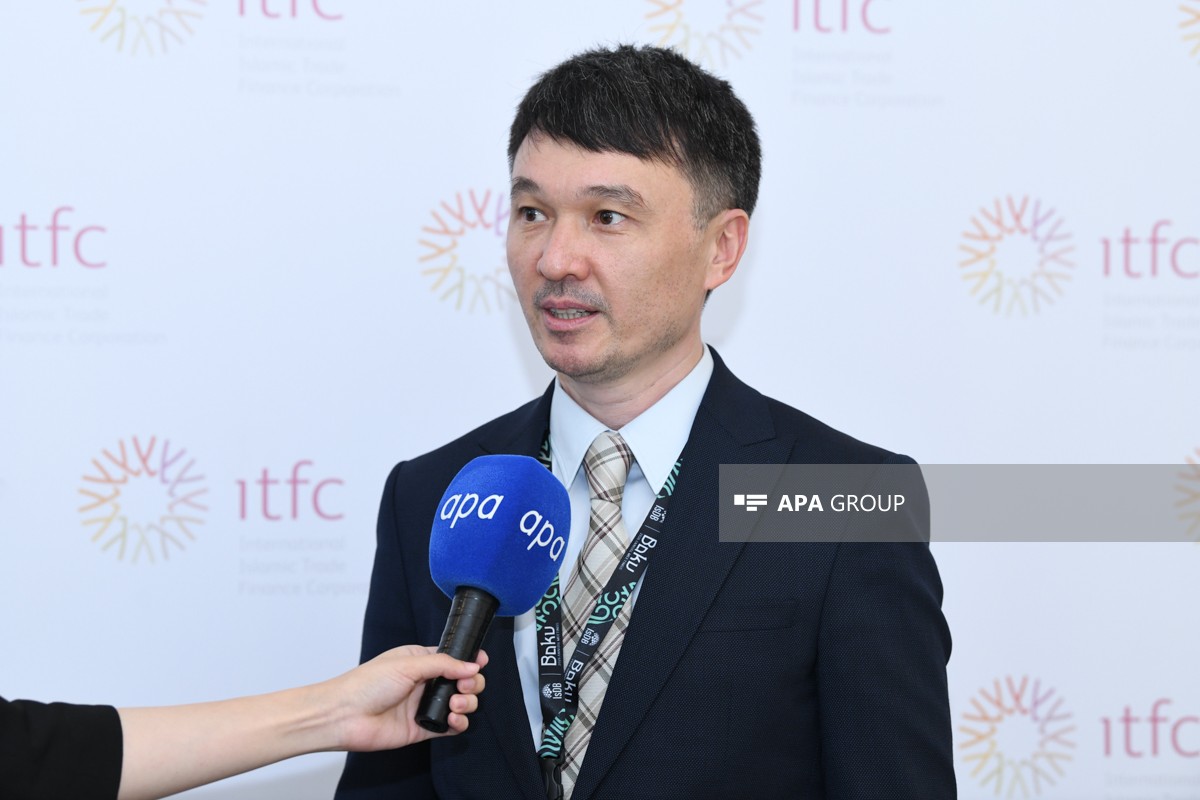
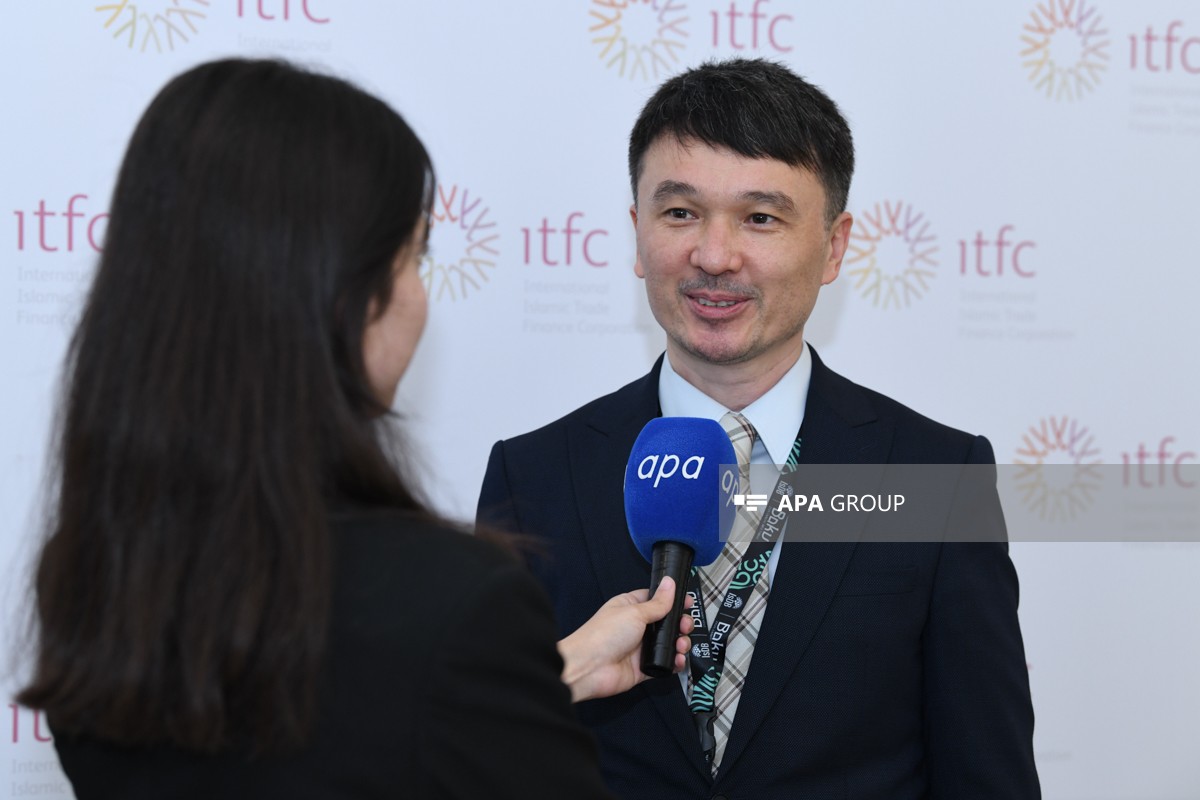
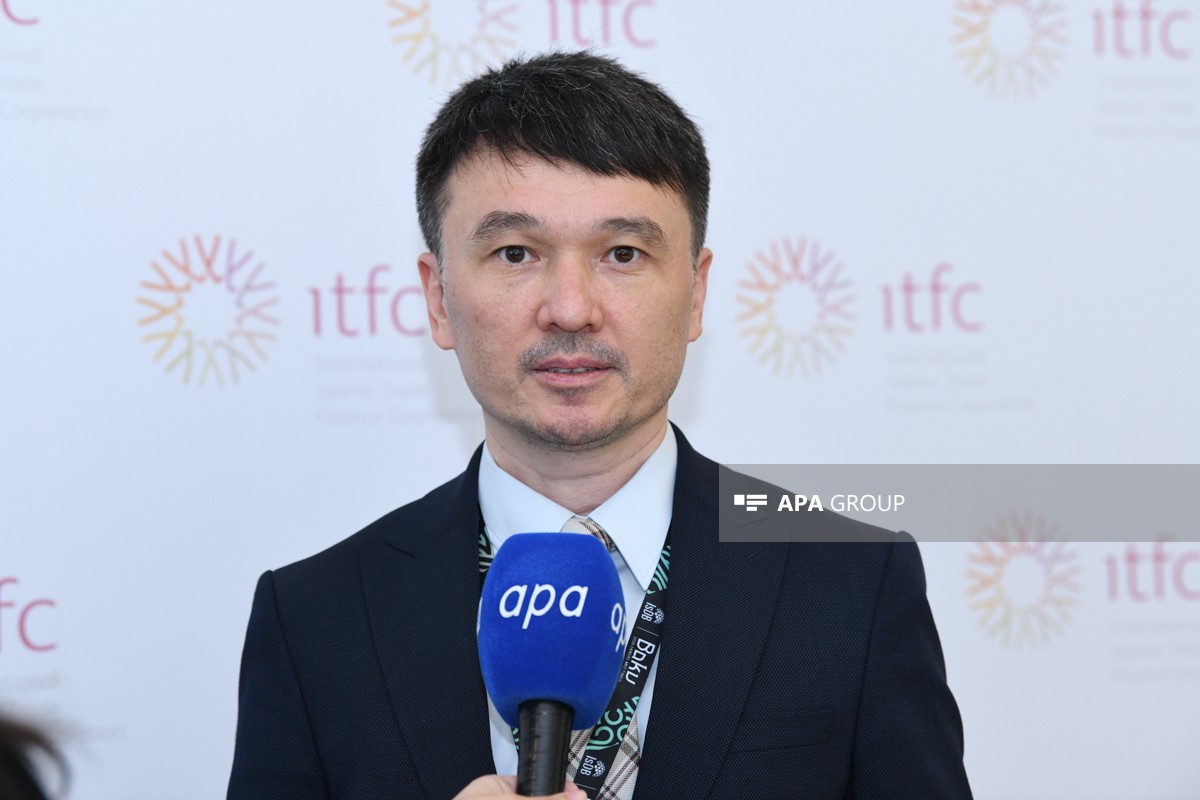
APA-Economics conducted an exclusive interview with Anvar Nigmatov, Senior Manager of Trade Finance for Türkiye and CIS countries at the International Islamic Trade Finance Corporation (ITFC).
- Since 2026, practical steps have been taken to introduce Islamic finance instruments in Azerbaijan with the support of the Islamic Development Bank Group. Several banks have already started offering Murabaha and Mudaraba products within the regulatory sandbox framework. How do you assess this process? Could you share any data on the number of applications received, the number of projects financed, and the total volume of financing provided so far? Has market demand met your expectations?
- The introduction of Islamic finance instruments through the regulatory sandbox is a highly positive and pragmatic step. This approach clearly demonstrates the commitment of the government and the Central Bank to building a sound ecosystem. At this stage, the market is still emerging, therefore consolidated data on applications and financing volumes remains limited. Nevertheless, as ITFC, the trade finance arm of the Islamic Development Bank Group, we are observing growing interest from both banks and corporate clients, particularly in Murabaha-based trade finance. Overall, demand is in line with expectations for a market at an early stage of development. The focus should now be on scaling pilot transactions, strengthening Shariah governance, and enhancing institutional capacity. In this regard, ITFC designs and implements Trade Development initiatives and programs aimed at increasing export capacity, supporting cross-border and regional trade, and promoting Islamic finance.
- Over the next 3–5 years, what share of Azerbaijan’s banking sector could Islamic finance products potentially account for? What are your expectations regarding the market’s growth potential and future development?
- In our view, Islamic finance in Azerbaijan is at an early stage of development with significant growth potential in the medium term. Growth will depend on the development of the regulatory framework, liquidity instruments, and the level of participation by banks. Trade finance is expected to serve as the main entry point to the market, given its compatibility with Islamic finance (Shariah-compliant) structures. We also expect increasing demand from SMEs and participants in cross-border trade. Over time, the market could expand to include sukuk and other investment products. The overall growth trajectory is promising, but the process will be gradual and driven by market conditions.
- ITFC has provided USD 103 million in financing to Azerbaijan to date. What are your plans for expanding ITFC’s portfolio in the country in the coming years? Are there any discussions underway regarding partnerships with additional local banks or the launch of new financing facilities?
- ITFC is committed to expanding its footprint in Azerbaijan beyond the current approximately USD 103 million. Our approach is to scale our activities through partnerships with local banks via trade finance lines. Recently, we signed agreements with two local banks to support the private sector, particularly SMEs. We are also actively exploring new cooperation opportunities with government and quasi-government institutions (state-owned enterprises) to support their trade and working capital needs. In addition, there is potential to establish syndicated financing facilities and co-financing mechanisms. At the same time, ITFC is integrating trade finance with trade development initiatives. Priority will be given to sectors that support economic diversification and SME growth. Discussions are ongoing, and we expect a gradual expansion of our trade finance activities in the coming years.
- In 2023, ITFC stated that it was exploring opportunities to support economic development, energy security, and infrastructure projects in Azerbaijan. What tangible results have been achieved over the past three years? Which sectors and projects do you currently consider priorities in Azerbaijan?
- Over the past three years, ITFC has continued to design and implement Trade Development Initiatives aimed at facilitating trade and strengthening capacity. As an example, under the Trade Connect Central Asia+ (TCCA+) Initiative, launched by ITFC to support intra-regional trade, the Corporation partnered with the United Nations Economic and Social Commission for Asia and the Pacific (ESCAP) to launch a project on boosting exports through foreign direct investment (FDI) in CIS countries and Azerbaijan.
We have also supported private sector access to finance and efforts aimed at regional trade integration. In line with ITFC’s global approach, food security, energy, and SME development remain key priority sectors. Trade-related infrastructure and logistics are also becoming increasingly important. The primary focus has been on combining financing with technical assistance. This integrated approach not only facilitates transactions but also ensures sustainable impact. Going forward, ITFC will further deepen its engagement in sectors that enable trade.
- Azerbaijan is actively working to increase non-oil exports, develop the Middle Corridor, and strengthen its position as a regional logistics hub. How does ITFC assess Azerbaijan’s role in these developments, and what new areas of cooperation do you see emerging in the coming years?
- Azerbaijan plays a strategic role as a gateway between Asia and Europe within the Middle Corridor. The country’s investments in logistics and transport infrastructure position it as a regional trade hub.
ITFC sees strong potential to support trade flows, value chains, and SME participation along this route.
Beyond hydrocarbons, significant opportunities exist in logistics services, agro-processing, and light manufacturing. ITFC supports these areas through trade finance, capacity-building initiatives, and regional programs such as the Trade Connect Central Asia+ Initiative.
Future cooperation is likely to focus on linking infrastructure with actual trade transactions.
- ITFC representatives have previously mentioned the possibility of supporting large-scale, government-backed trade finance programs in Azerbaijan. Are there any concrete projects, discussions, or initiatives currently under consideration in this area?
- ITFC continues to engage with stakeholders on large-scale trade finance frameworks in Azerbaijan. While no specific program has been formally announced, discussions are ongoing.
Potential models include sovereign-backed or guaranteed trade finance facilities, as well as bank-intermediated financing mechanisms. These instruments could support strategic imports, exports, or priority sectors. ITFC’s strength lies in structuring transactions, syndication, and mobilizing external capital. We also work closely with other entities of the IsDB Group to provide risk mitigation solutions. The objective is to create scalable platforms that encourage greater private sector participation.
- Supporting small and medium-sized enterprises is one of ITFC’s strategic priorities in Azerbaijan. What are the main challenges Azerbaijani SMEs face in accessing trade finance today? What new instruments or programs is ITFC developing to expand support for SMEs, and do you plan to increase financing volumes through local partner banks?
- SMEs in Azerbaijan face common challenges, including limited collateral, high rejection rates, and restricted access to trade finance. Globally, rejection rates for SME trade finance applications can exceed 50%.
Additional constraints include weak integration into international value chains and limited financial literacy. ITFC helps address these challenges by providing financing lines to local banks, enabling them to on-lend funds to SMEs. We also offer risk-sharing mechanisms, letter of credit confirmation services, and capacity-building programs.
Trade development initiatives help SMEs improve their export readiness and competitiveness.
Going forward, ITFC plans to increase financing volumes through partner banks and introduce more tailored instruments. The main objective is to integrate SMEs into regional and global trade ecosystems.
Since 2024, ITFC has reactivated its financing line business in Azerbaijan and established partnerships with two local banks to support the trade finance needs of the private sector, particularly SMEs. To facilitate SME access to trade finance solutions, ITFC has extended USD 10 million to Rabitabank and USD 10 million to TuranBank. We plan to increase financing for SMEs through cooperation with additional local banks, which is expected to further stimulate trade flows in Azerbaijan.
Interview by Ilaha Salimova
Photo by Ilkin Nabiyev © APA GROUP


 Follow us on Telegram
 t.me/apanewsaz
 Follow us on Instagram
 Follow us on TikTok
 Follow us on Facebook
 Follow us on X