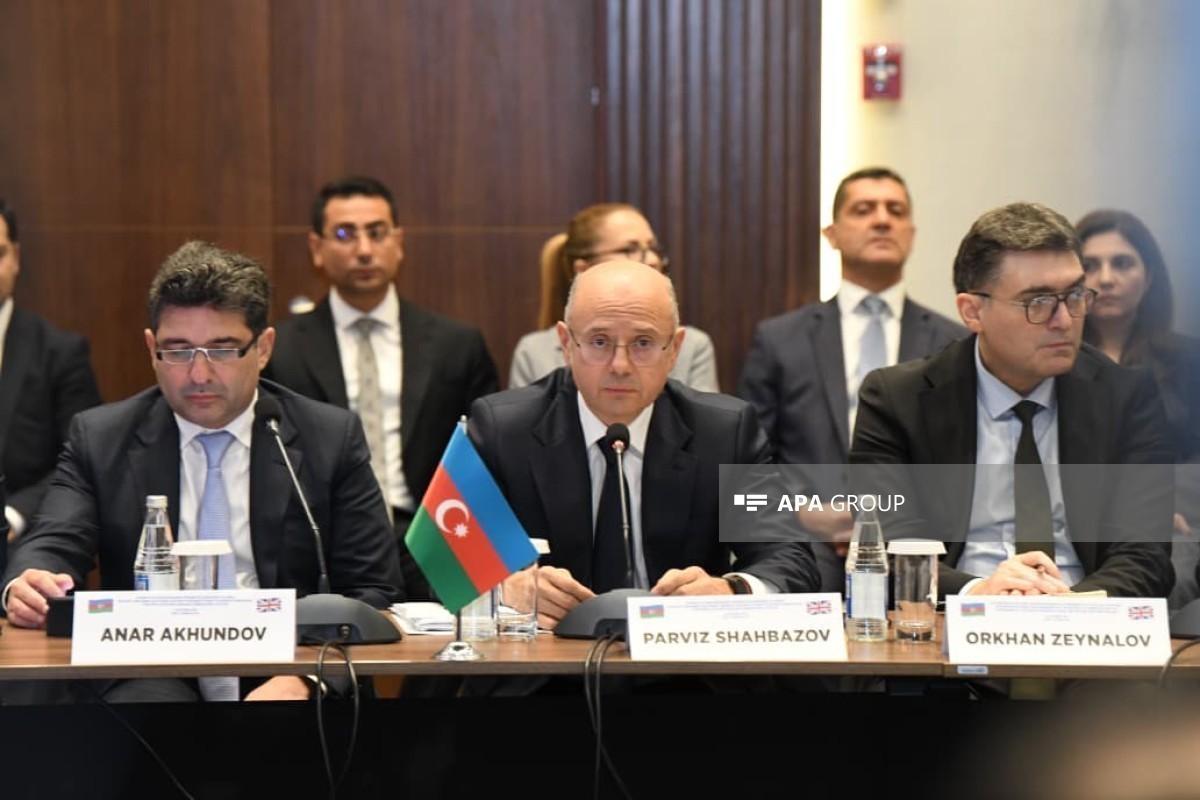
The housing finance model formed in Azerbaijan is based on the principle of balancing social inclusivity with financial sustainability and relies on balancing market mechanisms with state support, First Deputy Finance Minister Anar Karimov said during the event titled “A New Deal for Housing Finance” organized today in Baku within the framework of the 13th session of the World Urban Forum (WUF13), APA-Economics reports.
Speaking at the opening ceremony of the session, Anar Karimov stated that housing policy is no longer limited only to construction and social welfare, and that this field carries strategic importance for the development of human potential, social stability, and inclusive economic growth. It was noted that the housing finance model formed in Azerbaijan is based on the principle of balancing social inclusivity with financial sustainability and relies on balancing market mechanisms with state support.
In addition, the deputy minister spoke about reforms implemented in the direction of digitalization in housing finance, emphasizing that application, evaluation, and approval processes are carried out fully digitally through electronic platforms. He noted that demand for housing exceeds the existing supply and stated that work is underway on new digital solutions to establish more transparent and socially oriented distribution mechanisms. It was also noted that large-scale reconstruction work is being carried out in the liberated territories and that the process of gradually resettling the population in those territories is underway.
During the first part of the session, housing provision was presented as an important sector from a macroeconomic perspective. Afterwards, representatives of international financial institutions discussed the main challenges facing existing housing finance systems, especially issues related to accessibility and system limitations.
It was stated that existing mechanisms in low- and middle-income countries face serious difficulties in expanding access to housing and that more flexible and innovative approaches are therefore needed.
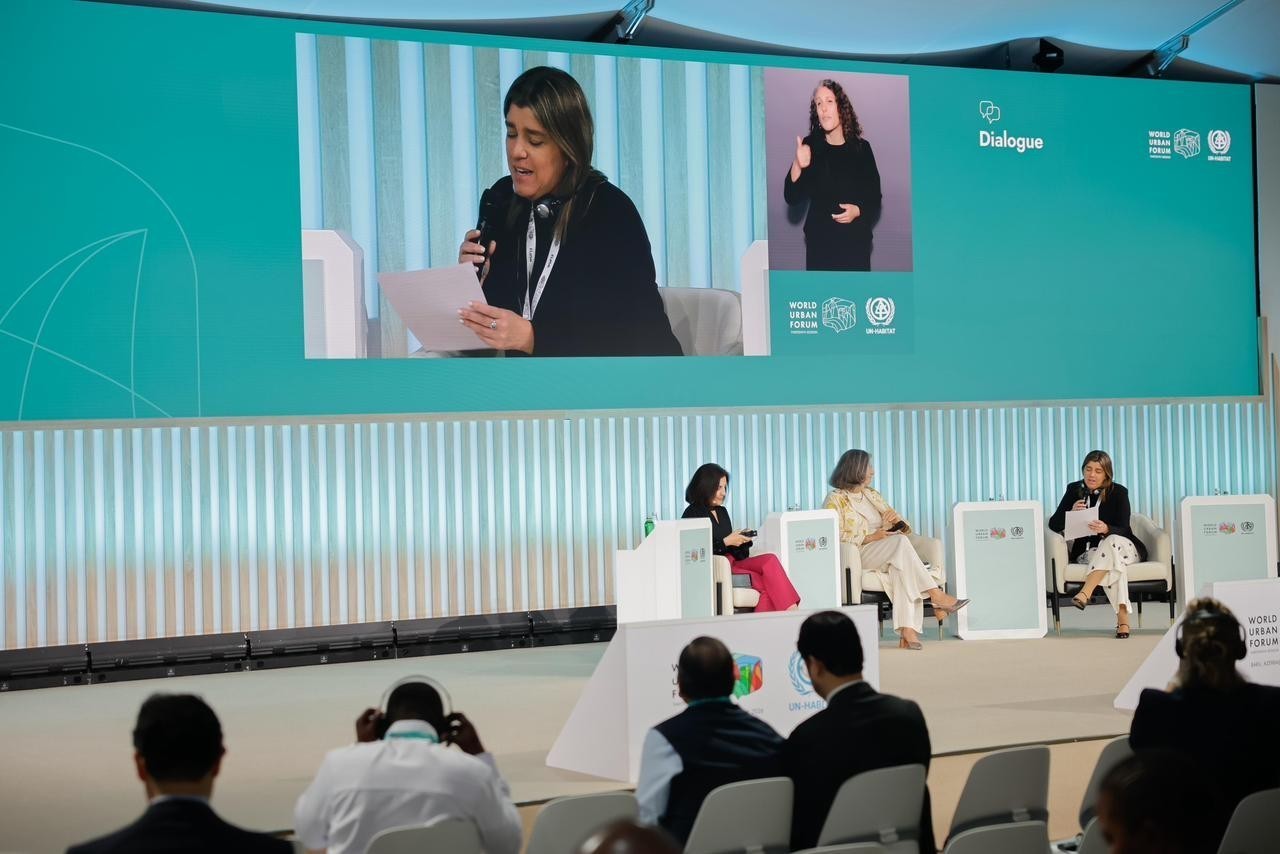
During panel discussions, city leaders, representatives of multilateral development banks, and experts reviewed ways to more effectively coordinate fiscal policy, land management, planning systems, and financial regulations. In addition, issues related to expanding public-private financing mechanisms, land-based financing, guarantee instruments, rental housing funds, and community financing tools were discussed.
The session concluded with an interactive plenary discussion, during which participants exchanged views on recognizing housing finance as one of the key pillars of sustainable development, overcoming existing system limitations, and introducing new approaches that could be applied across countries.



 Follow us on Telegram
 t.me/apanewsaz
 Follow us on Instagram
 Follow us on TikTok
 Follow us on Facebook
 Follow us on X