










Baku-APA. The Ministry of Justice released a statement on Friday saying that no inmates on a widespread hunger strike are in critical condition, a day after Turkey’s main medical association said the strikers may start dying within the next 10 days, APA reports quoting Today’s Zaman.
The statement said there are 682 hunger strikers in 67 jails across the country and that the strikers are being examined by doctors every day. The ministry also denied allegations that it rejected the prisoners’ request that they be given lemon, water and sugar instead of food.
The hunger strike entered its 52nd day on Friday, with some 700 Kurdish prisoners refusing food in dozens of prisons across Turkey, demanding major improvements in the prison conditions of jailed Kurdistan Workers’ Party (PKK) leader Abdullah Öcalan, the right to receive education in their mother tongue and the right to address courts in Kurdish.
The inmates are consuming sugar, water and vitamins, which will prolong their lives and the protest by weeks.
The protests follow a surge in violence between Turkey and the PKK, which took up arms 28 years ago to try to carve out a Kurdish homeland in Turkey’s Southeast and which is designated a terrorist group by Ankara, the United States and the European Union.
"Our worry is that after around 40 days, lasting damage may occur and after 60 days deaths may begin,†Özdemir Aktan, head of the Turkish Medical Association (TTB), which represents 80 percent of the nation’s doctors, said on Thursday.
Aktan’s remarks came during a meeting at a hotel in Ä°stanbul’s Taksim Square of intellectuals and representatives of nongovernmental organizations who called on the government to listen to the demands of the hunger strikers.
On Friday, Human Rights Association (Ä°HD) President Öztürk TürkdoÄŸan denied the ministry’s claim that all strikers were in good health, saying that some were displaying serious symptoms of dehydration. He said the strike has been in place for 52 days, a dangerously long period. He also said TTB members were not being allowed in, appealing to the Ministry of Justice to cooperate with the TTB.
Health Minister Recep AkdaÄŸ on Friday responded to questions from the press about the hunger strike during a meeting about childhood leukemia. “They are examined by doctors at times when they allow medical examinations. We are closely monitoring the issue.†He said the hunger strikes were a delicate topic and responsibility fell on all parties. “Those who are trying to exploit this as a political issue, for their own political interests, are in the wrong. The inmates that are being forced into this should be encouraged to stop these acts.â€
Iraqi politicians have also commented on the hunger strikes. Patriotic Union of Kurdistan (PUK) spokesperson Azad Jundiyan, in a written statement released on Friday, said, “Problems should be solved through dialogue in a democratic way.†He also said the PUK was exerting efforts for a solution. “We are watching with concern to establishment of peace in Turkey, the hunger strike and armed conflict in Turkey. Problems should be solved through dialogue in a democratic way.â€
In related developments, Bursa Governor Åžahabettin Harput said 14 people were detained as part of an investigation into violence that broke earlier this week in the province during a Peace and Democracy Party (BDP) demonstration in support of the hunger strikes. Harput said the investigation was continuing, with more detentions likely.
Turkish Nobel laureate Orhan Pamuk, who was in London on Friday to attend a literary conversation on his book “Sessiz Ev,†recently translated into English by Robert Finn as “Silent House,†said he couldn’t see the hunger strike issue being resolved easily or soon, in response to a question on the subject.
Most of the strikers are in jail on charges of membership of the Kurdistan Communities’ Union (KCK) or the PKK. Hundreds, including Kurdish journalists, have been jailed in an investigation into the KCK, which prosecutors say is an umbrella organization in Turkey.
In a related development, European Commissioner for Enlargement Stephan Füle responded to a question submitted by three members of the European Parliament in September. The question demanded to know the commission’s opinion on the KCK trial, as part of which 100 journalists are in jail.
Füle said the commission was following the KCK case closely. He said the commission has previously expressed concerns regarding the KCK case, but said a fourth judicial reform package likely to be introduced soon will address the concerns regarding Kurds and freedom of speech. “The commission is hopeful a fourth judicial reform package, announced by the government, will be put on Parliament’s agenda rapidly and that it will address the concerns referred to above. The commission further assesses the KCK case and respect for freedom of expression in its 2012 Progress Report on Turkey, which was presented to the European Parliament on Oct. 10,†Füle said in his written response.
No hunger striker in critical condition, Ministry of Justice says

 04 November 2012 01:02 (UTC +04:00)


 İDMAN XƏBƏR
 Follow us on Telegram
 t.me/apanewsaz
 Follow us on Instagram
 Follow us on TikTok
 Follow us on Facebook
 Follow us on X
Europe
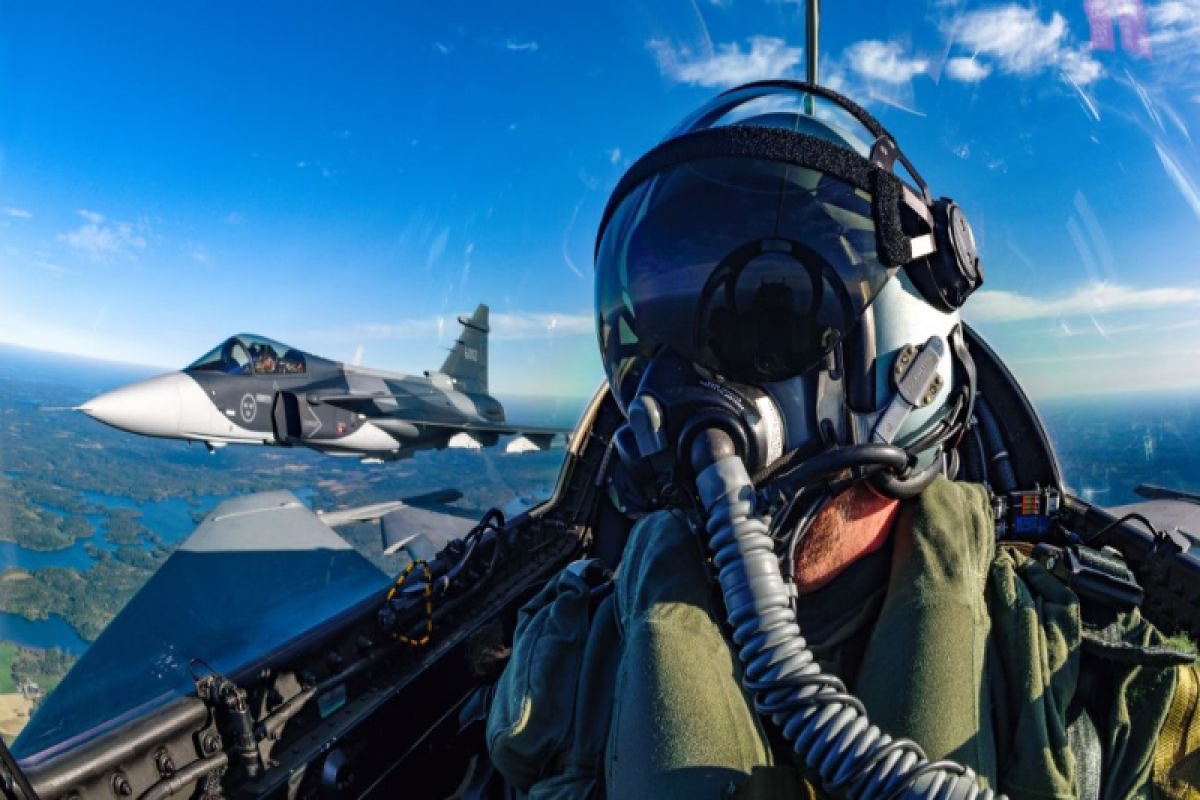
Ukraine and Sweden sign historic agreement on Gripen fighter jets
01:47
 1 July 2026
Lithuania's parliament approves Sinkevičius as prime minister
18:15
30 June 2026
Rutte: Claims that the US is distancing itself from NATO are not true
15:29
30 June 2026
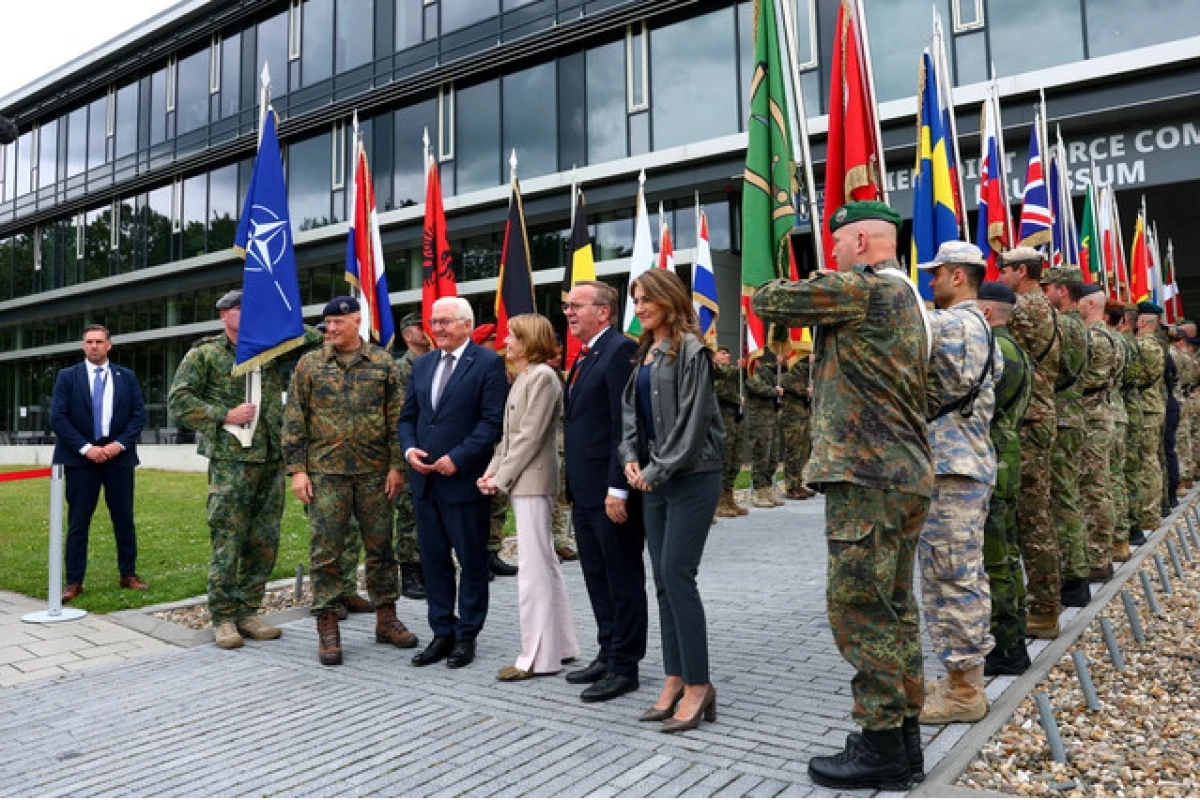
Germany and the Netherlands take command on NATO's eastern flank
15:03
30 June 2026

NEWS FEED
Ukraine and Sweden sign historic agreement on Gripen fighter jets
01:47
1 July 2026
Vance: China is ahead of the US in AI development thanks to the construction of energy facilities
00:50
1 July 2026
Strait of Hormuz to be free of tolls, Vance says
00:30
Audio
1 July 2026
Iran exported 50m barrels since US blockade lifted
23:58
30 June 2026
White House puts cost of Iran war at about $30 billion
23:25
Audio
30 June 2026
Norway to face Brazil after defeating Ivory Coast 2-1
23:04
30 June 2026
Trump calls birthright citizenship ruling "massive" win for China
22:55
Audio
30 June 2026
Oman proposes Strait of Hormuz fee plan to US
20:45
30 June 2026
Russia strikes energy facilities in Zaporizhzhia
19:44
30 June 2026
Appeal hearing on complaints filed by Armenian citizens continues
19:02
30 June 2026
14 students killed as tuition academy roof collapses in Pakistan's Lahore
18:46
30 June 2026
Lithuania's parliament approves Sinkevičius as prime minister
18:15
30 June 2026
Azerbaijan FM meets with ICMP Director General Kathryne Bomberger
18:10
30 June 2026
Israel's so-called "Armenian genocide" decision: Azerbaijan once again became the first to stand by Türkiye - ANALYSIS
17:37
30 June 2026
President Ilham Aliyev offers condolences to Delcy Rodríguez over earthquake in Venezuela
17:16
30 June 2026
First meeting of heads of religious affairs institutions of OTS member states held in Shusha - PHOTO - UPDATED
17:12
30 June 2026
Heads of OTS religious affairs institutions tour Shusha - PHOTO
17:09
30 June 2026
Iran: Speaker Ghalibaf's visit to Baku was successful
16:36
30 June 2026
Milli Majlis Support Group calls for granting Corsican people the broadest autonomy
16:30
30 June 2026
Iran FM: No separate meeting with the US planned in Doha, discussions will focus on memorandum
15:56
30 June 2026
Final communiqué signed following First Meeting of OTS religious affairs chiefs in Shusha - PHOTO
15:50
30 June 2026
Rutte: Claims that the US is distancing itself from NATO are not true
15:29
30 June 2026
Samvel Karapetyan claims Armenian opposition has "secret plan" to remove Pashinyan from power
15:18
30 June 2026
Germany and the Netherlands take command on NATO's eastern flank
15:03
30 June 2026
State Commission announces burial ceremonies for six more missing martyrs
15:02
30 June 2026
US envoy Witkoff and Kushner will be in Qatar, but no meeting with Iran, Qatari official says
14:50
30 June 2026
Morgan Stanley cuts Brent price view as Hormuz flows recover, flags 2027 surplus
14:42
30 June 2026
EU allocates €3.9 billion for drones for Ukraine under €90 billion loan package
14:27
30 June 2026
Fuel sales restricted in Russia's Altai Republic from July 1 to September 1
14:20
30 June 2026
Kremlin to keep names of fuel supplier countries confidential
14:13
30 June 2026
Armenian PM to attend Ali Khamenei's funeral ceremony in Tehran
13:42
30 June 2026
Zelenskyy: Ukrainian long-range strike hits Russia's Dubna Space Communications Center again
13:42
30 June 2026
Uzbek committee chairman: Strengthening cooperation in religion and education across the Turkic world is essential
13:40
30 June 2026
ICMP chief: More mass and clandestine graves remain to be discovered - INTERVIEW
13:38
30 June 2026
2 members of Iran's IRGC killed in shooting: Reports
13:33
30 June 2026
Azerbaijani and Kazakh foreign ministers hold phone call
13:29
30 June 2026
Türkiye strengthens air defense capabilities, considers acquiring SAMP/T and Patriot systems
13:23
30 June 2026
Azerbaijan moves to tighten penalties for repeated online gambling
13:16
30 June 2026
Azerbaijan identifies new grounds for temporary restriction of internet information resources
13:16
30 June 2026
International conference on missing persons held in Baku - PHOTO - UPDATED
13:06
30 June 2026
Talantbek Tashybekov: Strengthening coordination on religious policy within the OTS is essential
12:58
30 June 2026
International congress held in Baku as part of Turkic World Week
12:52
30 June 2026
Customs duty exemption to be introduced for exports of goods produced in the Alat Free Economic Zone
12:48
30 June 2026
State Commission: Azerbaijan to acquire specialized underground radar systems for missing persons searches
12:36
30 June 2026
Safi Arpaguş: Turkic states should strengthen coordination in religious affairs
12:32
30 June 2026
OTS Secretary General: New cooperation format on religious affairs will contribute to social cohesion and stability
12:25
30 June 2026
Ramin Mammadov: Foundation laid in Shusha for OTS' first multilateral platform in the religious sphere
12:21
30 June 2026
Georgian speaker: Azerbaijan-Armenia peace process creates cooperation opportunities for the region
12:17
30 June 2026
Nearly 100 bcm of Azerbaijani gas transported via TANAP to date
12:15
30 June 2026
Uzbekistan's Culture Minister: Unity is essential in the face of threats
12:06
30 June 2026


