










Baku-APA. French President Francois Hollande attempted to make right France’s relationship with Africa on Friday, honoring its contributions to world history during his first trip to the continent since winning office, APA reports.
His deferential tone, his diplomatic remarks and the air of modesty he projected marked a dramatic contrast to his predecessor. Ex-President Nicolas Sarkozy came to Senegal five years ago and gave a speech that was viewed as deeply insulting to Africans whom he said had "not yet entered into history."
By contrast, the 58-year-old Hollande, who defeated Sarkozy in in May, described Senegal as having not only a "great country," but also one that had made important contributions to French history.
He reminded the audience at the whitewashed presidential palace, and later on the floor of the national assembly, that Senegal’s first president, Leopold Sedar Senghor, was part of the committee that drafted the text of the French constitution. And he paid homage to the African soldiers, many conscripted by force, who died in France’s imperial wars, including in Indochina and Algeria.
"Between France and Senegal, there’s a history. There’s a language that we both speak. There’s a culture that we share and that both of our people contributed to," Hollande said in the garden of the neoclassical palace, in one of the many remarks that focused on the similarities between the two nations. "I didn’t come to Africa to impose my way, or to deliver a lesson on morality," he added later, in a speech to parliament. "I consider Africans as my partners and as my friends."
Analysts say he chose Senegal for his first visit to the continent due to the country’s democratic credentials and because of the need to heal the damage inflicted five years ago. He also chose it because Senegal is expected to play a central role in the planned military intervention in neighboring Mali, whose north is now under the de facto control of al-Qaida-linked rebel groups.
"What is happening in the Sahel for the past several months — in Mali — is that terrorists have structured themselves, have installed themselves. It’s not simply a menace for West Africa," said Hollande. "It’s a major issue for the security of the entire continent — and Europe," he said.
Pushed by France, the United Nations Security Council is scheduled to vote Friday on a plan to back an African-led military intervention in northern Mali. Accompanying the president in Dakar on Friday, French Foreign Minister Laurent Fabius appeared confident the resolution would pass.
"If no one is against it ... it is already approved, and the window expires in the next few hours. So we can say that this hurdle has already been surmounted," he told reporters.
For the Senegalese though, what is front and center is the memory of Sarkozy’s 2007 speech which bruised egos across the continent.
"The drama of Africa is that the African man has not fully entered into history ... They have never really launched themselves into the future," Sarkozy said. "The African peasant only knew the eternal renewal of time, marked by the endless repetition of the same gestures. ... In this universe where nature rules everything ... there is neither room for human endeavor nor the idea of progress."
He was accused of arrogance, of racism and of perpetuating the colonial relationship with Africa. Shocked, some of the people attending his speech delivered at Dakar’s largest public university grabbed their bags and walked out.
"Sarkozy came with contempt. Hollande is coming to clean up," says Yero Dia, a political analyst who is a frequent commentator on TV debate shows in Senegal. "But for me it’s not about Sarkozy, nor about Hollande. It’s about us — Africans. It’s like the horse and the rider. Whether it’s Mitterand, or Chirac, or Sarkozy or Hollande, what remains constant is the system. ... and nothing will change until Africans stop behaving like the horse and letting France be their rider."
Senegal was once the seat of the French empire in West Africa. The country won its independence from France 52 years ago, but maintains close ties with France, as do many of the other countries on the French-speaking coast of West Africa, most of which are former French territories.
Ironically in 2007, Sarkozy had come to Senegal to mark the end of "Franceafrique," the term used to connote the cozy, post-colonial relationship that France has had with the region’s dictators, like ex-Gabonese President Omar Bongo. On Friday, it was Hollande who vowed the end of Franceafrique.
"I want to declare here my willingness to renew the relationship between France and Africa. The era of Franceafrique is over. There is now a France and there is an Africa. And there is a partnership between France and Africa, based on relationships that are founded on respect," he said.
Hollande and Senegalese President Macky Sall also paid a visit to Goree Island, off the coast of the capital, where slaves were boarded onto ships headed to the New World. The visit is a symbolic gesture, underscoring Hollande’s understanding of the difficult, and often cruel, history that Africans have endured. The two men clasped hands as they stood at the Door of No Return.
Among those waiting on the island for the presidents was Aminata Ba, 40, who wore a bright tangerine dress and head wrap, and carried a stenciled sign that read: "President Hollande: You Are At Home." She said she was heartened by Hollande’s talk of improving relations with Senegal.
Africa watchers say that despite the promises of a new approach, it’s unlikely that France’s policies toward the continent will change much. Protesters waited for the leader to emerge from the parliament building on Friday, hoping to give him a copy of their fliers decrying the difficulty in getting visas to go to France. Immigrants who violate the terms of their visas have been returned on repatriation flights, dubbed the "Sarkozy charters."
"It seems that every time that a new French president comes in, he promises that his arrival will spell the end of Franceafrique," said Richard Downie, deputy director for the Washington-based Center for Strategic and International Studies. "Old habits die hard. In policy terms, will we see much difference? I think not. But I think the tone will be different."


 Follow us on Telegram
 t.me/apanewsaz
 Follow us on Instagram
 Follow us on TikTok
 Follow us on Facebook
 Follow us on X
Europe
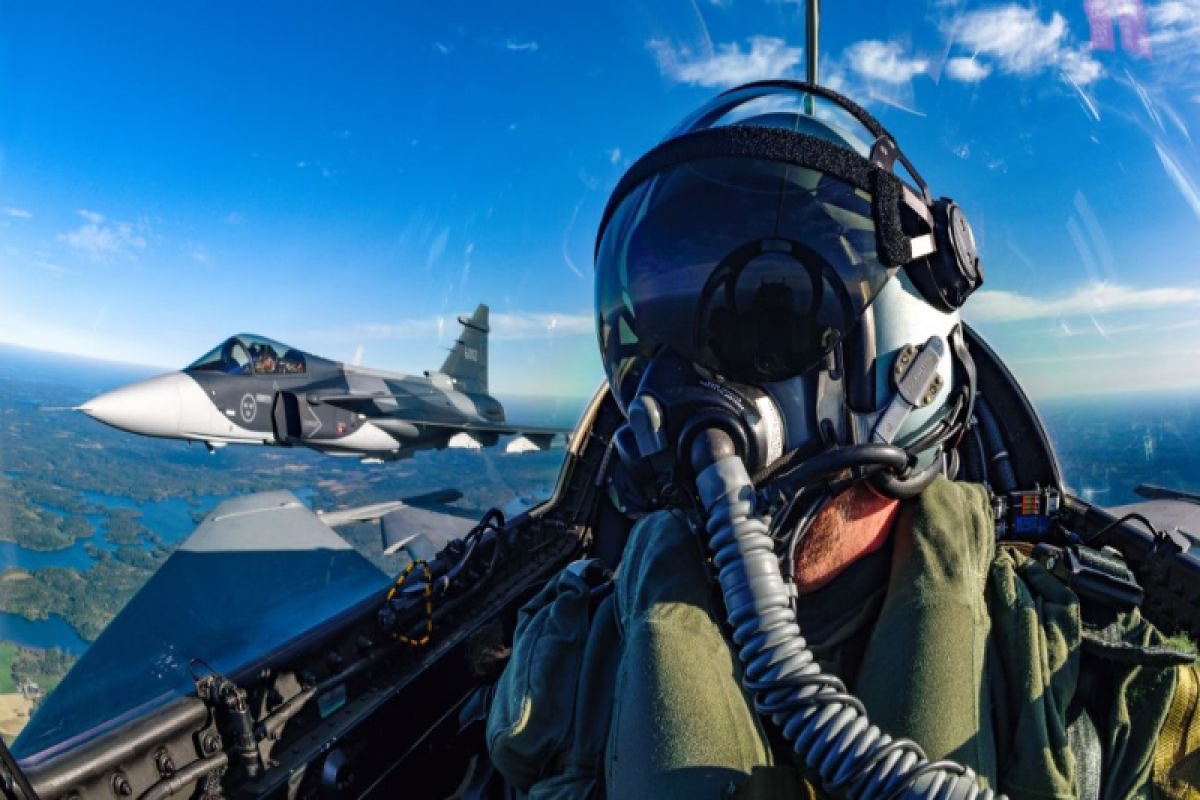
Ukraine and Sweden sign historic agreement on Gripen fighter jets
 01:47
01:47
 1 July 2026
Lithuania's parliament approves Sinkevičius as prime minister
18:15
30 June 2026
Rutte: Claims that the US is distancing itself from NATO are not true
15:29
30 June 2026
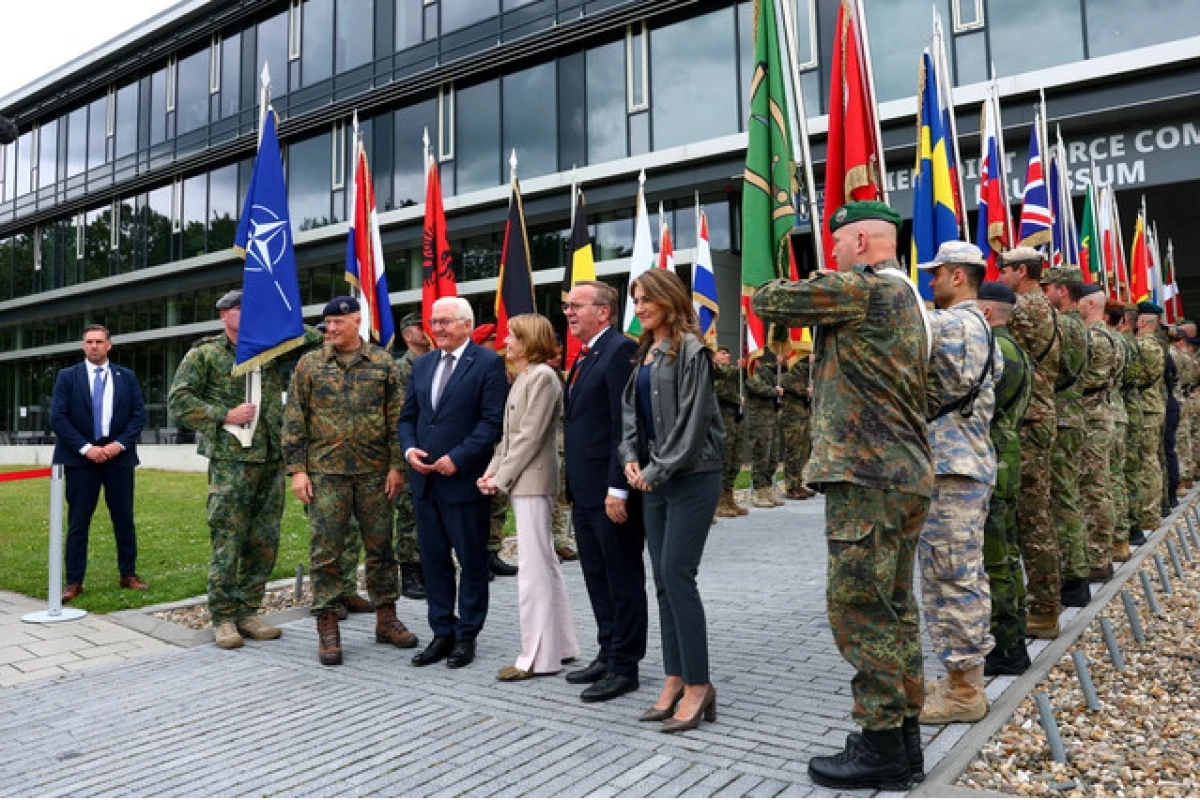
Germany and the Netherlands take command on NATO's eastern flank
15:03
30 June 2026

NEWS FEED
Ukraine and Sweden sign historic agreement on Gripen fighter jets
01:47
1 July 2026
Vance: China is ahead of the US in AI development thanks to the construction of energy facilities
00:50
1 July 2026
Strait of Hormuz to be free of tolls, Vance says
00:30
Audio
1 July 2026
Iran exported 50m barrels since US blockade lifted
23:58
30 June 2026
White House puts cost of Iran war at about $30 billion
23:25
Audio
30 June 2026
Norway to face Brazil after defeating Ivory Coast 2-1
23:04
30 June 2026
Trump calls birthright citizenship ruling "massive" win for China
22:55
Audio
30 June 2026
Oman proposes Strait of Hormuz fee plan to US
20:45
30 June 2026
Russia strikes energy facilities in Zaporizhzhia
19:44
30 June 2026
Appeal hearing on complaints filed by Armenian citizens continues
19:02
30 June 2026
14 students killed as tuition academy roof collapses in Pakistan's Lahore
18:46
30 June 2026
Lithuania's parliament approves Sinkevičius as prime minister
18:15
30 June 2026
Azerbaijan FM meets with ICMP Director General Kathryne Bomberger
18:10
30 June 2026
Israel's so-called "Armenian genocide" decision: Azerbaijan once again became the first to stand by Türkiye - ANALYSIS
17:37
30 June 2026
President Ilham Aliyev offers condolences to Delcy Rodríguez over earthquake in Venezuela
17:16
30 June 2026
First meeting of heads of religious affairs institutions of OTS member states held in Shusha - PHOTO - UPDATED
17:12
30 June 2026
Heads of OTS religious affairs institutions tour Shusha - PHOTO
17:09
30 June 2026
Iran: Speaker Ghalibaf's visit to Baku was successful
16:36
30 June 2026
Milli Majlis Support Group calls for granting Corsican people the broadest autonomy
16:30
30 June 2026
Iran FM: No separate meeting with the US planned in Doha, discussions will focus on memorandum
15:56
30 June 2026
Final communiqué signed following First Meeting of OTS religious affairs chiefs in Shusha - PHOTO
15:50
30 June 2026
Rutte: Claims that the US is distancing itself from NATO are not true
15:29
30 June 2026
Samvel Karapetyan claims Armenian opposition has "secret plan" to remove Pashinyan from power
15:18
30 June 2026
Germany and the Netherlands take command on NATO's eastern flank
15:03
30 June 2026
State Commission announces burial ceremonies for six more missing martyrs
15:02
30 June 2026
US envoy Witkoff and Kushner will be in Qatar, but no meeting with Iran, Qatari official says
14:50
30 June 2026
Morgan Stanley cuts Brent price view as Hormuz flows recover, flags 2027 surplus
14:42
30 June 2026
EU allocates €3.9 billion for drones for Ukraine under €90 billion loan package
14:27
30 June 2026
Fuel sales restricted in Russia's Altai Republic from July 1 to September 1
14:20
30 June 2026
Kremlin to keep names of fuel supplier countries confidential
14:13
30 June 2026
Armenian PM to attend Ali Khamenei's funeral ceremony in Tehran
13:42
30 June 2026
Zelenskyy: Ukrainian long-range strike hits Russia's Dubna Space Communications Center again
13:42
30 June 2026
Uzbek committee chairman: Strengthening cooperation in religion and education across the Turkic world is essential
13:40
30 June 2026
ICMP chief: More mass and clandestine graves remain to be discovered - INTERVIEW
13:38
30 June 2026
2 members of Iran's IRGC killed in shooting: Reports
13:33
30 June 2026
Azerbaijani and Kazakh foreign ministers hold phone call
13:29
30 June 2026
Türkiye strengthens air defense capabilities, considers acquiring SAMP/T and Patriot systems
13:23
30 June 2026
Azerbaijan moves to tighten penalties for repeated online gambling
13:16
30 June 2026
Azerbaijan identifies new grounds for temporary restriction of internet information resources
13:16
30 June 2026
International conference on missing persons held in Baku - PHOTO - UPDATED
13:06
30 June 2026
Talantbek Tashybekov: Strengthening coordination on religious policy within the OTS is essential
12:58
30 June 2026
International congress held in Baku as part of Turkic World Week
12:52
30 June 2026
Customs duty exemption to be introduced for exports of goods produced in the Alat Free Economic Zone
12:48
30 June 2026
State Commission: Azerbaijan to acquire specialized underground radar systems for missing persons searches
12:36
30 June 2026
Safi Arpaguş: Turkic states should strengthen coordination in religious affairs
12:32
30 June 2026
OTS Secretary General: New cooperation format on religious affairs will contribute to social cohesion and stability
12:25
30 June 2026
Ramin Mammadov: Foundation laid in Shusha for OTS' first multilateral platform in the religious sphere
12:21
30 June 2026
Georgian speaker: Azerbaijan-Armenia peace process creates cooperation opportunities for the region
12:17
30 June 2026
Nearly 100 bcm of Azerbaijani gas transported via TANAP to date
12:15
30 June 2026
Uzbekistan's Culture Minister: Unity is essential in the face of threats
12:06
30 June 2026


