










Baku – APA. International Monetary Fund and European Union experts are expected to focus on measures to clean up the banking sector, strengthen the public finances and overhaul the tax system as they draw up a rescue plan for Ireland, APA reports quoting “Financial Timesâ€.
The officials spent Thursday, the first day of their hastily arranged visit to Dublin, in discussions at the Irish central bank, the finance ministry and the local headquarters of the European Commission. The talks will go on at least until early next week, according to Irish ministers.
The measures will differ from a reform programme prepared for Greece in May, in that the main problems identified there were gross mismanagement of the public finances, unreliable official statistics, public sector corruption and a lack of business competitiveness.
Because the banks are regarded as the heart of Ireland’s problem, one chief goal of the multibillion-euro rescue package will be to enable lenders to build bigger capital buffers to protect them against huge losses on property deals.
“This is money that is supposed to go in as capital – in other words, something goes in as a buffer and comes out again when it’s not needed,†said Patrick Honohan, Ireland’s central bank governor.
According to several Irish bankers and economists, the IMF-European team may press for Irish banks to raise their core tier one capital ratio, a measure of a bank’s financial strength, as high as 12 per cent.
Under measures taken since the financial crisis swept over Ireland in 2008, the nation’s banks are obliged to raise their tier one capital ratio to 8 per cent by the end of this year.
The banks may also be told to improve their liquidity positions by selling packaged blocks of loans to international investment funds. If, as seems likely, the IMF and European experts determine that the Irish government’s economic growth forecasts for 2012-2014 are too optimistic, they may recommend public sector wage cuts above the 15 per cent reduction already adopted since 2008.
This move would be justified on the grounds that Ireland’s public sector wage bill soared 145 per cent between 2000 and 2008 – even more than the 92 per cent recorded in Greece. A cut in Ireland’s minimum wage – which, at €8.65 an hour for experienced adult workers, is the eurozone’s second highest after Luxembourg – is also possible.
To judge from the experience of Greece, which was required to raise value added tax to 23 from 19 per cent as a condition of its €110bn rescue six months ago, Ireland may have to raise VAT from its present level of 21 per cent.
But some economists predict a one-year holiday next year on stamp duty, a tax levied on property sales, in an attempt to revive activity in Ireland’s depressed housing market.
Elimination of tax breaks, and changes to Ireland’s income tax system so that more low-paid workers are brought into the tax net, are likely. However, enormous resistance can be expected if Ireland’s European partners continue to press the government to raise corporation tax from 12.5 per cent, one of the eurozone’s lowest rates.
Irish politicians and businesspeople say US companies such as Google and Pfizer, the internet and pharmaceutical groups, would not have considered investing in Ireland if it had not been for the attractive tax conditions.
“It’s been the basis of Ireland’s prosperity,†said John Bruton, who served as prime minister from 1994 to 1997 and whose government set the tax at its present level. “There are other areas of taxation where we can raise money.â€
Speaking on Irish radio, Mr Bruton observed that the average Irish taxpayer paid about half as much tax as the average German taxpayer on the same income.
Prominent Irish economists agree. Philip Lane, professor of international macroeconomics at Trinity College Dublin, told the Financial Times: “In terms of income tax, Ireland is basically an undertaxed country.â€
However, even increases in income tax and VAT are sensitive propositions for a deeply unpopular government that is on the brink of a desperate fight for re-election next year.


 Follow us on Telegram
 t.me/apanewsaz
 Follow us on Instagram
 Follow us on TikTok
 Follow us on Facebook
 Follow us on X
Europe
UK guarantees $1 billion World Bank loan to Ukraine
 23:20
23:20
 26 June 2026
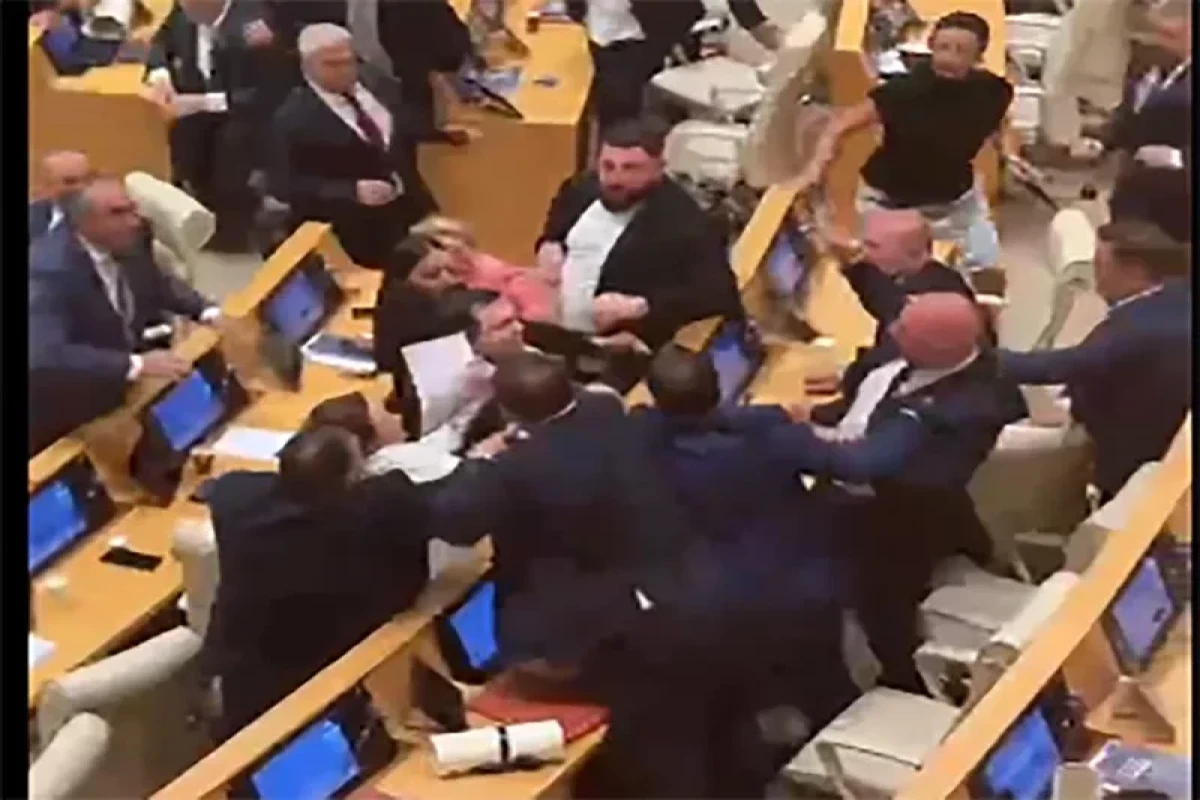
Scuffle breaks out during Georgian parliament session, proceedings suspended - PHOTO
20:00
26 June 2026
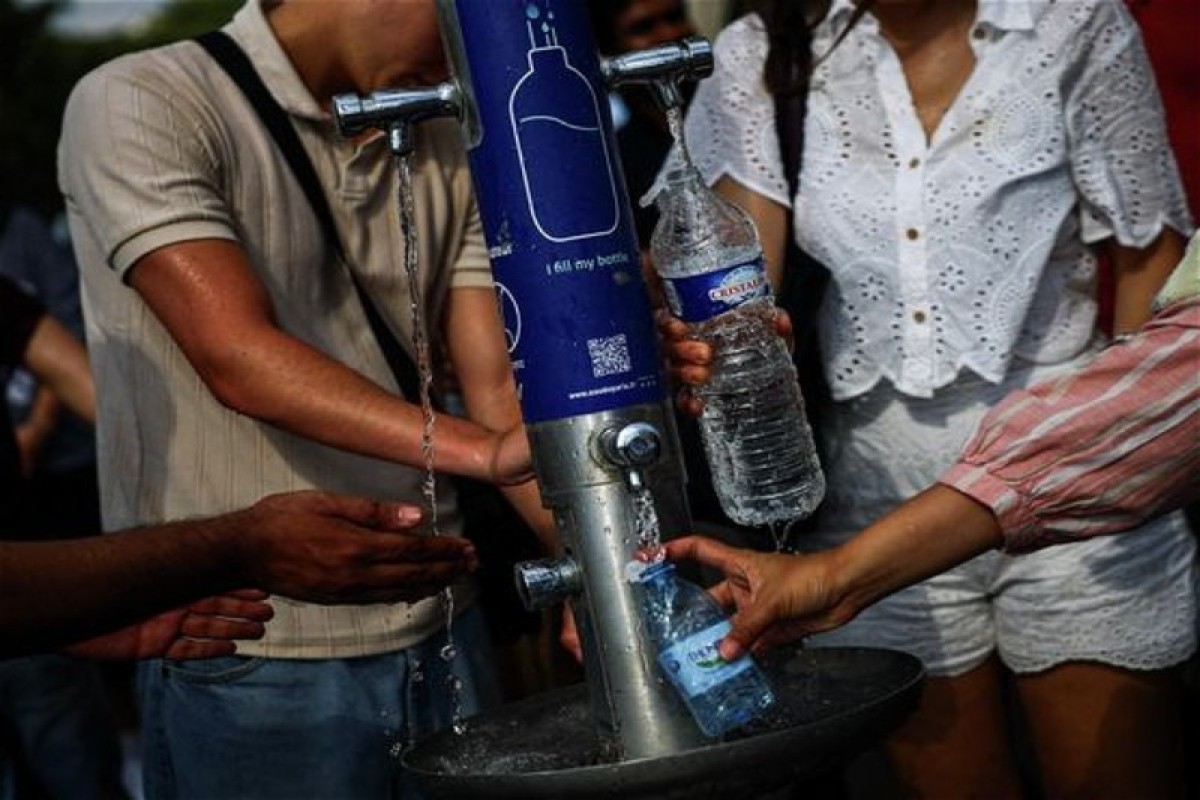
Death toll hits 55 in France as drownings rise amid Europe heatwave
19:07
26 June 2026
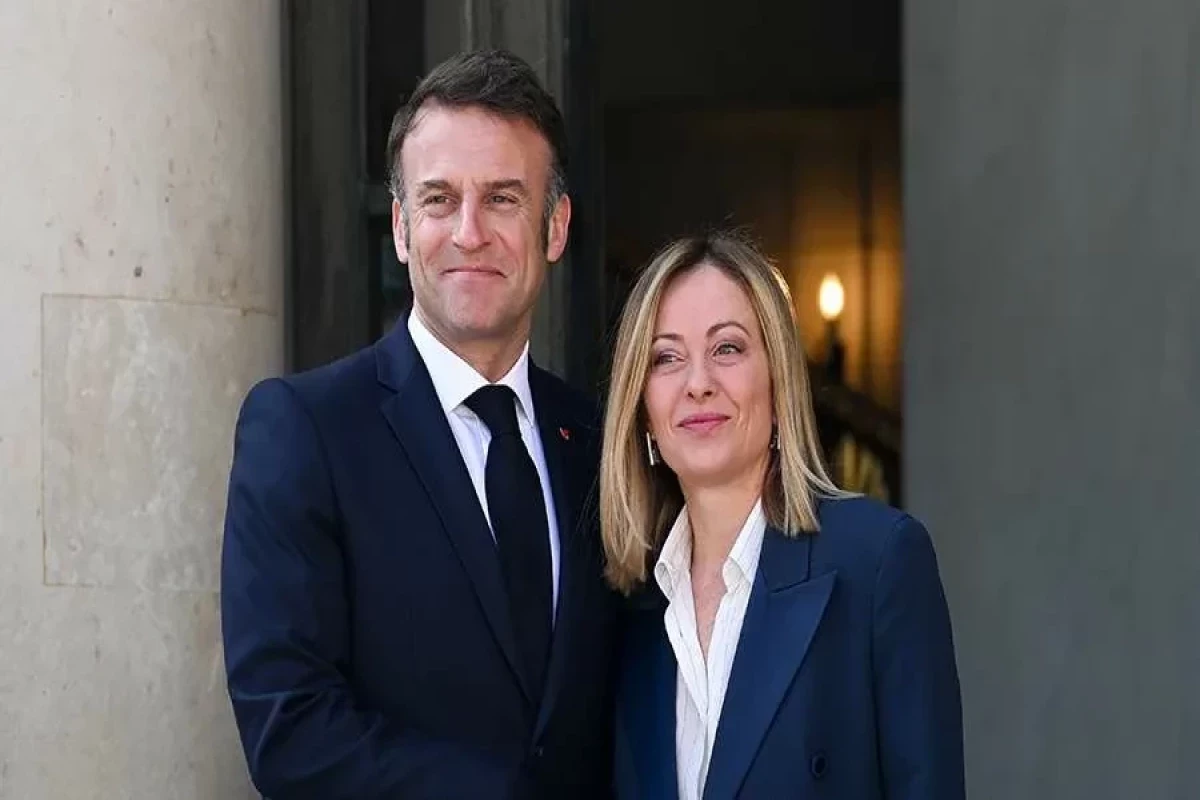
France, Italy seek multinational coalition to support Lebanon after UNIFIL withdrawal
09:02
26 June 2026

NEWS FEED
Vance: US ready to discuss memorandum disagreements with Iran
02:39
Audio
27 June 2026
IRGC says it struck US military positions in response to US airstrike on Iran
01:43
27 June 2026
France wins Group I after beating Norway 4-1
01:13
27 June 2026
US strikes Iranian targets in response to attack on cargo ship
00:47
Audio
27 June 2026
Netanyahu says Israeli army will remain in southern Lebanon ‘security zone’ until Hezbollah disarmed
23:49
26 June 2026
UK guarantees $1 billion World Bank loan to Ukraine
23:20
26 June 2026
Israel, Lebanon sign framework peace deal after US-mediated talks
22:36
Audio
26 June 2026
Venezuela quake death toll rises to 92
22:29
26 June 2026
Trump accuses Iran of violating ceasefire with US
20:24
Audio
26 June 2026
Scuffle breaks out during Georgian parliament session, proceedings suspended - PHOTO
20:00
26 June 2026
Turkish ships stranded in Strait of Hormuz safely leave the region
19:56
26 June 2026
Turkish actor Kadir İnanır dies at 77
19:33
26 June 2026
Putin meets with Belarusian President Lukashenko
19:22
26 June 2026
Putin bans deportation of foreigners serving under contract in Russian army
19:19
26 June 2026
Seven Hezbollah fighters killed in Lebanon
19:12
26 June 2026
Explosion followed by fire hits factory in Türkiye
19:10
26 June 2026
Death toll hits 55 in France as drownings rise amid Europe heatwave
19:07
26 June 2026
Baghaei: Joint statement by US and GCC is a distortion of truth
18:40
26 June 2026
Rosatom says plans Bushehr staff return
18:15
26 June 2026
Small aircraft crashes into Beijing’s tallest skyscraper - VIDEO
17:56
26 June 2026
If Iran attacks Israel, it will ‘commit its biggest mistake’: Katz
17:35
26 June 2026
Belarusian President Lukashenko departs for working visit to Russia
17:28
26 June 2026
Russia advises its citizens against traveling to Moldova
17:23
26 June 2026
Death toll from Venezuela earthquake rises to 589 - UPDATED - 4 - VIDEO
16:56
26 June 2026
Azerbaijan and Italian foreign ministers hold phone conversation
16:54
26 June 2026
Senior military ranks presented to servicemen of the Azerbaijan Ministry of Defense - PHOTO
16:23
26 June 2026
CIS Secretary General: Armenia is not considering leaving the CIS
16:16
26 June 2026
Former Russian Defense Minister Sergei Ivanov dies at 73
16:08
26 June 2026
European Commission President Ursula von der Leyen to visit Azerbaijan next week
16:03
26 June 2026
Leadership of the Ministry of Defense visits Alley of Honor, Victory Park, and Military Memorial Cemetery - PHOTO
16:00
26 June 2026
CIS Economic Council meeting held in Moscow, Armenia does not send high-level representative - PHOTO
15:54
26 June 2026
Russia and Ukraine conduct prisoner exchange
15:40
26 June 2026
Proposal made to lower the age of criminal responsibility to 12 in Russia
14:50
26 June 2026
Iran, South Korea discuss regional developments and diplomacy
14:42
26 June 2026
Hormuz shipping depends on coordination with Tehran, Iran deputy FM says
14:30
26 June 2026
State of emergency declared in Crimea and Sevastopol
14:27
26 June 2026
Peskov: It cannot be said that the U.S. is completely neutral in the Ukraine conflict
14:10
26 June 2026
Lavrov responds to Rubio's remarks on Alaska talks
14:06
26 June 2026
Military marches held in Baku, Khankendi, Shusha and five other cities - PHOTO - UPDATED
14:02
26 June 2026
Moldova's ambassador summoned to Russian Foreign Ministry
13:59
26 June 2026
Astrakhan vice governor: We are friends of Azerbaijan and will always stand by it
13:39
26 June 2026
Kazakhstan may begin importing aviation fuel from Azerbaijan
13:10
26 June 2026
Russian delegation inspects construction progress at kindergarten in Gubadli - PHOTO
13:05
26 June 2026
State Duma proposes death penalty for corrupt officials undermining Russia's defense
12:55
26 June 2026
Turkish Ministry of National Defense congratulates Azerbaijan on Armed Forces Day
12:37
26 June 2026
Russia says it shot down 660 Ukrainian drones overnight
12:10
26 June 2026
AZAL plans to expand its fleet to 50 aircraft by 2032 - VIDEO
12:05
26 June 2026
NATO special representative: Azerbaijani Army has a high level of interoperability with NATO standards
11:39
26 June 2026
Ambassador: UK committed to further strengthening partnership with Azerbaijan
11:20
26 June 2026
Montenegro police, FBI arrest Iranian wanted by US for hacking
11:15
26 June 2026


