










Baku – APA. Unemployment in the eurozone edged up in September, defying hopes that rapid economic growth in the previous months would translate into a swift recovery for the labour market, APA reports quoting CNN.
The jobless rate in the 16-member currency bloc reached 10.1 per cent, its highest level since the creation of the single currency in 1999, according to seasonally-adjusted data released by the European Union’s statistical arm.
The August rate was revised down to 10 per cent, the same level seen since March.
Policymakers had hoped that a spurt in the eurozone’s economy in the second quarter -- when gross domestic product rose 1 per cent -- would be enough to reverse the unemployment trend.
US unemployment by comparison currently stands at 9.6 per cent, 7.7 per cent in the UK and 5.1 per cent in Japan, using the same methodology.
The overall eurozone figure masks sharp divergences between the jobless levels seen in different member states, ranging from 4.4 per cent and falling in the Netherlands, to 20.8 per cent in Spain.
The jobs data were released alongside inflation figures which showed consumer prices in the eurozone by 1.9 per cent in October, compared to the previous year, up from 1.8 per cent in September.
"Inflation has accelerated sharply from levels of around 1 per cent at the start of the year, but this is entirely due to rising food and energy price inflation," said Nick Kounis, head of macroeconomic research at ABN Amro.
Policymakers will be worried that if the eurozone unemployment rate stayed steady even in a period of abnormally high growth over the summer, the prospects will be grim now that economic expansion has slowed notably.
Many so-called "peripheral" eurozone economies struggling with high levels of public debt saw rises in unemployment in September, notably Ireland, up 0.2 per cent to 14.1 per cent; and Italy, also up 0.2 per cent to 8.3 per cent
Meanwhile, the "core" countries led by Germany have fared better. The jobless rate in Europe’s largest economy fell 0.1 per cent to 6.7 per cent, and continued to fall in October, according to data released by its own labour authorities on Thursday.
France was flat at 10.0 per cent.
"It seems unlikely to us that job growth will pick-up enough speed to bring down unemployment in the coming months," said Nick Kounis, economist at ABN Amro in Amsterdam.
Even with an improving economy, the labour market is expected to deteriorate as a result of deep cuts in public spending expected in many eurozone economies.
"Public sector jobs are likely to be cut back in a number of countries as part of the fiscal consolidation measures, particularly in 2011," said Howard Archer, economist at IHS Global Insight, a consultancy.
Part of the fiscal tightening will be the withdrawal of measures that had supported the labour market, particularly subsidies granted to employers who retained workers on part-time contracts rather than make them redundant.
As well as being a political headache for national authorities, high unemployment also depresses consumer spending, which in turn feeds into higher economic growth.


 Follow us on Telegram
 t.me/apanewsaz
 Follow us on Instagram
 Follow us on TikTok
 Follow us on Facebook
 Follow us on X
Europe
UK guarantees $1 billion World Bank loan to Ukraine
 23:20
23:20
 26 June 2026

Scuffle breaks out during Georgian parliament session, proceedings suspended - PHOTO
20:00
26 June 2026
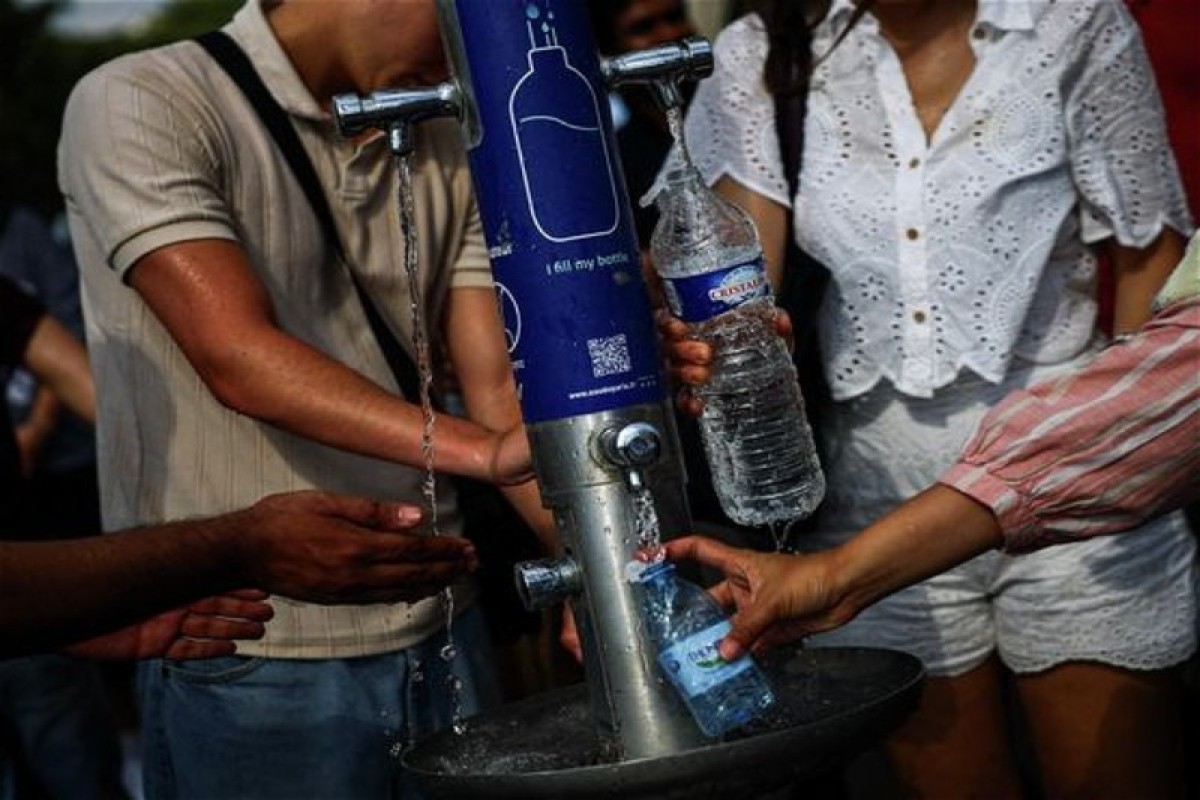
Death toll hits 55 in France as drownings rise amid Europe heatwave
19:07
26 June 2026
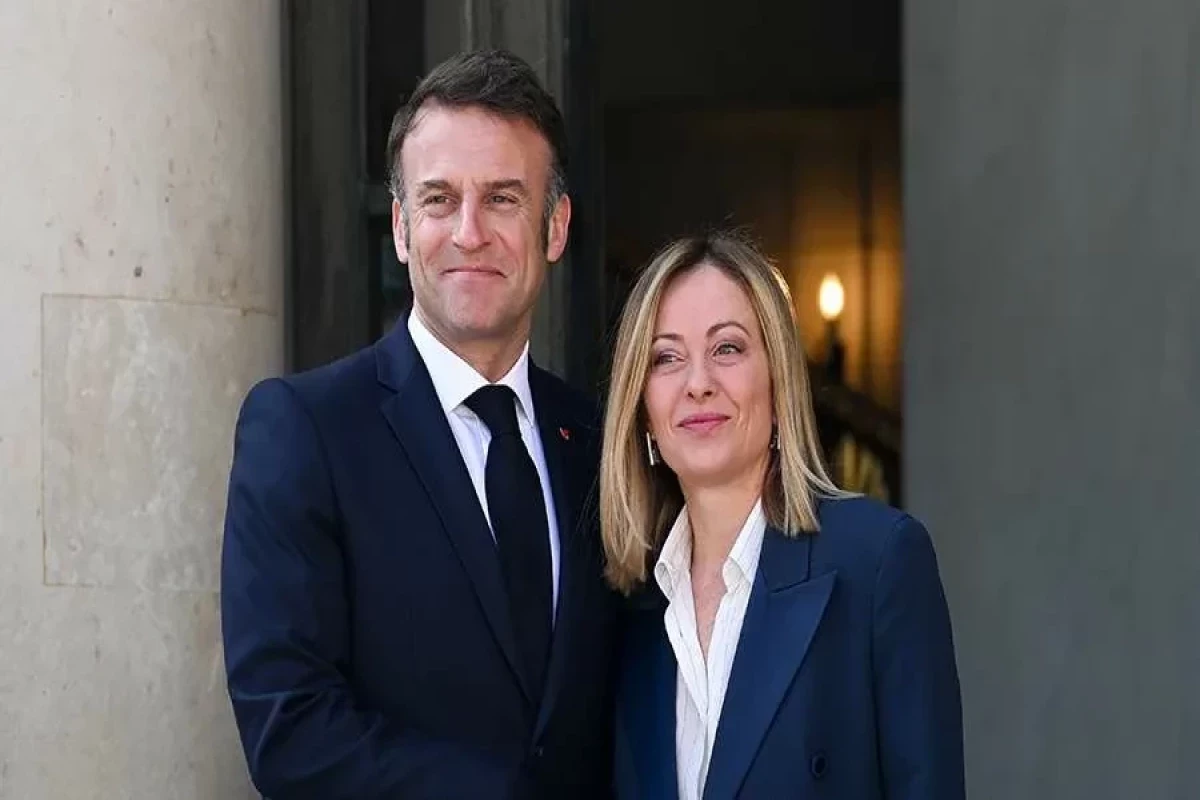
France, Italy seek multinational coalition to support Lebanon after UNIFIL withdrawal
09:02
26 June 2026

NEWS FEED
France wins Group I after beating Norway 4-1
01:13
27 June 2026
US strikes Iranian targets in response to attack on cargo ship
00:47
Audio
27 June 2026
Netanyahu says Israeli army will remain in southern Lebanon ‘security zone’ until Hezbollah disarmed
23:49
26 June 2026
UK guarantees $1 billion World Bank loan to Ukraine
23:20
26 June 2026
Israel, Lebanon sign framework peace deal after US-mediated talks
22:36
Audio
26 June 2026
Venezuela quake death toll rises to 92
22:29
26 June 2026
Trump accuses Iran of violating ceasefire with US
20:24
Audio
26 June 2026
Scuffle breaks out during Georgian parliament session, proceedings suspended - PHOTO
20:00
26 June 2026
Turkish ships stranded in Strait of Hormuz safely leave the region
19:56
26 June 2026
Turkish actor Kadir İnanır dies at 77
19:33
26 June 2026
Putin meets with Belarusian President Lukashenko
19:22
26 June 2026
Putin bans deportation of foreigners serving under contract in Russian army
19:19
26 June 2026
Seven Hezbollah fighters killed in Lebanon
19:12
26 June 2026
Explosion followed by fire hits factory in Türkiye
19:10
26 June 2026
Death toll hits 55 in France as drownings rise amid Europe heatwave
19:07
26 June 2026
Baghaei: Joint statement by US and GCC is a distortion of truth
18:40
26 June 2026
Rosatom says plans Bushehr staff return
18:15
26 June 2026
Small aircraft crashes into Beijing’s tallest skyscraper - VIDEO
17:56
26 June 2026
If Iran attacks Israel, it will ‘commit its biggest mistake’: Katz
17:35
26 June 2026
Belarusian President Lukashenko departs for working visit to Russia
17:28
26 June 2026
Russia advises its citizens against traveling to Moldova
17:23
26 June 2026
Death toll from Venezuela earthquake rises to 589 - UPDATED - 4 - VIDEO
16:56
26 June 2026
Azerbaijan and Italian foreign ministers hold phone conversation
16:54
26 June 2026
Senior military ranks presented to servicemen of the Azerbaijan Ministry of Defense - PHOTO
16:23
26 June 2026
CIS Secretary General: Armenia is not considering leaving the CIS
16:16
26 June 2026
Former Russian Defense Minister Sergei Ivanov dies at 73
16:08
26 June 2026
European Commission President Ursula von der Leyen to visit Azerbaijan next week
16:03
26 June 2026
Leadership of the Ministry of Defense visits Alley of Honor, Victory Park, and Military Memorial Cemetery - PHOTO
16:00
26 June 2026
CIS Economic Council meeting held in Moscow, Armenia does not send high-level representative - PHOTO
15:54
26 June 2026
Russia and Ukraine conduct prisoner exchange
15:40
26 June 2026
Proposal made to lower the age of criminal responsibility to 12 in Russia
14:50
26 June 2026
Iran, South Korea discuss regional developments and diplomacy
14:42
26 June 2026
Hormuz shipping depends on coordination with Tehran, Iran deputy FM says
14:30
26 June 2026
State of emergency declared in Crimea and Sevastopol
14:27
26 June 2026
Peskov: It cannot be said that the U.S. is completely neutral in the Ukraine conflict
14:10
26 June 2026
Lavrov responds to Rubio's remarks on Alaska talks
14:06
26 June 2026
Military marches held in Baku, Khankendi, Shusha and five other cities - PHOTO - UPDATED
14:02
26 June 2026
Moldova's ambassador summoned to Russian Foreign Ministry
13:59
26 June 2026
Astrakhan vice governor: We are friends of Azerbaijan and will always stand by it
13:39
26 June 2026
Kazakhstan may begin importing aviation fuel from Azerbaijan
13:10
26 June 2026
Russian delegation inspects construction progress at kindergarten in Gubadli - PHOTO
13:05
26 June 2026
State Duma proposes death penalty for corrupt officials undermining Russia's defense
12:55
26 June 2026
Turkish Ministry of National Defense congratulates Azerbaijan on Armed Forces Day
12:37
26 June 2026
Russia says it shot down 660 Ukrainian drones overnight
12:10
26 June 2026
AZAL plans to expand its fleet to 50 aircraft by 2032 - VIDEO
12:05
26 June 2026
NATO special representative: Azerbaijani Army has a high level of interoperability with NATO standards
11:39
26 June 2026
Ambassador: UK committed to further strengthening partnership with Azerbaijan
11:20
26 June 2026
Montenegro police, FBI arrest Iranian wanted by US for hacking
11:15
26 June 2026
Azerbaijani oil price rises
10:56
26 June 2026
18 railcars of gasoline and 8 railcars of diesel fuel sent from Azerbaijan to Armenia - PHOTO
10:52
26 June 2026


