










Baku – APA. Assailants struck in the middle of the night, setting fire to a car belonging to one ethnic Serb politician who favors cooperation with Kosovo’s Albanian-dominated national government and tossing a grenade at the home of another, APA reports quoting “The Wall Street Journalâ€.
The attack last month in the town of Zvecan was part of a recent series of arsons and bombings that have swept across the north of this fledgling Balkan state, which declared independence from Serbia in 2008 after years of ethnic strife.
Many local Serbs—who make up the majority of the population in north Kosovo’s municipalities—don’t recognize the authority of Kosovo’s central government in Pristina, to the south, and say they would prefer to remain part of Serbia.
As Kosovo and Serbia prepare for talks aimed at improving relations, tensions have climbed here in the ethnically split town of Mitrovica and other parts of the north, as both sides maneuver to strengthen their positions before discussions start.
On Wednesday, U.S. Secretary of State Hillary Clinton stopped in Pristina and met Kosovo’s prime minister, Hashim Thaci. Mrs. Clinton, who visited Serbia Tuesday, called on both sides to "settle practical problems and overcome obstacles to being good neighbors."
Mr. Thaci said it is time for "a new phase" in which Serbia and Kosovo can "cooperate and look to the future."
Coming up with a solution that will bring peace to north Kosovo, which for the past decade has functioned largely as an extension of Serbia, will be critical to any lasting reconciliation between Pristina and Belgrade, diplomats say.
North Atlantic Treaty Organization peacekeeping troops and police officers deployed by the European Union have stepped up joint patrols with Kosovo police in the area and are using nightly check points in an effort to intercept weapons and explosives.
Much of the recent violence is aimed at intimidating local Serbs willing to engage with Kosovo’s leaders, EU and Kosovo officials say. Ethnic Serbs working for the Kosovo police, as well as politicians and even a post-office worker have been targeted, police say.
Hard-line nationalist Serbs "are sending very threatening messages to all Serbs who cooperate, who show a readiness to participate in Kosovo institutions," says Ylber Hysa, the Kosovo government’s top official for the north.
But at times, anger has flared into broader clashes. After the Serbian national team was defeated by Turkey in a basketball tournament last month, jeering Albanian youths gathered near the main bridge between the two sides of Mitrovica.
Serbs from across the Ibar River responded and a stone-throwing melee erupted. International police forces stationed at the bridge fired tear gas to disperse the crowd. A French gendarme was shot in the leg, police said.
Distrust between Albanians and Serbs runs deep, rooted in decades of communal conflict. During the 1990s, as the former Yugoslavia disintegrated in warfare, Kosovo’s Albanian majority suffered persecution at the hands of the Serbian government.
A bloody Serb crackdown on Albanian separatists led to a NATO air war against Serbia and international administration of Kosovo. Serbs suffered reprisal attacks. And in 2004, rioting across the country destroyed Serb property and forced many to flee their homes.
In recent years, however, progress has been made. Kosovo has pursued a policy of decentralization, allowing Serb communities to elect their own municipal leaders and giving them broad authority over education, health care and other government matters.
Mrs. Clinton on Wednesday met mayors from such Serb enclaves in a Kosovo that is 90% Albanian. She said Washington would support them and that the success of Kosovo and its Serb minority are intertwined.
But the situation in Kosovo’s northern municipalities—which are adjacent to Serbia and home to more than 40% of the country’s Serbs—has long been different. In the Serb north side of Mitrovica, Serbian flags fly, signs are written in Cyrillic and the Serbian currency, the dinar, is legal tender.
A banner hangs along a main street proclaiming "Russia is with us." Graffitti spray painted on walls, buildings and kiosks tells EU police to go home. One scrawled message uses a derogatory Serb word for Albanian and urges people to boycott Kosovo-sponsored elections.
The Serbian government pays the salaries at a university and medical center and provides welfare benefits to local residents. Belgrade officials work here. And local Serbs say they oppose any erosion of their autonomy.
The Kosovo authorities "have been trying for 10 years already" to assert control in the north, says Nenad Jovanovic, a 34-year-old who sells sunglasses and hats. "It’s our right to defend ourselves and we will succeed."
Mr. Jovanovic, who moved to the north side of town after his house to the south of the river was torched during the 2004 riots, says he is afraid of going to Albanian-dominated areas. "I don’t trust them," he says.
Oliver Ivanovic, a local Kosovo Serb who serves as state secretary in Serbia’s Ministry for Kosovo and Metohija, says the north needs "some kind of special status" that will "make us feel that we are freely connected with Serbia." Anything less, he says, won’t work. "Emotions are too strong and too widespread," he says.
In talks with Kosovo, Belgrade can be expected to push for a great degree of autonomy and authority for Serb communities in the north, as well as provisions that grant a sort of extra-territorial status to Serb churches and monasteries across Kosovo. The EU put enormous pressure on Belgrade to enter into negotiations, effectively tying Serbia’s membership in the EU to better ties with Kosovo.
In the past, some in Belgrade have called for Kosovo’s partition so that the northern municipalities can rejoin Serbia, something rejected by Pristina.
Earlier this year, Kosovo started trying to strengthen its hold in the north, opening a local-government office on the Serb side of Mitrovica. That sparked a demonstration at which a grenade exploded, killing a doctor. And since the country’s declaration of independence was declared legal by the International Court of Justice in July, the government in Pristina has sought to push ahead.
That has ratcheted up tension in the north. Kosovo’s decision in September to move ahead with efforts to disconnect the cellular phone network of Serbian Telecom, depriving many Kosovo Serbs of cellphone service, has stirred significant anger.
The government says the company doesn’t have permission to operate in Kosovo and doesn’t pay tax. Serbian officials say this is the sort of issue that should be addressed in the upcoming talks.
After the World Court ruling, "Pristina won the game," says Momcilo Arlov, who runs a nongovernmental organization seeking to develop civil society in north Kosovo. "They should be generous in their victory" and work toward a plan for the north that will allow Belgrade to save face and protect the interests and autonomy of the region’s Serbs. "Both sides need to give up something," he said.


 Follow us on Telegram
 t.me/apanewsaz
 Follow us on Instagram
 Follow us on TikTok
 Follow us on Facebook
 Follow us on X
Europe
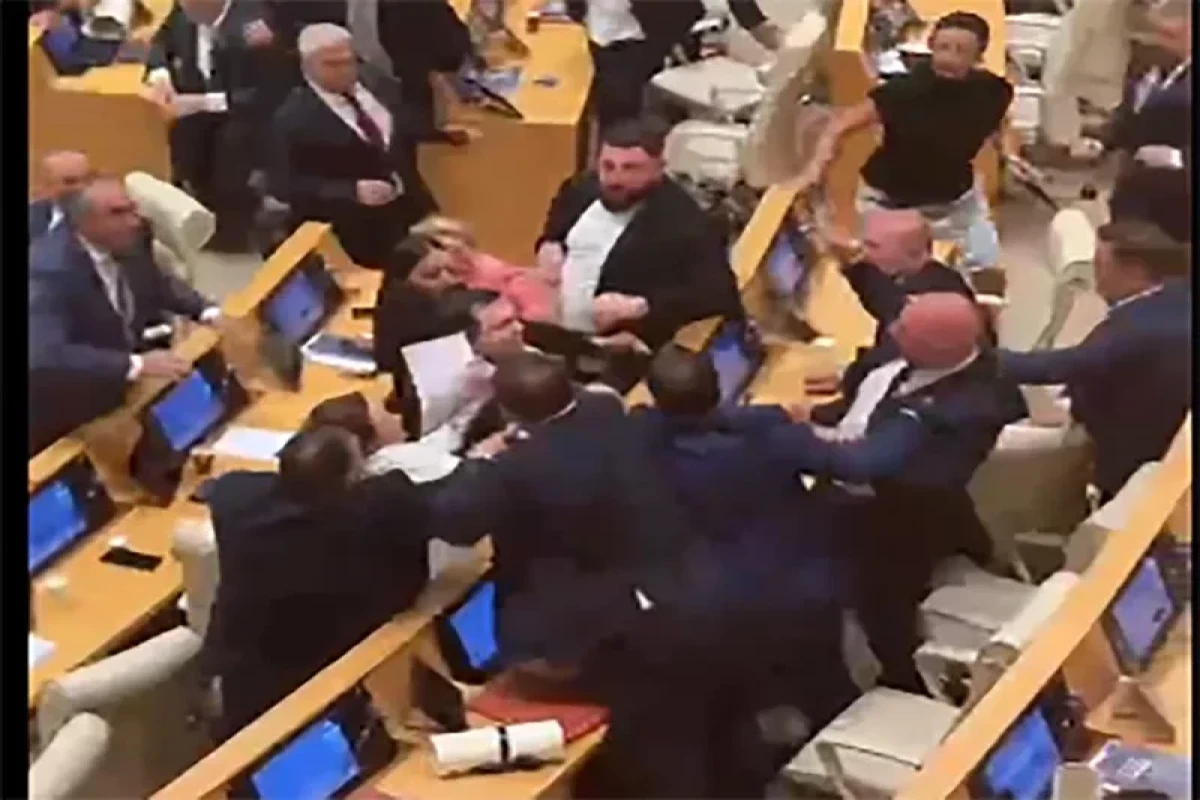
Scuffle breaks out during Georgian parliament session, proceedings suspended - PHOTO
 20:00
20:00
 26 June 2026
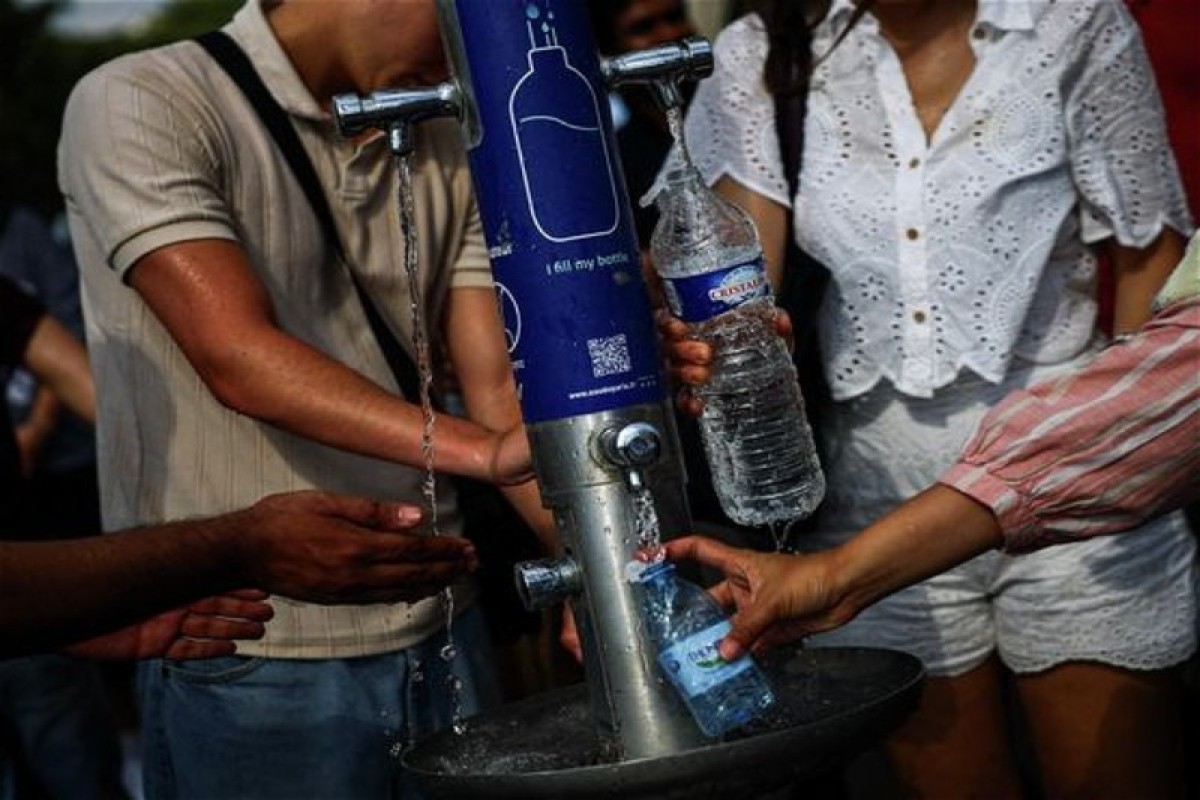
Death toll hits 55 in France as drownings rise amid Europe heatwave
19:07
26 June 2026
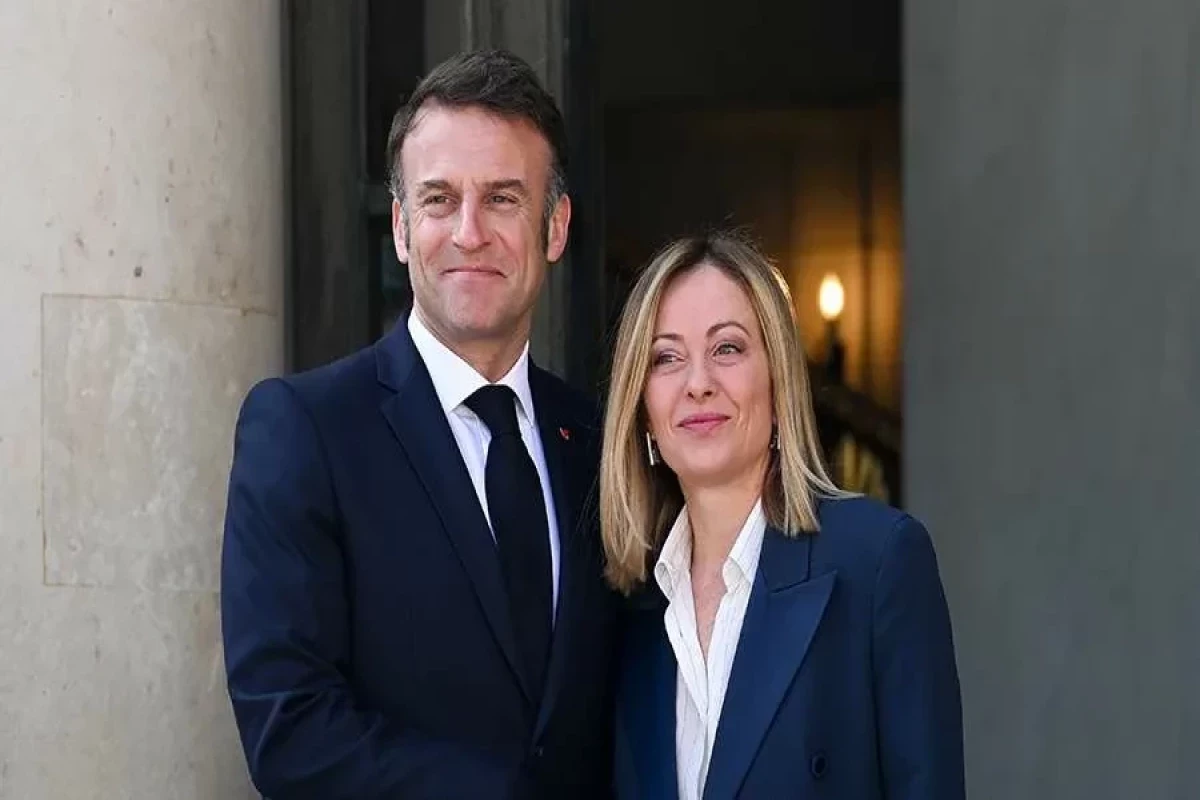
France, Italy seek multinational coalition to support Lebanon after UNIFIL withdrawal
09:02
26 June 2026
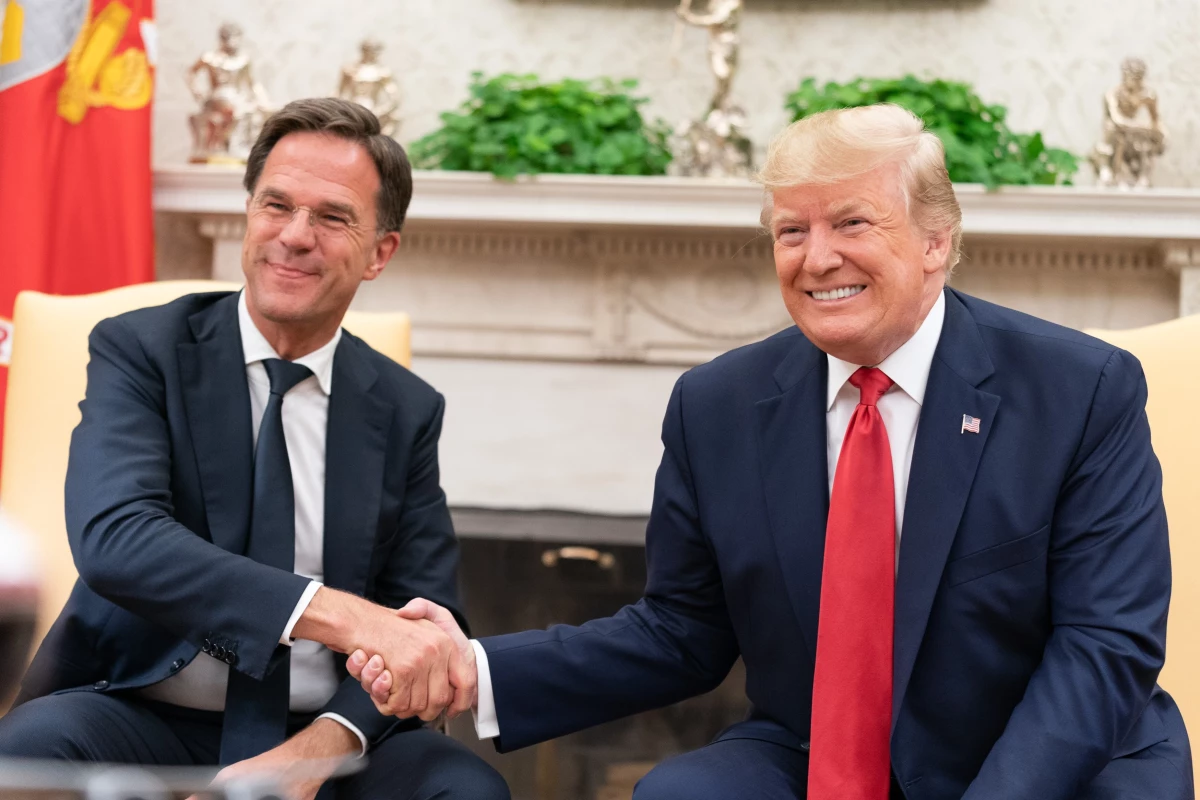
Rutte said he wants to convince Trump of NATO's usefulness at the Ankara summit
01:23
26 June 2026

NEWS FEED
Venezuela quake death toll rises to 92
22:29
26 June 2026
Trump accuses Iran of violating ceasefire with US
20:24
Audio
26 June 2026
Scuffle breaks out during Georgian parliament session, proceedings suspended - PHOTO
20:00
26 June 2026
Turkish ships stranded in Strait of Hormuz safely leave the region
19:56
26 June 2026
Turkish actor Kadir İnanır dies at 77
19:33
26 June 2026
Putin meets with Belarusian President Lukashenko
19:22
26 June 2026
Putin bans deportation of foreigners serving under contract in Russian army
19:19
26 June 2026
Seven Hezbollah fighters killed in Lebanon
19:12
26 June 2026
Explosion followed by fire hits factory in Türkiye
19:10
26 June 2026
Death toll hits 55 in France as drownings rise amid Europe heatwave
19:07
26 June 2026
Baghaei: Joint statement by US and GCC is a distortion of truth
18:40
26 June 2026
Rosatom says plans Bushehr staff return
18:15
26 June 2026
Small aircraft crashes into Beijing’s tallest skyscraper - VIDEO
17:56
26 June 2026
If Iran attacks Israel, it will ‘commit its biggest mistake’: Katz
17:35
26 June 2026
Belarusian President Lukashenko departs for working visit to Russia
17:28
26 June 2026
Russia advises its citizens against traveling to Moldova
17:23
26 June 2026
Death toll from Venezuela earthquake rises to 589 - UPDATED - 4 - VIDEO
16:56
26 June 2026
Azerbaijan and Italian foreign ministers hold phone conversation
16:54
26 June 2026
Senior military ranks presented to servicemen of the Azerbaijan Ministry of Defense - PHOTO
16:23
26 June 2026
CIS Secretary General: Armenia is not considering leaving the CIS
16:16
26 June 2026
Former Russian Defense Minister Sergei Ivanov dies at 73
16:08
26 June 2026
European Commission President Ursula von der Leyen to visit Azerbaijan next week
16:03
26 June 2026
Leadership of the Ministry of Defense visits Alley of Honor, Victory Park, and Military Memorial Cemetery - PHOTO
16:00
26 June 2026
CIS Economic Council meeting held in Moscow, Armenia does not send high-level representative - PHOTO
15:54
26 June 2026
Russia and Ukraine conduct prisoner exchange
15:40
26 June 2026
Proposal made to lower the age of criminal responsibility to 12 in Russia
14:50
26 June 2026
Iran, South Korea discuss regional developments and diplomacy
14:42
26 June 2026
Hormuz shipping depends on coordination with Tehran, Iran deputy FM says
14:30
26 June 2026
State of emergency declared in Crimea and Sevastopol
14:27
26 June 2026
Peskov: It cannot be said that the U.S. is completely neutral in the Ukraine conflict
14:10
26 June 2026
Lavrov responds to Rubio's remarks on Alaska talks
14:06
26 June 2026
Military marches held in Baku, Khankendi, Shusha and five other cities - PHOTO - UPDATED
14:02
26 June 2026
Moldova's ambassador summoned to Russian Foreign Ministry
13:59
26 June 2026
Astrakhan vice governor: We are friends of Azerbaijan and will always stand by it
13:39
26 June 2026
Kazakhstan may begin importing aviation fuel from Azerbaijan
13:10
26 June 2026
Russian delegation inspects construction progress at kindergarten in Gubadli - PHOTO
13:05
26 June 2026
State Duma proposes death penalty for corrupt officials undermining Russia's defense
12:55
26 June 2026
Turkish Ministry of National Defense congratulates Azerbaijan on Armed Forces Day
12:37
26 June 2026
Russia says it shot down 660 Ukrainian drones overnight
12:10
26 June 2026
AZAL plans to expand its fleet to 50 aircraft by 2032 - VIDEO
12:05
26 June 2026
NATO special representative: Azerbaijani Army has a high level of interoperability with NATO standards
11:39
26 June 2026
Ambassador: UK committed to further strengthening partnership with Azerbaijan
11:20
26 June 2026
Montenegro police, FBI arrest Iranian wanted by US for hacking
11:15
26 June 2026
Azerbaijani oil price rises
10:56
26 June 2026
18 railcars of gasoline and 8 railcars of diesel fuel sent from Azerbaijan to Armenia - PHOTO
10:52
26 June 2026
Military march accompanied by military band begins in Nakhchivan - PHOTO
10:49
26 June 2026
17-year-old detained in Dagestan for planning school attacks around the world
10:42
26 June 2026
Magdalena Grono: EU will continue its support for the Azerbaijan-Armenia peace process
10:30
26 June 2026
Military march is held in Khankendi to mark 108th anniversary of Azerbaijan's Armed Forces - PHOTO
10:20
26 June 2026
Military march is held in Ganja to mark 108th anniversary of Azerbaijan's Armed Forces - PHOTO
10:14
26 June 2026


