



Taking into account current consumption and production capacities, Iran needs to import at least 15 million liters of gasoline per day, Yaser Mirzayi, deputy head of Iran’s Energy Efficiency and Strategic Management Organization, told journalists , APA’s Tehran bureau reports.
Yaser Mirzayi expressed concern over the level of gasoline consumption in the country: “We are currently, at this stage, facing a critical situation that requires an urgent solution.”
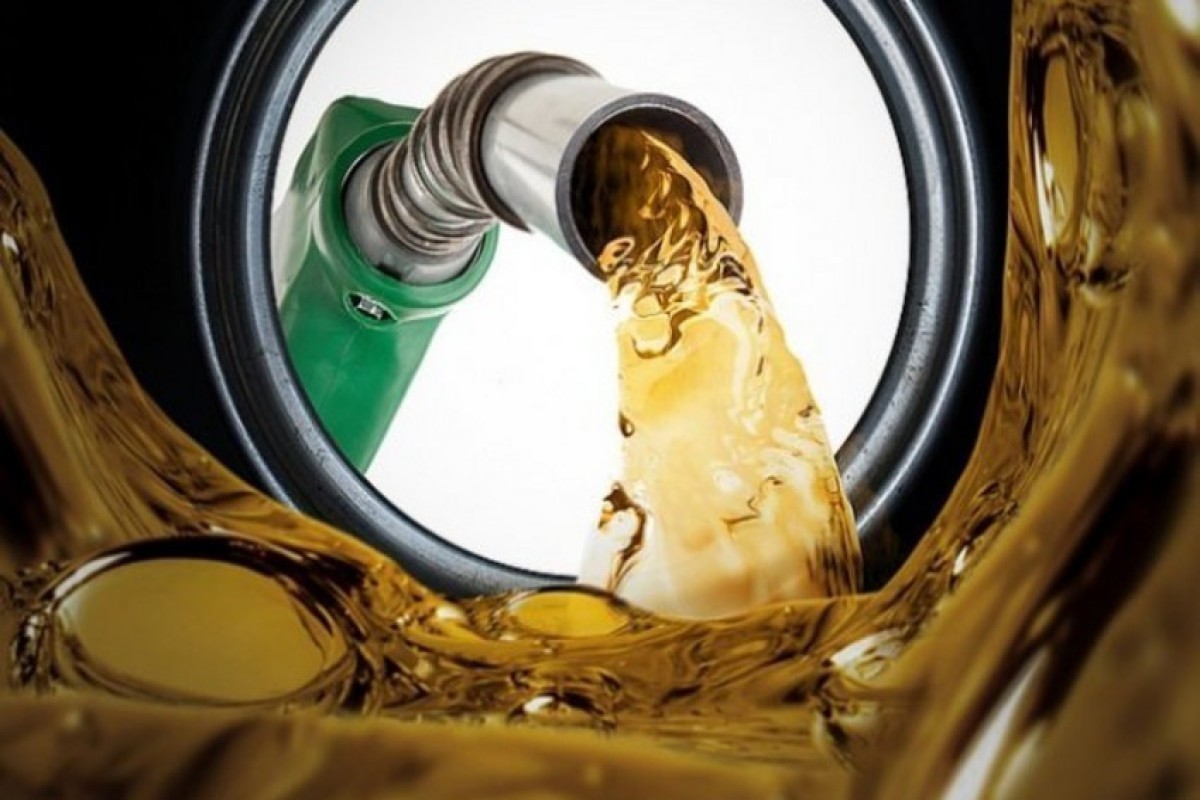
He noted that daily gasoline consumption in Iran has reached approximately 135 million liters. This figure has been recorded at a time when the country is not operating under normal economic conditions and is also facing the effects of “aggressive attacks” and problems related to economic growth.
The Iranian official stressed that the country’s demand for gasoline will increase in the coming months.
“Taking into account current consumption and production capacities, Iran needs to import at least 15 million liters of gasoline per day,” Yaser Mirzayi said.
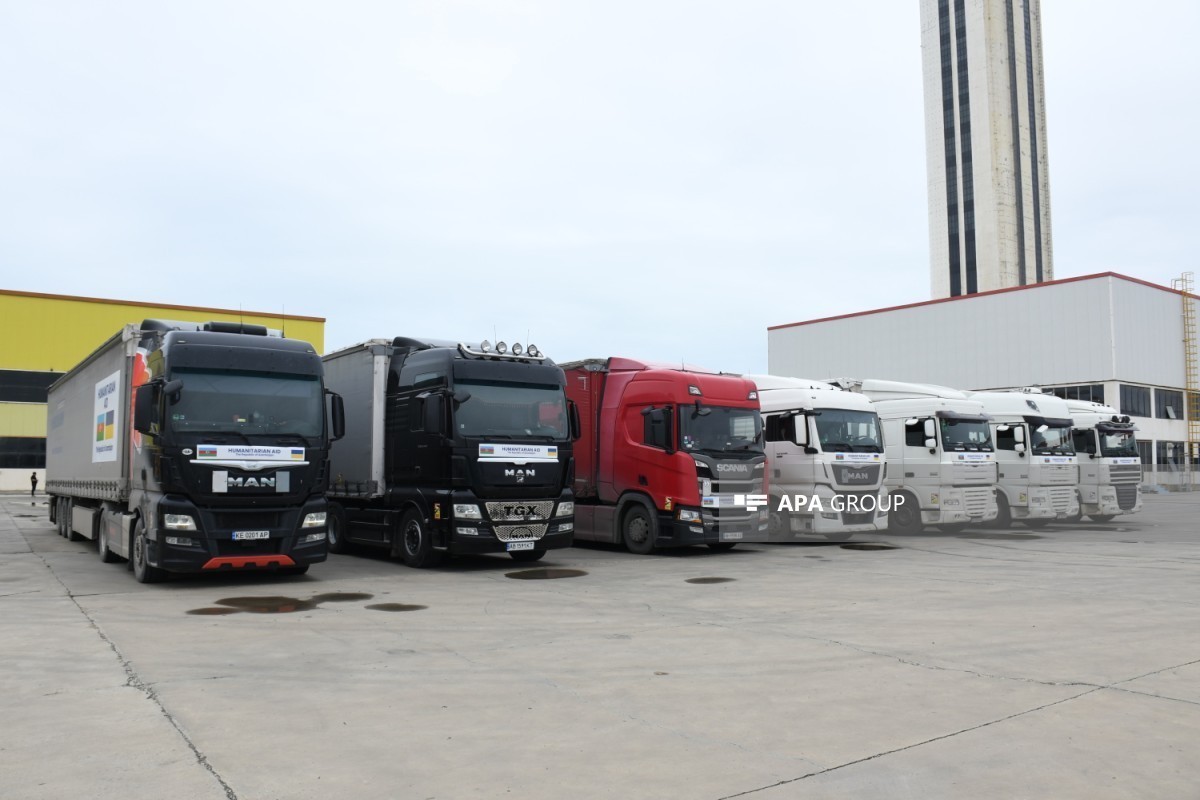
He added that financing, access to foreign currency and logistics issues, particularly along the country’s southern routes, are creating certain restrictions on imports. Restrictions have also emerged on some supply routes from abroad, and some countries that previously had surplus gasoline reserves are currently unable to supply gasoline to Iran.
According to Yaser Mirzayi, under such circumstances, the issue of using the country’s gasoline reserves comes to the fore: “However, reserves should be kept for short-term periods and emergencies and should not be continuously used as a substitute for imports or production.”
In his view, continued use of reserves puts the country in a vulnerable position. Existing reports and calculations show that gasoline reserve levels are approaching a concerning threshold.
Note that in recent days, amid rising gasoline consumption in Iran, problems with imports and a daily shortage, issues such as increasing gasoline prices, introducing various quota systems and distributing fuel among consumers have become one of the main topics of discussion in the country’s economic circles.



 Follow us on Telegram
 t.me/apanewsaz
 Follow us on Instagram
 Follow us on TikTok
 Follow us on Facebook
 Follow us on X