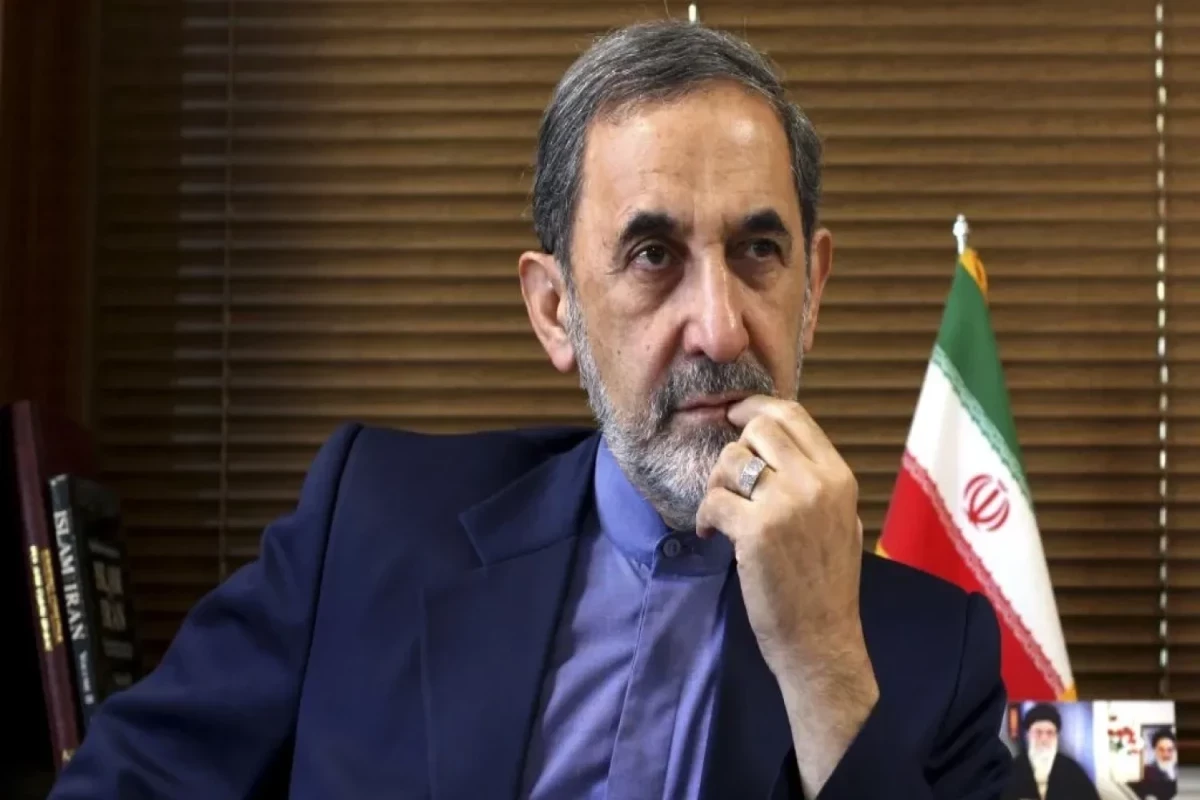
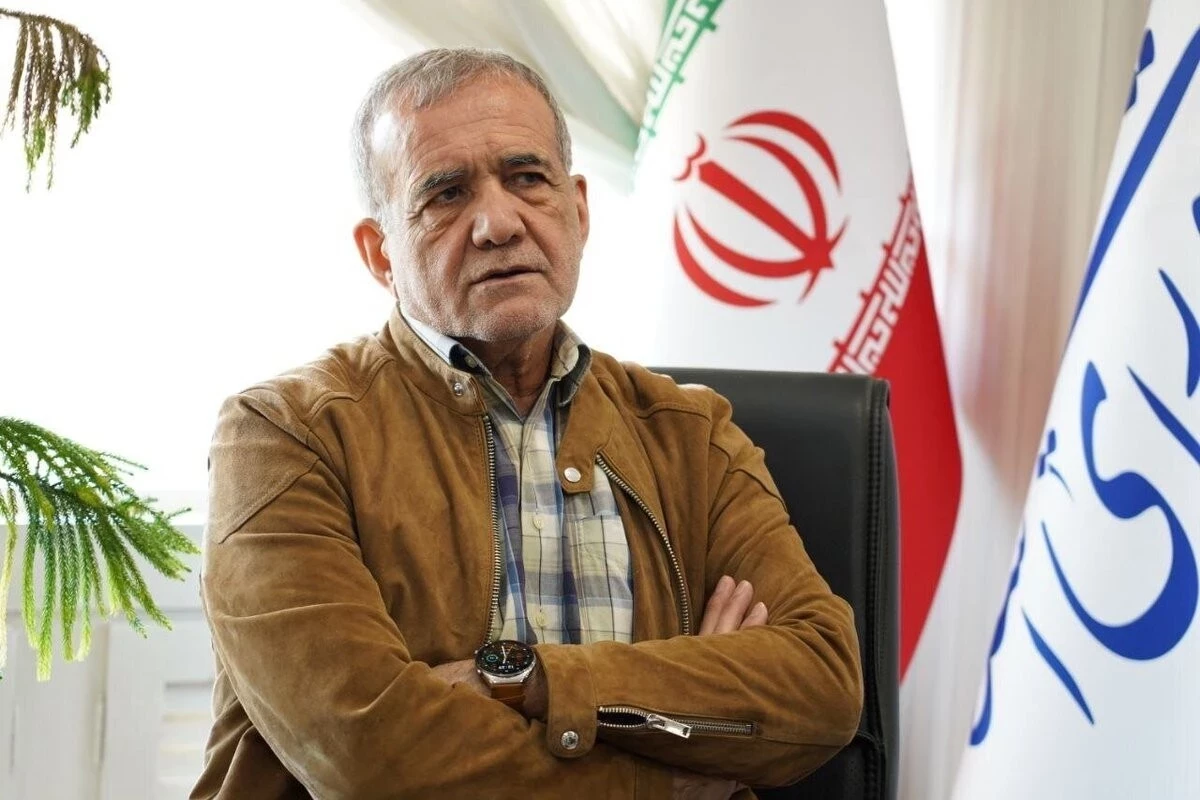
Baku-APA. Supreme Leader Ayatollah Ali Khamenei said Iran would need to significantly increase its uranium enrichment capacity, highlighting a gap in positions between Tehran and world powers as they hold talks aimed at clinching a nuclear accord, APA reports quoting Reuters.
Iran and six major powers - the United States, Russia, France, Germany, China and Britain - have less than two weeks to bridge wide differences on the future scope of Iran's enrichment program and other issues if they are to meet a self-imposed July 20 deadline for a deal.
They resumed talks in Vienna last week and their negotiators continued meetings in the Austrian capital on Tuesday, but there was no immediate sign of any substantive progress.
French Foreign Minister Laurent Fabius said in Paris that none of the major outstanding issues had been agreed and that the United States wanted foreign ministers to join the negotiations.
Iran's capacity to refine uranium lies at the center of the nuclear stalemate and is seen as the hardest issue to resolve.
Iran insists it needs to expand its capacity to refine uranium to fuel a planned network of atomic energy plants. The powers say Tehran must sharply reduce that capacity to prevent the country being able to quickly produce a nuclear bomb using uranium enriched to a far higher degree.
"Their aim is that we accept a capacity of 10,000 separative work units (SWUs), which is equivalent to 10,000 centrifuges of the older type that we already have. Our officials say we need 190,000 SWU. Perhaps this is not a need this year or in two years or five years, but this is the country's absolute need," Khamenei said in a statement published late on Monday.
An SWU is a measurement of the effort necessary for the separation of isotopes of uranium. Western experts say Iran's current centrifuges have a very low enrichment capacity compared with the most modern technology in the world. The Islamic Republic says it is developing new, more efficient models.
Iran says its program is for civilian purposes such as electricity generation and denies having any ambitions to build a nuclear weapon.
Ending the decade-long dispute with Iran is seen as central to defusing tensions and averting the danger of a major Middle East war.
A Western diplomat made clear the uphill task negotiations face if they are to hammer out an agreement: "We're still far from a deal...(However) the deadline is July 20 and that's what we're working towards."
Iran expert Ali Vaez said the negotiations were now at a precarious stage. "This has once again turned into a contest of wills," Vaez, of the International Crisis Group, said.


 Follow us on Telegram
 t.me/apanewsaz
 Follow us on Instagram
 Follow us on TikTok
 Follow us on Facebook
 Follow us on X