










Baku-APA. A senior officer said Monday that Israeli soldiers would show "much more tolerance" toward Palestinian demonstrations than in the past thanks to riot-control training and new equipment designed to reduce injuries and deaths, APA reports quoting Reuters.
Israel is wary of large-scale protests by Palestinians as their leaders sidestep stalled peace talks by appealing for United Nations statehood recognition this month.
A similar deadlock in 2000 triggered a Palestinian revolt that Israel fueled with military crackdowns, resulting in a heavy death toll among unarmed protesters.
Last May and June, pro-Palestinian marchers throwing stones swarmed Israel’s fortified boundary fences from Lebanon and Syria in two separate protests.
Israeli soldiers opened fire, killing 13 people on the Lebanese side and an unconfirmed number, which Syria puts at 23 although Israel disputes this, on the Syrian side.
Brigadier-General Michael Edelstein, the officer crafting Israel’s counter-demonstration doctrines, said troops were now better equipped and trained to police the occupied West Bank and the boundaries with Gaza, Lebanon and Syria.
"The balance has changed. We have more means that we can use, therefore the use of lethal weapons will decrease," he told foreign reporters in a briefing.
He said there was no plan to reinforce military garrisons, which had been practicing non-lethal riot control techniques.
Israel has also invested heavily in riot-dispersal gear including accurate tear-gas launchers, high-powered loudspeakers that emit an intolerable buzzing noise, and cannons for dousing crowds with water or a foul-smelling liquid known as "skunk."
The objective, Edelstein said, was "to be able to handle riots while diminishing casualties on both sides."
Asked if this meant that Israeli forces, accused in the past of shoot-on-sight policies against Palestinians, would now show more tolerance, he said: "Much more tolerance."
The administration of U.S.-backed Palestinian President Mahmoud Abbas has denied seeking bloodshed and Edelstein, like other Israeli officials, said it was too early to know how this month’s showdown at the United Nations would resonate locally.
But the political upheaval of the "Arab Spring" and the events on the border have made Israel nervous.
COORDINATION
In the West Bank, where Abbas holds sway, Palestinian security forces coordinate with the Israeli army, which wields overall control and guards a network of Jewish settlements.
Edelstein said Israeli commanders would try to contact protest leaders in advance to try to prevent friction.
"Our policy, basically, is to let the Palestinian people demonstrate as long as they will be within the Palestinian cities and be -- not controlled, but contained, let’s say -- by the Palestinian authorities," he said.
An Israeli official last year appeared to acknowledge Israel’s failings in dealing with unarmed protests.
A U.S. diplomatic cable published by WikiLeaks quoted Amos Gilad, a senior adviser to Defense Minister Ehud Barak, as saying: "We’re not good at dealing with Gandhi."
Asked about possible marches in rural areas, or near Jewish settlements that have armed patrol squads of their own, Edelstein said the permissible limits would be decided by the military on site.
For instance, a thousand demonstrators would not be allowed to come within two metres of an Israeli security fence, nor would the military allow protesters to attack Israel’s West Bank barrier, which cuts through Palestinian land and has sparked frequent clashes.
He said commanders in the field would use loudhailers with a range of 1 km (half a mile) to issue orders in Arabic, and would try to converse with protest leaders by phone.
Edelstein, a former commando now in charge of Israel’s infantry, saw no doctrinal problem in transforming thousands of soldiers into de-facto paramilitary police auxiliaries.
"To have people who have a good readiness for war and to shift them to these tasks is much easier than the other way around," he said.


 Follow us on Telegram
 t.me/apanewsaz
 Follow us on Instagram
 Follow us on TikTok
 Follow us on Facebook
 Follow us on X
Asia
Iran exported 50m barrels since US blockade lifted
 23:58
23:58
 30 June 2026
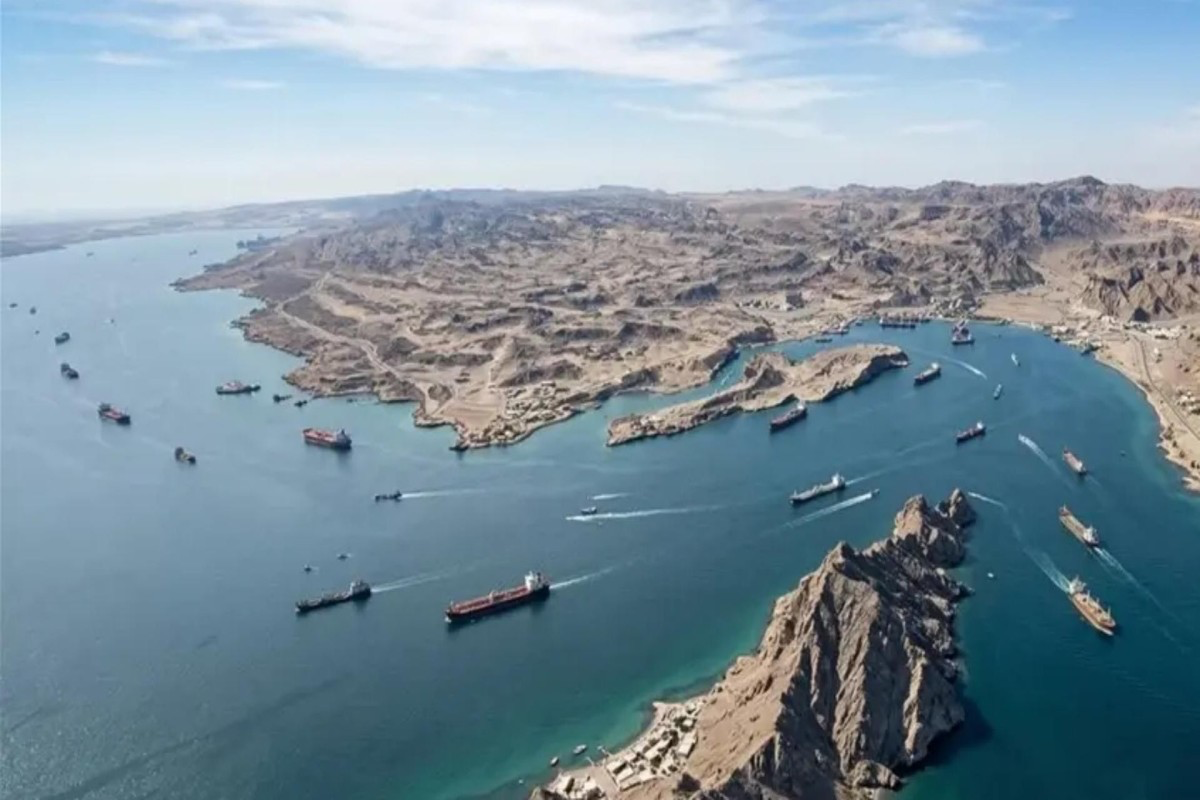
Oman proposes Strait of Hormuz fee plan to US
20:45
30 June 2026
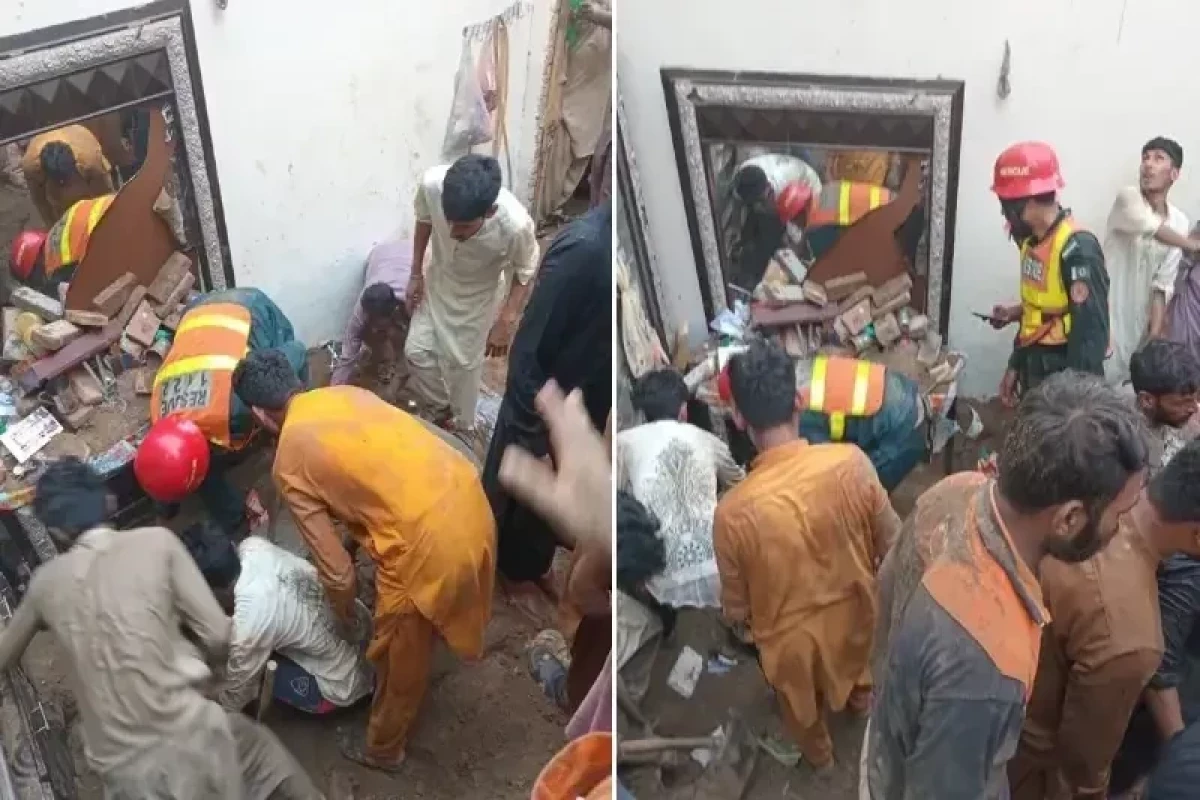
14 students killed as tuition academy roof collapses in Pakistan's Lahore
18:46
30 June 2026
Iran FM: No separate meeting with the US planned in Doha, discussions will focus on memorandum
15:56
30 June 2026

NEWS FEED
Iran exported 50m barrels since US blockade lifted
23:58
30 June 2026
White House puts cost of Iran war at about $30 billion
23:25
Audio
30 June 2026
Norway to face Brazil after defeating Ivory Coast 2-1
23:04
30 June 2026
Trump calls birthright citizenship ruling "massive" win for China
22:55
Audio
30 June 2026
Oman proposes Strait of Hormuz fee plan to US
20:45
30 June 2026
Russia strikes energy facilities in Zaporizhzhia
19:44
30 June 2026
Appeal hearing on complaints filed by Armenian citizens continues
19:02
30 June 2026
14 students killed as tuition academy roof collapses in Pakistan's Lahore
18:46
30 June 2026
Lithuania's parliament approves Sinkevičius as prime minister
18:15
30 June 2026
Azerbaijan FM meets with ICMP Director General Kathryne Bomberger
18:10
30 June 2026
Israel's so-called "Armenian genocide" decision: Azerbaijan once again became the first to stand by Türkiye - ANALYSIS
17:37
30 June 2026
President Ilham Aliyev offers condolences to Delcy Rodríguez over earthquake in Venezuela
17:16
30 June 2026
First meeting of heads of religious affairs institutions of OTS member states held in Shusha - PHOTO - UPDATED
17:12
30 June 2026
Heads of OTS religious affairs institutions tour Shusha - PHOTO
17:09
30 June 2026
Iran: Speaker Ghalibaf's visit to Baku was successful
16:36
30 June 2026
Milli Majlis Support Group calls for granting Corsican people the broadest autonomy
16:30
30 June 2026
Iran FM: No separate meeting with the US planned in Doha, discussions will focus on memorandum
15:56
30 June 2026
Final communiqué signed following First Meeting of OTS religious affairs chiefs in Shusha - PHOTO
15:50
30 June 2026
Rutte: Claims that the US is distancing itself from NATO are not true
15:29
30 June 2026
Samvel Karapetyan claims Armenian opposition has "secret plan" to remove Pashinyan from power
15:18
30 June 2026
Germany and the Netherlands take command on NATO's eastern flank
15:03
30 June 2026
State Commission announces burial ceremonies for six more missing martyrs
15:02
30 June 2026
US envoy Witkoff and Kushner will be in Qatar, but no meeting with Iran, Qatari official says
14:50
30 June 2026
Morgan Stanley cuts Brent price view as Hormuz flows recover, flags 2027 surplus
14:42
30 June 2026
EU allocates €3.9 billion for drones for Ukraine under €90 billion loan package
14:27
30 June 2026
Fuel sales restricted in Russia's Altai Republic from July 1 to September 1
14:20
30 June 2026
Kremlin to keep names of fuel supplier countries confidential
14:13
30 June 2026
Armenian PM to attend Ali Khamenei's funeral ceremony in Tehran
13:42
30 June 2026
Zelenskyy: Ukrainian long-range strike hits Russia's Dubna Space Communications Center again
13:42
30 June 2026
Uzbek committee chairman: Strengthening cooperation in religion and education across the Turkic world is essential
13:40
30 June 2026
ICMP chief: More mass and clandestine graves remain to be discovered - INTERVIEW
13:38
30 June 2026
2 members of Iran's IRGC killed in shooting: Reports
13:33
30 June 2026
Azerbaijani and Kazakh foreign ministers hold phone call
13:29
30 June 2026
Türkiye strengthens air defense capabilities, considers acquiring SAMP/T and Patriot systems
13:23
30 June 2026
Azerbaijan identifies new grounds for temporary restriction of internet information resources
13:16
30 June 2026
Azerbaijan moves to tighten penalties for repeated online gambling
13:16
30 June 2026
International conference on missing persons held in Baku - PHOTO - UPDATED
13:06
30 June 2026
Talantbek Tashybekov: Strengthening coordination on religious policy within the OTS is essential
12:58
30 June 2026
International congress held in Baku as part of Turkic World Week
12:52
30 June 2026
Customs duty exemption to be introduced for exports of goods produced in the Alat Free Economic Zone
12:48
30 June 2026
State Commission: Azerbaijan to acquire specialized underground radar systems for missing persons searches
12:36
30 June 2026
Safi Arpaguş: Turkic states should strengthen coordination in religious affairs
12:32
30 June 2026
OTS Secretary General: New cooperation format on religious affairs will contribute to social cohesion and stability
12:25
30 June 2026
Ramin Mammadov: Foundation laid in Shusha for OTS' first multilateral platform in the religious sphere
12:21
30 June 2026
Georgian speaker: Azerbaijan-Armenia peace process creates cooperation opportunities for the region
12:17
30 June 2026
Nearly 100 bcm of Azerbaijani gas transported via TANAP to date
12:15
30 June 2026
Uzbekistan's Culture Minister: Unity is essential in the face of threats
12:06
30 June 2026
ANAS: Acts of culturicide documented in the liberated territories
12:05
30 June 2026
Azerbaijan moves to revise legislation on IDP status
11:55
30 June 2026
Azerbaijan to establish Permanent Settlement Fund in liberated territories
11:55
30 June 2026


