










Baku-APA. Australia is headed for its first hung parliament in 70 years after a general election Saturday failed to deliver a majority to either the ruling center-left Labor government of Prime Minister Julia Gillard or her Liberal-National coalition rival Tony Abbott, APA reports quoting The Wall Street Journal.
Ms. Gillard said the election was "too close to call," with neither side winning a clear mandate to govern. She added that nonparty independent lawmakers would play a key role in deciding who forms the new administration.
The result could rattle markets Monday as investors weigh the demands of independent lawmakers who will hold the keys to power.
With 76% of votes counted, there is 2.6% swing against Labor, which has 50.5% of the so-called two-party preferred vote against the center-right coalition’s 49.4%, according to the Australian Electoral Commission. The tight result means neither side has the 76-seat majority needed to form a government in the 150-seat lower house of representatives.
Because Australia lacks a major third force in politics, the balance of power will lie with three nonparty independents drawn from rural Australia with backgrounds in conservative politics, a lawmaker from the small Greens party who won that party’s first ever lower house seat Saturday, and another independent lawmaker with links to the environmentalist movement.
That could lead to horse trading over key areas of policy difference between the two major parties like climate change, plans by Labor to levy a new tax on mining company profits and a national high-speed Internet network.
Stephen Smith, foreign affairs minister in the Gillard government, said Saturda
Antony Green, an election analyst with state broadcaster the Australian Broadcasting Corp., expects the Liberal-National coalition to win 73 seats to Labor’s 72 in what has been one of the most closely fought elections in recent history.
Looming over the close race was a tumultuous political period for this normally stable democracy that culminated in the recent dumping of Kevin Rudd as prime minister in a June Labor party putsch.
Ms. Gillard called an election July 17 to capitalize on a lift in sentiment toward her party soon after she took over, but that lead swiftly evaporated amid internal divisions and damaging leaks with the potential to fell the party.
The election came down to a few traditionally tight races--including in Queensland, Mr. Rudd’s home state, where some voters were still smarting over his ouster, and New South Wales, amid disaffection with the Labor-run state government.
Labor suffered a 9% swing against it in Queensland and a 6% swing in New South Wales.
One of the key independent lawmakers, Bob Katter, said Saturday he would meet with other independents in coming days to thrash out a position for negotiation with the major parties.
"The gong will go to whoever will restore regional Australia," Katter, from a remote area in Queensland state, said.
Tony Windsor, a second independent from New South Wales state, said stability of government must be central to any decision on forming the new administration. A third, Robert Oakeshott, said he already has held informal discussions with the Liberal and Labor parties.
Newly elected Greens lawmaker Adam Bandt, who won a historic victory in the Melbourne seat vacated by outgoing Labor finance minister Lindsay Tanner, could be expected to support the Labor Party, given sharp differences with the Liberals over environmental policies.
"Voting Green was the most powerful vote in Australia," Greens leader Bob Brown said Saturday. The Greens also will hold the balance of power in the upper house Senate, which will be another key factor in negotiations.
The fifth player is Andrew Wilkie, a Tasmania state-based independent.
An outright coalition victory was always seen as unlikely. It needed to win as many as 17 lower-house seats to unseat Labor, a tough task, especially given no first-term government has been defeated in Australia since before World War II.
The election was, in part, a referendum over Mr. Rudd, and the party’s handling of a controversial tax on mining-company profits that played a key role in his ouster.
The tax plan sparked a bitter war with Australia’s biggest mining firms, who argued it would hobble the country’s economy. Labor’s simmering dissatisfaction with Mr. Rudd turned to full revolt.
Days after succeeding Mr. Rudd as prime minister, Ms. Gillard lowered the proposed tax to 30% from 40% in a deal with the country’s biggest miners, prompting new cries of favoritism from smaller miners.
Mr. Abbott of the Liberal-National coalition has vowed to scrap the tax if he comes to power. Two of the three non-party independents have expressed support for the mining tax.
All three also support Labor’s plan to spend as much as US$38 billion (A$43 billion) on a fiber Internet network to make Australia’s data and mobile connections among the world’s fastest, transforming the economy from a relative technology backwater to high-tech modern economy.
The plan has been targeted by the Liberal-National coalition, which has said it favored a slower, less costly alternative that would give the private sector a greater role and use a mix of fiber, copper and wireless technologies.
On climate change, the three are divided.


 Follow us on Telegram
 t.me/apanewsaz
 Follow us on Instagram
 Follow us on TikTok
 Follow us on Facebook
 Follow us on X
Asia
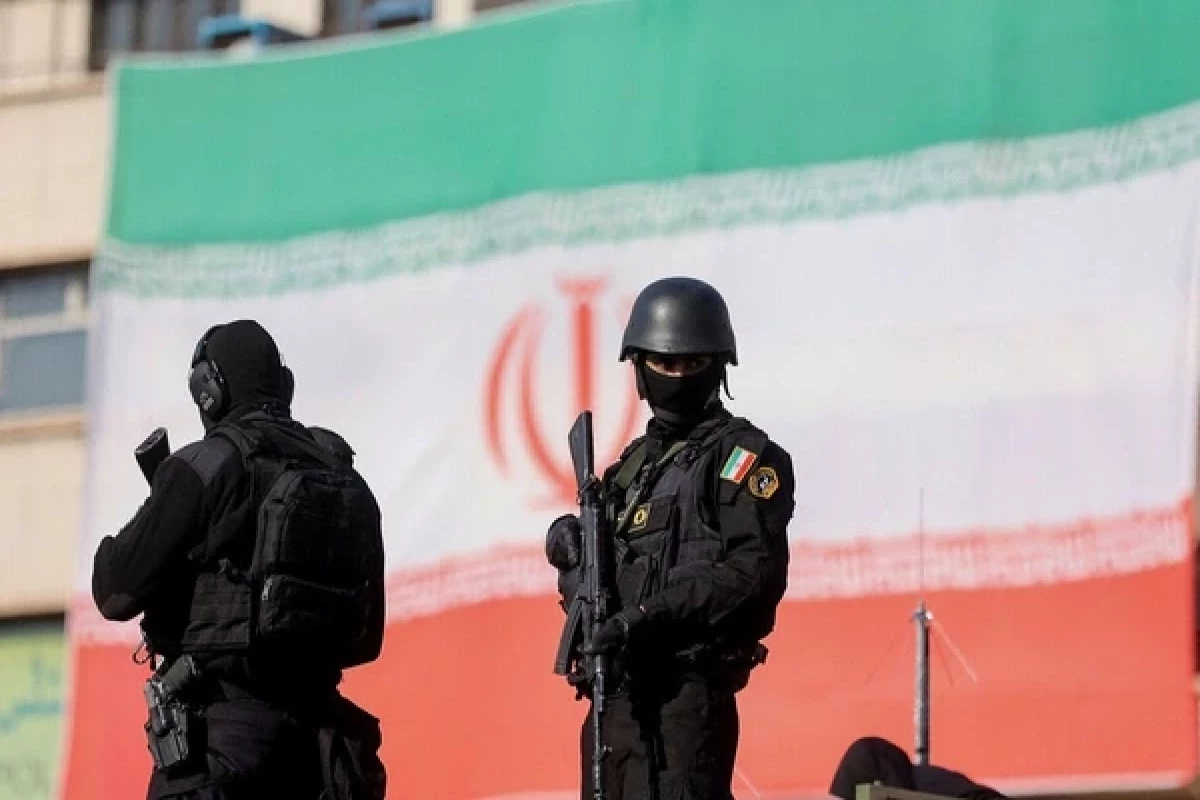
IRGC says it struck US military positions in response to US airstrike on Iran
 01:43
01:43
 27 June 2026
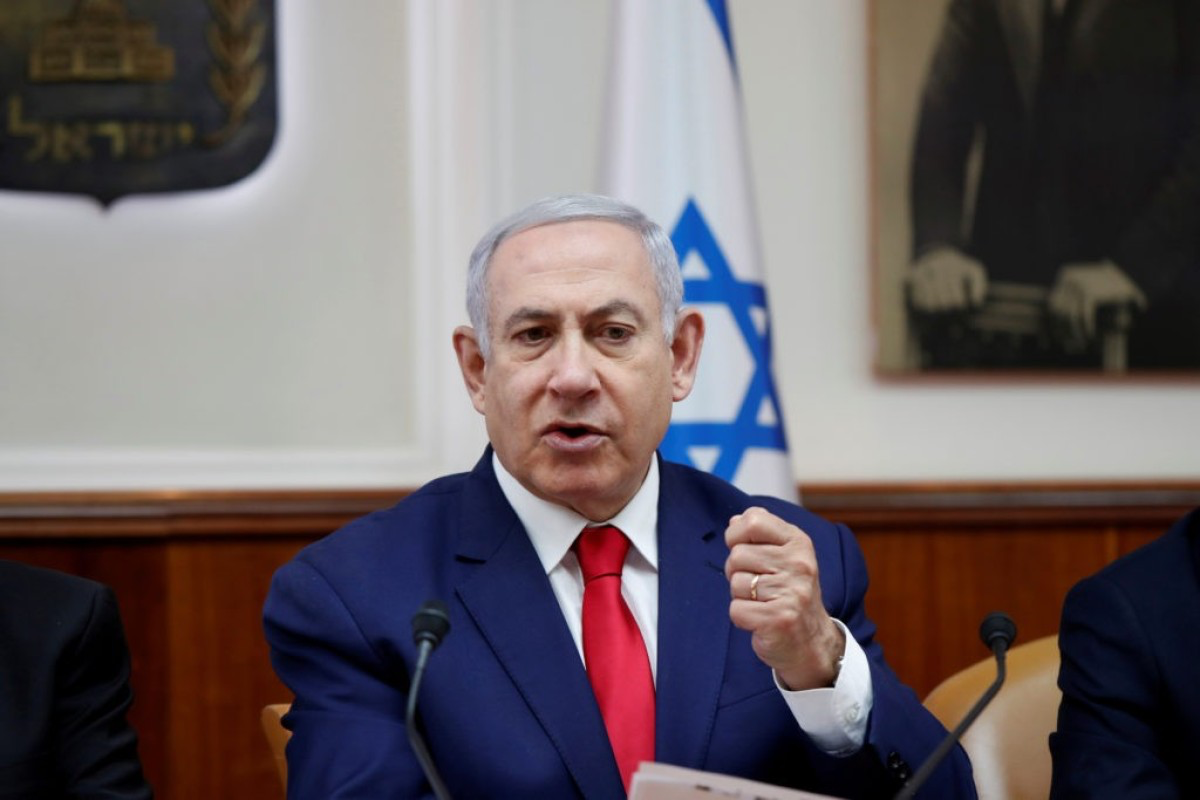
Netanyahu says Israeli army will remain in southern Lebanon ‘security zone’ until Hezbollah disarmed
23:49
26 June 2026
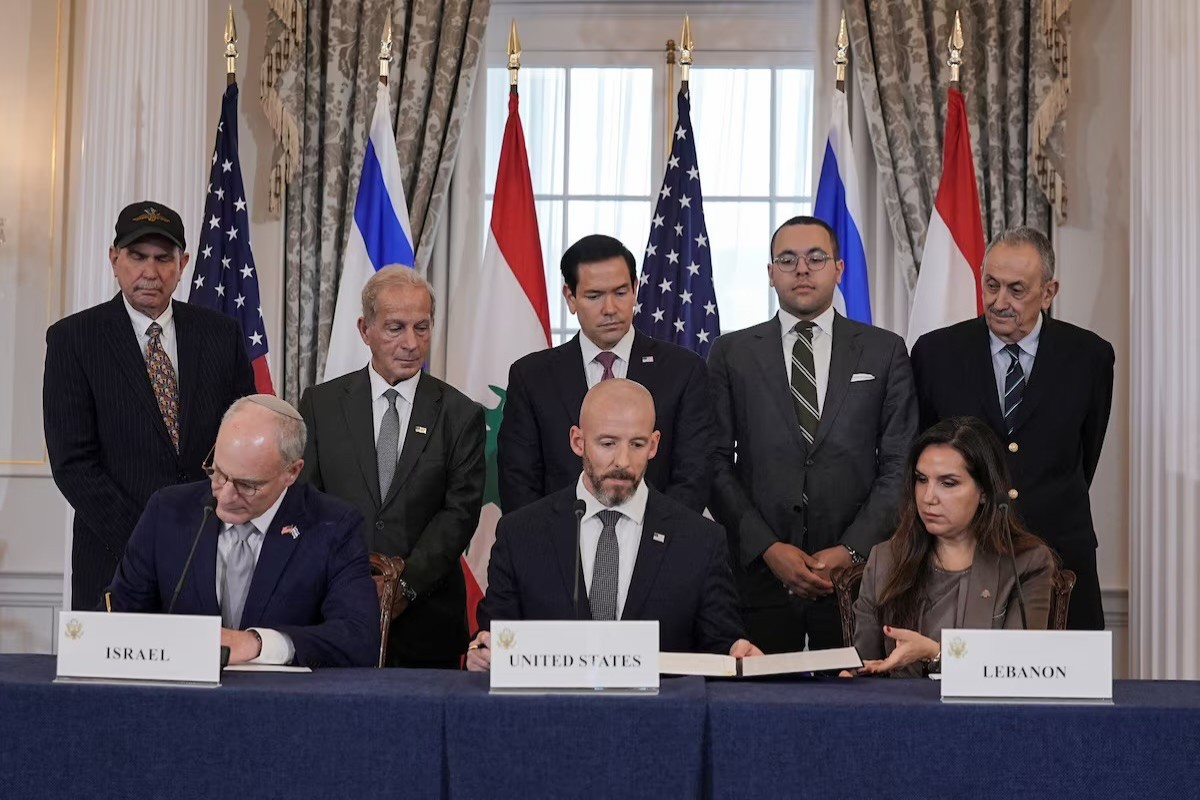
Israel, Lebanon sign framework peace deal after US-mediated talks
22:36
26 June 2026
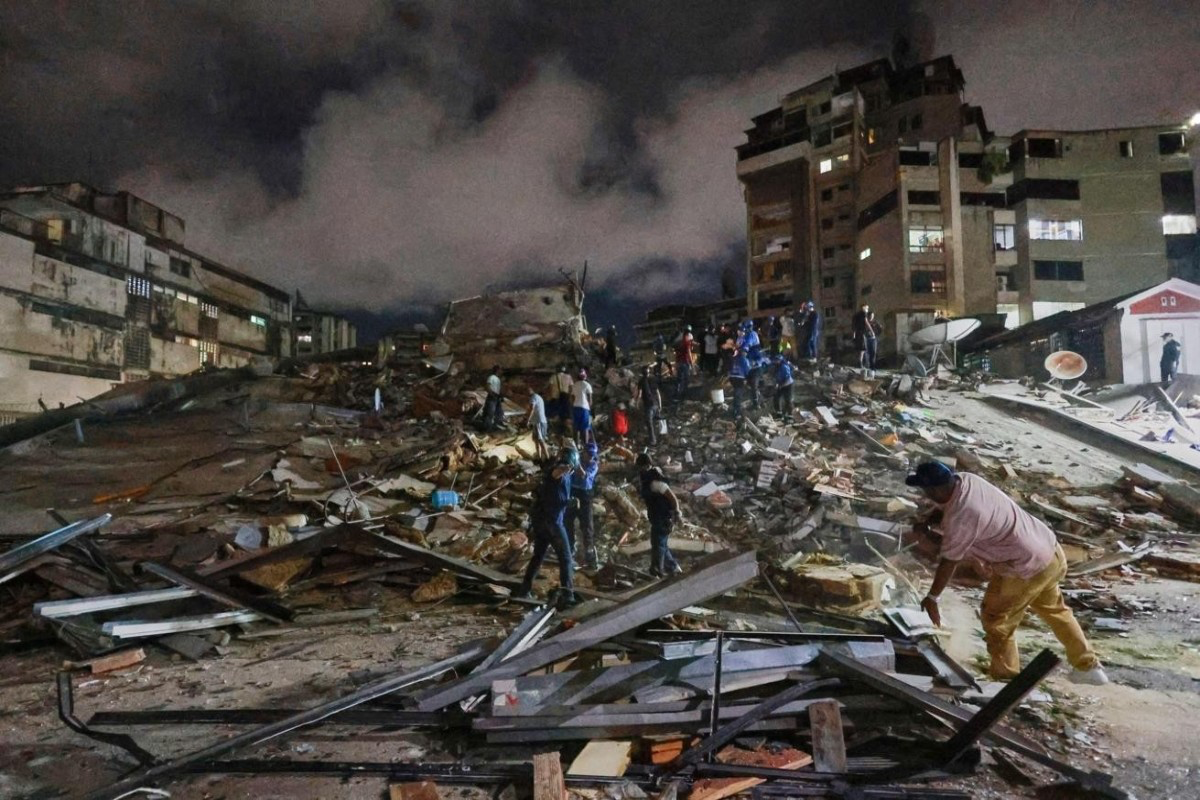
Venezuela quake death toll rises to 92
22:29
26 June 2026

NEWS FEED
Vance: US ready to discuss memorandum disagreements with Iran
02:39
Audio
27 June 2026
IRGC says it struck US military positions in response to US airstrike on Iran
01:43
27 June 2026
France wins Group I after beating Norway 4-1
01:13
27 June 2026
US strikes Iranian targets in response to attack on cargo ship
00:47
Audio
27 June 2026
Netanyahu says Israeli army will remain in southern Lebanon ‘security zone’ until Hezbollah disarmed
23:49
26 June 2026
UK guarantees $1 billion World Bank loan to Ukraine
23:20
26 June 2026
Israel, Lebanon sign framework peace deal after US-mediated talks
22:36
Audio
26 June 2026
Venezuela quake death toll rises to 92
22:29
26 June 2026
Trump accuses Iran of violating ceasefire with US
20:24
Audio
26 June 2026
Scuffle breaks out during Georgian parliament session, proceedings suspended - PHOTO
20:00
26 June 2026
Turkish ships stranded in Strait of Hormuz safely leave the region
19:56
26 June 2026
Turkish actor Kadir İnanır dies at 77
19:33
26 June 2026
Putin meets with Belarusian President Lukashenko
19:22
26 June 2026
Putin bans deportation of foreigners serving under contract in Russian army
19:19
26 June 2026
Seven Hezbollah fighters killed in Lebanon
19:12
26 June 2026
Explosion followed by fire hits factory in Türkiye
19:10
26 June 2026
Death toll hits 55 in France as drownings rise amid Europe heatwave
19:07
26 June 2026
Baghaei: Joint statement by US and GCC is a distortion of truth
18:40
26 June 2026
Rosatom says plans Bushehr staff return
18:15
26 June 2026
Small aircraft crashes into Beijing’s tallest skyscraper - VIDEO
17:56
26 June 2026
If Iran attacks Israel, it will ‘commit its biggest mistake’: Katz
17:35
26 June 2026
Belarusian President Lukashenko departs for working visit to Russia
17:28
26 June 2026
Russia advises its citizens against traveling to Moldova
17:23
26 June 2026
Death toll from Venezuela earthquake rises to 589 - UPDATED - 4 - VIDEO
16:56
26 June 2026
Azerbaijan and Italian foreign ministers hold phone conversation
16:54
26 June 2026
Senior military ranks presented to servicemen of the Azerbaijan Ministry of Defense - PHOTO
16:23
26 June 2026
CIS Secretary General: Armenia is not considering leaving the CIS
16:16
26 June 2026
Former Russian Defense Minister Sergei Ivanov dies at 73
16:08
26 June 2026
European Commission President Ursula von der Leyen to visit Azerbaijan next week
16:03
26 June 2026
Leadership of the Ministry of Defense visits Alley of Honor, Victory Park, and Military Memorial Cemetery - PHOTO
16:00
26 June 2026
CIS Economic Council meeting held in Moscow, Armenia does not send high-level representative - PHOTO
15:54
26 June 2026
Russia and Ukraine conduct prisoner exchange
15:40
26 June 2026
Proposal made to lower the age of criminal responsibility to 12 in Russia
14:50
26 June 2026
Iran, South Korea discuss regional developments and diplomacy
14:42
26 June 2026
Hormuz shipping depends on coordination with Tehran, Iran deputy FM says
14:30
26 June 2026
State of emergency declared in Crimea and Sevastopol
14:27
26 June 2026
Peskov: It cannot be said that the U.S. is completely neutral in the Ukraine conflict
14:10
26 June 2026
Lavrov responds to Rubio's remarks on Alaska talks
14:06
26 June 2026
Military marches held in Baku, Khankendi, Shusha and five other cities - PHOTO - UPDATED
14:02
26 June 2026
Moldova's ambassador summoned to Russian Foreign Ministry
13:59
26 June 2026
Astrakhan vice governor: We are friends of Azerbaijan and will always stand by it
13:39
26 June 2026
Kazakhstan may begin importing aviation fuel from Azerbaijan
13:10
26 June 2026
Russian delegation inspects construction progress at kindergarten in Gubadli - PHOTO
13:05
26 June 2026
State Duma proposes death penalty for corrupt officials undermining Russia's defense
12:55
26 June 2026
Turkish Ministry of National Defense congratulates Azerbaijan on Armed Forces Day
12:37
26 June 2026
Russia says it shot down 660 Ukrainian drones overnight
12:10
26 June 2026
AZAL plans to expand its fleet to 50 aircraft by 2032 - VIDEO
12:05
26 June 2026
NATO special representative: Azerbaijani Army has a high level of interoperability with NATO standards
11:39
26 June 2026
Ambassador: UK committed to further strengthening partnership with Azerbaijan
11:20
26 June 2026
Montenegro police, FBI arrest Iranian wanted by US for hacking
11:15
26 June 2026


