










Baku – APA. The sinking of a naval ship last month called into question the longtime ’Sunshine Policy’, APA reports quoting “The Christian Science Monitorâ€
But could dire health care problems and new UN talks help ease North Korea’s isolated stance in time for six-party-talks?
The late South Korean president, Kim Dae-jung, borrowed from Aesop’s fables when he initiated his "Sunshine Policy" of reconciliation with North Korea after his election in December 1997.
"If we are to win in our fight against Communism," said Mr. Kim, "we will have to see the truth in Aesop’s famous tale in which only the hot sun can take somebody’s heavy coat off, not the blustery, wintry northern wind."
Koreans are considering those words in the cold light of one of the worst episodes since the armistice that ended the Korean War in 1953. Nearly four months after a North Korean submarine fired a torpedo at the South Korean Navy corvette Cheonan in Yellow Sea disputed waters, killing 46 sailors, the search is on for a new paradigm on North Korea. A door for communication might be opening. Just this week, as Amnesty International released a report on the poor state of health care in North Korea, North Korea accepted a UN proposal for leaders to meet face-to-face.
Remember the Sunshine Policy?
Many influential Koreans remember Sunshine as an enduring watchword. "I don’t think it’s the end of Sunshine," says Han Sung-joo, foreign minister in 1994 when the United States and North Korea signed an agreement for the North to give up its nuclear program in exchange for twin light-water nuclear energy reactors. "It is only the end as defined by Kim Dae-jung" and his successor, the late Roh Moo-hyun, president from 2003 to 2008.
In the quest for a new paradigm, the sense that the North cannot endure parallels the reality that it has defied predictions of economic failure and disaster for decades. "It is certainly hard to imagine the sudden melt-away of apparatus of the North Korean Workers’ Party and its military," said Gong Ro-myung, a former foreign minister and chairman of the Sejong Foundation, which has close ties to the South’s government. "There is no indication to suggest a massive ... uprising."
’Change can happen’
Change can happen, Mr. Gong said at a seminar, only if "the next leadership after Kim Jong-il," possibly his youngest son supported by a coterie of generals, "would seriously pursue reform and an open-door policy like China." And China would have to "mount real pressure so that the next leadership in North Korea has to adopt an economic open-door policy."
South Korean planners are full of ideas, most of them positing that North Korea will engage in serious economic restructuring, and that it will come to terms at six-party talks hosted by China on its nuclear program and open up to commercial, mail, Internet, and phone contact.
"We want ... relations, exchanges, and cooperation in a ... reciprocal way," says Mr. Han, who chairs the Asan Institute, a think tank for international conferences. "I don’t think the Sunshine Policy has ended. Rather, it’s a different framework."
He sees the change as one of degree.
"The relationship is not going to be as indulgent or as unconditional as before," says Han, conceding that North-South relations are "at a sort of a nadir." Nonetheless, "both sides are trying to keep the lid on rather than let it explode."
Still hope for a new Sunshine
Not all share such a roseate view. "The Cheonan incident shows Sunshine has failed," asserts Ryoo Kihl-jae, professor at the University of North Korean Studies. "The original goal was to change the North Korean system, but 10 years of Sunshine did not change North Korean policies." Still, he cites three realities that offer hope for Sunshine in a new framework.
"The first is the post-cold-war era has come," says Mr. Ryoo, meaning that North Korea has lost the economic support of the Soviet Union. "Second, there are big differences between North and South Korea’s economic power and standing," internationally. And third, "We know very well North Korea is a failed regime especially after the mid-1990s."
Rather than talk about "engagement," says Ryoo, "the Sunshine Policy must be translated into an ’embracement’ policy." He finds reason for optimism in the history of crises in which clashes did not occur after such tragedies as the Korean Air plane shot down over the Indian Ocean in 1987 or the killing of 17 South Koreans and four Burmese in Rangoon in 1983 by a bomb intended for Gen. Chun Doo-hwan, then South Korea’s president.
Ryoo sees China as a stabilizing influence even though it is not likely to go along with demands for condemning North Korea for the Cheonan incident. "China is very embarrassed," he says.
In fact, many critics of President Lee do not support official rage over Cheonan. "Sunshine is not dead," says Paik Hak-soon, a senior analyst at the Sejong Institute, "it is dormant." He sees the danger of a reversion to tactics employed before Korea’s "democracy constitution in 1987," and predicts that "Sunshine will revive again" under Lee’s successor.
China may be pivotal. "China’s objective is the stability of the Korean Peninsula, the stability of North Korea, and denuclearization," he says. "All this is weakened by South Korea linking the Cheonan case to resumption of six-party talks."
Han sees Sunshine as bursting out again. "The North Koreans will come to the talks only under pressure and some compensation," he says. "China has to conduct its policy to maintain what modicum of influence it has over North Korea." In the end, "the nuclear issue will be resolved" – but "not this year."


 Follow us on Telegram
 t.me/apanewsaz
 Follow us on Instagram
 Follow us on TikTok
 Follow us on Facebook
 Follow us on X
Asia
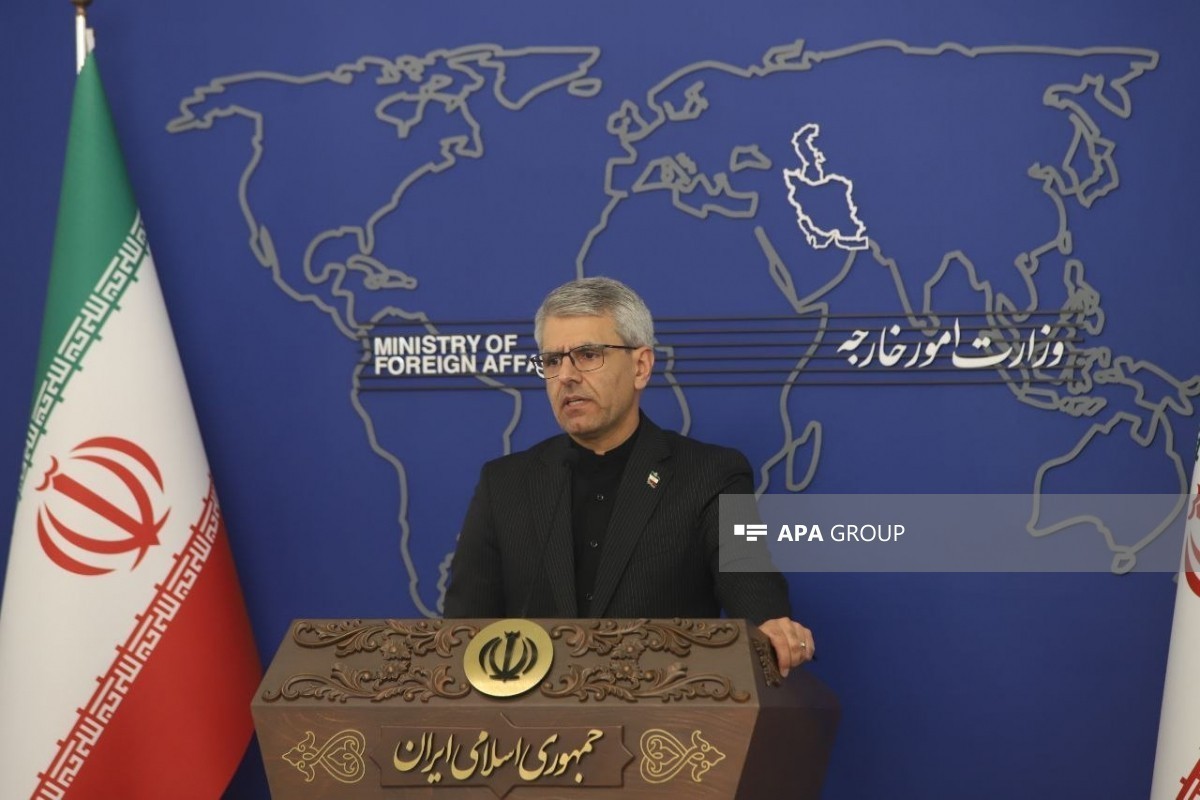
Baghaei: Joint statement by US and GCC is a distortion of truth
 18:40
18:40
 26 June 2026

Small aircraft crashes into Beijing’s tallest skyscraper - VIDEO
17:56
26 June 2026
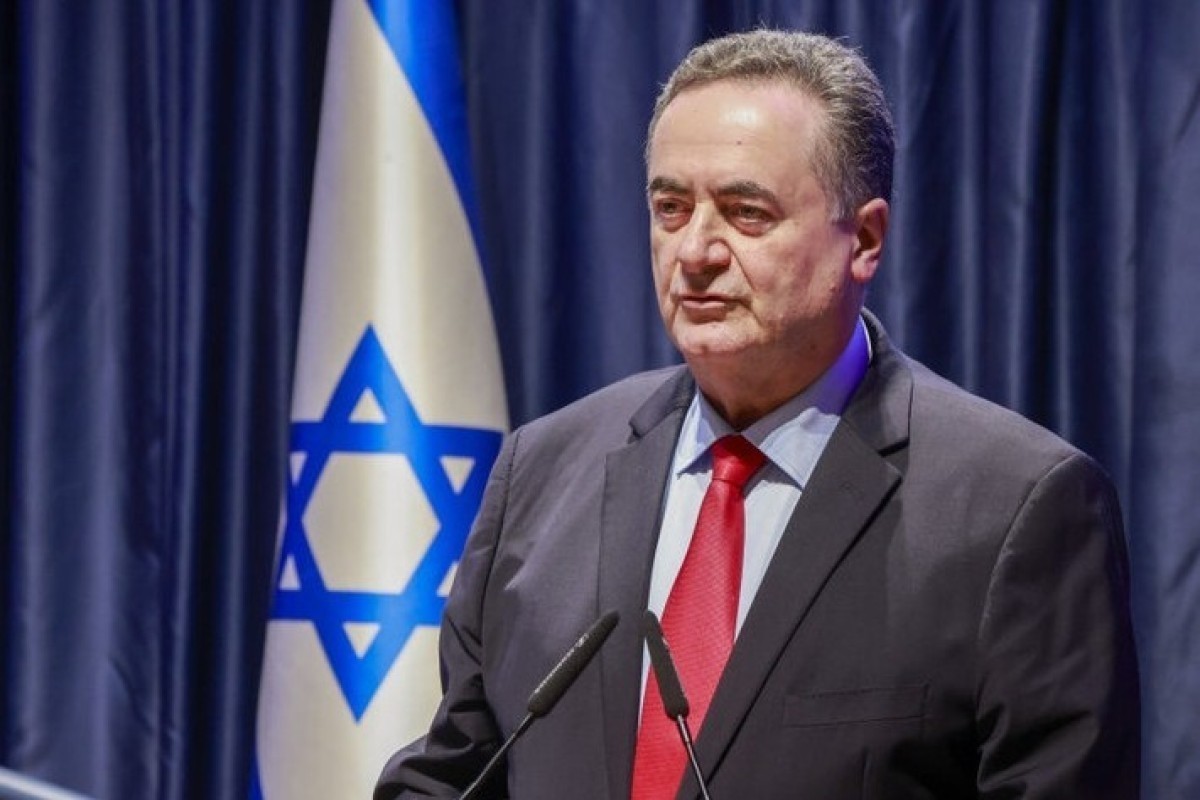
If Iran attacks Israel, it will ‘commit its biggest mistake’: Katz
17:35
26 June 2026
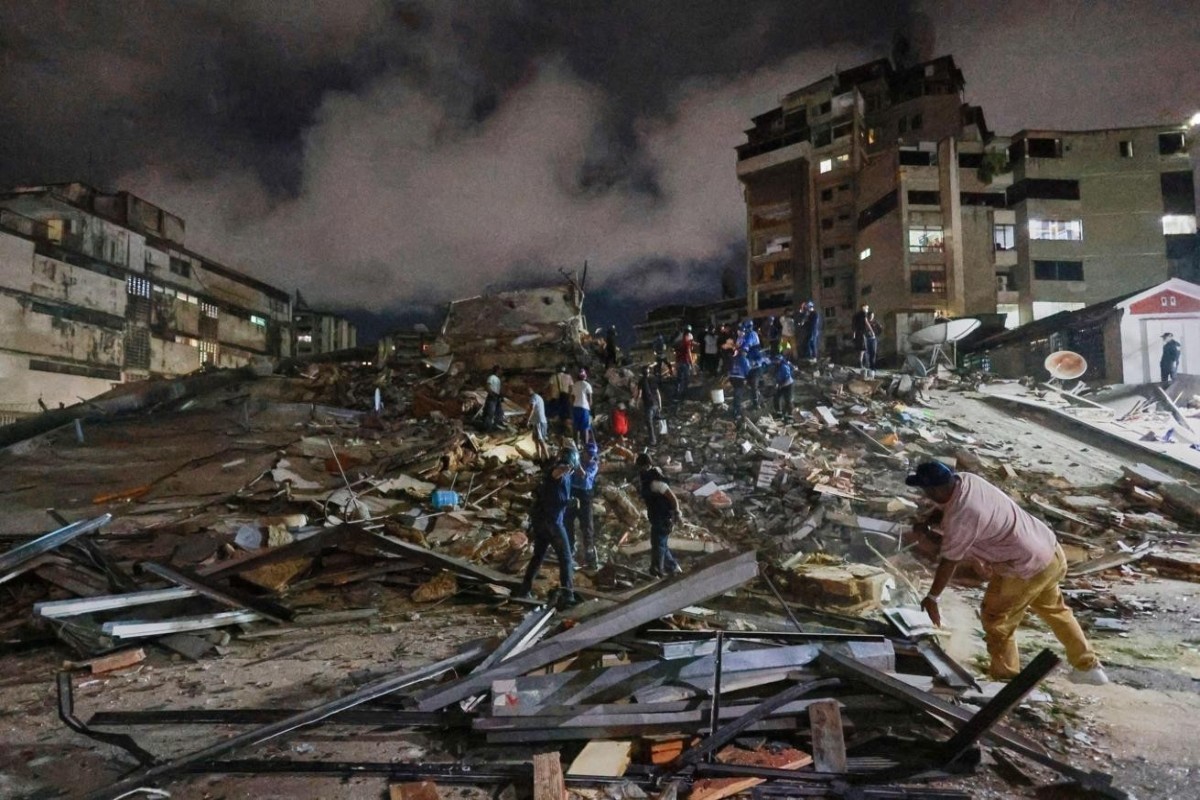
Death toll from Venezuela earthquake rises to 589 - UPDATED - 4 - VIDEO
16:56
26 June 2026

NEWS FEED
Baghaei: Joint statement by US and GCC is a distortion of truth
18:40
26 June 2026
Rosatom says plans Bushehr staff return
18:15
26 June 2026
Small aircraft crashes into Beijing’s tallest skyscraper - VIDEO
17:56
26 June 2026
If Iran attacks Israel, it will ‘commit its biggest mistake’: Katz
17:35
26 June 2026
Belarusian President Lukashenko departs for working visit to Russia
17:28
26 June 2026
Russia advises its citizens against traveling to Moldova
17:23
26 June 2026
Death toll from Venezuela earthquake rises to 589 - UPDATED - 4 - VIDEO
16:56
26 June 2026
Azerbaijan and Italian foreign ministers hold phone conversation
16:54
26 June 2026
Senior military ranks presented to servicemen of the Azerbaijan Ministry of Defense - PHOTO
16:23
26 June 2026
CIS Secretary General: Armenia is not considering leaving the CIS
16:16
26 June 2026
Former Russian Defense Minister Sergei Ivanov dies at 73
16:08
26 June 2026
European Commission President Ursula von der Leyen to visit Azerbaijan next week
16:03
26 June 2026
Leadership of the Ministry of Defense visits Alley of Honor, Victory Park, and Military Memorial Cemetery - PHOTO
16:00
26 June 2026
CIS Economic Council meeting held in Moscow, Armenia does not send high-level representative - PHOTO
15:54
26 June 2026
Russia and Ukraine conduct prisoner exchange
15:40
26 June 2026
Proposal made to lower the age of criminal responsibility to 12 in Russia
14:50
26 June 2026
Iran, South Korea discuss regional developments and diplomacy
14:42
26 June 2026
Hormuz shipping depends on coordination with Tehran, Iran deputy FM says
14:30
26 June 2026
State of emergency declared in Crimea and Sevastopol
14:27
26 June 2026
Peskov: It cannot be said that the U.S. is completely neutral in the Ukraine conflict
14:10
26 June 2026
Lavrov responds to Rubio's remarks on Alaska talks
14:06
26 June 2026
Military marches held in Baku, Khankendi, Shusha and five other cities - PHOTO - UPDATED
14:02
26 June 2026
Moldova's ambassador summoned to Russian Foreign Ministry
13:59
26 June 2026
Astrakhan vice governor: We are friends of Azerbaijan and will always stand by it
13:39
26 June 2026
Kazakhstan may begin importing aviation fuel from Azerbaijan
13:10
26 June 2026
Russian delegation inspects construction progress at kindergarten in Gubadli - PHOTO
13:05
26 June 2026
State Duma proposes death penalty for corrupt officials undermining Russia's defense
12:55
26 June 2026
Turkish Ministry of National Defense congratulates Azerbaijan on Armed Forces Day
12:37
26 June 2026
Russia says it shot down 660 Ukrainian drones overnight
12:10
26 June 2026
AZAL plans to expand its fleet to 50 aircraft by 2032 - VIDEO
12:05
26 June 2026
NATO special representative: Azerbaijani Army has a high level of interoperability with NATO standards
11:39
26 June 2026
Ambassador: UK committed to further strengthening partnership with Azerbaijan
11:20
26 June 2026
Montenegro police, FBI arrest Iranian wanted by US for hacking
11:15
26 June 2026
Azerbaijani oil price rises
10:56
26 June 2026
18 railcars of gasoline and 8 railcars of diesel fuel sent from Azerbaijan to Armenia - PHOTO
10:52
26 June 2026
Military march accompanied by military band begins in Nakhchivan - PHOTO
10:49
26 June 2026
17-year-old detained in Dagestan for planning school attacks around the world
10:42
26 June 2026
Magdalena Grono: EU will continue its support for the Azerbaijan-Armenia peace process
10:30
26 June 2026
Military march is held in Khankendi to mark 108th anniversary of Azerbaijan's Armed Forces - PHOTO
10:20
26 June 2026
Military march is held in Ganja to mark 108th anniversary of Azerbaijan's Armed Forces - PHOTO
10:14
26 June 2026
IAEA chief says ‘very strong’ verification system needed for Iran nuclear program
10:00
26 June 2026
Gold, silver futures decline on COMEX
09:56
26 June 2026
Natural gas futures decline to $3.28 on NYMEX
09:30
26 June 2026
Oil prices decline on global markets
09:29
26 June 2026
Russia expands restrictions on imports of fish products from Armenia
09:20
26 June 2026
World Cup 2026: Turkiye beat US 3-2
09:18
26 June 2026
Trump says U.S. will use Iranian funds to buy wheat, soybeans and corn
09:12
26 June 2026
France, Italy seek multinational coalition to support Lebanon after UNIFIL withdrawal
09:02
26 June 2026
Ecuador advances to knockout rounds at World Cup, beating Germany 2-1
03:02
26 June 2026
Iran warns vessels against unauthorized Hormuz routes after ship attack
01:52
26 June 2026


