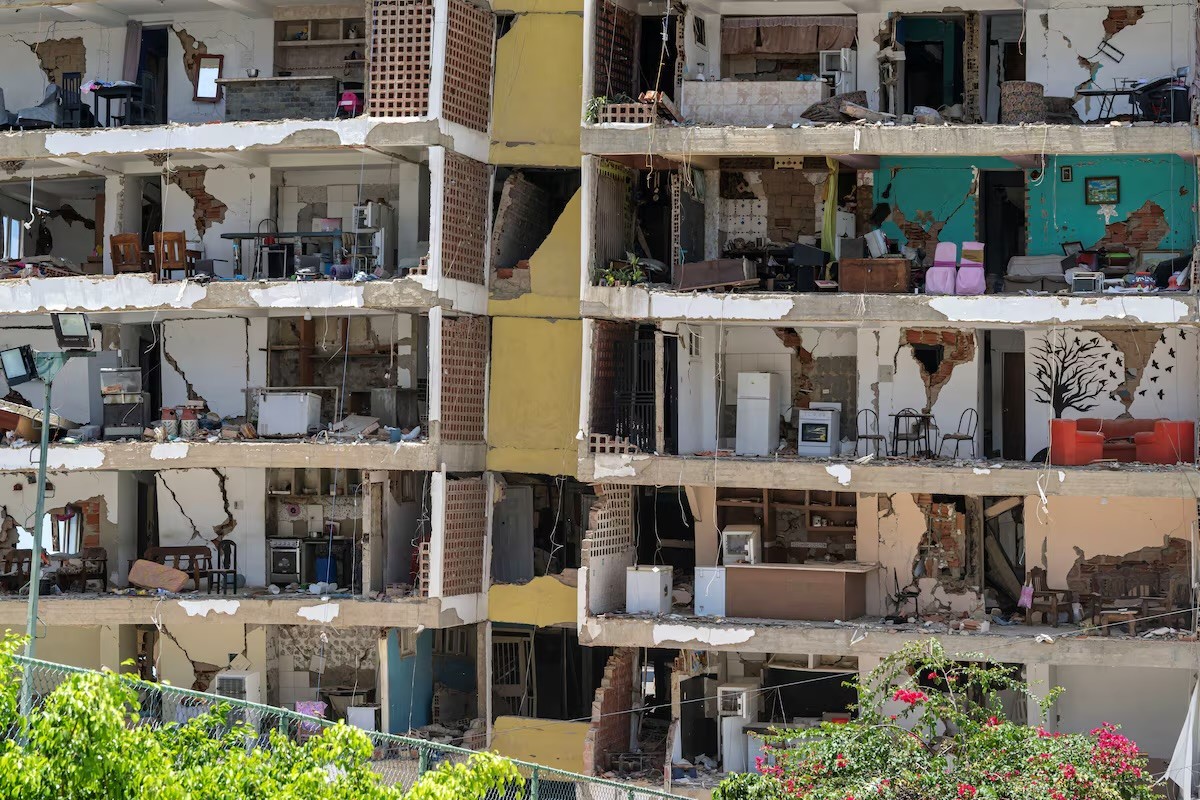
Baku-APA. The International Commission of Inquiry on Syria said on Wednesday that warring parties in the war-torn country failed to comply with their obligations under international humanitarian law, and reiterated the need to solve the crisis through peaceful negotiating ways, APA reports quoting Xinhua.
The latest report covered investigations conducted from July 15, 2013 to Jan. 20, 2014 on the basis of 563 interviews and other collected evidence.
In the report, the commission of inquiry for the first time attributed the opposition groups as non-State armed groups, which encompassed all non-government aligned armed groups.
It was "to better reflect the complex situation on the ground," Paulo Pinheiro, chairperson of the inquiry commission, told the press.
After having noted that hundreds of thousands of Syrian people stuck in humanitarian predicament due to the three-year-old conflict and warring parties' violations of international laws, the latest report pointed out that the ongoing war inside Syria has become deeply fragmented and localized, with the emergence of multiple frontlines involving different parties with shifting priorities.
It said warring parties did not fear being held accountable for their acts, blaming both pro-government and non-State armed groups for having committed massacres, violations of international humanitarian law and the war crimes of murder.
The commission identified, for the first time, specific non-State armed groups that have committed torture as a crime against humanity in Ar-Raqqah governorate.
It found that hospitals, medical and humanitarian personnel and cultural property were deliberately targeted, in disregard of their protected status under international law.
The report added that the commission's investigation on the alleged use of chemical weapons found that sarin gas had been used on multiple occasions, while there were no qualified proof to identify the perpetrator.
"States that exert influence on the parties in Syria must act to ensure that these parties comply with the rules of international humanitarian law," said Pinheiro.
He welcomed the start of peace talks in Geneva, referring to the first two rounds of Geneva II conference over Syria crisis held respectively in January and February.
Pinheiro reiterated that "there is no military solution to this crisis, and only an inclusive negotiation solution can end this conflict."
The commission of inquiry was established in September 2011 by the UN Human Rights Council to investigate all alleged human rights violations since March 2011 in Syria.
The council agreed to extend the commission's mandate for the first time in September 2012. It decided in March 2013 to extend the mandate of the commission for another one year.


 Follow us on Telegram
 t.me/apanewsaz
 Follow us on Instagram
 Follow us on TikTok
 Follow us on Facebook
 Follow us on X