Hurricane Harvey slammed into the Texas coast on Friday as a Category 4 storm with winds of up to 130 miles per hour, the most powerful storm in over a decade to hit the mainland United States, APA reports quoting Reuters.
The hurricane made landfall between Port Aransas and Port O’Connor around 10 p.m. CDT (0300 GMT) and is expected to dump over 3 feet (90 cm) of rain along the Texas coast and parts of Louisiana as it lingers for days.
While thousands fled the expected devastating flooding and destruction, many residents defied mandatory evacuation orders and stocked up on food, fuel and sandbags.
“We’re suggesting if people are going to stay here, mark their arm with a Sharpie pen with their name and Social Security number,” Rockport Mayor Pro Tem Patrick Rios told reporters Friday, according to media reports. “We hate to talk about things like that. It’s not something we like to do but it’s the reality. People don’t listen.”
As many as 5.8 million people were believed to be in the storm’s path, as well as the heart of America’s oil refining operations. The storm’s impact on refineries has already pushed up gasoline prices.
As a Category 4 hurricane on the Saffir-Simpson scale, Harvey could uproot trees, destroy homes and disrupt utilities for days. It is the first major hurricane to hit the mainland United States since Hurricane Wilma struck Florida in 2005.
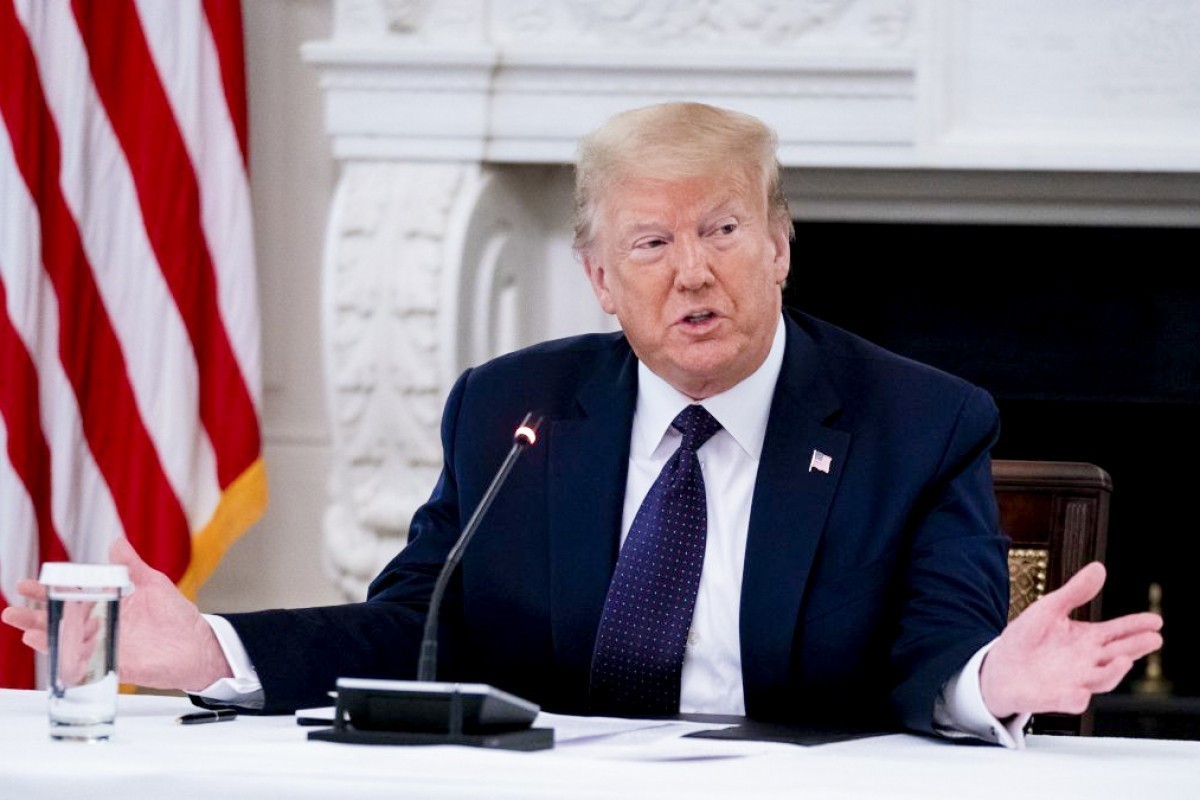
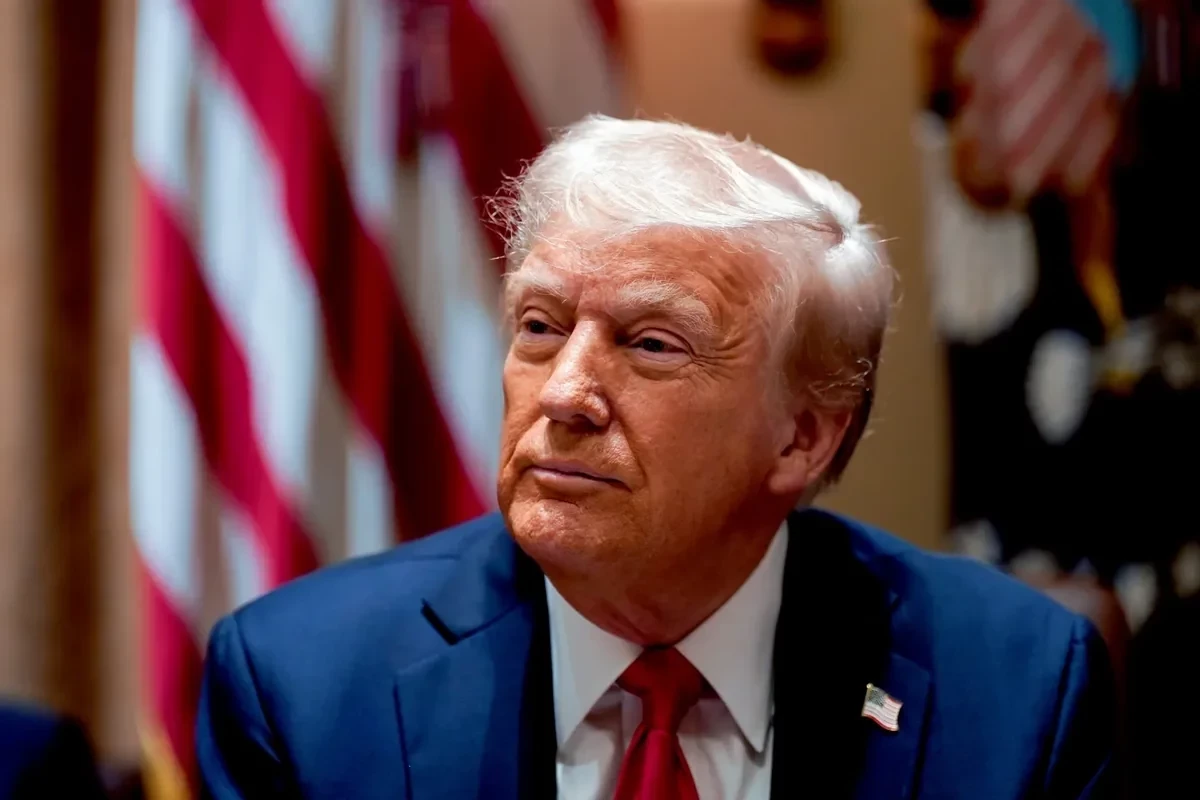
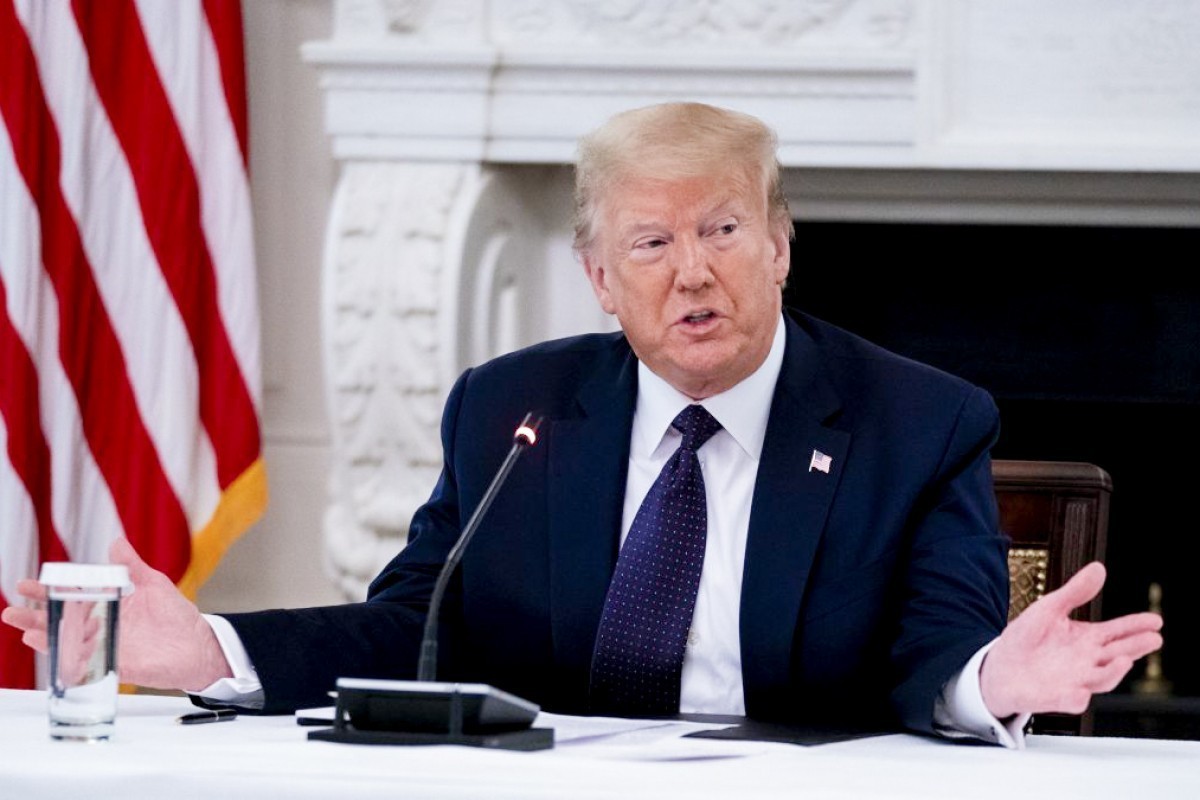
Donald Trump, facing the first large-scale natural disaster of his presidency, said on Twitter he signed a disaster proclamation which “unleashes the full force of government help” shortly before Harvey made landfall.
In Corpus Christi, a city of 320,000 under voluntary evacuation, strengthening winds buffeted the few trucks and cars that continued to circulate on the streets. The storm toppled wooden roadwork signs and littered the streets with pieces of palm trees as white caps rocked sailboats in their docks.


 Follow us on Telegram
 t.me/apanewsaz
 Follow us on Instagram
 Follow us on TikTok
 Follow us on Facebook
 Follow us on X