

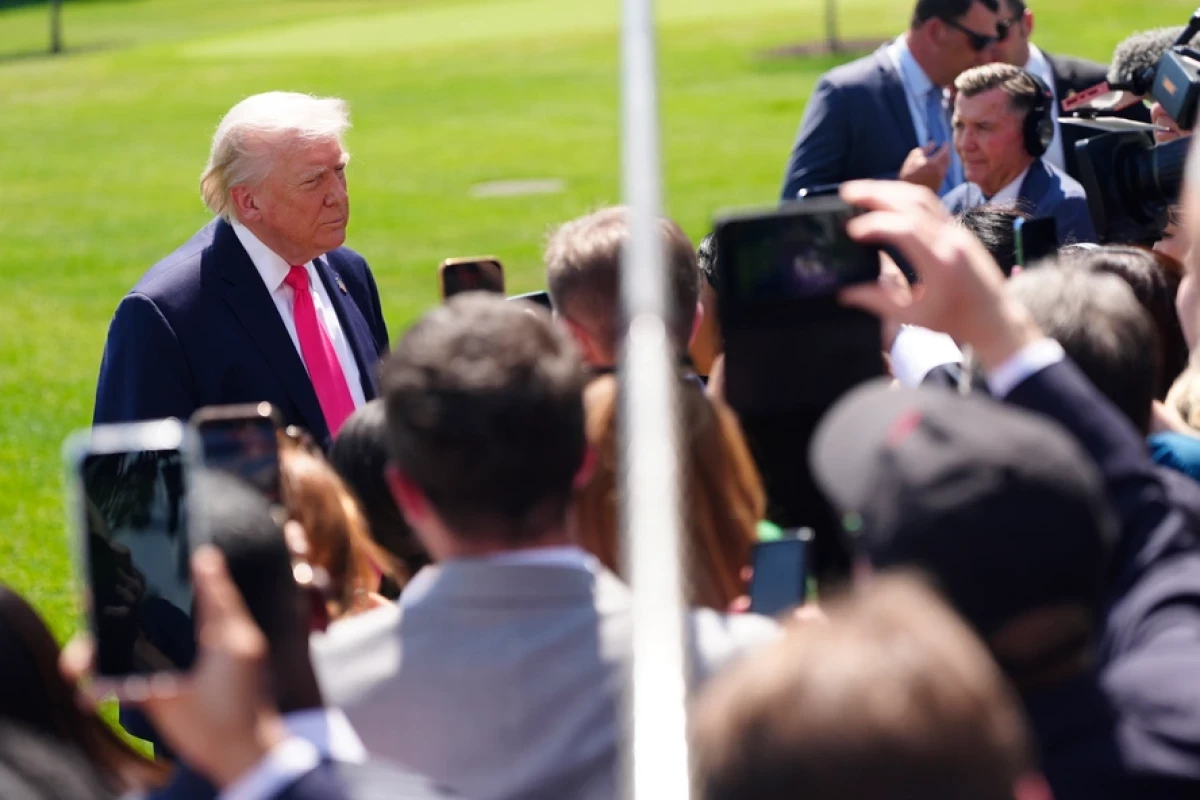

President Donald Trump is eager to negotiate an end to the Iran war as evidenced by his announcement on Thursday of a temporary ceasefire between Israel and Lebanon, Politico reports.
Even as Washington and Tehran remain far apart, Trump’s offer to host Israeli Prime Minister Benjamin Netanyahu and Lebanese President Joseph Aoun at the White House is the latest example of how the American goal posts have moved in just the last several days.
Last week, the president referred to Israel’s attacks against Hezbollah in Lebanon as a “separate skirmish” and insisted that it wasn’t part of the ceasefire deal with Tehran. But in pushing Netanyahu to halt a punishing bombing campaign, Trump has removed a potential deal-breaker for Iran from the equation.
After negotiations last weekend in Pakistan yielded no breakthrough, Trump — facing rising consumer costs and sinking poll numbers — may be more amenable to at least some of Tehran’s demands than his public stance would suggest.
“I think he would accept more compromises because he badly wants this to end,” said a senior Gulf official familiar with the peace talks and granted anonymity to discuss them. Trump “is serious about talks and badly wants this to end, but the Iranians are so far refusing to give him what he needs to save face and leave.”
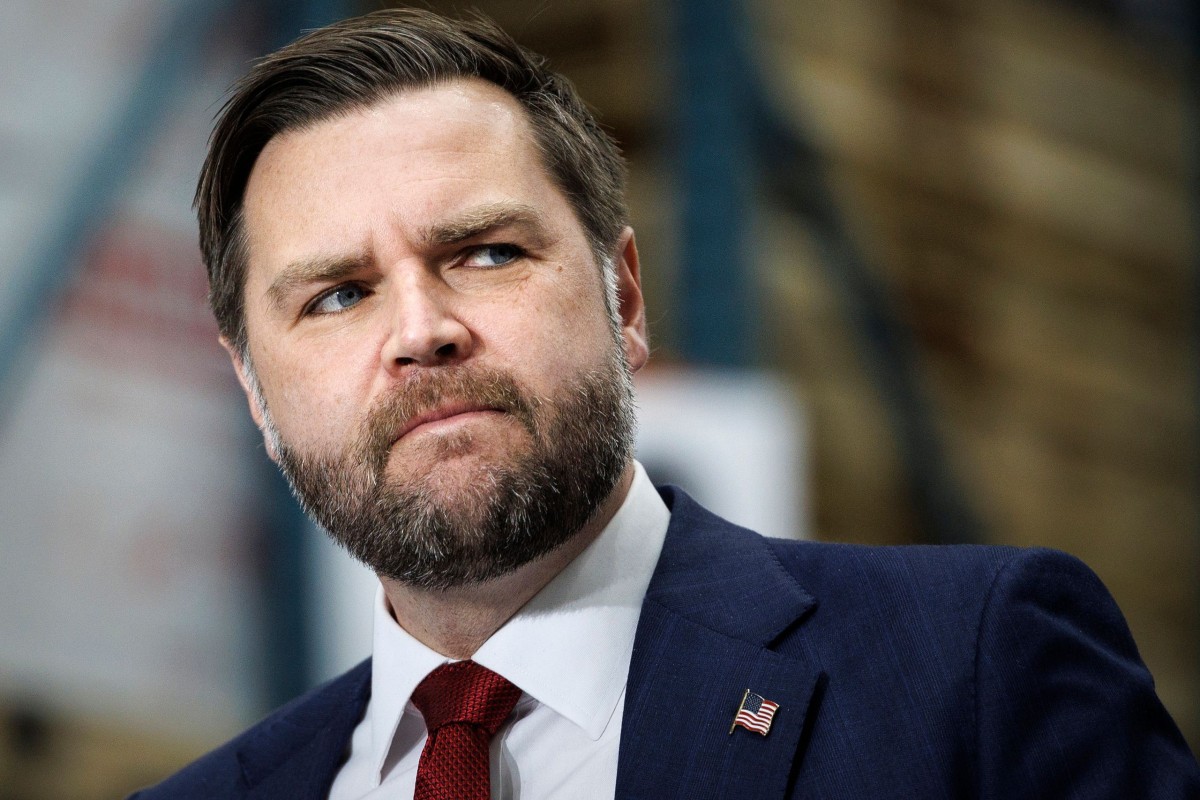
Despite Vice President JD Vance’s statement that he already delivered America’s “final offer” in Islamabad, backchannel talks are ongoing.
Two days after he said that the resumption of high-level talks was only days away, the president told reporters Thursday before departing for Las Vegas that a new round of in-person negotiations could happen as soon as this weekend.
“Iran wants to make a deal, and we are dealing very nicely with them,” he said, reiterating his red line that Iran does not have nuclear weapons and stating that “they are willing to do things today that they weren’t willing to do two months ago.”
Trump seemed to dismiss the idea that a deal that could include a 20-year moratorium on Iran’s ability to enrich uranium but he only explicitly ruled out Tehran getting a weapon. He did not, on Thursday, specifically say Iran would never be able to enrich uranium.


 Follow us on Telegram
 t.me/apanewsaz
 Follow us on Instagram
 Follow us on TikTok
 Follow us on Facebook
 Follow us on X