













Baku-APA. Internal feuds are threatening to unravel the political party of Egypt’s ultraconservative Islamist Salafis, as pragmatists try to shake off the control of hardline clerics who reject any compromise in their stark, puritanical version of Islam, APA reports quoting news.yahoo.com website.
The fight for leadership could paralyze the Al-Nour Party, which rocketed out of nowhere to become Egypt’s second most powerful political force, behind the Muslim Brotherhood. Together, the Brotherhood and Al-Nour embodied the rise of Islamists to prominence after last year’s fall of Hosni Mubarak.
It also underlines the key dilemma in the project of political Islam — what to do when the maneuverings of democratic politics collide with demands for strict purity of religious ideology, particularly the unbending, black-and-white doctrine of the Salafis. Infighting among the Salafis could discredit their aims of radical Islamization of Egypt in the eyes of some Egyptians who saw the movement as pious and uncorrupt, calling for strict adherence to the Quran and the ways of the Prophet Muhammad.
"The party is exploding from inside," Mohammed Habib, who was once a leader in the Muslim Brotherhood, said of Al-Nour. "In the street, it has lost its credibility. People see clerics who they used to see as men of God engaging in earthy disputes. They used to trust them. This will have a negative impact not only on Al-Nour or Salafis but on all Islamists in politics."
Salafis are among the most hardcore conservatives in Egypt, with a stricter vision of Islam than the Brotherhood.
Salafi men are known for their long beards, with the mustache shaved off — a style they say was worn by Muhammad — while the women wear the "niqab," an enveloping black robe and veil that leaves only the eyes visible. They advocate strict segregation of the sexes and an unbendingly literal interpretation of the Quran, saying society should mirror the way the prophet ruled the early Muslims in the 7th Century. They say they want to turn Egypt into a pure Islamic society, implementing strict Shariah law.
They also reject democracy as a heresy, since it would supplant God’s law with man’s rulings.
Nevertheless, after Mubarak’s fall in February 2011, the movement’s main institution of clerics, the Alexandria-based "Salafi Call," backed the creation of Al-Nour to run in parliament elections on the religious principle that "what is necessary permits what is prohibited." The party’s showing was stunning, winning a quarter of the seats, second only to the Brotherhood’s 50 percent of the legislature — a testimony to the popular networks Salafi clerics set up under Mubarak’s rule. Parliament was disbanded by a court ruling this year because of faults in the election law.
Now the party is in a bitter feud over leadership.
The first camp is led by the party’s founder and chief Emad Abdel-Ghafour, who advocates separating between the party and the Salafi Call to give the party ability to maneuver away from clerics’ edicts.
The second camp is tightly connected to a heavyweight Salafi cleric, Yasser Borhami, and opposes separation. Several prominent party figures are in this camp, including former spokesman Nader Bakar, who was removed from his post by Abdel-Ghafour.
The second camp put forward a rival candidate for party leader, Mustafa Khalifa, to run in internal elections. But Abdel-Ghafour then suspended voting, accusing his rivals of forgery to pack party positions with their loyalists.
Now the dispute has been thrown to the state’s Political Parties Committee, which says it will rule Sunday on who is the party’s legitimate leader. It could also suspend the party over the internal fighting.
The feud is the latest embarrassment tarnishing Al-Nour’s image the past year. One of its lawmakers was kicked out of parliament for lying about getting nose job surgery, claiming he had been beaten up by political rivals. Another lawmaker was caught fondling a woman on his lap in a parked car at night and was sentenced to a year in prison for public indecency.
The impact of the feud on its public support has yet to be tested. If Al-Nour breaks up, the Muslim Brotherhood could benefit as some religious conservatives turn to it as a political vehicle. A longtime Brotherhood leader, Mohammed Morsi, is Egypt’s president. Other Salafis could turn to more radical extremist groups, including former jihadist groups that have now formed political parties.
The public display of divisions and bitter exchanges in the press hurt a movement that presents itself as having clear-cut, divinely dictated answers to the country’s problems.
"This is the end of the religious utopia," wrote Khalil Anani, scholar in Islamic movements in the Al-Hayat newspaper. "Mixing ... between political and religious activity is a ticking bomb inside the Islamic currents."
Kamal Habib, an Islamist thinker, said the image of the clerics "has been harmed."
"Clerics should leave politics and let the party work independently from them," he told The Associated Press.
The Al-Nour Party’s pragmatists don’t necessarily hold more moderate views than its pro-cleric camp. Instead, the dispute centers more on issues of personal power and how much a party trying to navigate Egypt’s new political system must adhere to the clerics’ strict lines. The party has already repeatedly wrestled with that question.
Unlike the 86-year-old Brotherhood, which is highly disciplined and deeply versed in politics, the Salafi movement is more of an umbrella for various schools that differ in their views, spiritual leaders and methods. For nearly three decades, the Salafi school shunned politics, spreading its message through mosques, charity, and TV stations. It was not targeted in security crackdowns under Mubarak since it posed no political challenge to the ruling regime, unlike the Brotherhood and violent jihadist groups, some of which were offshoots of the Salafis.
But another result is that it is less cohesive than the Brotherhood, clumsier with politics and more vulnerable to splits.
During this year’s presidential campaign, many young Salafis defied the party by backing the candidacy of Hazem Salah Abu-Ismail, a firebrand cleric who mixed Salafi and revolutionary ideas but who was not welcomed by Al-Nour’s clerics. In the end, Abu-Ismail had to drop out of the race.
The party was further split over which of the two main Islamist candidates to back — Morsi of the Brotherhood or the more liberal Abdel-Moneim Aboul Fotouh, who defected from the Brotherhood. Al-Nour backed Aboul Fotouh out of fear of Brotherhood domination. The elders of the Salafi Call, however, shunned him because of his moderate views and close ties with secularists.
Though both are Islamist movements, opposition to the Brotherhood runs deep among many Salafis, who fear the more organized group will overwhelm them and who say the Brotherhood is too willing to compromise in pursuit of an Islamic state.
Sheik Borhami frequently lashes out at the Brotherhood, warning in one sermon, "If they get empowered, they will curb Salafism, no doubt." He went so far as to meet secretly with Morsi’s opponent in the run-off presidential election, Ahmed Shafiq, who was Mubarak’s last prime minister — embarrassing Al-Nour when word of their talks leaked.
Another top Salafi cleric Abu Ishaq al-Hawani denounced the Brotherhood’s outreach to Christians, who Salafis often say are trying to wreck Egypt’s Islamic character. "This is total loss," he said of past meetings between Brotherhood leaders and the Coptic Christian pope.
In contrast, their rival in the Al-Nour Party, Abdel-Ghafour, has become one of Morsi’s advisers in a sign of cooperation with the Brotherhood.
"It’s politics killing even the most rigid and stubborn ideology," wrote Ashraf el-Sherif, a scholar in Islamist movement studies in an article in April, predicting the collapse of Al-Nour


 Follow us on Telegram
 t.me/apanewsaz
 Follow us on Instagram
 Follow us on TikTok
 Follow us on Facebook
 Follow us on X
Africa
At least twelve dead after migrant boat incident off Gambia
 16:19
16:19
 16 October 2026
Two killed, five injured in shooting in S. Africa
16:09
14 October 2026
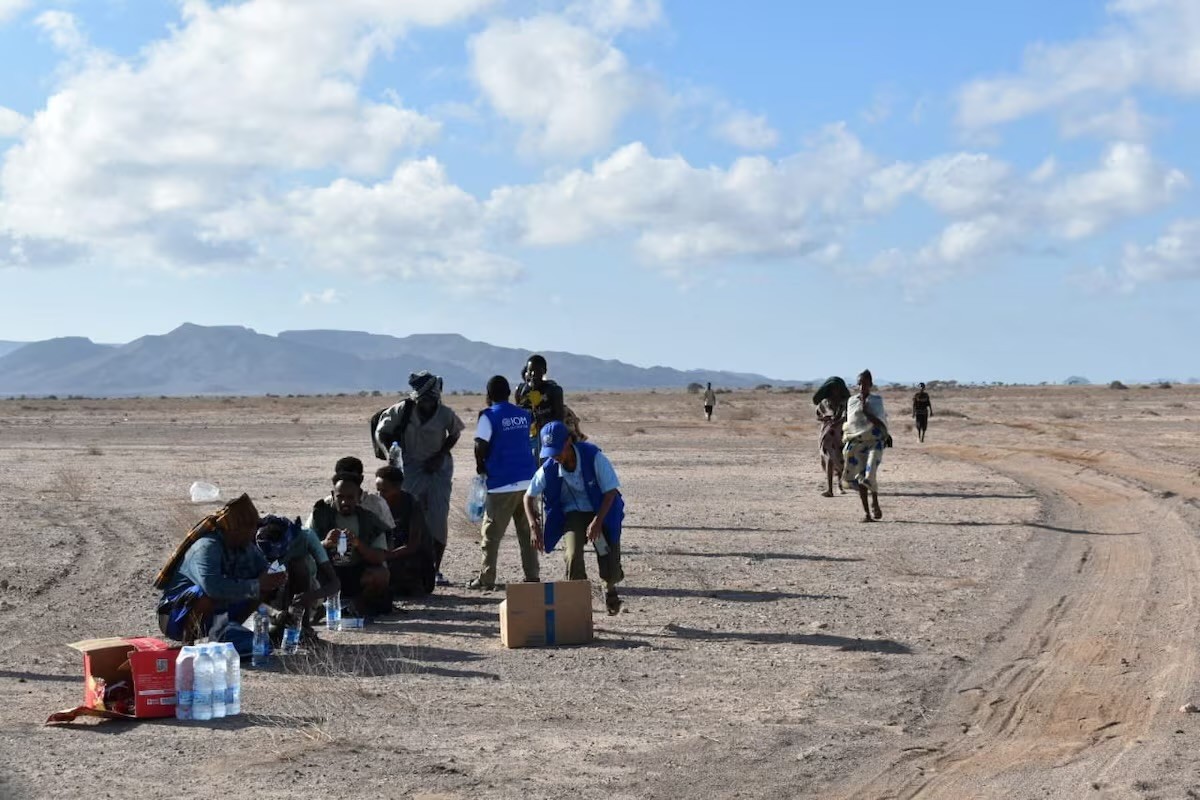
At least 139 migrants dead, including some children, after boat from Djibouti to Yemen capsizes, UN agency says
21:17
11 October 2026
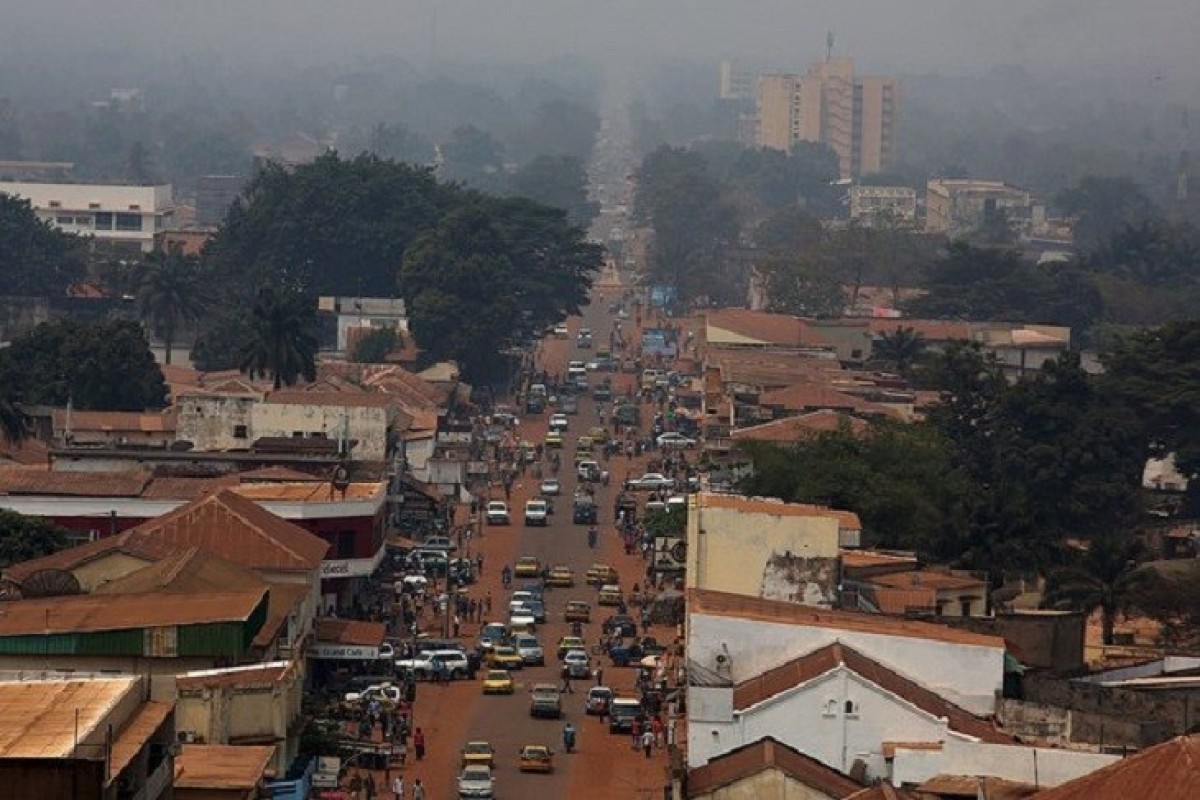
Central African Republic foils planned large-scale militant attack
07:04
11 October 2026

NEWS FEED
Ukraine's Zelenskyy blasts US-Russian diesel deal, welcomes bigger European role in peace process
01:56
17 October 2026
US leader called on Saudi Arabia to accept Israeli assistance in the fight against the Houthis
01:31
17 October 2026
Ramiz Mehdiyev expelled from New Azerbaijan Party, deprivation of his awards proposed - UPDATED-4
01:09
17 October 2026
Today marks Fuzuli City Day, 6 years since city's liberation from occupation
00:00
17 October 2026
Six years pass since Armenia's fifth missile attack on Ganja
00:00
17 October 2026
US budget deficit nears $2T for fiscal 2026
23:45
16 October 2026
In recent days, Azerbaijani NGO organized actions in six European countries that raise questions about Armenia
23:16
16 October 2026
White House press secretary Zacharia fired in less than a week after facing criticism
22:55
16 October 2026
Trump denies ordering Starlink restrictions in Ukraine
22:39
16 October 2026
Iranian President: We discussed preparation of joint strategic document with Armenia
22:25
16 October 2026
Putin: Russian Armed Forces are advancing confidently along the entire front
21:51
16 October 2026
US leader teases nuclear arms deal with Russia, China
21:39
16 October 2026
Ukraine expects Gripen fighter jets to be delivered soon – Zelenskyy
21:14
16 October 2026
Columnist facing criminal charges apologizes to Azerbaijan: I regret causing offense with my words
20:45
16 October 2026
Video on Patriotic War shared on President Ilham Aliyev's social media accounts
20:15
16 October 2026
Kremlin: Putin held phone call with Pope Leo XIV
20:05
16 October 2026
“Environmental Protection First”: Hosting COP17 in a country that has committed ecocide is nothing but a double standard
19:52
16 October 2026
ICRC has not yet visited Azerbaijani serviceman Nasimi Musayev detained in Armenia
19:28
16 October 2026
President Ilham Aliyev congratulates participants of Paralympic movement on anniversary
19:24
16 October 2026
UAE delegation visits Azerbaijan
18:40
16 October 2026
Taleh Kazimov reveals implementation level of financial sector development strategy
18:36
16 October 2026
Central Bank plans to expand use of artificial intelligence in monetary policy
18:27
16 October 2026
Jeyhun Bayramov meets Bangladesh’s State Minister for Foreign Affairs
18:04
16 October 2026
MoD: Tasks successfully carried out during Azerbaijan-UAE joint tactical flight exercise
17:57
16 October 2026
Azerbaijan-Uzbekistan Second Rectors’ Forum held
17:51
16 October 2026
IMF positively assesses Azerbaijan’s results in increasing non-oil revenues
17:43
16 October 2026
Azerbaijan seeks expansion of IMF technical assistance
17:32
16 October 2026
Priest shoots three people dead in Ukraine
17:30
16 October 2026
World Bank's global conference on state-owned enterprises to be held in Baku in 2027
17:29
16 October 2026
Surgut gas plant reportedly targeted by drones in Russia
17:20
16 October 2026
Metsamor NPP director general: Armenia considering energy cooperation with Azerbaijan
17:09
16 October 2026
Azerbaijan extends funding for war-disabled persons and martyrs' families until 2029
16:58
16 October 2026
Zelenskyy: Ukraine in talks with US on new meeting
16:55
16 October 2026
Energy security in the South Caucasus discussed at Russian Energy Week
16:53
16 October 2026
Moscow airports overcrowded following Ukrainian drone attacks - PHOTO
16:37
16 October 2026
Azerbaijan's Deposit Insurance Fund and Uzbekistan's Deposit Guarantee Agency ink Memorandum
16:32
16 October 2026
At least twelve dead after migrant boat incident off Gambia
16:19
16 October 2026
Kogalym airport in Russia closed for first time due to drone threat
16:00
16 October 2026
Oil Fund earns nearly AZN 8 billion from oil and gas sales - EXCLUSIVE
15:58
16 October 2026
Official Moscow warns of threat of militants crossing from Afghanistan into Central Asia
15:58
16 October 2026
Polish FM: US has not spent a cent on Ukraine’s defense since January last year
15:42
16 October 2026
Chief of General Staff of Azerbaijan Army meets with NATO delegation
15:40
16 October 2026
Prospects for further development of Azerbaijan-Sri Lanka relations discussed
15:38
16 October 2026
Novak announced the actual solution to the issues of diesel supplies to the United States
15:36
16 October 2026
Armenia PM, Iran president meet in Yerevan, discuss bilateral agenda
15:12
16 October 2026
Criminal case opened over calls to seize power in Azerbaijan, Turkish citizen declared wanted
15:05
16 October 2026
Heydar Aliyev International Airport to switch to autumn-winter flight schedule
14:39
16 October 2026
Foreign Minister Jeyhun Bayramov meets with CICA Secretary General Kairat Sarybay
14:11
16 October 2026
Azerbaijan prevents smuggling of 35 kg of drugs from Iran
14:10
16 October 2026
FM Mirzoyan: Armenia-Türkiye border could open at any moment
14:05
16 October 2026


