













Baku-APA. Newly-independent South Sudan’s opposition warned Thursday of rising inflation and food shortages caused by the government’s dependence on oil revenues and failure to develop other sectors, APA reports quoting AFP.
"This inflation is caused by non-productivity in all parts of the country. We are not producing enough food for ourselves. We are not exporting anything at all to bring hard currency to our side besides oil," the chief opposition whip in the National Assembly, Andrew Mayom, told AFP.
"We thought this oil money would have been used or invested mostly in agriculture, tourism, to improve the economy so that they become revenue generating sources to the country."
"We are saying in the opposition that the country should not rely on the oil money alone," he said.
South Sudan, which won independence from the north on July 9, is one of the least developed countries in the world, after decades of conflict with Khartoum that left the region in ruins.
But it is home to around three quarters of the old Sudan’s crude reserves, and more than 95 percent of Juba’s income currently comes from oil receipts.
However, the fledgling nation borders Kenya and Ethiopia, both badly affected by the devastating famine sweeping the Horn of Africa, which has created greater scarcity in the region and stoked already high domestic food prices.
Mayom said the lack of agreement between Juba and Khartoum on how much the south should pay for renting the north’s pipeline -- one of the key outsanding issue that the two sides failed to resolve ahead of partition -- also made South Sudan vulnerable to inflation.
"To me, it will worsen and all the time you will get tension between Juba and Khartoum. We will also be embarrassed if Khartoum decides to close their oil pipelines," he added.
He also repeated recent criticism of the government of South Sudan for being too big, and spending money on ministers’ salaries that should be spent on public services.
Other prominent opposition figures have strongly objected to the number of ministers approved by parliament last week -- 56, including 27 deputy ministers -- in such a poor country, where corruption is rampant.


 Follow us on Telegram
 t.me/apanewsaz
 Follow us on Instagram
 Follow us on TikTok
 Follow us on Facebook
 Follow us on X
Africa
Two killed, five injured in shooting in S. Africa
 16:09
16:09
 14 October 2026
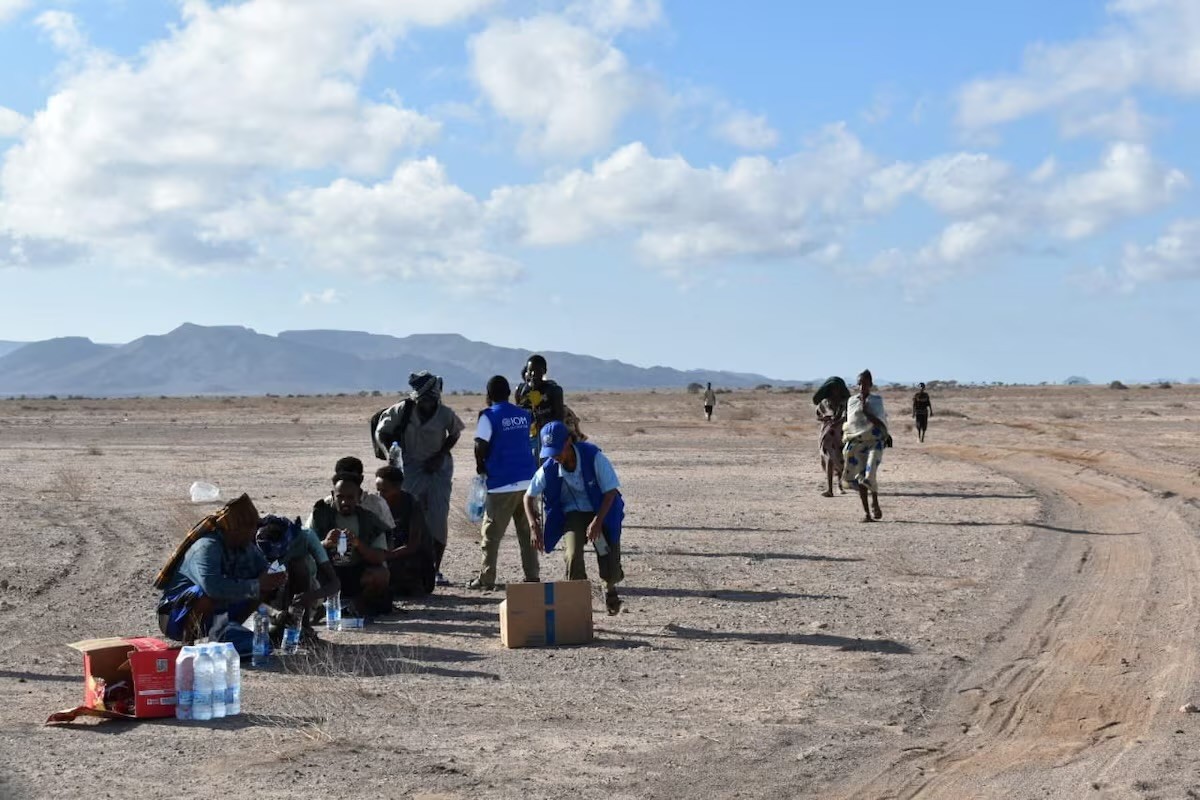
At least 139 migrants dead, including some children, after boat from Djibouti to Yemen capsizes, UN agency says
21:17
11 October 2026
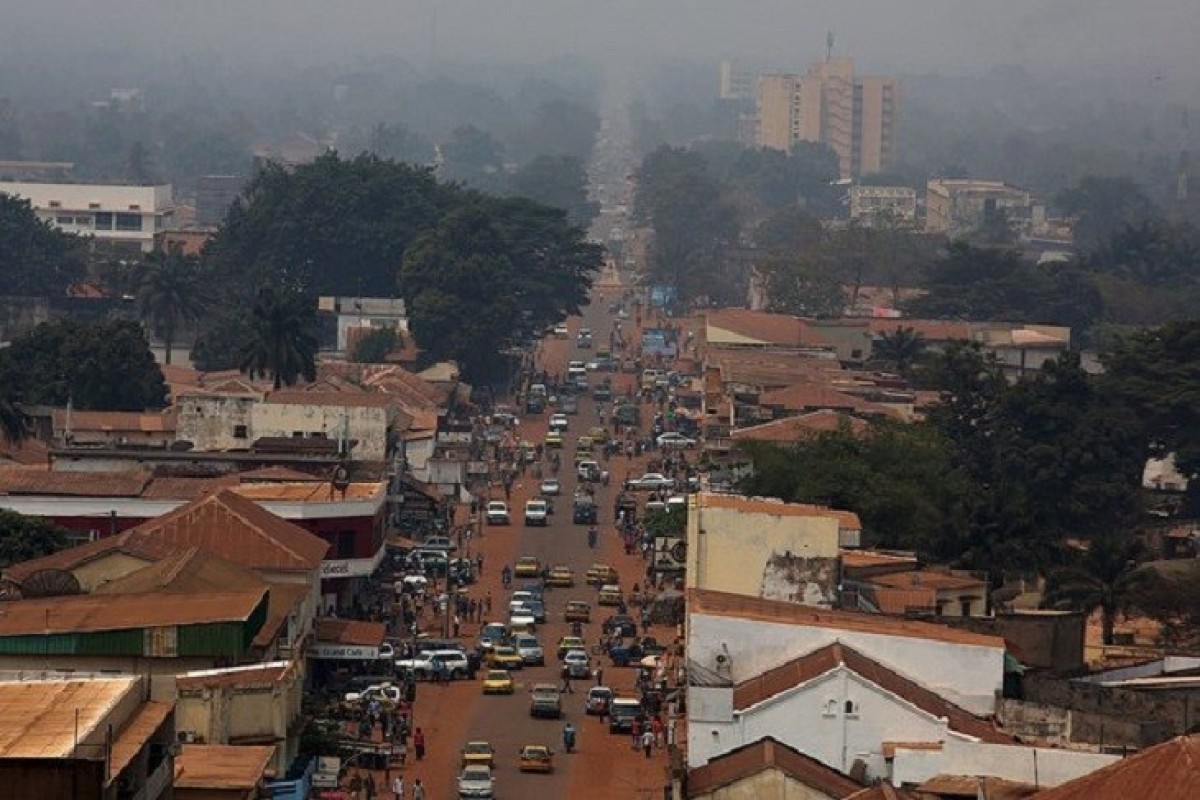
Central African Republic foils planned large-scale militant attack
07:04
11 October 2026
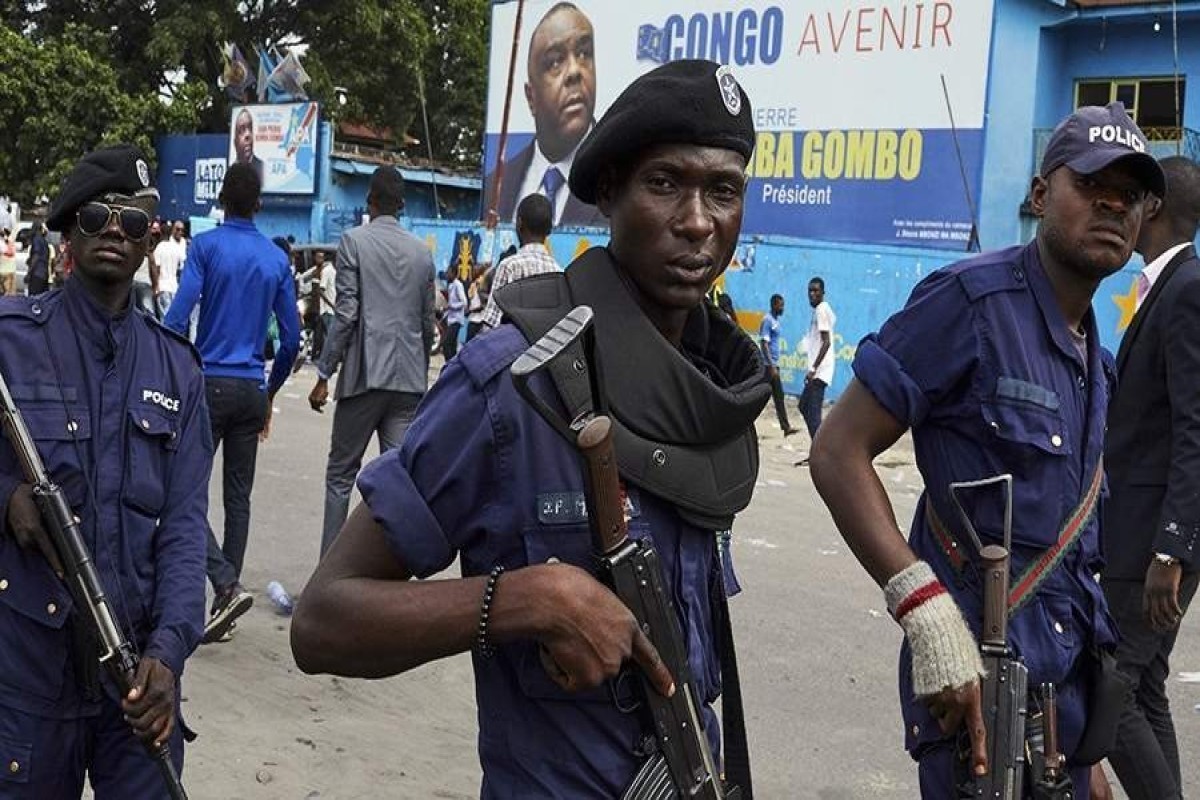
Rebel attack kills 11 civilians in DR Congo
05:16
11 October 2026

NEWS FEED
Azerbaijan's population reaches 10.28 million
11:18
16 October 2026
FAO: Innovation can help address challenges faced by farmers in Azerbaijan
11:16
16 October 2026
Azerbaijani Parliament sends congratulatory letter to President and First Vice-President on Independence Restoration Day
11:10
16 October 2026
Azerbaijan and Uzbekistan hold 2nd Rectors' Forum in Khankendi
11:07
16 October 2026
Azerbaijani Parliament begins its next session
11:05
16 October 2026
Azerbaijani journalists adopt new ethical principle on artificial intelligence
11:03
16 October 2026
Mirzoyan: Iran's concerns over TRIPP have been resolved
10:55
16 October 2026
Water scarcity and land degradation are among main challenges facing Azerbaijan's agricultural sector - MP
10:52
16 October 2026
Minister: Our main goal is to increase productivity and farmers' incomes
10:44
16 October 2026
Chairman: Press Council received 815 complaints during reporting period
10:40
16 October 2026
9th Congress of Azerbaijani journalists underway, commissions established - PHOTO - UPDATED
10:34
16 October 2026
Germany to allocate €50 million for restoration of Chernobyl nuclear plant
10:29
16 October 2026
MP: We liberated our lands without stooping to the level of the barbarians who caused suffering to our people
10:22
16 October 2026
Participants of 9th Congress of Azerbaijani journalists address President Ilham Aliyev
10:14
16 October 2026
World Bank Group mobilizes nearly $100 million in private capital for Azerbaijan
10:11
16 October 2026
Gold and silver prices rise on commodity markets
10:01
16 October 2026
Azerbaijan's MFA expresses condolences to Pakistan over deadly school building collapse in Peshawar
09:48
16 October 2026
Natural gas prices decline on NYMEX commodity exchange
09:38
16 October 2026
Oil prices decline on global markets
09:32
16 October 2026
Milli Majlis: Hybrid attacks against Azerbaijan have intensified
09:06
16 October 2026
Major indices rise across global stock markets
08:42
16 October 2026
Bitcoin price approaches $82,000
08:35
16 October 2026
Four killed, including three children, in US elementary school shooting
08:18
16 October 2026
US-Mexico trade talks stall over tariff reductions — WSJ
07:20
16 October 2026
Trump says US will not use nuclear weapons against Iran
06:46
16 October 2026
Trump claims Zelensky does not want to end war, calls for elections in Ukraine
05:43
16 October 2026
Trump calls Ukrainian strikes on Russian oil refineries a disgrace
04:33
16 October 2026
Conference League: Trabzonspor win as Ajax suffer defeat
03:14
16 October 2026
Europa League Matchday 2 round-up
01:05
16 October 2026
Train, bus collide in Channel Tunnel, injure 19
00:53
16 October 2026
China has not provided any military support to Iran since the beginning of the US operation
00:38
16 October 2026
Azerbaijani, Turkish FMs discuss relations between the two countries
00:10
16 October 2026
Azerbaijan's chairmanship of CICA extended until 2028
23:50
15 October 2026
Trump accused a Senate candidate of having ties to Muslim Brotherhood
23:27
15 October 2026
US: IRGC projectile hit civilian ship
22:50
15 October 2026
Putin: Ukrainian Armed Forces are again attempting to strike Russian oil refineries
22:23
15 October 2026
Ukraine not to be able to protect its infrastructure without PURL program — The Economist
22:10
15 October 2026
US has expanded sanctions against Iran
21:50
15 October 2026
UK provides Ukraine with additional long-range Storm Shadow missiles
21:20
15 October 2026
Video shared on President Ilham Aliyev’s social media accounts on his meeting with Amir of the State of Qatar Sheikh Tamim bin Hamad Al Thani
21:00
15 October 2026
President Ilham Aliyev’s social media accounts shared video on inauguration of Trans-Caspian Fiber-Optic Cable Line
20:55
15 October 2026
Baku hosted 7th CICA Summit, President Ilham Aliyev addressed the event - UPDATED-5
20:40
15 October 2026
Ukrainian President discusses air defense with NATO Secretary General
20:31
15 October 2026
Ukraine runs out of Patriot interceptor missiles as Zelenskyy and Trump clash over war
19:52
15 October 2026
Iran's navy says "violating" oil tanker caught fire east of Hormuz Strait
19:43
15 October 2026
White House official: Trump considering all options to keep Iran from nuclear weapon
19:37
15 October 2026
Houthis fire missiles at presidential palace in Yemen's Aden, officials say
19:00
15 October 2026
President Ilham Aliyev’s social media accounts shared video on 7th CICA Summit
18:28
15 October 2026
President Ilham Aliyev met with Amir of Qatar - UPDATED
18:12
15 October 2026
Armenian and Turkish businesspeople discuss joint cooperation
17:56
15 October 2026


