













Baku – APA. Islamic hard-liners, some of them heavily suppressed under three decades of Hosni Mubarak’s regime, are enthusiastically diving into Egypt’s new freedoms, forming political parties to enter upcoming elections and raising alarm that they will try to lead the country into fundamentalist rule, APA reports quoting “Associated Pressâ€.
Some militants, taking advantage of a security vacuum, aren’t waiting for the political process. They have attacked Christians and liquor stores, trying to impose their austere version of Islamic law in provincial towns.
The Islamists’ newfound energy prompted the ruling military to warn on Monday that Egypt "will not be turned into Gaza or Iran."
Islamists could fare well in parliamentary elections scheduled for September, especially if the various groups run on a unified ticket. Their chances are boosted by the disarray among other groups. Traditional opposition parties were deeply restricted under Mubarak’s 29-year rule and have no popular base to speak of. The liberal youth groups behind the 18-day uprising that forced Mubarak to step down on Feb. 11 are still scrambling to organize before voting day.
The Islamists, furthermore, are well funded and organized. The most established fundamentalist group, the Muslim Brotherhood, has years of experience in contesting elections.
Liberals and leftists, including the youth activists who led the protest uprising against Mubarak, are caught between their stance that all sides must be allowed to enter the political game if Egypt is to be a real democracy and worries whether Islamists will play by the rules.
"I think there is too much Islamophobia," Khaled Abdel-Hameed, one youth leader, said of fears of Islamists hijacking the process. "Everyone is trying to hijack the revolution, including me. If people elect religious groups, I will respect their choice."
Another activist, Mustafa al-Nagar, is more concerned.
"I am worried most about the Salafis because they are not accustomed to politics," said al-Nagar, who campaigns for Mohamed ElBaradei, a Nobel Peace laureate and potential candidate in presidential elections due in November. "Their main concern is to exclude anyone else."
While the Brotherhood has long been Egypt’s best organized opposition movement, the Salafis are a new player in politics. Salafis are ultraconservatives, close to Saudi Arabia’s Wahhabi interpretation of Islam and more radical than the Brotherhood. They seek to emulate the austerity of Islam’s early days and oppose a wide range of practices they view as "un-Islamic" — rejecting the treatment of non-Muslims as citizens with equal rights as well as all forms of Western cultural influence.
Salafis traditionally stayed out of politics, rejecting democracy because it replaces rule by God’s law with the law of man. The movement grew in recent years because it was tolerated and even encouraged by the Mubarak regime to counter the Muslim Brotherhood.
With Mubarak gone, the Salafis have abandoned their disdain for politics.
Yasser Moutwaly, a Salafi leader in the Mediterranean city of Alexandria, told The Associated Press that the movement planned to set up its own party, though he insisted that entering politics would not mean abandoning its principles.
He said the Salafis and the Muslim Brotherhood were engaged in preliminary contacts over the possibility of "coordination" in the parliamentary elections.
Another contender is the Gamaa Islamiya, or the "Islamic Group," a militant organization that fought the Mubarak regime in a bloody insurgency in the 1990s, seeking to establish an Islamic state in Egypt. It has a base of support in southern Egypt, particularly in the city of Assiut, and is conducting internal elections to create provincial and consultative councils nationwide.
Ominously, the group forced two of its veteran leaders — Karam Zohdi and Nageh Ibrahim — to resign amid criticism that they sold out to authorities when they agreed to abandon violence to win their release after serving long jail terms.
Islamists are already showing their confidence.
In Assiut, which has a sizable Christian minority, Islamists wrested control of mosques from government preachers, installing their own imams and prayer leaders. The city is filled with signs exhorting residents to follow Islamic teachings and women to wear the hijab, or headscarf. "The hijab is obligatory," one sign says. "Take your eyes off women," another chides men.
A recent rumor that Salafis planned to attack female Muslim students at Assiut University who don’t wear the headscarf, prompted some women to stay away from the 75,000-student campus for a day.
Salafis, who reject the veneration of religious shrines and tombs as a sign of idolatry, are believed to be behind the destruction of at least five Muslim shrines in the Nile Delta region the past week.
They are also blamed for attacks on Christians and others they don’t approve of. In one attack, a Christian man had an ear cut off for renting an apartment to a Muslim woman thought to be involved in prostitution; in another a Muslim was killed for allegedly practicing magic, which ultra-conservatives denounce, a security official said.
In the oasis province of Fayoum southwest of Cairo, Salafis have forced the closure of four cafes that serve alcohol. They also set fire to four Christian homes in a Fayoum village, prompting clashes with residents, said the official, who spoke on condition of anonymity because he was not authorized to share the information with the media.
Salafis have also threatened to destroy some of the most revered shrines in Cairo, dedicated to members of Prophet Muhammad’s immediate family and beloved by many more Muslims.
A Salafi spokesman, Abdel-Monaim al-Shahat, insisted that the attacks on shrines were isolated acts. "We don’t approve of having shrines in mosques, but we also reject their destruction," he said.
But Egypt’s top mainstream cleric, the grand sheik of Cairo’s Al-Azhar, Sunni Islam’s foremost seat of learning, warned the shrine threats could lead to violence between Muslims.
"Blood will be knee-deep," Ahmed al-Tayeb said. He called on al-Azhar scholars, seen as the defenders of moderation, to take on the "extremists" in ideological debates.
Maj. Gen. Mukhtar al-Mallah, a member of the military’s Supreme Council which has ruled Egypt since Mubarak’s ouster, told newspaper editors in an interview Monday that the army "will not allow extremist groups to take over Egypt."
He expressed his concern about the actions of the Salafis, but also said no groups can be excluded from the political scene, "whether they are Wahhabis, Salafis, Muslim Brotherhood or Christians.
Because of the Mubarak regime’s heavy restrictions on the opposition and widespread fraud at past elections, it has been long been impossible to judge Islamists’ true popular support.
The Muslim Brotherhood, which was banned under Mubarak but ran candidates as independents, made its best showing in 2005, when it won a fifth of the legislature’s seats. Now, the Brotherhood is in the process of creating its own party, a satellite television station and a daily newspaper to promote its message. Its leaders estimate they would win around 30 percent of the legislature’s seats. They say they will not field a presidential candidate.
A referendum last month provided an early exercise for Islamists at the polls. The Brotherhood and Salafis pushed hard for a "yes" vote on a raft of constitutional amendments, some of them claiming that it would be a "yes" for Islam. Many liberal protest leaders opposed the amendments, saying they wanted greater changes. The amendments passed handily, by 70 percent.
But the results give hints of a realistic measure of the Islamists’ weight.
Out of 45 million eligible voters, 14 million voted "yes." But the majority of those approved the changes because they saw the limited amendments as bolstering stability, not because they support the Brotherhood or the Salafists. That, some analysts argue, suggests that the religious groups’ core support ranks in the several millions and that the bulk of the electorate is not in their camp or up for grabs.


 Follow us on Telegram
 t.me/apanewsaz
 Follow us on Instagram
 Follow us on TikTok
 Follow us on Facebook
 Follow us on X
Africa
Two killed, five injured in shooting in S. Africa
 16:09
16:09
 14 October 2026
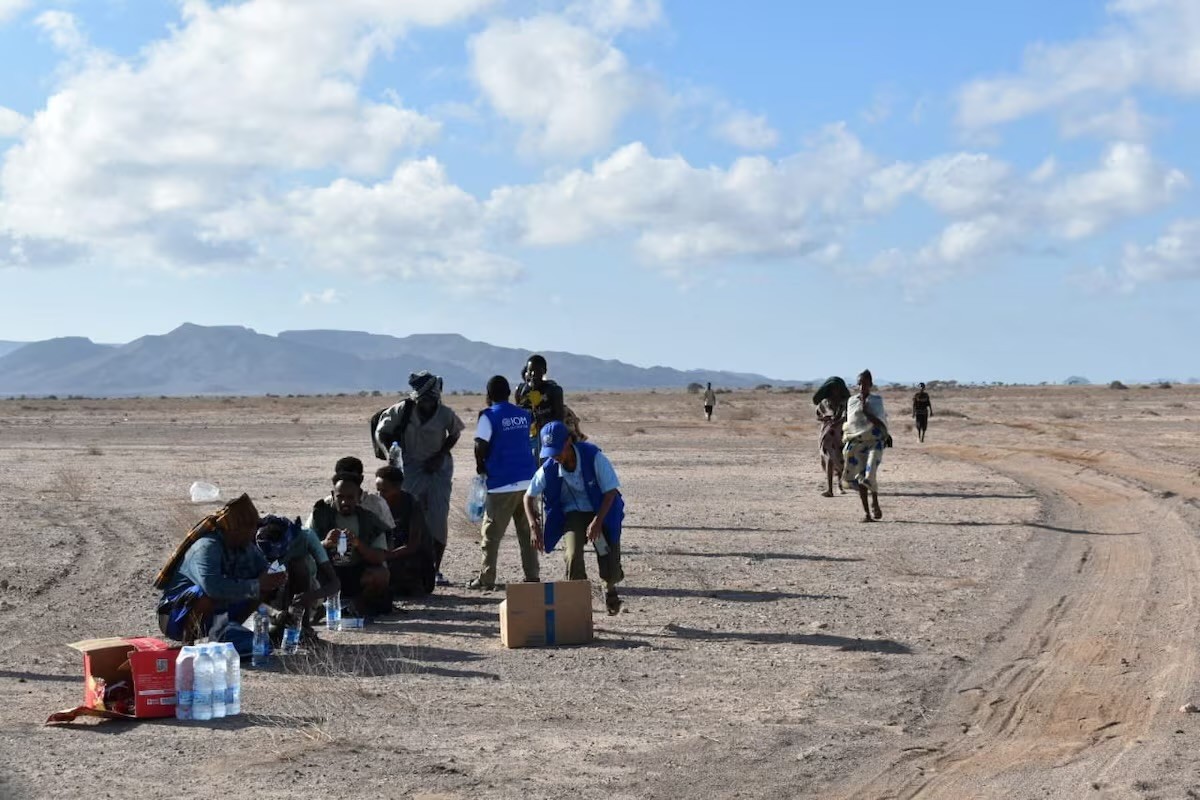
At least 139 migrants dead, including some children, after boat from Djibouti to Yemen capsizes, UN agency says
21:17
11 October 2026
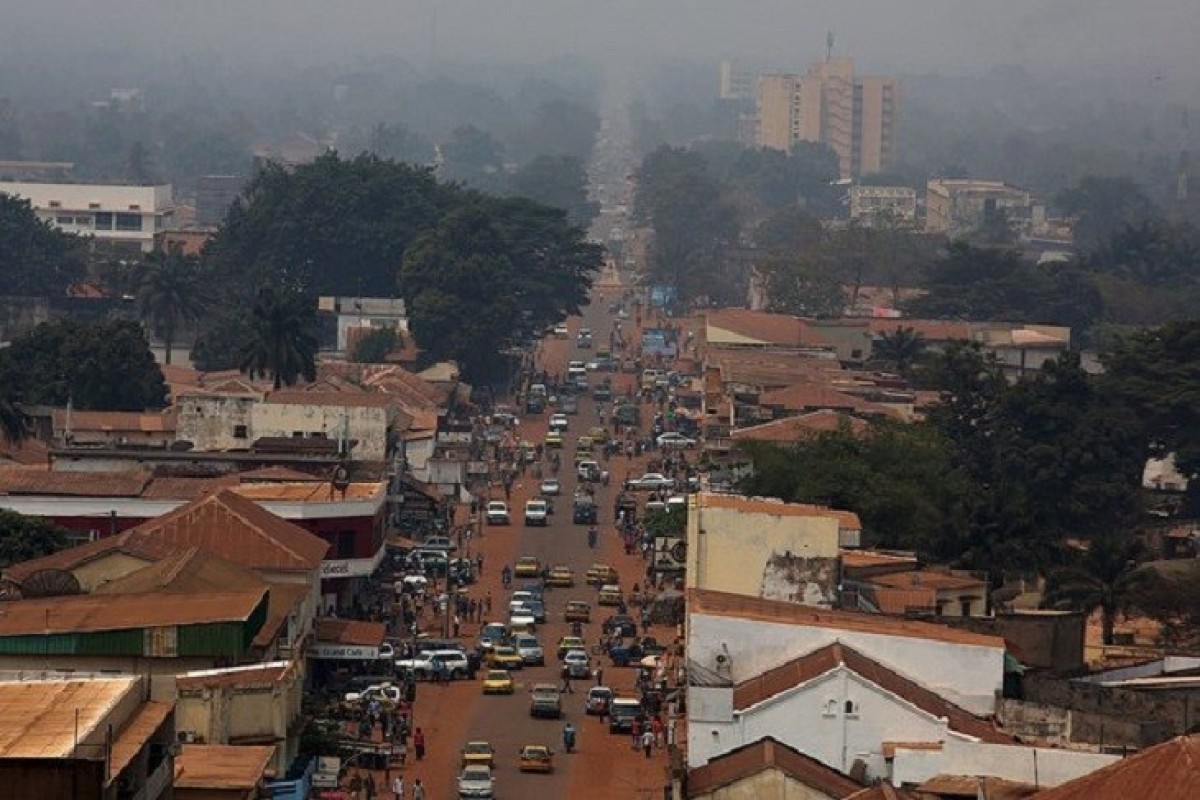
Central African Republic foils planned large-scale militant attack
07:04
11 October 2026
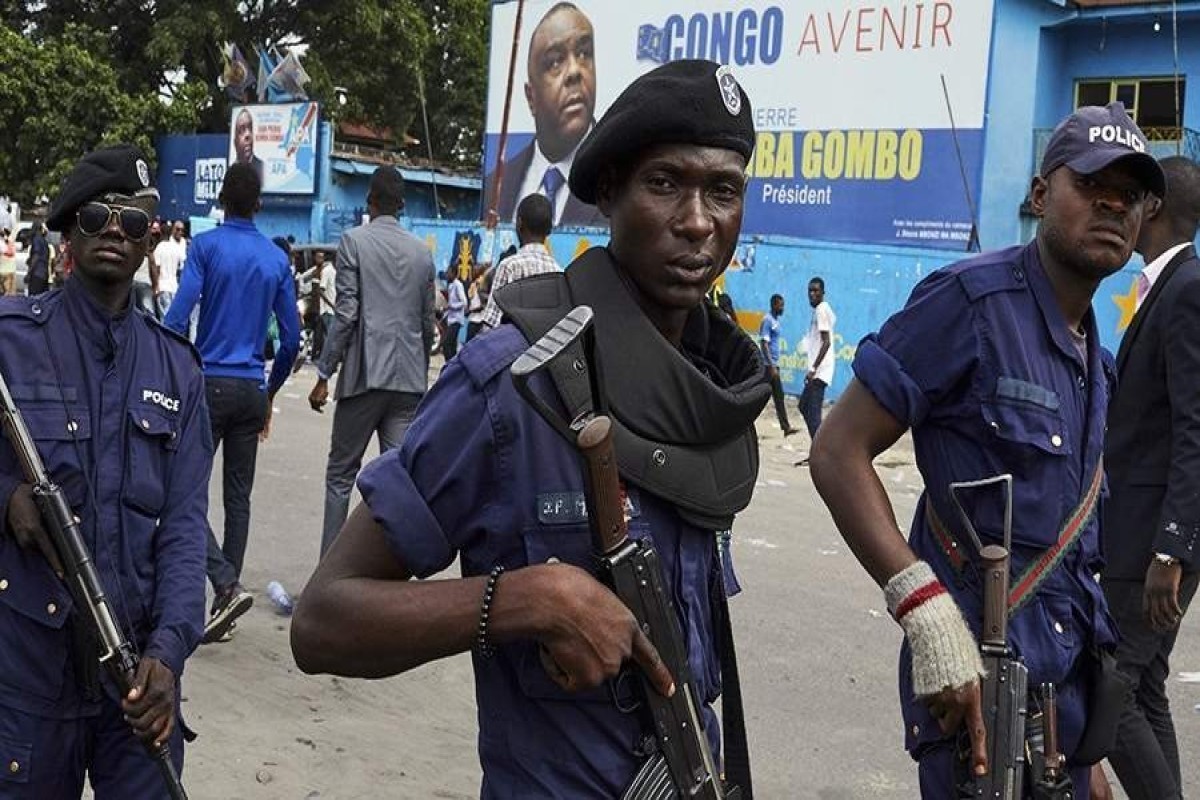
Rebel attack kills 11 civilians in DR Congo
05:16
11 October 2026

NEWS FEED
China has not provided any military support to Iran since the beginning of the US operation
00:38
16 October 2026
Azerbaijani, Turkish FMs discuss relations between the two countries
00:10
16 October 2026
Azerbaijan's chairmanship of CICA extended until 2028
23:50
15 October 2026
Trump accused a Senate candidate of having ties to Muslim Brotherhood
23:27
15 October 2026
US: IRGC projectile hit civilian ship
22:50
15 October 2026
Putin: Ukrainian Armed Forces are again attempting to strike Russian oil refineries
22:23
15 October 2026
Ukraine not to be able to protect its infrastructure without PURL program — The Economist
22:10
15 October 2026
US has expanded sanctions against Iran
21:50
15 October 2026
UK provides Ukraine with additional long-range Storm Shadow missiles
21:20
15 October 2026
Video shared on President Ilham Aliyev’s social media accounts on his meeting with Amir of the State of Qatar Sheikh Tamim bin Hamad Al Thani
21:00
15 October 2026
President Ilham Aliyev’s social media accounts shared video on inauguration of Trans-Caspian Fiber-Optic Cable Line
20:55
15 October 2026
Baku hosted 7th CICA Summit, President Ilham Aliyev addressed the event - UPDATED-5
20:40
15 October 2026
Ukrainian President discusses air defense with NATO Secretary General
20:31
15 October 2026
Ukraine runs out of Patriot interceptor missiles as Zelenskyy and Trump clash over war
19:52
15 October 2026
Iran's navy says "violating" oil tanker caught fire east of Hormuz Strait
19:43
15 October 2026
White House official: Trump considering all options to keep Iran from nuclear weapon
19:37
15 October 2026
Houthis fire missiles at presidential palace in Yemen's Aden, officials say
19:00
15 October 2026
President Ilham Aliyev’s social media accounts shared video on 7th CICA Summit
18:28
15 October 2026
President Ilham Aliyev met with Amir of Qatar - UPDATED
18:12
15 October 2026
Armenian and Turkish businesspeople discuss joint cooperation
17:56
15 October 2026
Journalist Alexander Nevzorov added to Russia’s list of terrorists and extremists
17:53
15 October 2026
New head of Republic of Dagestan elected
17:46
15 October 2026
Kobakhidze visits Armenia
17:17
15 October 2026
Georgian opposition announces protest rallies
17:05
15 October 2026
Pashinyan establishes working group to resolve railway issues with Russia
17:02
15 October 2026
Pope Leo recovering as planned after lung cancer surgery, doctors say
16:58
15 October 2026
Papuashvili: EU takes disruptive stance in relations with Georgia
16:40
15 October 2026
Azerbaijan to chair CICA in 2026–2028
16:27
15 October 2026
UN considers CICA's role more important now than ever
16:26
15 October 2026
Meeting held with delegation of international and foreign national Paralympic committees
16:23
15 October 2026
President Ilham Aliyev received Türkiye’s Minister of Foreign Affairs
16:16
15 October 2026
7th CICA Summit concludes
16:12
15 October 2026
CICA Secretary General replaced
16:11
15 October 2026
Lavrov considers it appropriate to hold next "3+3" meeting in Azerbaijan
16:08
15 October 2026
Baku Declaration adopted following 7th CICA Summit
16:05
15 October 2026
Large amount of drugs prevented from being smuggled from Iran into Azerbaijan - PHOTO
16:02
15 October 2026
Signed documents exchanged between Azerbaijan and Kazakhstan
16:00
15 October 2026
Lavrov: Russia ready to participate in TRIPP, but has not yet received invitation
15:50
15 October 2026
Lavrov: Zelenskyy is challenging Trump, not interested in elections
15:47
15 October 2026
Presidents of Azerbaijan and Kazakhstan met in Baku and inaugurated Trans-Caspian Fiber-Optic Cable Line
15:44
15 October 2026
9th Congress of Azerbaijani Journalists to be held tomorrow, candidates for Press Council Board announced
15:43
15 October 2026
Gharibabadi: Current difficulties in Strait of Hormuz caused by military aggression and naval blockade against Iran
15:42
15 October 2026
ING: $10 rise in oil prices could increase Azerbaijan’s exports by 2–4% of GDP
15:39
15 October 2026
UAE Minister: Priorities set during Azerbaijan’s CICA chairmanship align with UAE’s vision
15:33
15 October 2026
Palestinian issue raised at CICA Summit
15:31
15 October 2026
Indian FM: Changing geopolitical landscape necessitates more active participation of Global South countries
15:15
15 October 2026
Azerbaijan takes over chairmanship of CIS Advisory Council on Labor, Employment and Social Protection
15:14
15 October 2026
Death toll from Istanbul floods reaches 3, four people missing
15:12
15 October 2026
Azerbaijani Special Forces conduct training sessions for reservists
15:07
15 October 2026
Home of Novaya Gazeta editor-in-chief searched
15:04
15 October 2026


