









Baku – APA. Outside, the crackle of gunfire is a sinister echo of real life that we are not allowed to witness, APA reports quoting “Reutersâ€.
Inside, in the marble and gilt surroundings of a luxury Tripoli hotel where foreign journalists are kept under close watch by the Libyan government, is a surreal universe filled with paranoia and listless waiting.
Since I came here six weeks ago, the Libyan government has said it wants us to report the truth -- which is to tell the world that Libya is a peaceful place where civilians are treated well and the people love Muammar Gaddafi.
In reality, the several dozen journalists here are not allowed to report freely.
Even when we are allowed out of the hotel, on government-organized trips, it is evident that what we are being told is not the full truth.
"The city is like a prison -- just like your hotel," said one local resident during a recent, snatched conversation away from our minders on a rare outing.
It seemed a valuable reality check.
"The city is overwhelmingly anti-Gaddafi," he said. "You feel it everywhere. This is how people feel."
But for all the restrictions, it is important to be here.
The Libyan government is a party to this conflict and as journalists we need to report on what they say. And by being here on the ground in the Libyan capital, we are able -- sometimes -- to uncover clues to what local people are thinking.
RUMOURS
Often though, we are left to try to make sense of the rumors that filter through to us.
There are occasional gunfights. They give rise to even more speculation among the foreign journalists: Was that a crackdown on a protest? An attack on an army checkpoint? Are the rebels fighting back?
Distant shouts and gunshots echo at night.
Come morning, and things are back to their unreal normality.
Wary of missing a rare trip out of the hotel, or an opportunity to catch a government spokesman for a comment, journalists spend hours on end in the lobby of the Rixos Al Nasr Hotel, staring into their laptops, sometimes working, often just blankly.
Loudspeakers announce press briefings which sometimes happen in the middle of the night. Rubbing their eyes, reporters gather to listen to fiery statements that al Qaeda and Western powers are to blame for the trouble in Libya.
Government minders are always nearby, sipping tea and listening.
Even a trip to a corner shop is seen as a potential threat. Minders stand nearby as we buy toothpaste and shampoo.
Every now and then they herd reporters into a bus. You never know what to expect from these trips.
Rebels once urged our employers not to let us travel on a trip, saying that the government would use us as human shields to ward off airstrikes.
On one recent journey to the besieged city of Misrata -- intended by our hosts to show it is under government control -- a gun battle broke out between rebels and government troops.
Panicked government minders ran around shouting: "We have to leave now!"
A cameraman for Libyan state television, clearly unfazed by the commotion, continued to film close-ups of Gaddafi supporters waving flags, images that abound on local broadcasts.
GUNFIRE
After dark we sit on our balconies and listen. Sometimes there is gunfire. Sometimes we hear explosions from NATO air strikes and bright-red arcs from anti-aircraft fire criss-cross the sky above this Mediterranean port.
Libya is awash with guns and people like to fire their AK-47s into the air to express emotions.
But every now and then there are real gunfights, with long bursts of machinegun fire.
There was one last Friday before dawn. It lasted a long time and cars sped past the hotel, their tires screeching, and men shouting. Inside the hotel, we listened, quietly.
Gaddafi’s compound is just around the corner so the exchange of fire gave rise to speculation.
The next morning we tried to go outside to talk to local people who might have seen what happened. But the hotel’s security guards blocked us in.
One man outside later told reporters that he saw pools of blood in the streets. Other residents saw snipers on rooftops.
Every night Libyan social networking sites are flooded with rumors about rebels infiltrating Tripoli.
A few weeks ago there was talk that a rebel had crashed a fighter jet into Gaddafi’s compound in a kamikaze attack, perhaps even killing one of the leader’s son.
It is hard for us here to check any of these rumors. As the locals themselves like to say, in Libya, everything is possible. So you can’t entirely discount even the wildest of rumors.
The government says we cannot leave the hotel for our own security unless we are accompanied by government minders. It says ordinary people are angry with the Western media because foreign journalists are reporting lies about Libya.
But even on carefully orchestrated government trips dissent is evident. Ordinary people come up to journalists and whisper.
"What they are telling you is lies," said one man outside a mosque on Tripoli’s Algeria square -- once a focus of protests.
A number of foreign reporters, including a Reuters correspondent, have been expelled over the past month.
INTRUSIONS
At times crowds of Gaddafi supporters have stormed into the hotel, apparently in events orchestrated by officials to show the power of the leader.
They usually do so in the morning and shout anti-Western slogans as reporters eat their breakfast.
In one incident, however, a lone woman burst into the lobby, crying and asking for help. She said she had been raped by Gaddafi soldiers and had nowhere to go.
As reporters gathered round, she was dragged away by hotel staff and security guards.
Her story was terrifying but it was also chilling to see the reaction of the hotel staff. Men and women working as hotel waiters, who had hitherto smiled and served us coffee, suddenly grabbed knives, punched journalists and threatened the woman.
"It is like being a character in a surreal, Orwellian nightmare," one British journalist said of his weeks in the hotel. "The only truth is that the truth is evasive."
Witness: In Tripoli, grasping for truth from a gilded cage

 06 April 2011 23:16 (UTC +04:00)



 İDMAN XƏBƏR
 Follow us on Telegram
 t.me/apanewsaz
 Follow us on Instagram
 Follow us on TikTok
 Follow us on Facebook
 Follow us on X
Africa
Two killed, five injured in shooting in S. Africa
16:09
 14 October 2026
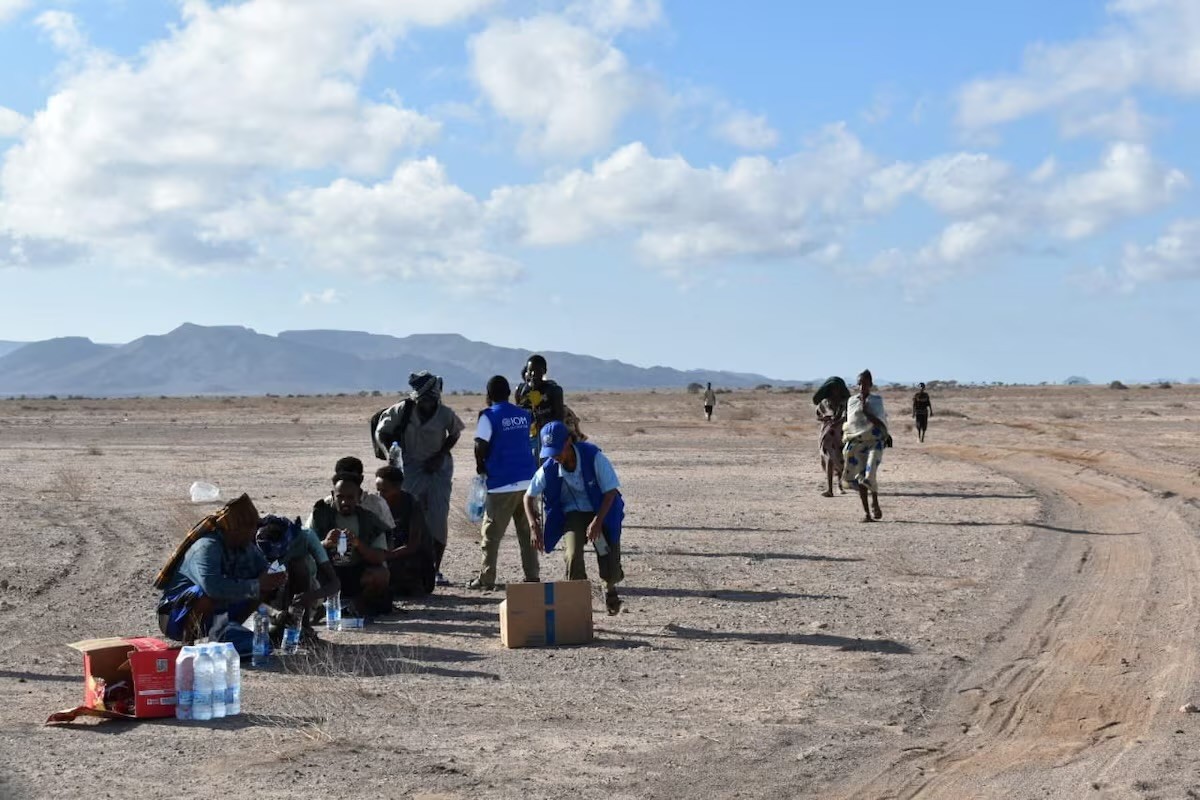
At least 139 migrants dead, including some children, after boat from Djibouti to Yemen capsizes, UN agency says
21:17
11 October 2026
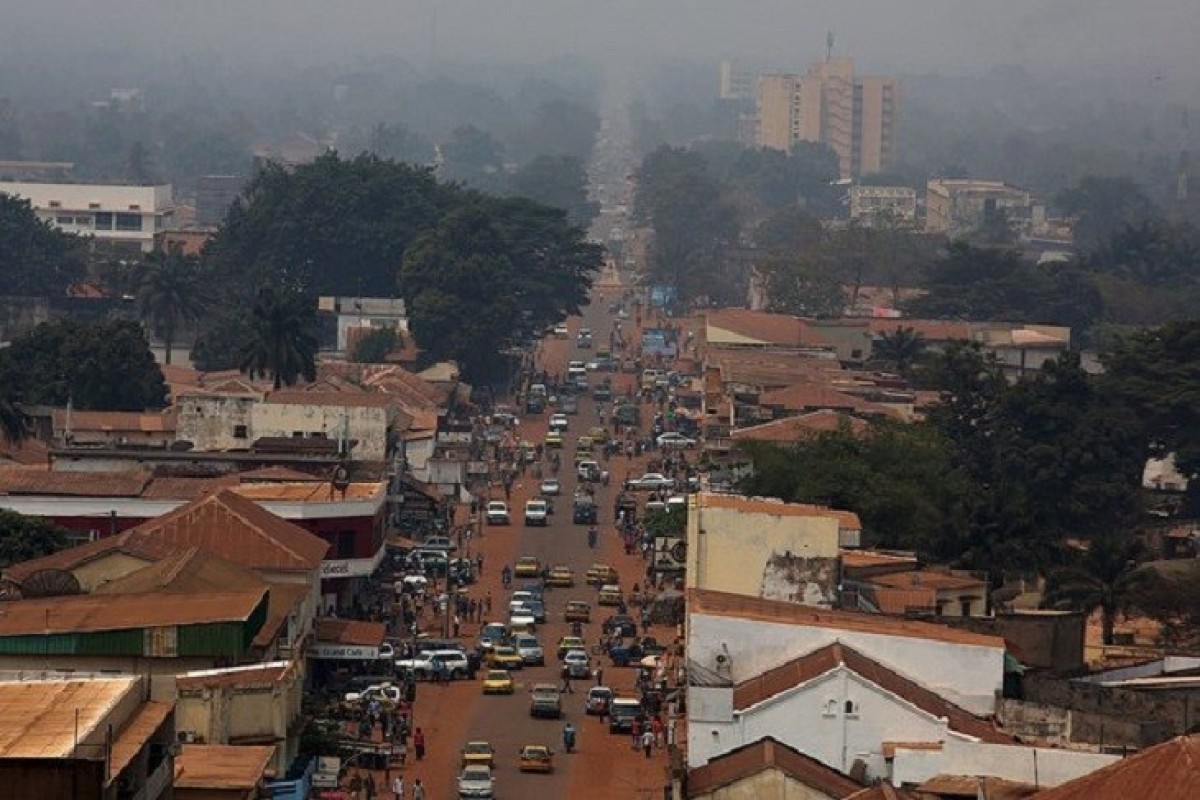
Central African Republic foils planned large-scale militant attack
07:04
11 October 2026
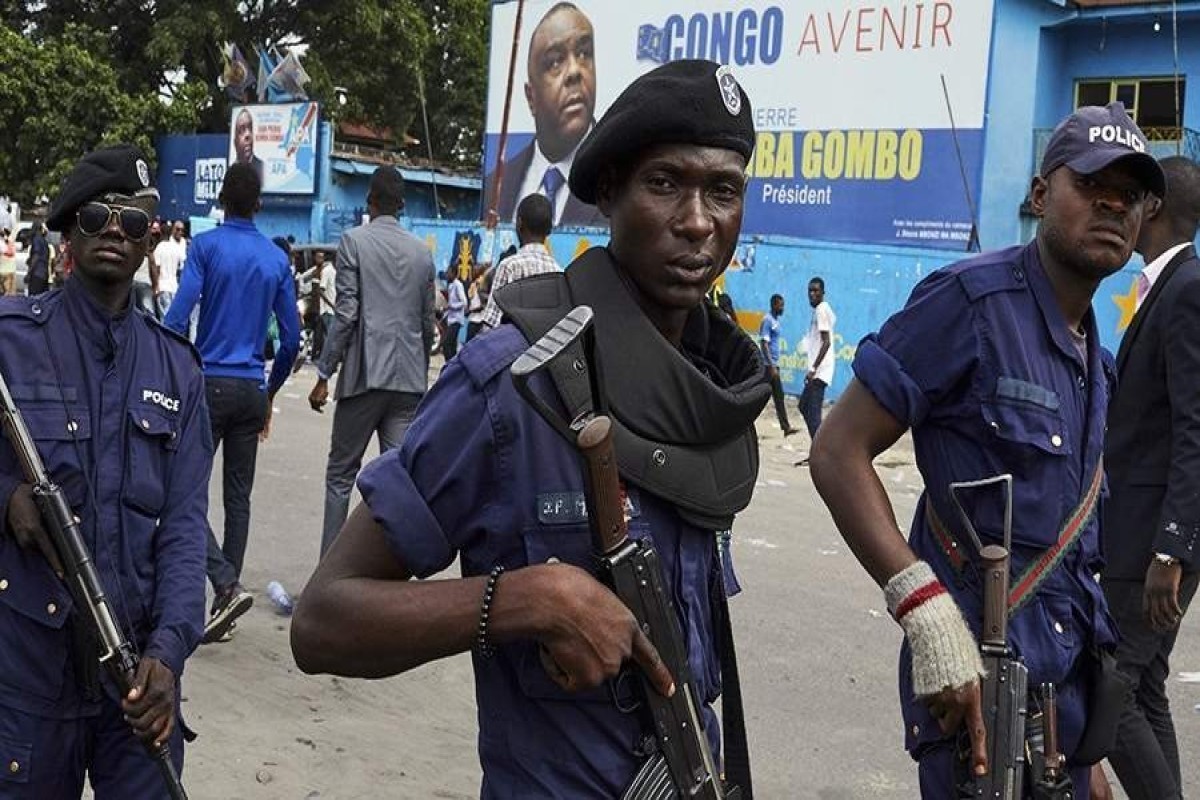
Rebel attack kills 11 civilians in DR Congo
05:16
11 October 2026

NEWS FEED
China has not provided any military support to Iran since the beginning of the US operation
00:38
16 October 2026
Azerbaijani, Turkish FMs discuss relations between the two countries
00:10
16 October 2026
Azerbaijan's chairmanship of CICA extended until 2028
23:50
15 October 2026
Trump accused a Senate candidate of having ties to Muslim Brotherhood
23:27
15 October 2026
US: IRGC projectile hit civilian ship
22:50
15 October 2026
Putin: Ukrainian Armed Forces are again attempting to strike Russian oil refineries
22:23
15 October 2026
Ukraine not to be able to protect its infrastructure without PURL program — The Economist
22:10
15 October 2026
US has expanded sanctions against Iran
21:50
15 October 2026
UK provides Ukraine with additional long-range Storm Shadow missiles
21:20
15 October 2026
Video shared on President Ilham Aliyev’s social media accounts on his meeting with Amir of the State of Qatar Sheikh Tamim bin Hamad Al Thani
21:00
15 October 2026
President Ilham Aliyev’s social media accounts shared video on inauguration of Trans-Caspian Fiber-Optic Cable Line
20:55
15 October 2026
Baku hosted 7th CICA Summit, President Ilham Aliyev addressed the event - UPDATED-5
20:40
15 October 2026
Ukrainian President discusses air defense with NATO Secretary General
20:31
15 October 2026
Ukraine runs out of Patriot interceptor missiles as Zelenskyy and Trump clash over war
19:52
15 October 2026
Iran's navy says "violating" oil tanker caught fire east of Hormuz Strait
19:43
15 October 2026
White House official: Trump considering all options to keep Iran from nuclear weapon
19:37
15 October 2026
Houthis fire missiles at presidential palace in Yemen's Aden, officials say
19:00
15 October 2026
President Ilham Aliyev’s social media accounts shared video on 7th CICA Summit
18:28
15 October 2026
President Ilham Aliyev met with Amir of Qatar - UPDATED
18:12
15 October 2026
Armenian and Turkish businesspeople discuss joint cooperation
17:56
15 October 2026
Journalist Alexander Nevzorov added to Russia’s list of terrorists and extremists
17:53
15 October 2026
New head of Republic of Dagestan elected
17:46
15 October 2026
Kobakhidze visits Armenia
17:17
15 October 2026
Georgian opposition announces protest rallies
17:05
15 October 2026
Pashinyan establishes working group to resolve railway issues with Russia
17:02
15 October 2026
Pope Leo recovering as planned after lung cancer surgery, doctors say
16:58
15 October 2026
Papuashvili: EU takes disruptive stance in relations with Georgia
16:40
15 October 2026
Azerbaijan to chair CICA in 2026–2028
16:27
15 October 2026
UN considers CICA's role more important now than ever
16:26
15 October 2026
Meeting held with delegation of international and foreign national Paralympic committees
16:23
15 October 2026
President Ilham Aliyev received Türkiye’s Minister of Foreign Affairs
16:16
15 October 2026
7th CICA Summit concludes
16:12
15 October 2026
CICA Secretary General replaced
16:11
15 October 2026
Lavrov considers it appropriate to hold next "3+3" meeting in Azerbaijan
16:08
15 October 2026
Baku Declaration adopted following 7th CICA Summit
16:05
15 October 2026
Large amount of drugs prevented from being smuggled from Iran into Azerbaijan - PHOTO
16:02
15 October 2026
Signed documents exchanged between Azerbaijan and Kazakhstan
16:00
15 October 2026
Lavrov: Russia ready to participate in TRIPP, but has not yet received invitation
15:50
15 October 2026
Lavrov: Zelenskyy is challenging Trump, not interested in elections
15:47
15 October 2026
Presidents of Azerbaijan and Kazakhstan met in Baku and inaugurated Trans-Caspian Fiber-Optic Cable Line
15:44
15 October 2026
9th Congress of Azerbaijani Journalists to be held tomorrow, candidates for Press Council Board announced
15:43
15 October 2026
Gharibabadi: Current difficulties in Strait of Hormuz caused by military aggression and naval blockade against Iran
15:42
15 October 2026
ING: $10 rise in oil prices could increase Azerbaijan’s exports by 2–4% of GDP
15:39
15 October 2026
UAE Minister: Priorities set during Azerbaijan’s CICA chairmanship align with UAE’s vision
15:33
15 October 2026
Palestinian issue raised at CICA Summit
15:31
15 October 2026
Indian FM: Changing geopolitical landscape necessitates more active participation of Global South countries
15:15
15 October 2026
Azerbaijan takes over chairmanship of CIS Advisory Council on Labor, Employment and Social Protection
15:14
15 October 2026
Death toll from Istanbul floods reaches 3, four people missing
15:12
15 October 2026
Azerbaijani Special Forces conduct training sessions for reservists
15:07
15 October 2026
Home of Novaya Gazeta editor-in-chief searched
15:04
15 October 2026