













Baku – APA. As south Sudan prepares for nationhood in a few months, leaders in government, civil society and the donor community are struggling with the many needs of what is soon to be Africa’s newest state, APA reports quoting “The Voice of Americaâ€.
They agree that the challenges are enormous, but differ over the most important priority when asked the question during a recent visit to Juba.
A series of interviews with leaders involved in southern Sudan’s reconstruction showed considerable knowledge of the challenges ahead for the fledgling nation, but differences of opinion over the number one priority.
Many priorities
Sarah Johnson, an official with the Carter Center, which engages in democracy building, election monitoring and other activities, said the priorities are many.
"The basics [are] of making sure that it’s a stable, peaceful state and focusing on the basic building blocks of education and health services, and really expanding the basic government services out into the regions," said Johnson.
The head of Juba University, Aggrey Abate, said developing agriculture will be vital for a country where only four percent of the arable land is under cultivation and millions of people need food aid to survive.
He said his university can play a major role in this effort.
"Agriculture is a very important area," said Abate. "And we, as an institution, will have the role of producing those [graduates] who will come out and work in the agricultural sector, in terms of the necessary interventions that need to be made to improve our food security."
Training, education
William Deng heads the De-Mobilization Commission that is overseeing the return of 90,000 former fighters to civilian life. He said training and education will be vital to the de-militarization of society.
"Most of the soldiers that have come out [of the army] are not educated. They don’t have skills. The skill they only know is soldiering. Now, you must train them with life skills, such as carpentry, making bricks and also small agriculture, or micro-financing," said Deng.
Infrastructure
An economist with the Frederich Ebert Stiftung Foundation in Juba, Mou Ambrose Thiik, said a major priority is to build up the new nation’s infrastructure.
South Sudan, roughly the size of France, has only 50 kilometers of paved roads and almost no public electrical power. It also lacks public water and sanitation systems.
Thiik said the new nation has the mineral resources and international support to build these structures but the process must be well-managed.
"The major priority is to set the governance right. It’s very important because that will set up a very good foundation for the democratic system we would like to have in southern Sudan," said Thiik.
He noted that the lack of skilled public servants slows the delivery of government services, especially at the local level. He said capacity building is needed through training programs and the recruitment of skilled southern Sudanese living abroad.
Transparency
International donors said they are eager to aid the construction of Africa’s newest nation. But the U.S. Consul-General in Juba, Barrie Walkley, said donors, like the southern Sudanese people, want to see results.
"The government needs to concentrate on the transparency issue, to be honest with the people, to tell the people how much money is available, where the resources are and how that money is being spent."
The head of the United Nations Mission in southern Sudan, David Gressley, said the government must make great efforts to address the high expectations of a people experiencing freedom following decades of marginalization.
"The government will have to be very honest about what they can and cannot do. They will have to also demonstrate visibly that they’re dealing with internal issues of mismanagement, corruption, etc. They need to be able to show that they are tackling those problems, so that people believe that if they’re not getting something today in terms of services, that they will in the near future," said Gressley.
Gressley noted that parts of south Sudan continue to experience security threats, which he blames primarily on traditional conflicts and the lack of administrative structures to deal with them.
He said these eventually will be resolved, though, as long as they are not used by political leaders to advance personal agendas.


 Follow us on Telegram
 t.me/apanewsaz
 Follow us on Instagram
 Follow us on TikTok
 Follow us on Facebook
 Follow us on X
Africa
Two killed, five injured in shooting in S. Africa
 16:09
16:09
 14 October 2026
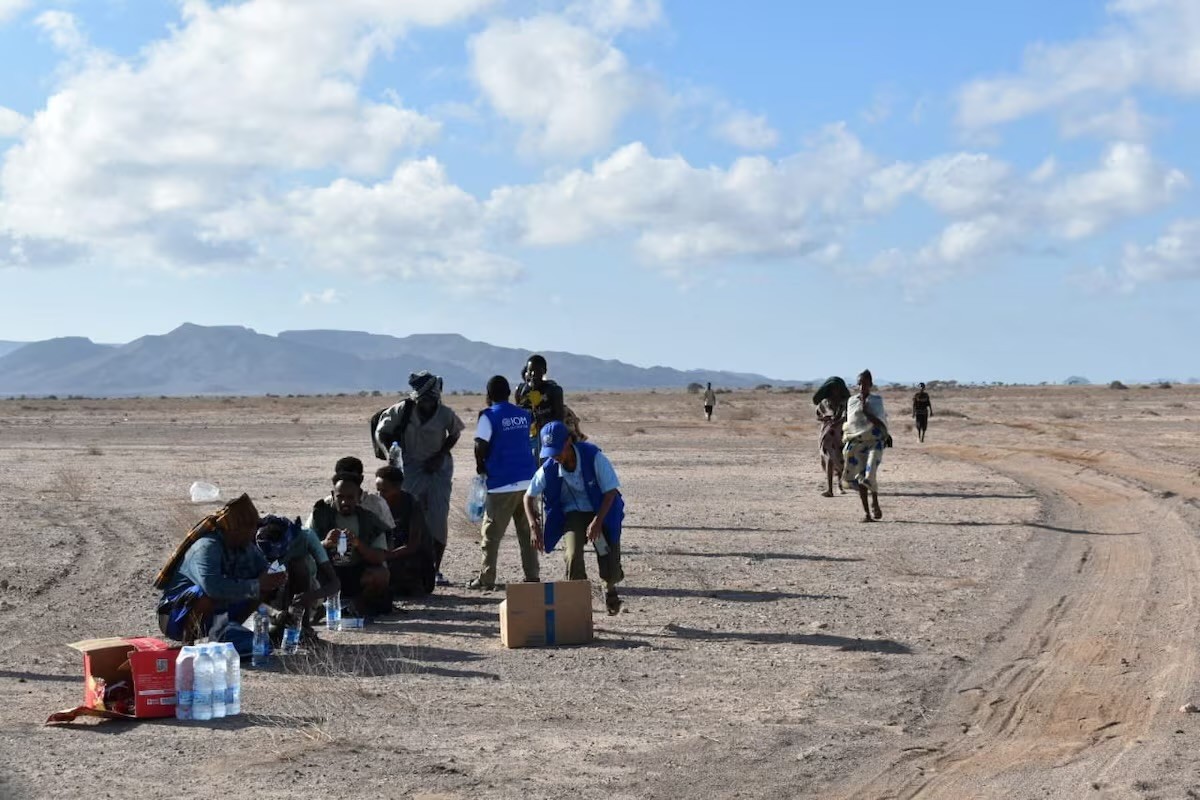
At least 139 migrants dead, including some children, after boat from Djibouti to Yemen capsizes, UN agency says
21:17
11 October 2026
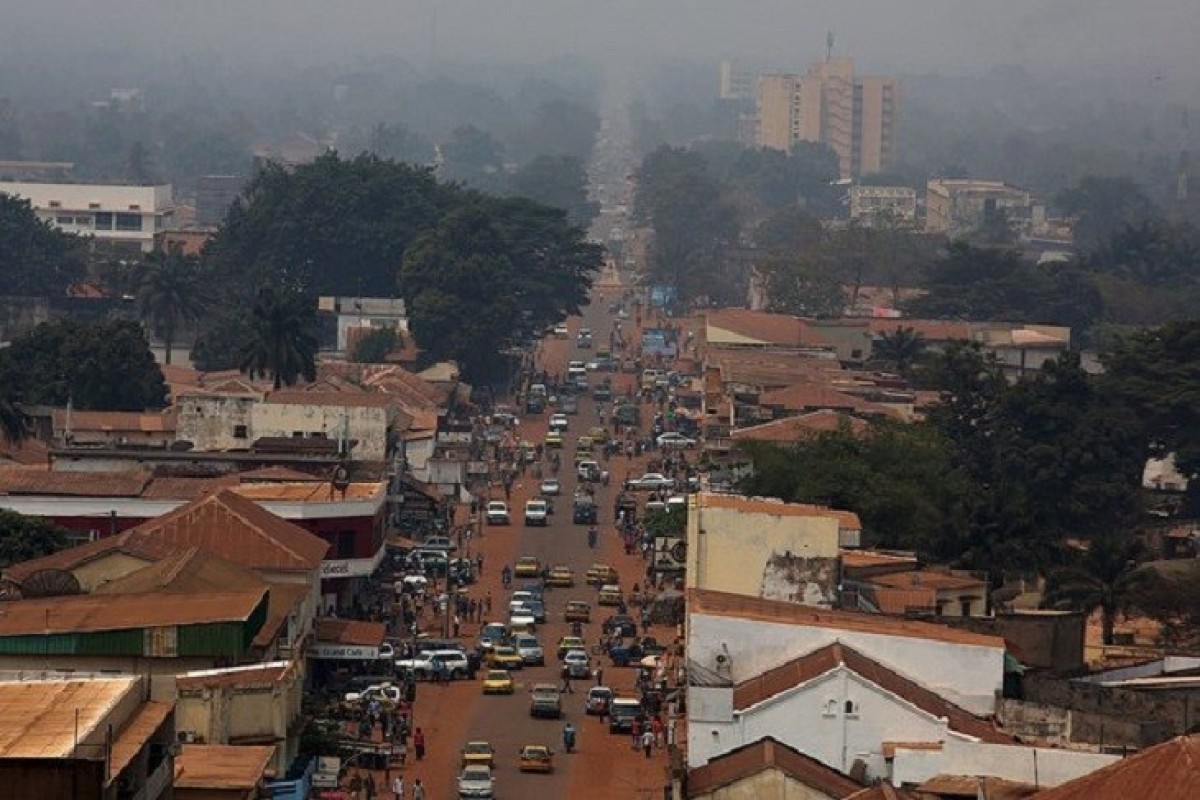
Central African Republic foils planned large-scale militant attack
07:04
11 October 2026
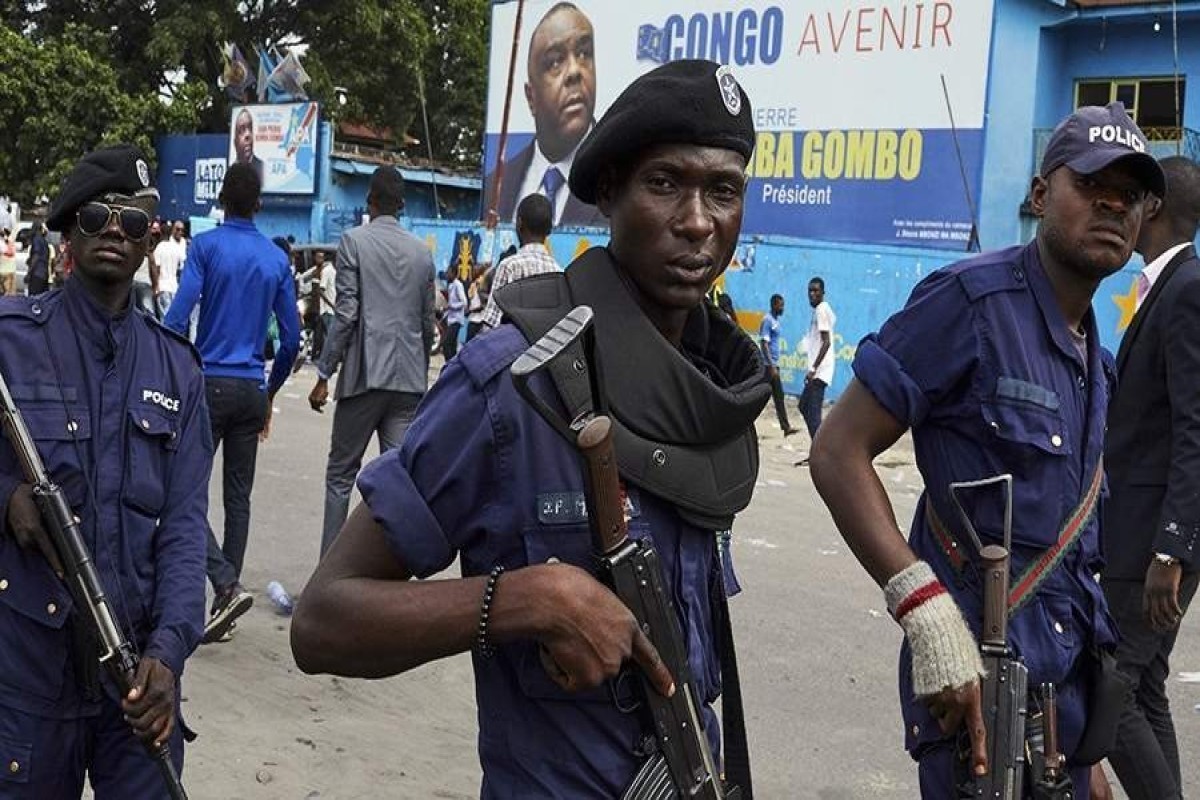
Rebel attack kills 11 civilians in DR Congo
05:16
11 October 2026

NEWS FEED
UK provides Ukraine with additional long-range Storm Shadow missiles
21:20
15 October 2026
Video shared on President Ilham Aliyev’s social media accounts on his meeting with Amir of the State of Qatar Sheikh Tamim bin Hamad Al Thani
21:00
15 October 2026
President Ilham Aliyev’s social media accounts shared video on inauguration of Trans-Caspian Fiber-Optic Cable Line
20:55
15 October 2026
Baku hosted 7th CICA Summit, President Ilham Aliyev addressed the event - UPDATED-5
20:40
15 October 2026
Ukrainian President discusses air defense with NATO Secretary General
20:31
15 October 2026
Ukraine runs out of Patriot interceptor missiles as Zelenskyy and Trump clash over war
19:52
15 October 2026
Iran's navy says "violating" oil tanker caught fire east of Hormuz Strait
19:43
15 October 2026
White House official: Trump considering all options to keep Iran from nuclear weapon
19:37
15 October 2026
Houthis fire missiles at presidential palace in Yemen's Aden, officials say
19:00
15 October 2026
President Ilham Aliyev’s social media accounts shared video on 7th CICA Summit
18:28
15 October 2026
President Ilham Aliyev met with Amir of Qatar - UPDATED
18:12
15 October 2026
Armenian and Turkish businesspeople discuss joint cooperation
17:56
15 October 2026
Journalist Alexander Nevzorov added to Russia’s list of terrorists and extremists
17:53
15 October 2026
New head of Republic of Dagestan elected
17:46
15 October 2026
Kobakhidze visits Armenia
17:17
15 October 2026
Georgian opposition announces protest rallies
17:05
15 October 2026
Pashinyan establishes working group to resolve railway issues with Russia
17:02
15 October 2026
Pope Leo recovering as planned after lung cancer surgery, doctors say
16:58
15 October 2026
Papuashvili: EU takes disruptive stance in relations with Georgia
16:40
15 October 2026
Azerbaijan to chair CICA in 2026–2028
16:27
15 October 2026
UN considers CICA's role more important now than ever
16:26
15 October 2026
Meeting held with delegation of international and foreign national Paralympic committees
16:23
15 October 2026
President Ilham Aliyev received Türkiye’s Minister of Foreign Affairs
16:16
15 October 2026
7th CICA Summit concludes
16:12
15 October 2026
CICA Secretary General replaced
16:11
15 October 2026
Lavrov considers it appropriate to hold next "3+3" meeting in Azerbaijan
16:08
15 October 2026
Baku Declaration adopted following 7th CICA Summit
16:05
15 October 2026
Large amount of drugs prevented from being smuggled from Iran into Azerbaijan - PHOTO
16:02
15 October 2026
Signed documents exchanged between Azerbaijan and Kazakhstan
16:00
15 October 2026
Lavrov: Russia ready to participate in TRIPP, but has not yet received invitation
15:50
15 October 2026
Lavrov: Zelenskyy is challenging Trump, not interested in elections
15:47
15 October 2026
Presidents of Azerbaijan and Kazakhstan met in Baku and inaugurated Trans-Caspian Fiber-Optic Cable Line
15:44
15 October 2026
9th Congress of Azerbaijani Journalists to be held tomorrow, candidates for Press Council Board announced
15:43
15 October 2026
Gharibabadi: Current difficulties in Strait of Hormuz caused by military aggression and naval blockade against Iran
15:42
15 October 2026
ING: $10 rise in oil prices could increase Azerbaijan’s exports by 2–4% of GDP
15:39
15 October 2026
UAE Minister: Priorities set during Azerbaijan’s CICA chairmanship align with UAE’s vision
15:33
15 October 2026
Palestinian issue raised at CICA Summit
15:31
15 October 2026
Indian FM: Changing geopolitical landscape necessitates more active participation of Global South countries
15:15
15 October 2026
Azerbaijan takes over chairmanship of CIS Advisory Council on Labor, Employment and Social Protection
15:14
15 October 2026
Death toll from Istanbul floods reaches 3, four people missing
15:12
15 October 2026
Azerbaijani Special Forces conduct training sessions for reservists
15:07
15 October 2026
Home of Novaya Gazeta editor-in-chief searched
15:04
15 October 2026
Lavrov: Russia has always supported CICA's development through practical cooperation
14:58
15 October 2026
Foreign ministers of Azerbaijan, Uzbekistan and Turkmenistan hold trilateral meeting
14:55
15 October 2026
Turkish and Russian FMs meet in Baku
14:53
15 October 2026
Türkiye committed to strengthening CICA as Asia's most comprehensive security platform - Turkish FM
14:51
15 October 2026
Bahrain calls for ensuring safety of maritime and air navigation
14:44
15 October 2026
Pezeshkian to visit Armenia for biodiversity summit
14:40
15 October 2026
Pashinyan: Armenia has never had strained relations with Russia
14:40
15 October 2026
FM Hakan Fidan: We want COP31 to become an opportunity to strengthen climate justice
14:38
15 October 2026


