













APA presents Mohammad Rahmanifar's article "Ajabshir City, a City Affected by the Urmia Lake Disaster" as part of the "Recognize Southern Azerbaijan" project.
You can read the previous article on the project here.
Ajabshir city is located 85 kilometers from Tabriz, the capital of East Azerbaijan province, and near Lake Urmia (Urmu). The city is actually situated in the center of Ajabshir County (Shahrestan) and is surrounded by smaller towns such as Javan Qala and Qala Chay.
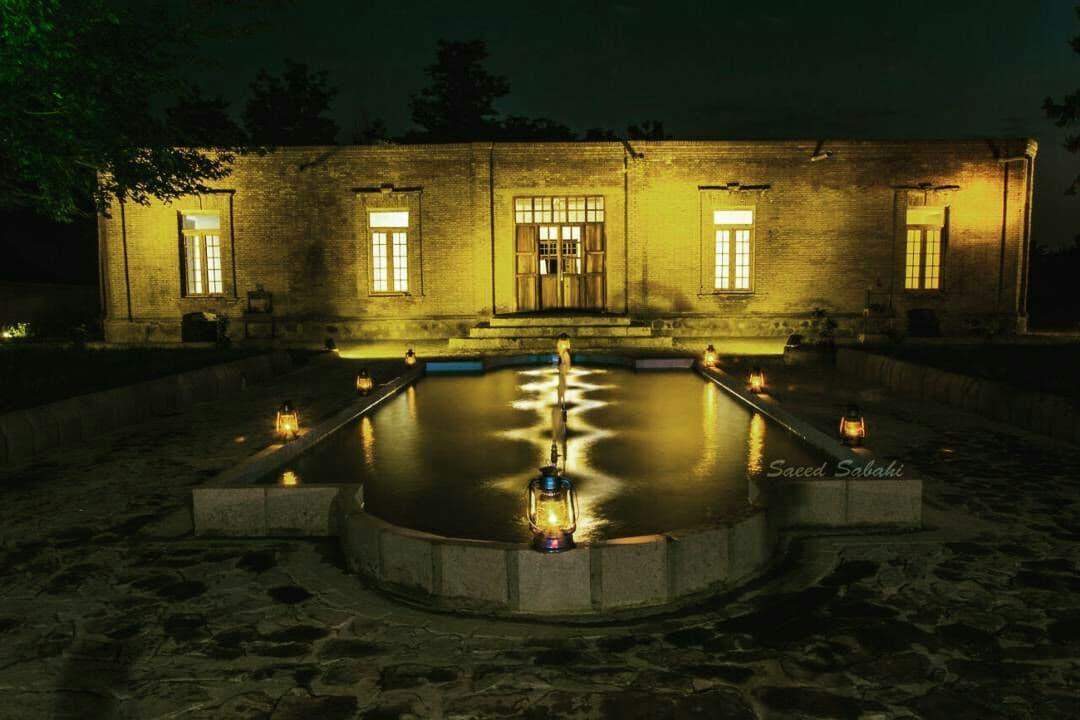
According to the 2017 census, the population of Ajabshir city was 70,000, while the total population of Ajabshir County was 96,000. The inhabitants, who are Muslim and Shia, speak Azerbaijani Turkish. Additionally, some villages in the region, such as Gul Tepe, Gorvan, and Shiraz, are home to Alevi Turks.
Ajabshir City: From Past to Present
Like many regions of Azerbaijan, Ajabshir has a deep-rooted history. Based on archaeological data and the fact that ancient civilizations were often established near rivers and water sources, it can be assumed that cave dwellers once lived in this area. Several ancient caves and rock shelters have been discovered here and registered at the national level.
Furthermore, according to archaeological findings, the ancient mounds and settlements such as Gul Tepe, Sichan Tepe, and Tikan Tepe, which date back to the Chalcolithic period (Copper-Stone Age), indicate human habitation from the earliest times. Another significant historical site, Dash Castle (Zahhak Castle), is located just 25 kilometers from Ajabshir, further proving the ancient significance of the region.
A Favorite of the Qajar Princes
The presence of five historic castles from the pre-Islamic era, along with Safavid-era cemeteries such as Shiraz, Zeyva, Gozulja, and Hasan Bey Diza, and numerous mosques and historical buildings from the Seljuk-Ilkhanid period, demonstrates that Ajabshir's rich history continued across various dynasties.
During the reign of the Turkic Qajar dynasty (1789-1925), Ajabshir was a strategically important region. It is well known that Azerbaijan was the residence of the Qajar Crown Prince due to its crucial role in the empire. In fact, the Crown Prince of the Qajar dynasty was not only stationed in Azerbaijan but was also considered its ruler, and several Qajar kings were even born there.
During the reign of Nasir al-Din Shah (1848–1896), his son, Mozaffar ad-Din Mirza, was the Crown Prince and ruler of Azerbaijan. During his tenure, Ajabshir’s administration was entrusted to a Qajar prince named Malik Qasim. Malik Qasim and his two sons, Reza Qoli Mirza and Imam Qoli Mirza, played a significant role in the progress, development, and prosperity of the region.
A Hub on the Ancient Azerbaijan-Iraq-Sham Trade Route
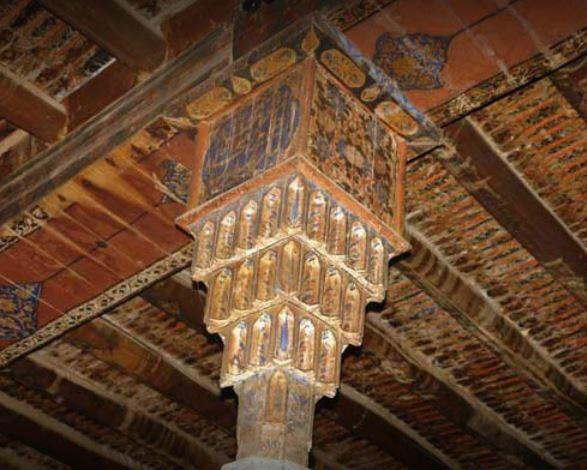
One of the key reasons for Ajabshir's historical prosperity was its location on the ancient and famous Azerbaijan-Iraq-Sham (Levant) trade route. Due to this strategic position, the city housed prestigious residences and caravanserais. Large trade and pilgrimage caravans from major cities of Greater Azerbaijan, such as Baku, Ganja, Nakhchivan, Ardabil, and Tabriz, would stop here—sometimes for brief rests, sometimes for longer stays—before continuing their journeys to the holy sites of Iraq and Mecca.
Even today, remnants of these old caravanserais can still be found in the region. Although many of them have turned into ruins, their existence continues to bear witness to the city's ancient prosperity and glorious past.
The Present State of Rahmanlu Port
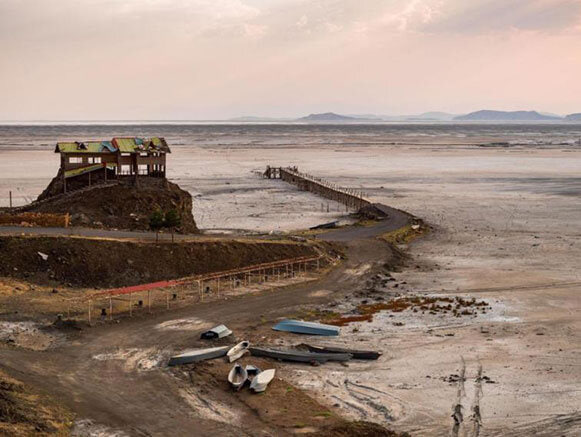
Ajabshir historically thrived due to its fertile lands, proximity to Lake Urmia, abundant underground water reserves, and numerous rivers, which made it an agricultural hub. However, in recent years, the drying of Lake Urmia has inflicted irreparable damage on the region, particularly in the agriculture sector. Even local officials have repeatedly admitted the severity of the crisis. According to their reports, more than 65% of the wells along the lake’s shores have become saline and are no longer usable. Many residents of villages near the lake have been forced to abandon their homes and lands.
This environmental catastrophe has not only caused significant financial losses in agriculture but has also led to severe ecological problems, endangering the livelihoods and lives of the local population.
Once a bustling port where cargo and passenger ships anchored, Rahmanlu Port has now fallen into ruins. If you visit the port today, instead of the once lively and bustling scenes, you will find nothing but a sorrowful and eerie silence. Many people who once worked at the port to support their families have now, like the displaced residents of lakeside villages, been forced to migrate in search of new opportunities elsewhere.
Ajabshir: Guardian of Azerbaijani Identity
Witnessing the tragedies unfolding in Southern Azerbaijan, the Azerbaijani Turks, especially the youth, have not remained indifferent. Facing both the destruction of Lake Urmia and the contamination of their lands, as well as the threat to their cultural heritage, these young people have actively engaged in efforts to preserve Azerbaijani culture, history, language, water, and land.
Today, despite all government-imposed restrictions and challenges, the Turks of Southern Azerbaijan, particularly the younger generation, remain steadfast in their commitment to preserving their Azerbaijani identity, language, and culture. These people, standing firm against cultural, economic, and political pressures from the central government, promise a brighter future for Southern Azerbaijan.
Though their resources are limited compared to the state institutions that aim to erase Azerbaijani culture, their unwavering determination has sparked a growing sense of identity among the younger generation. Day by day, more Southern Azerbaijanis seek to reconnect with their cultural and national roots.
As we have written about other cities and regions of Southern Azerbaijan before, it is evident that despite a century of assimilation efforts by the central government, Azerbaijan’s culture, history, art, and language continue to thrive in Ajabshir and other Azerbaijani cities. The presence of Azerbaijani dances and music, performances by local artists, Ashiq (minstrel) traditions, folk songs (bayatis), mugham music, and cultural celebrations such as Charshanba festivals, Nowruz, Sayachilar, Kosa and Tekemchi rituals, Chilla night, and the epic of "Koroglu", all demonstrate that as long as these traditions live, Azerbaijan itself will endure.
Who Was Hasan Damirchi?
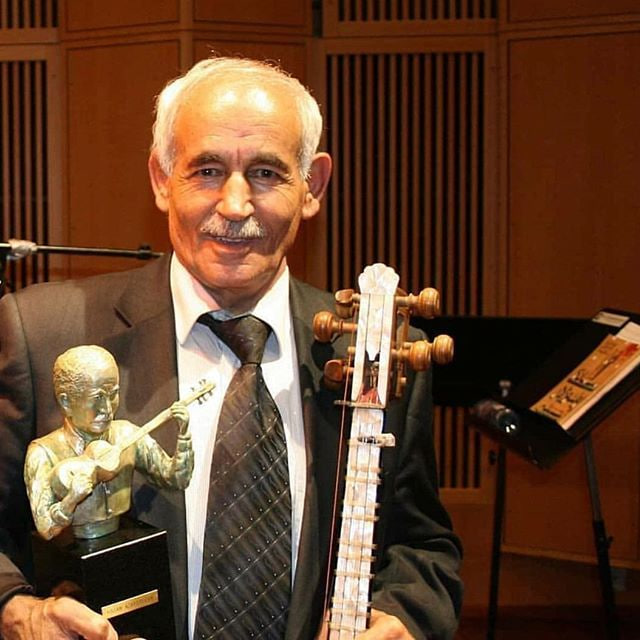
It is also worth mentioning that Ajabshir has been home to many great individuals. Among them, Hasan Damirchi, also known as Hasan Azerbaijan, holds a special place.
Despite all restrictions and hardships, Hasan Damirchi dedicated his life to preserving and developing Azerbaijani music and culture. Through his compositions, stage performances, books, students, and mastery of the Azerbaijani tar (a traditional string instrument), he carved out an unshakable place in the hearts of Southern Azerbaijanis. His passionate and fearless speeches further strengthened his legacy.
Because of his immense contribution to Azerbaijani culture, the people of Southern Azerbaijan did not call him Hasan Damirchi—instead, they honored him with the name Hasan Azerbaijan.
Until his very last breath, this legendary son of Southern Azerbaijan lived for the love of Azerbaijan and worked tirelessly to keep that love alive.


 Follow us on Telegram
 t.me/apanewsaz
 Follow us on Instagram
 Follow us on TikTok
 Follow us on Facebook
 Follow us on X


