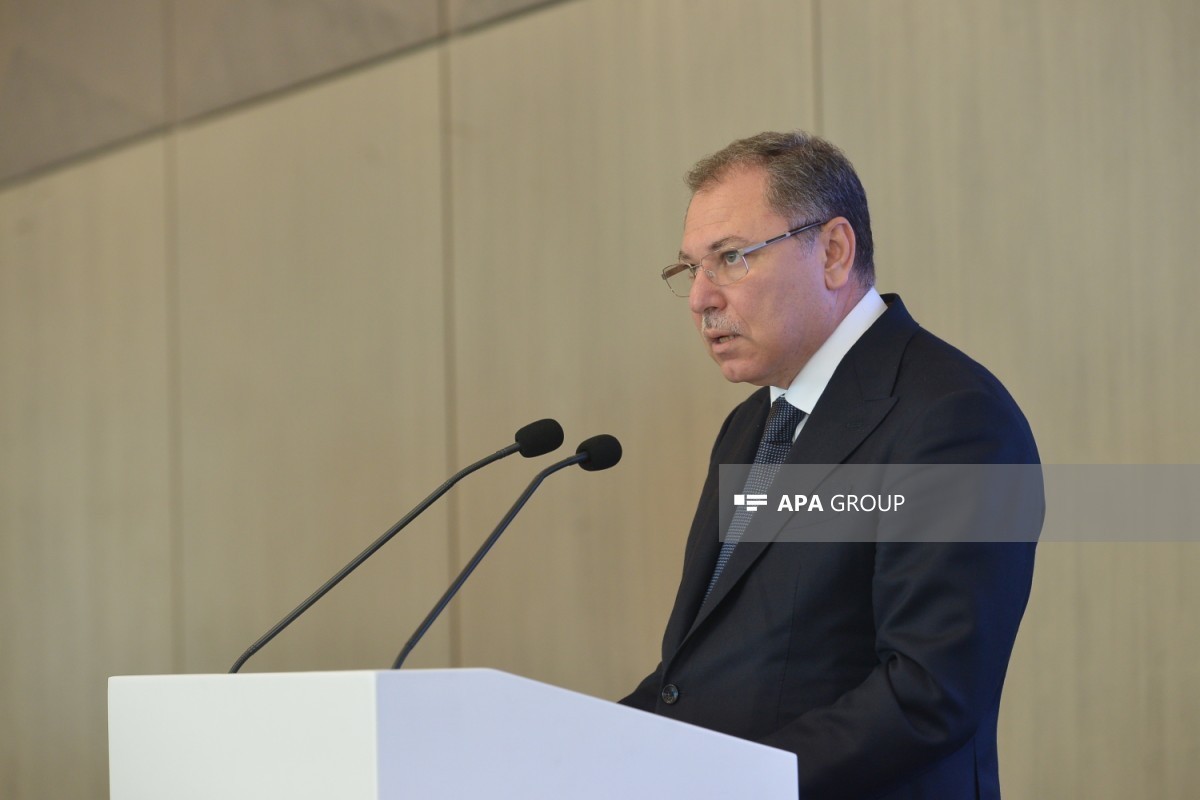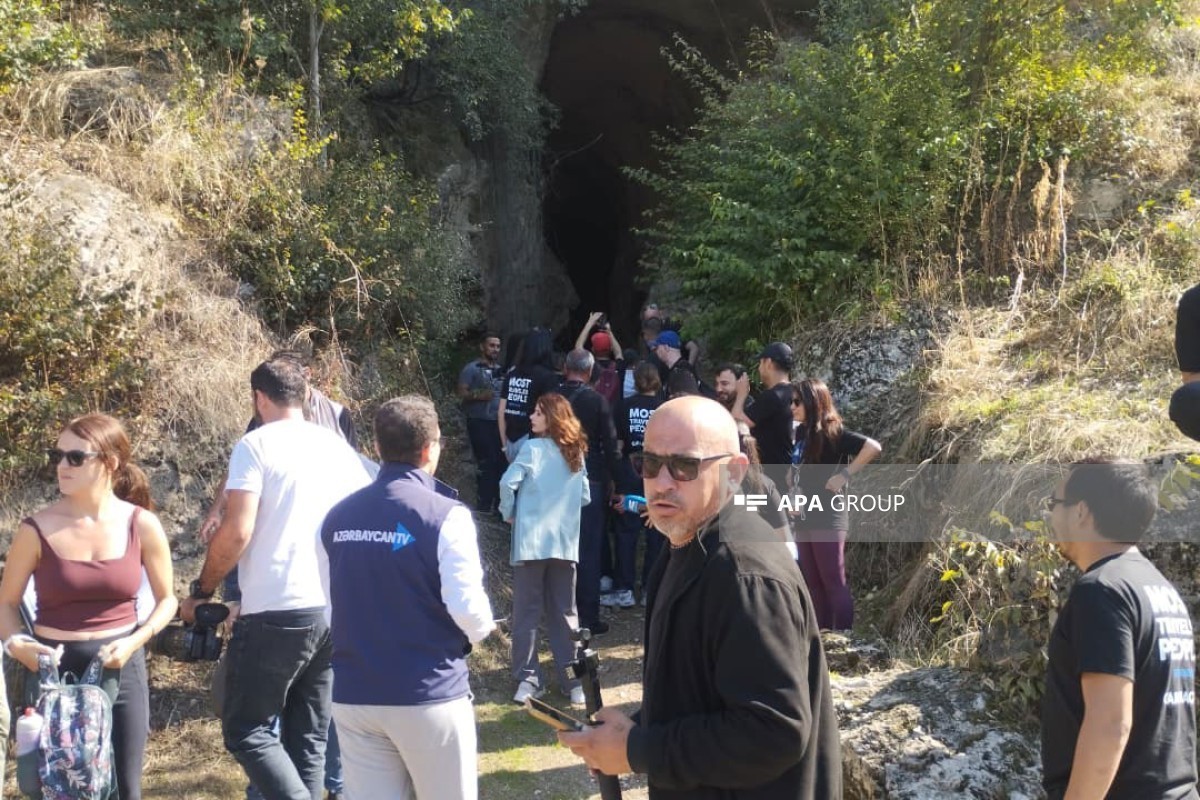





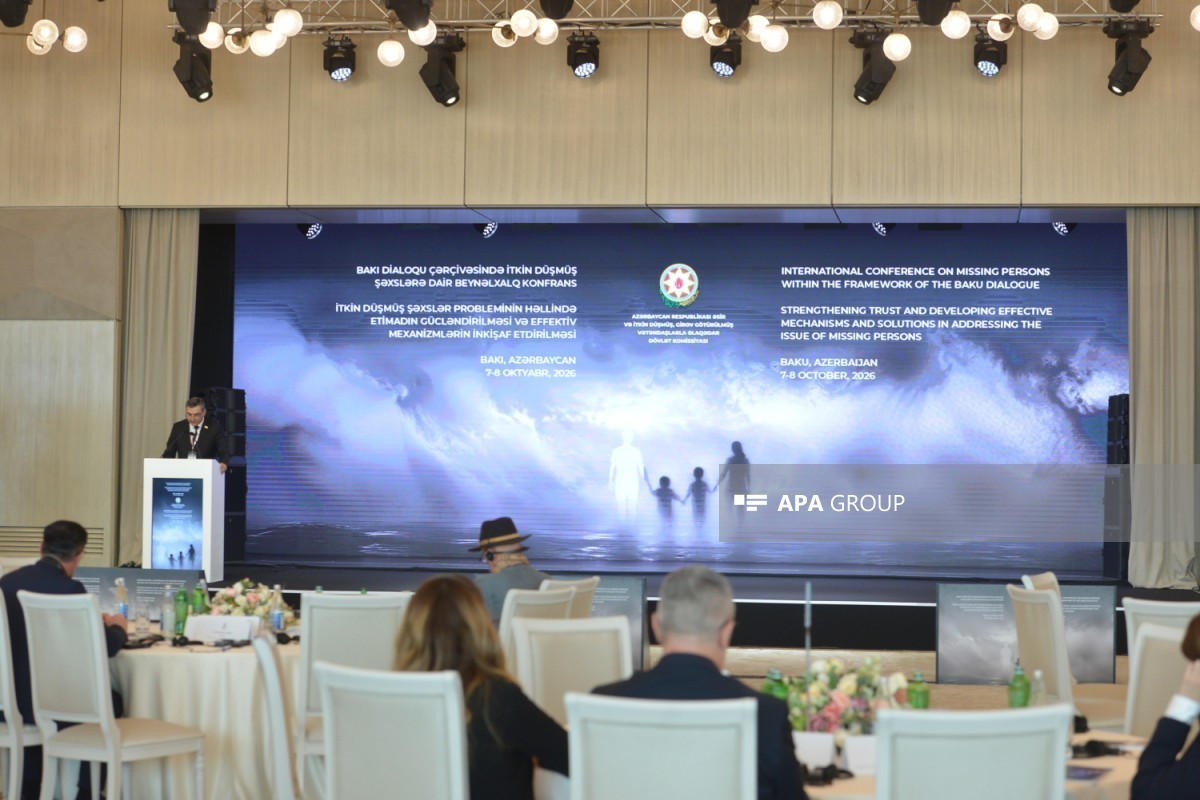
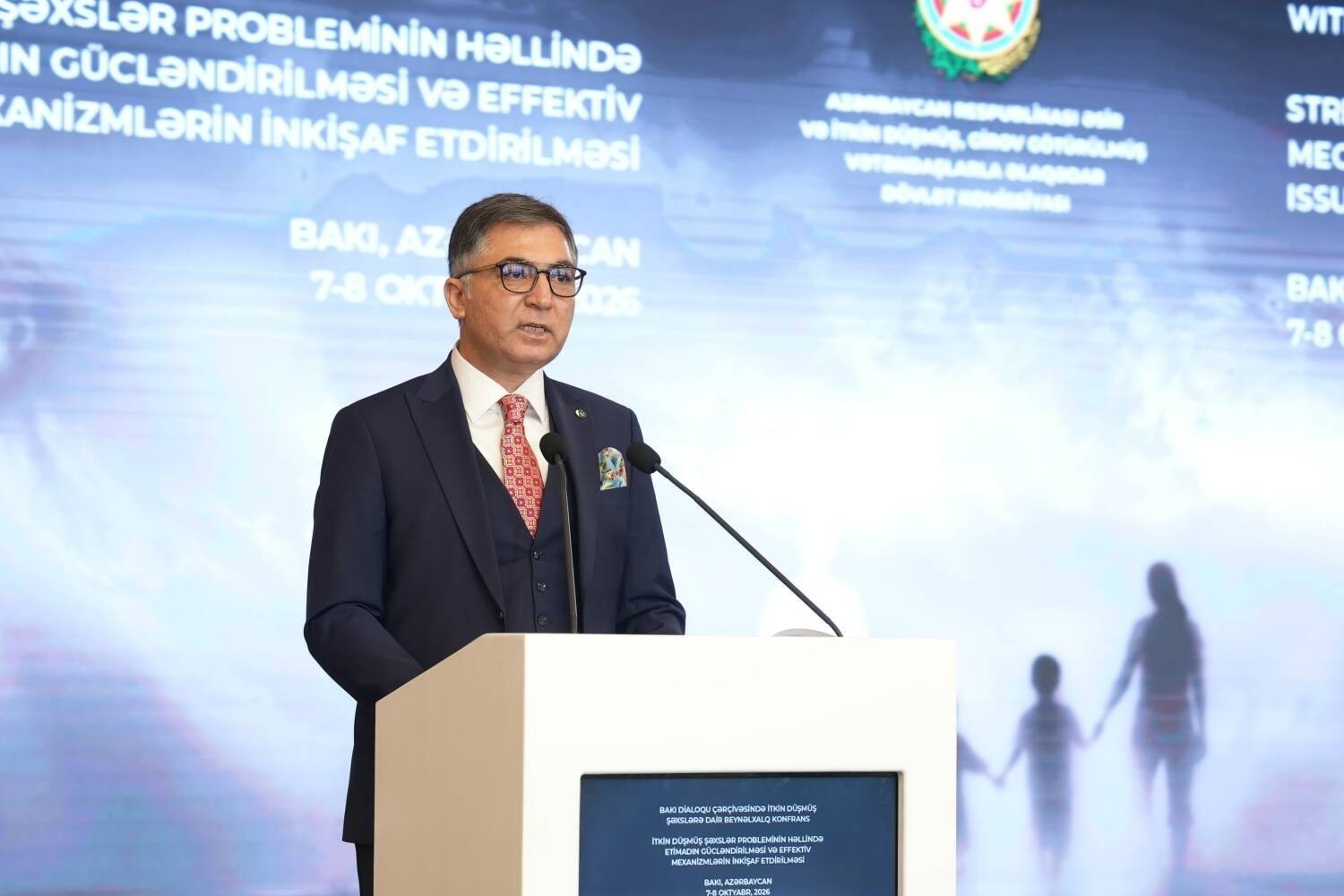
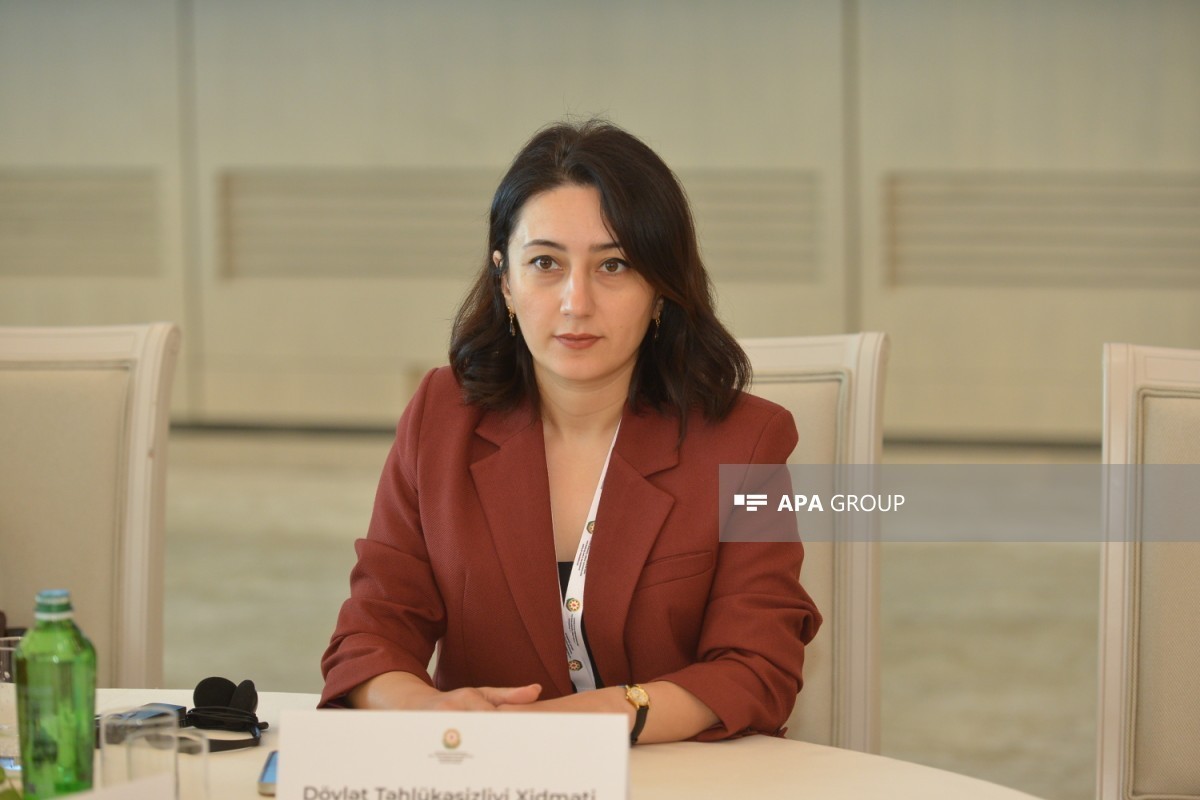
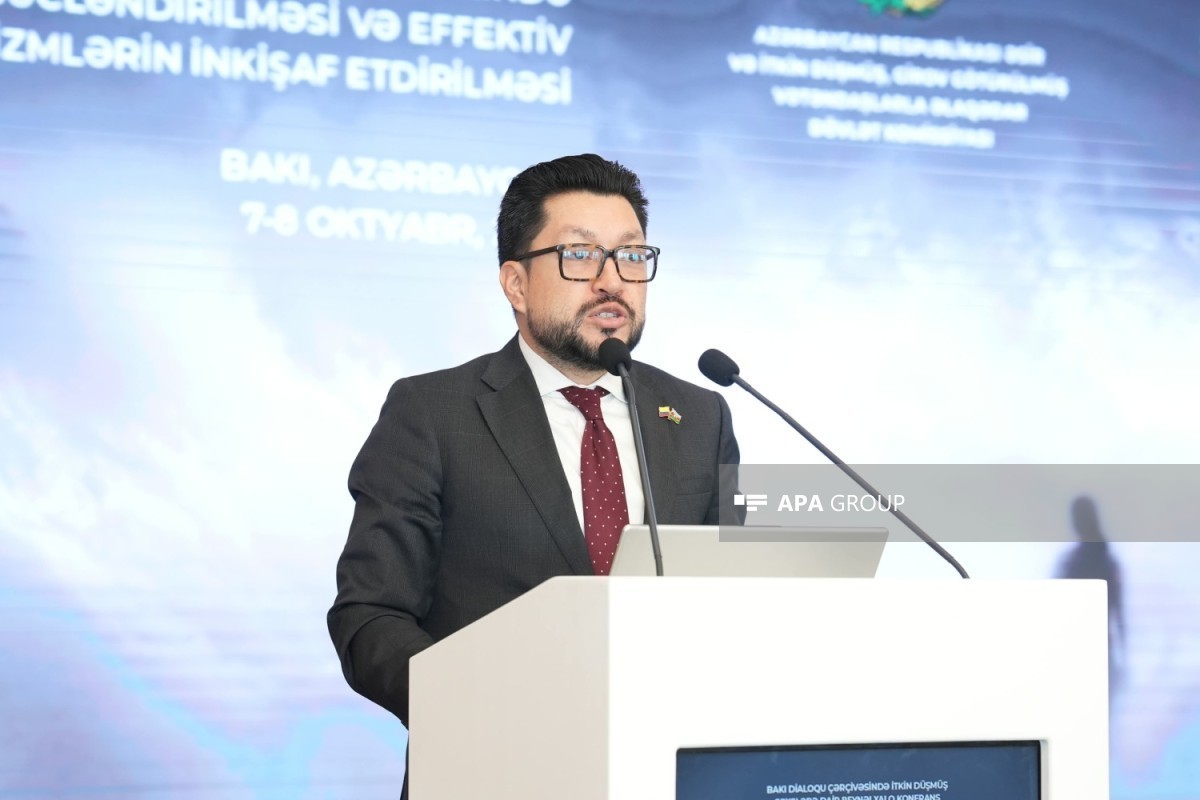
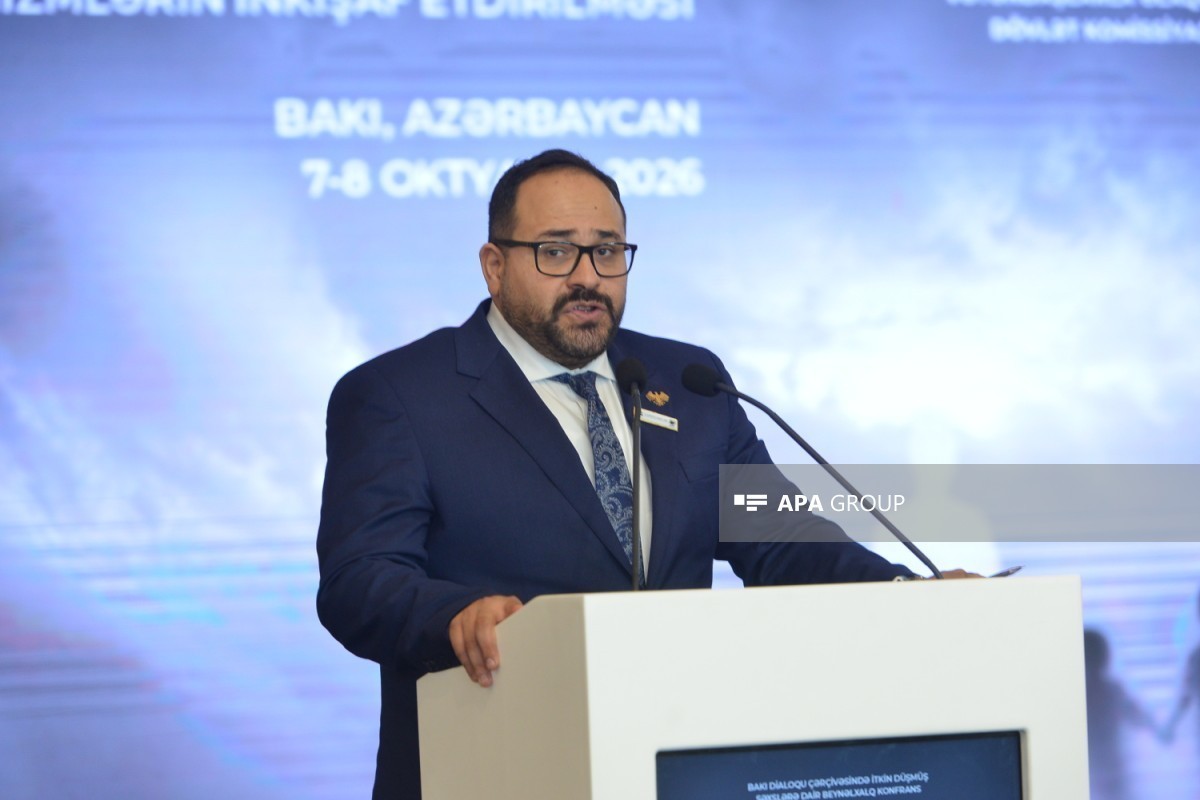
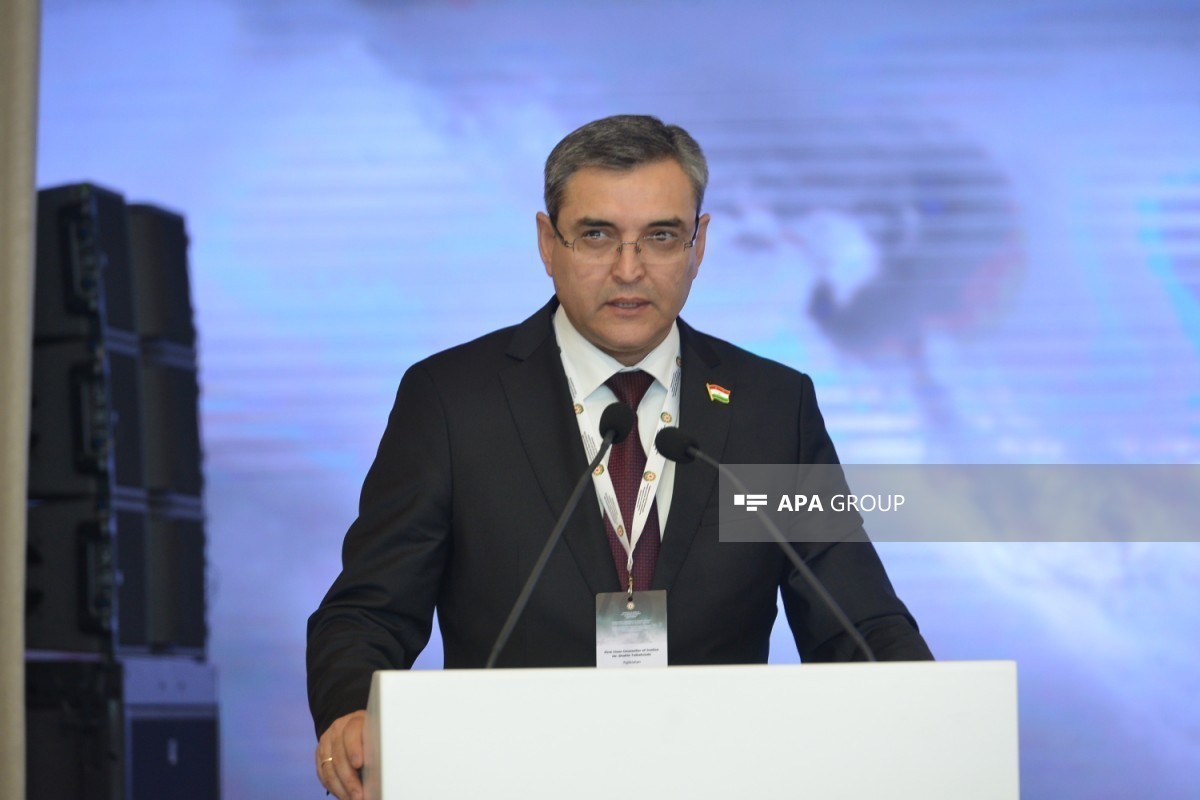
A panel session titled "Addressing the Issue of Missing Persons in Peace Processes: Humanitarian Cooperation and Confidence-Building Measures" was held at the 4th International Conference within the framework of the Baku Dialogue on Missing Persons, APA reports.
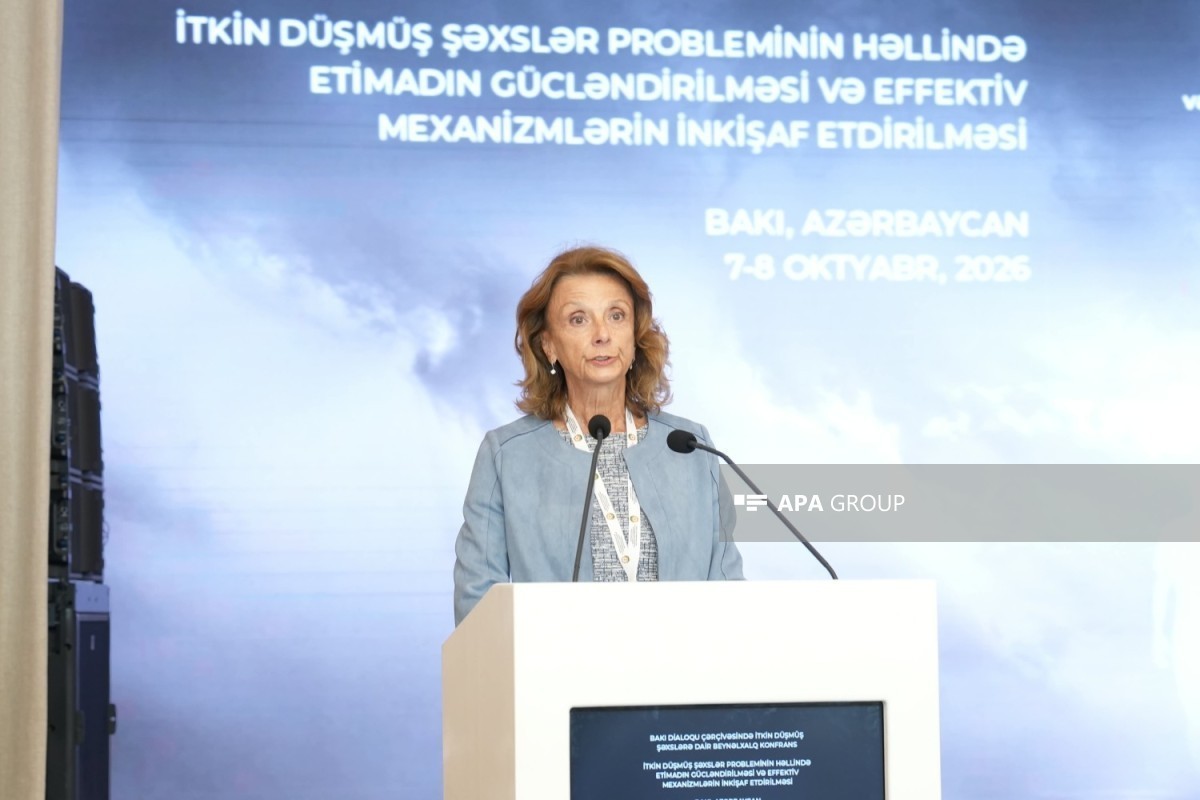
Former Montenegrin Defense Minister Milica Đurišić stated that although a long time has passed since the wars that took place in the Balkan region in the early 1990s, the war has still not ended for many families.
According to her, unanswered questions about the fate of their loved ones prevent families from overcoming their pain and achieving closure.
She emphasized that the issue of missing persons should not be postponed until after the peace process but should be an integral part of the peace process itself.
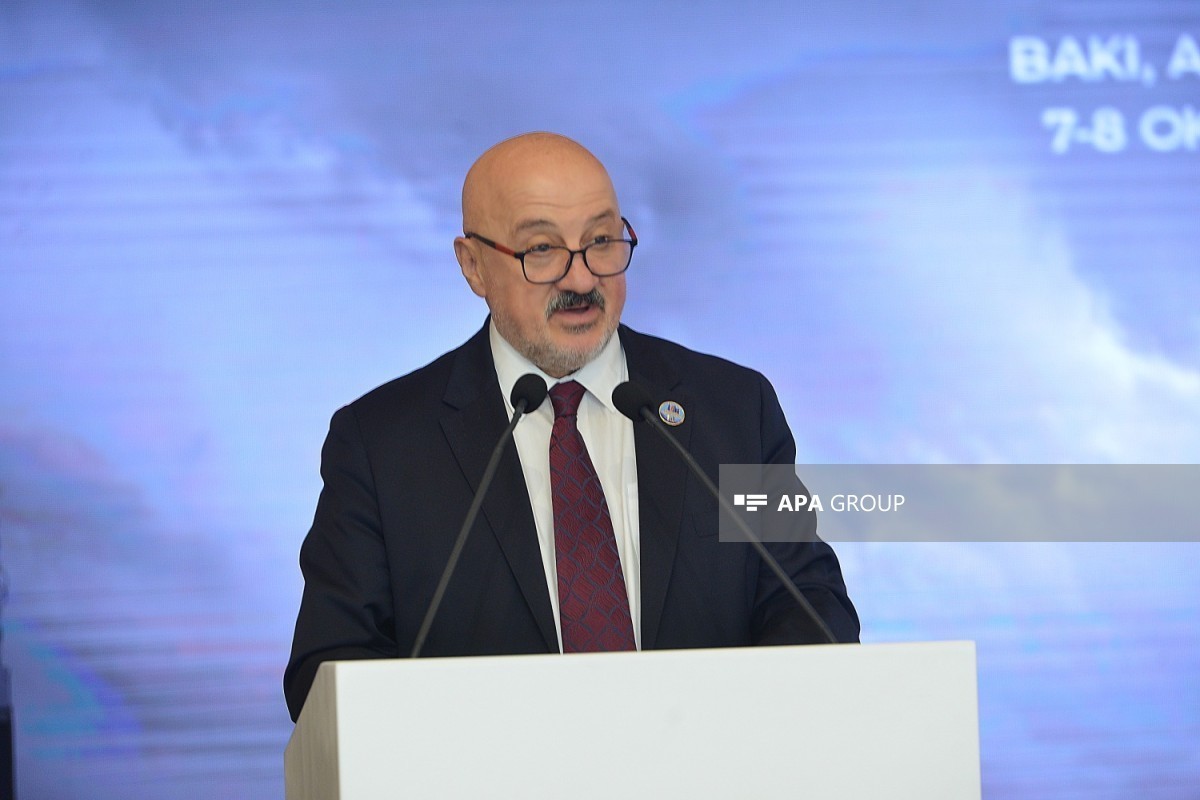
Uğur Bayraktutan, a member of the Türkiye-Azerbaijan Interparliamentary Friendship Group, stated that developing scientific and institutional capacity is of great importance in efforts related to missing persons in Azerbaijan.
According to him, this process should not be limited to the activities of state institutions but should involve cooperation among judicial authorities, forensic experts, civil society, families and other relevant institutions.
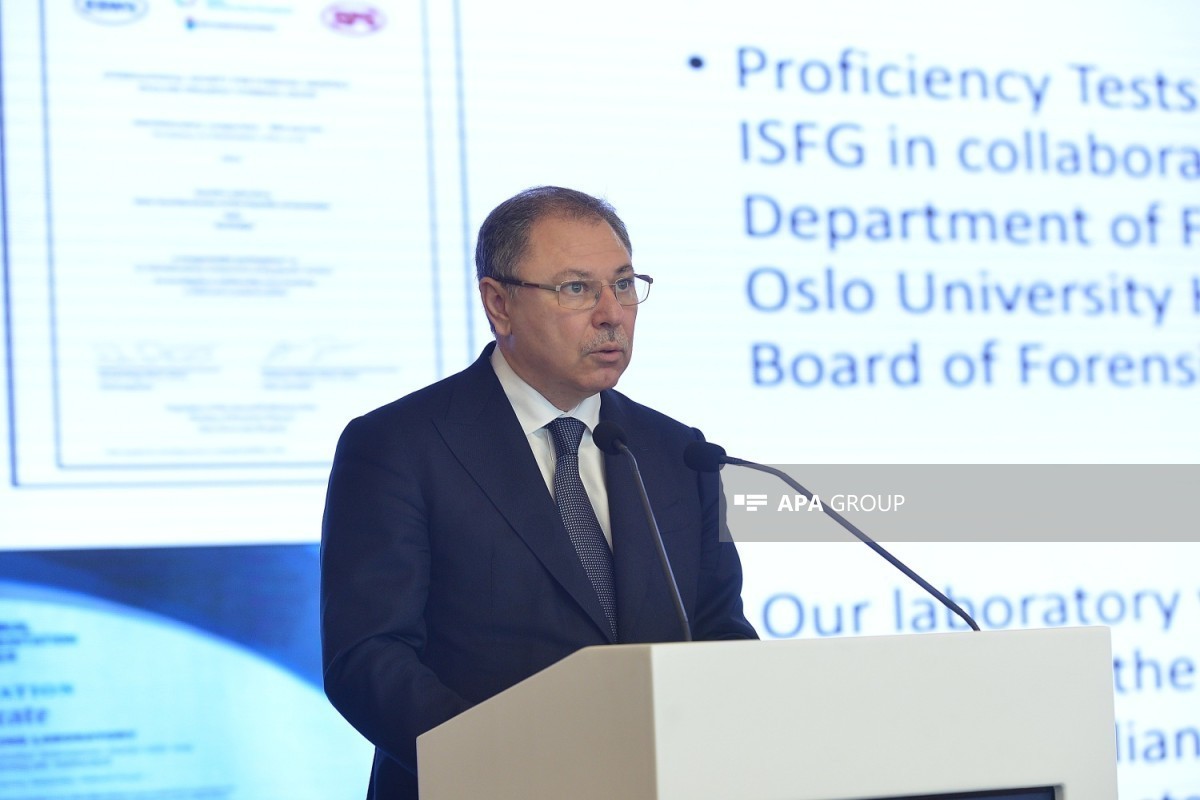
Dmytro Lubinets, Commissioner for Human Rights (Ombudsman) of the Verkhovna Rada of Ukraine, stated that approximately 113,000 people, including children, military personnel and civilians, are registered as missing in his country.
He noted that the actual figure is believed to be higher due to the lack of access to Ukraine's temporarily occupied territories.
According to Lubinets, approximately 1.6 million Ukrainian children currently remain in temporarily occupied territories. He added that, according to Ukrainian estimates, at least 20,610 Ukrainian children have been deported or forcibly transferred to other territories by Russia since the beginning of the full-scale invasion.
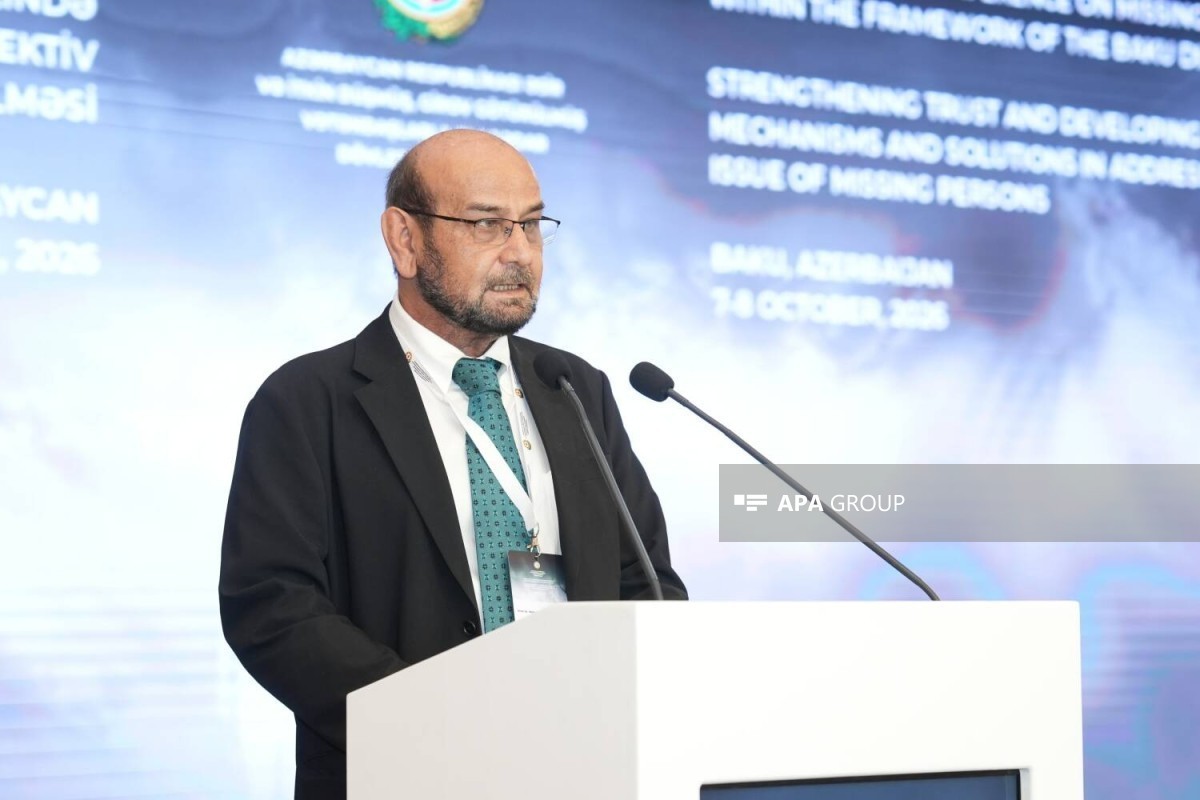
Muhammad Sohail Sajid, an advocate of the Supreme Court of Pakistan, stated that Azerbaijan has established a technical infrastructure to determine the fate of missing persons, that DNA capabilities are widely used in this area, and that accurate information exchange is one of the key conditions for accelerating the search process.
The speakers highlighted the importance of information exchange, institutional cooperation, the use of modern forensic and DNA capabilities, and the involvement of families in the process.


 Follow us on Telegram
 t.me/apanewsaz
 Follow us on Instagram
 Follow us on TikTok
 Follow us on Facebook
 Follow us on X