




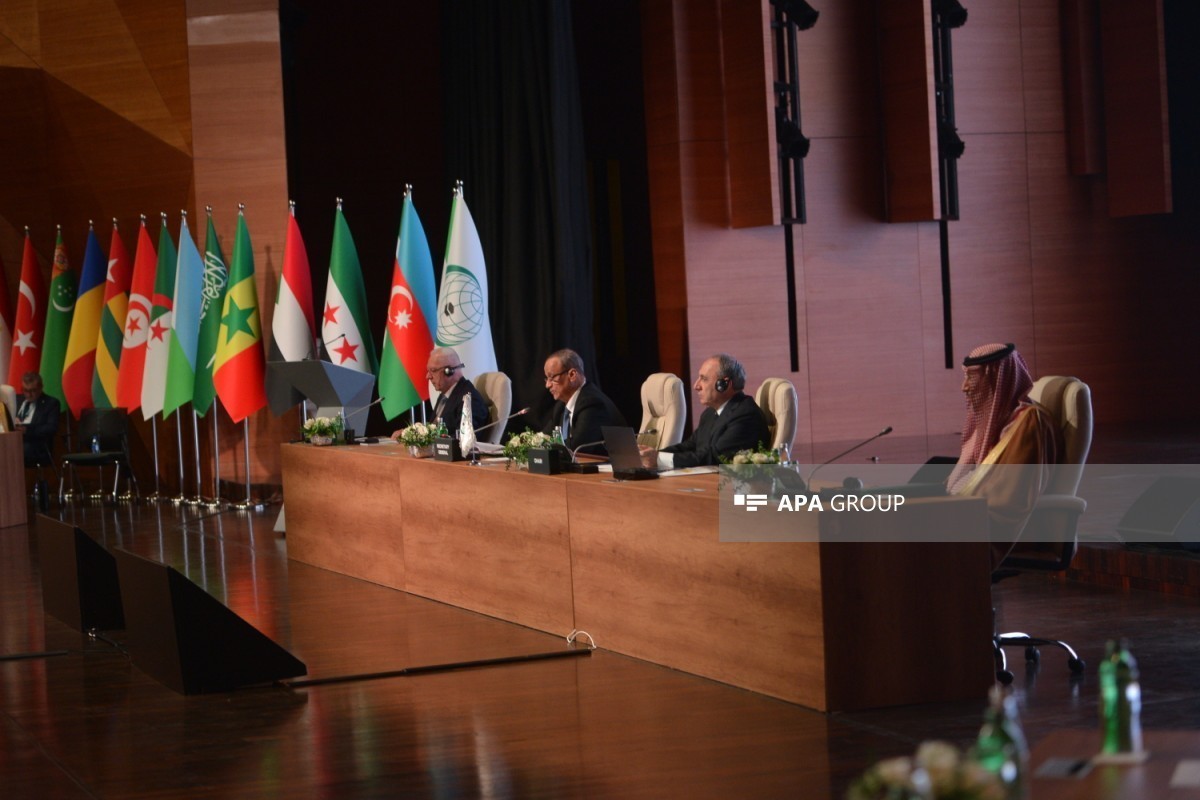


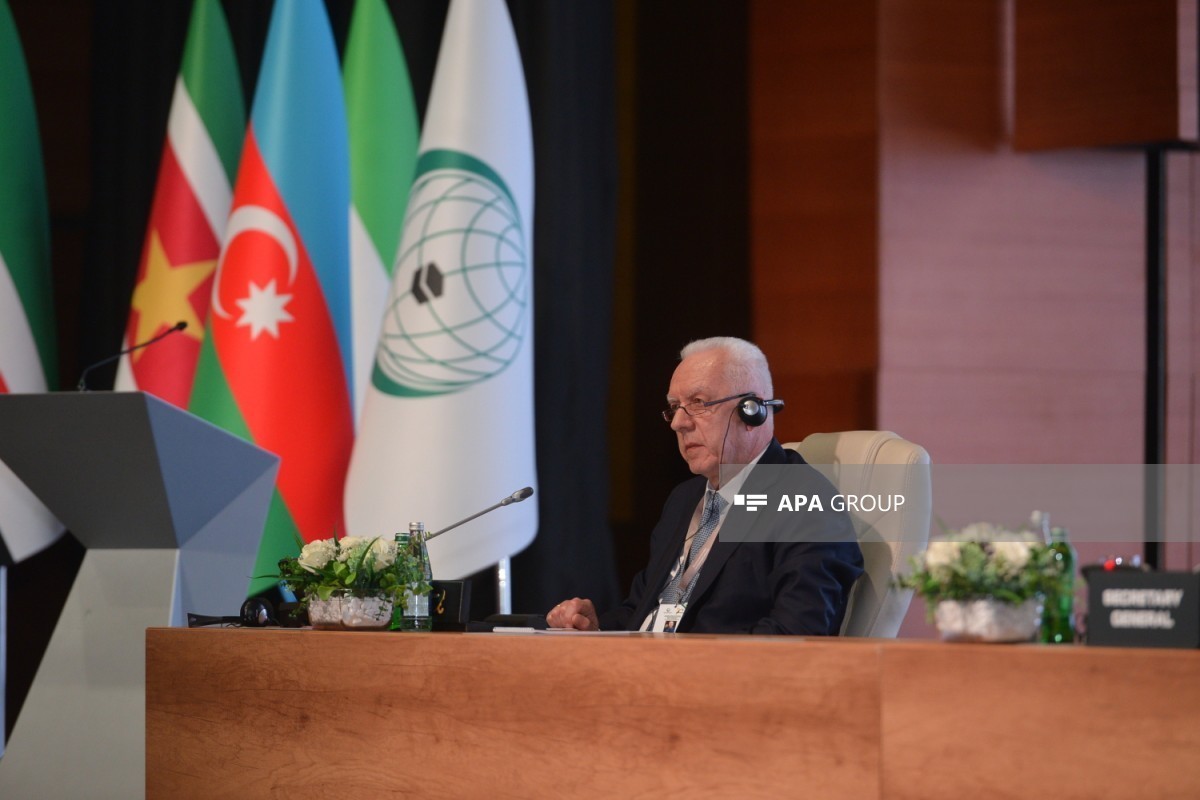
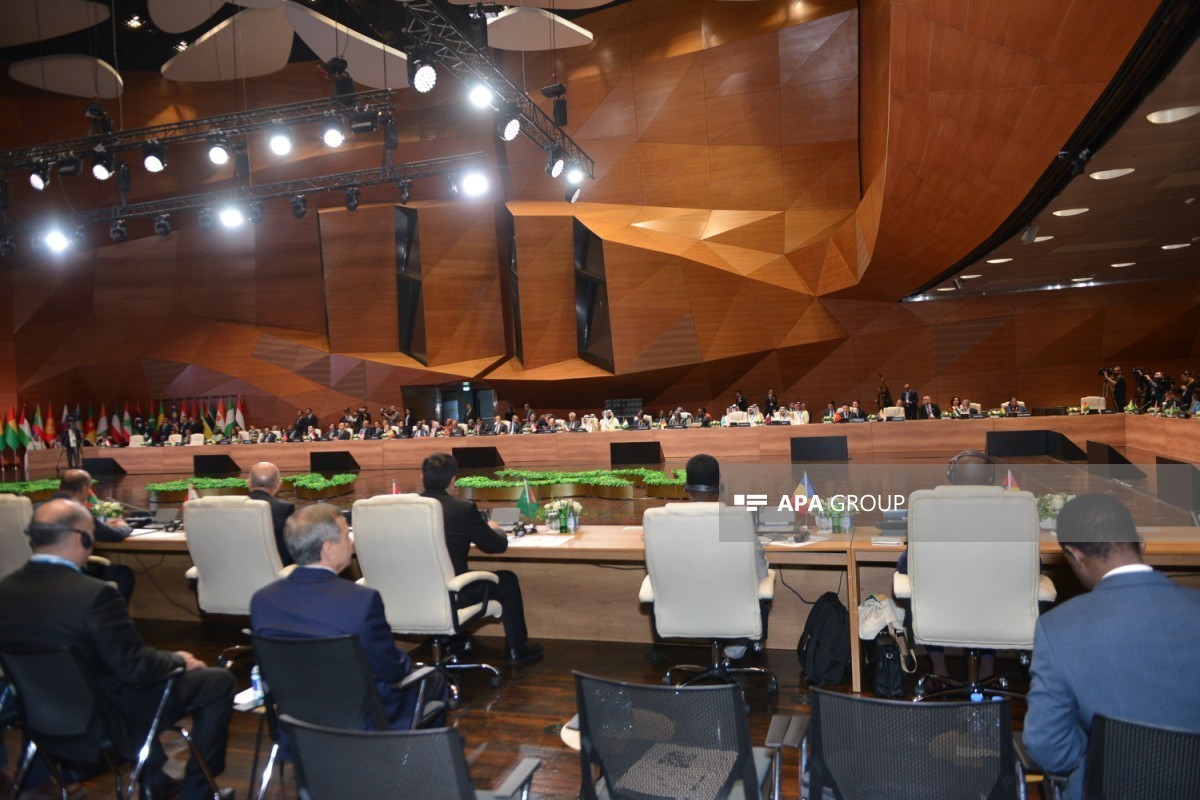
The Third High-Level Meeting of the Heads of Anti-Corruption Law Enforcement Agencies of the Member States of the Organization of Islamic Cooperation (OIC) was held in Baku on October 28, APA reports.
The event, hosted by the Prosecutor General's Office of the Republic of Azerbaijan, brought together more than 250 participants, including delegates representing 46 member and observer countries, as well as representatives of eight international organizations. Among the participants were more than 40 high-ranking officials, including heads of independent anti-corruption bodies and ministers.
The main purpose of the meeting was to strengthen international and regional cooperation in combating corruption among OIC member states, expand coordinated activities between law enforcement agencies, and promote the exchange of best practices.
The event also featured discussions on identifying and recovering assets obtained through corruption, applying modern technologies in anti-corruption activities, and opportunities for joint activities between the relevant bodies of member states.
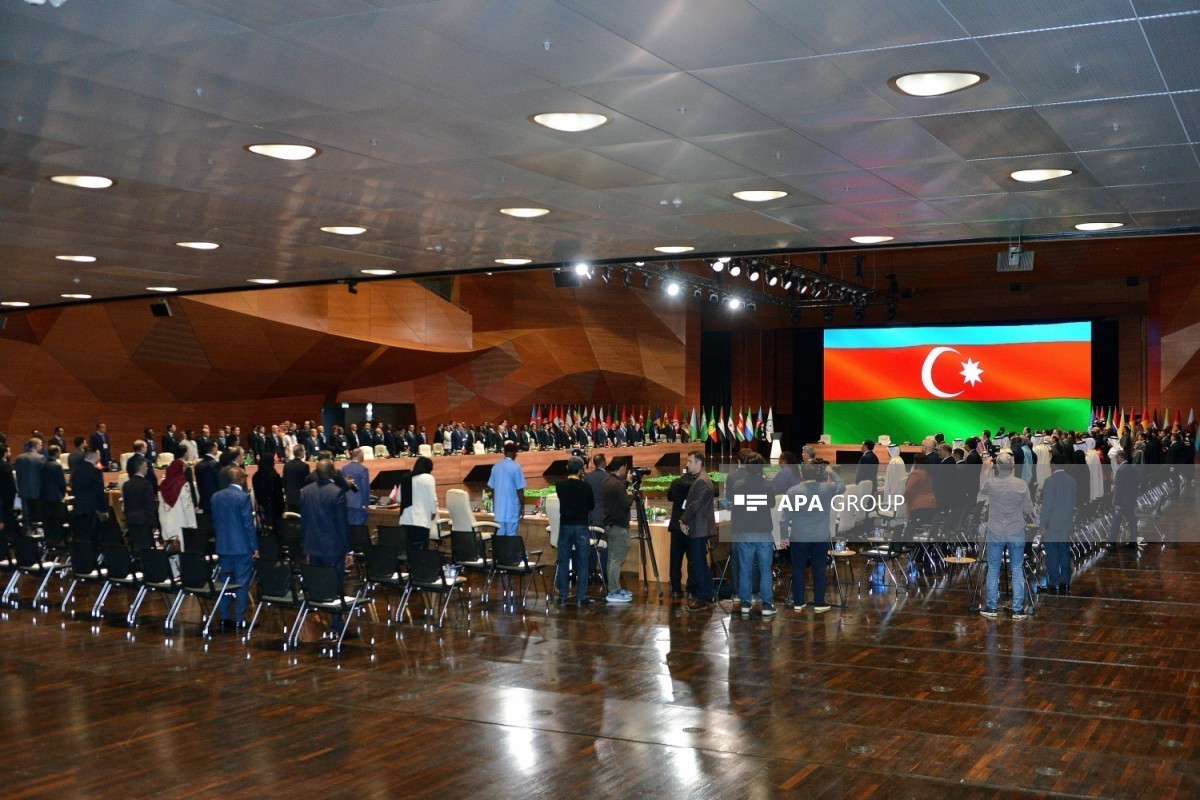
The opening ceremony began with the performance of the National Anthem of the Republic of Azerbaijan, followed by the recitation of verses from the Holy Quran.
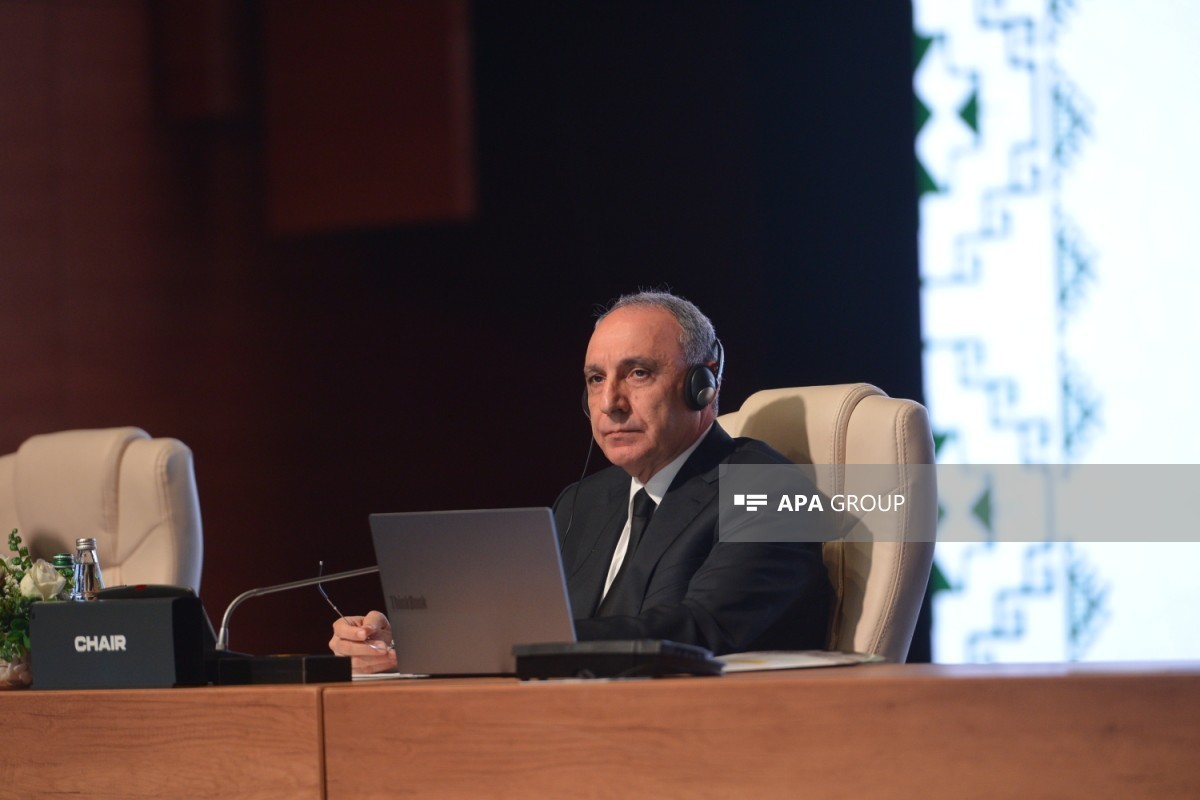
Afterward, Prosecutor General Kamran Aliyev read out an address by President of the Republic of Azerbaijan Ilham Aliyev to the event participants.
The head of state's address emphasized that corruption is a crime that undermines public trust in state institutions and harms social justice, fair competition, and economic development.
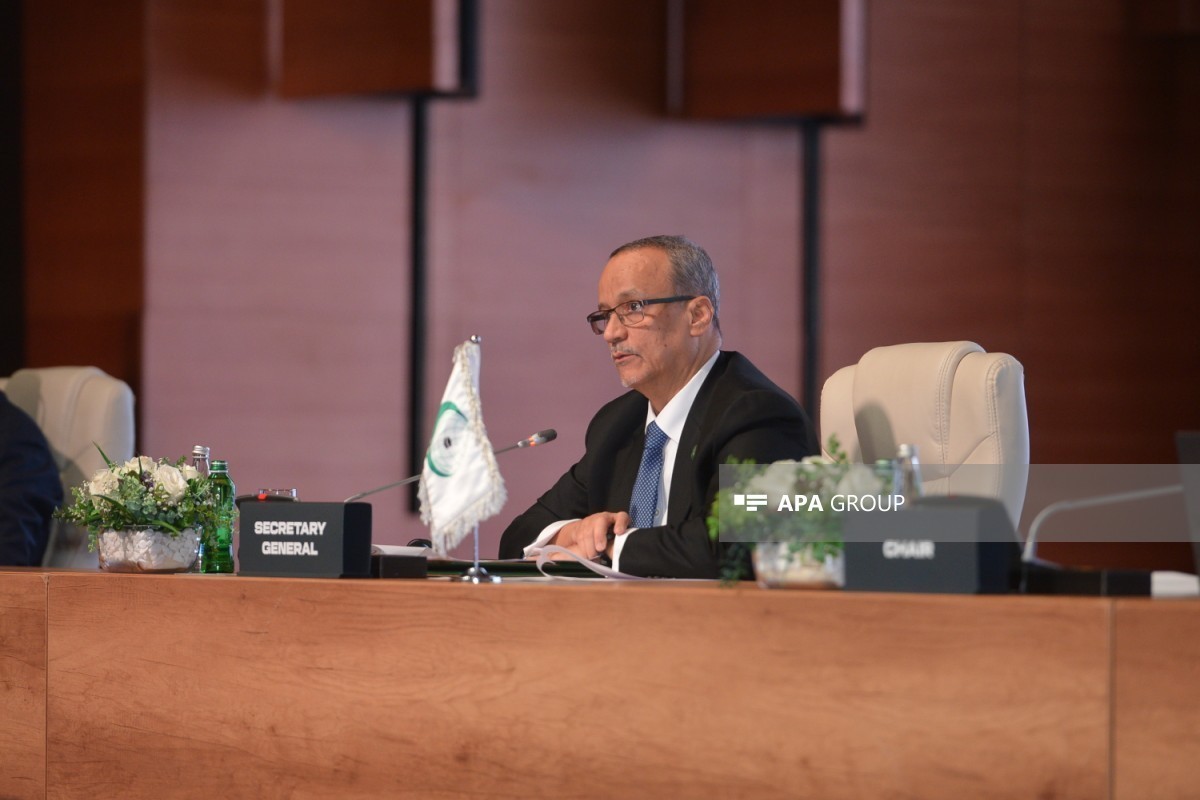
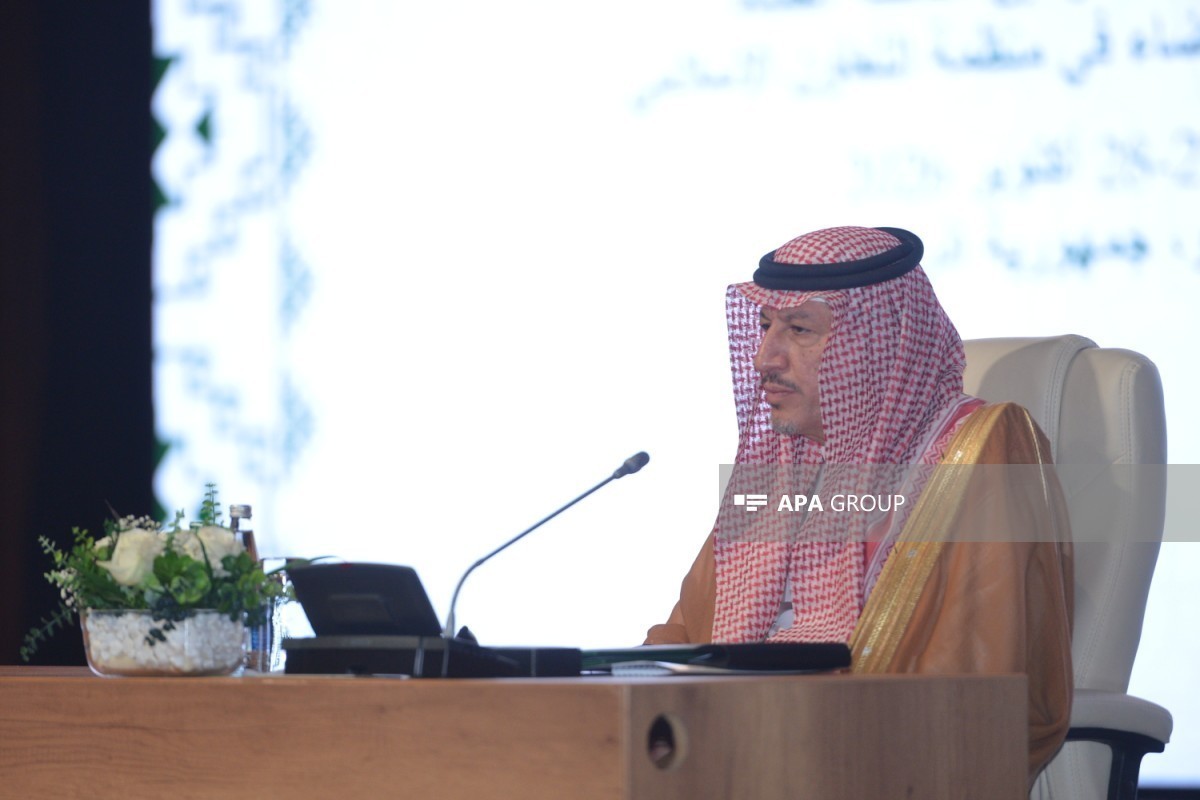
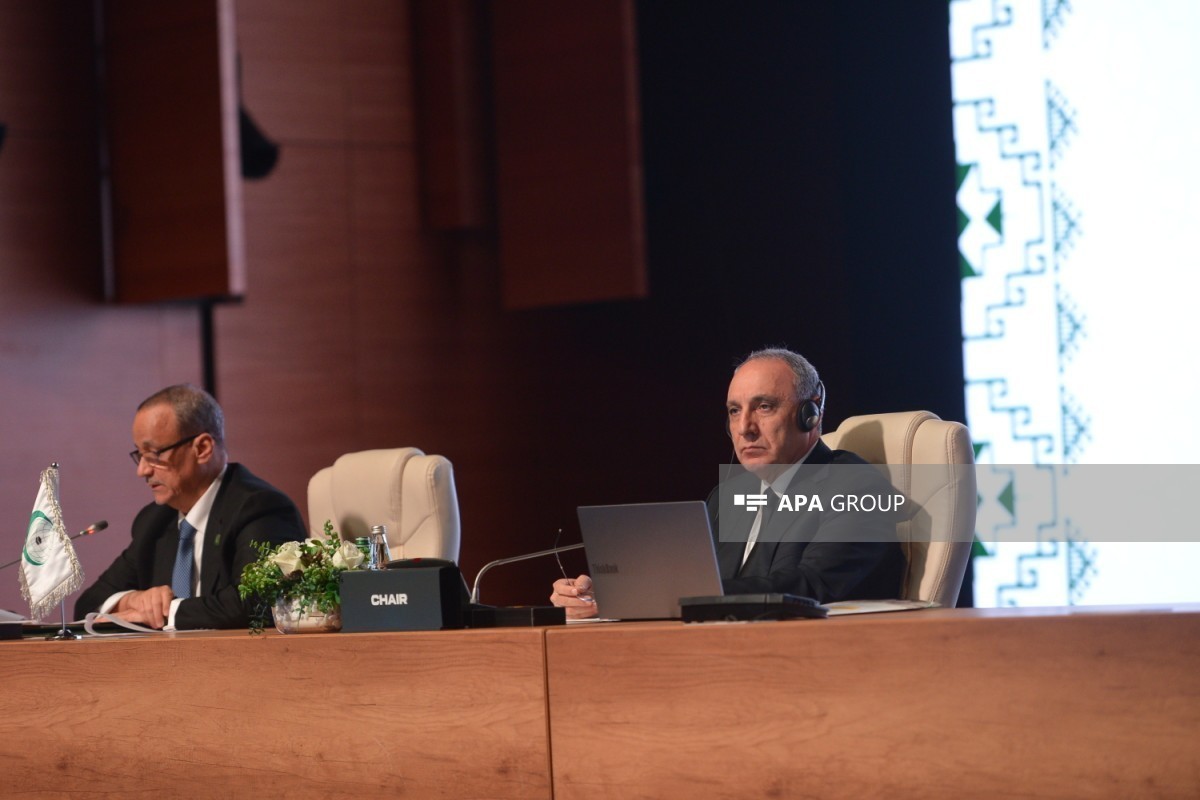
The opening ceremony featured speeches by Hamad bin Nasser Al-Misnad, Head of the Administrative Control and Transparency Authority of the State of Qatar and Chair of the Second Ministerial Meeting of Anti-Corruption Law Enforcement Agencies of OIC Member States; Prosecutor General of Azerbaijan Kamran Aliyev; Mazin bin Ibrahim Al-Kahmous, Head of the Oversight and Anti-Corruption Authority of the Kingdom of Saudi Arabia; and OIC Secretary-General Ismail Ould Cheikh Ahmed.
Following this, based on the results of elections held within the organization, Azerbaijan was unanimously elected Chair of the Bureau of the Third High-Level Meeting of the Heads of Anti-Corruption Law Enforcement Agencies of OIC Member States for a two-year term. Iraq, Palestine, and Burkina Faso were elected members of the Bureau.
In his speech, Prosecutor General of Azerbaijan Kamran Aliyev emphasized the importance of combating corruption in ensuring the rule of law, increasing transparency and accountability in public administration, and strengthening public trust in state institutions.
The Prosecutor General noted the importance of legal and institutional reforms implemented in Azerbaijan under the leadership of President Ilham Aliyev, improving public administration, and strengthening anti-corruption mechanisms. He drew attention to the importance of not only punitive measures but also preventive mechanisms, the timely identification of risks, and the elimination of conditions conducive to corruption.
In his speech, OIC Secretary-General Ismail Ould Cheikh Ahmed expressed gratitude to the Azerbaijani side for organizing the event and for the hospitality extended to participants. He emphasized that corruption is a serious challenge that negatively affects public administration, economic development, and society's trust in state institutions, highlighting the importance of joint and coordinated action by member states to increase the effectiveness of efforts in this area.
Furthermore, taking into account the transnational nature of corruption crimes, he noted the importance of expanding cooperation between relevant bodies, exchanging operational information, and effectively using international legal mechanisms. At the same time, he emphasized the need to strengthen institutional ties and develop common approaches in the field of anti-corruption within the OIC.
The Secretary-General also called on OIC member states to accelerate the process of signing and ratifying the Makkah Al-Mukarramah Convention.
Prosecutor General of the Russian Federation Alexander Gutsan, whose country holds observer status in the OIC, addressed the meeting as a guest of honor. He emphasized the importance of removing proceeds obtained through corruption from economic circulation, as well as international cooperation in detecting and preventing corruption crimes. He stated that the Russian Federation is interested in expanding ties with the anti-corruption bodies of OIC member states.
During the working sessions of the meeting, the draft agenda and work program of the event were discussed and adopted, while the report of the senior officials' meeting was reviewed and approved.
Subsequently, speeches were delivered by ministers responsible for combating corruption in OIC member states and heads of relevant law enforcement agencies. Participants shared their views on measures implemented in their countries in this area, existing practices, and the main tasks ahead.
Representatives of regional and international organizations also addressed the meeting, presenting their approaches and proposals for developing cooperation.
As part of the event, the Republic of Azerbaijan signed the "Makkah Al-Mukarramah Convention on Anti-Corruption Law Enforcement Cooperation among OIC Member States."
The Convention was signed on behalf of the Republic of Azerbaijan by Prosecutor General Kamran Aliyev. OIC Secretary-General Ismail Ould Cheikh Ahmed attended the signing ceremony.
Speaking at the ceremony, the Prosecutor General emphasized the importance of international cooperation, the prompt exchange of information between states, and coordinated activities of law enforcement agencies in increasing the effectiveness of efforts to combat corruption. He called on OIC member states to complete the necessary procedures for signing the Convention and demonstrate an active approach in this regard.
It was noted that the Makkah Al-Mukarramah Convention is an international document establishing the legal framework for cooperation between law enforcement agencies of OIC member states operating in the field of anti-corruption. The Convention aims to strengthen interstate cooperation in preventing, detecting, investigating, and prosecuting corruption crimes, expanding the exchange of information and evidence, mutual legal assistance, cooperation on investigative measures, and the exchange of professional experience.
The document also envisages strengthening cooperation in identifying, tracing, freezing, confiscating, and returning assets obtained through corruption to their countries of origin.
The signing of the Convention is another expression of the importance Azerbaijan attaches to developing anti-corruption cooperation within the OIC, expanding international legal ties, and strengthening joint efforts to address challenges arising from the transnational nature of corruption crimes.
***
11.08
The third high-level meeting of the heads of anti-corruption agencies of the member states of the Organization of Islamic Cooperation (OIC) is being held in Baku, APA reports.
The event, hosted by the Prosecutor General's Office of the Republic of Azerbaijan, is attended by more than 250 participants, including representatives of 46 member states and observer countries, as well as eight international organizations.
The participants include more than 40 high-ranking officials, including heads of independent anti-corruption bodies and ministers.
The main purpose of the meeting is to strengthen international and regional cooperation among OIC member states in combating corruption, expand coordinated activities among law enforcement agencies, and promote the exchange of best practices.
The event is also significant in terms of discussing opportunities for joint activities in identifying and recovering assets obtained through corruption, as well as the use of modern technologies.
The opening ceremony began with the playing of the National Anthem of the Republic of Azerbaijan.
This was followed by the recitation of verses from the Holy Quran.
President of the Republic of Azerbaijan Ilham Aliyev's address to the event participants was then delivered.
Subsequently, Hamad bin Nasser Al-Misnad, representative of the State of Qatar and Chairman of the second Ministerial Meeting of the heads of anti-corruption law enforcement agencies of OIC member states, Prosecutor General of the Republic of Azerbaijan Kamran Aliyev, and Secretary-General of the Organization of Islamic Cooperation Ismail Ould Cheikh Ahmed delivered speeches.
In his speech, Qatar's representative Hamad bin Nasser Al-Misnad emphasized the importance of continuing cooperation among member states and strengthening joint efforts in combating corruption. He noted the significance of such meetings in terms of exchanging experience, discussing common challenges, and developing effective cooperation mechanisms. He also spoke about the work carried out and the results achieved in combating corruption in his country.
Following the speech by the representative of Qatar, Azerbaijan was unanimously elected Chair of the Bureau of the Third High-Level Meeting of the Heads of Anti-Corruption Law Enforcement Agencies of OIC Member States for a two-year term, based on the results of the elections. Iraq, Palestine, and Burkina Faso were elected members of the Bureau.
In his speech, Prosecutor General of the Republic of Azerbaijan Kamran Aliyev emphasized the importance of combating corruption in ensuring the rule of law, increasing transparency and accountability in public administration, and strengthening public trust in state institutions. He stated that the reforms implemented in the country under the leadership of President of the Republic of Azerbaijan Ilham Aliyev, the improvement of public administration, and the strengthening of anti-corruption mechanisms constitute important directions of consistent state policy in this field. The Prosecutor General drew attention to the importance of eliminating conditions conducive to corruption, expanding preventive measures, and studying international experience.
The Prosecutor General noted the particular importance of international cooperation in combating transnational forms of corruption and emphasized the need to strengthen information exchange, mutual legal assistance, and coordinated activities among law enforcement agencies. Referring to the development of Azerbaijan's cooperation with the OIC, he stated that, under the leadership of President Ilham Aliyev, the country attaches particular importance to strengthening partnership relations within the organization, reinforcing Islamic solidarity, and expanding cooperation among member states. In this regard, he noted that the meeting held in Baku serves as an important platform for deepening dialogue among anti-corruption agencies, expanding the exchange of experience, and increasing opportunities for joint activities.
In his speech, Secretary-General of the Organization of Islamic Cooperation Ismail Ould Cheikh Ahmed expressed his gratitude to the Azerbaijani side for the high-level and professional organization of the event.
The Secretary-General drew attention to the importance of developing cooperation within the organization, strengthening solidarity among member states, and taking joint action to address common challenges. He noted that promoting common approaches to combating corruption, sharing best practices, and expanding institutional ties among relevant bodies are important conditions for effective cooperation.
In accordance with the event's program, a video presentation was shown during the first working session, and the draft agenda and work program, as well as the report of the senior officials' meeting, were reviewed.
Ministers of OIC member states responsible for combating corruption will then deliver speeches.
In the second half of the day, ministers and heads of relevant law enforcement agencies will deliver speeches, while representatives of regional and international organizations will share their views on the topic.
***
10.14
The third high-level meeting of the heads of anti-corruption law enforcement agencies of the member states of the Organization of Islamic Cooperation (OIC) has begun in Baku, APA reports.
More than 250 people are expected to attend the event, including representatives of 48 of the 57 OIC member states.
Participants include heads of 30 government agencies, ambassadors, heads and senior representatives of five international and regional organizations, as well as representatives of three observer states.


 Follow us on Telegram
 t.me/apanewsaz
 Follow us on Instagram
 Follow us on TikTok
 Follow us on Facebook
 Follow us on X