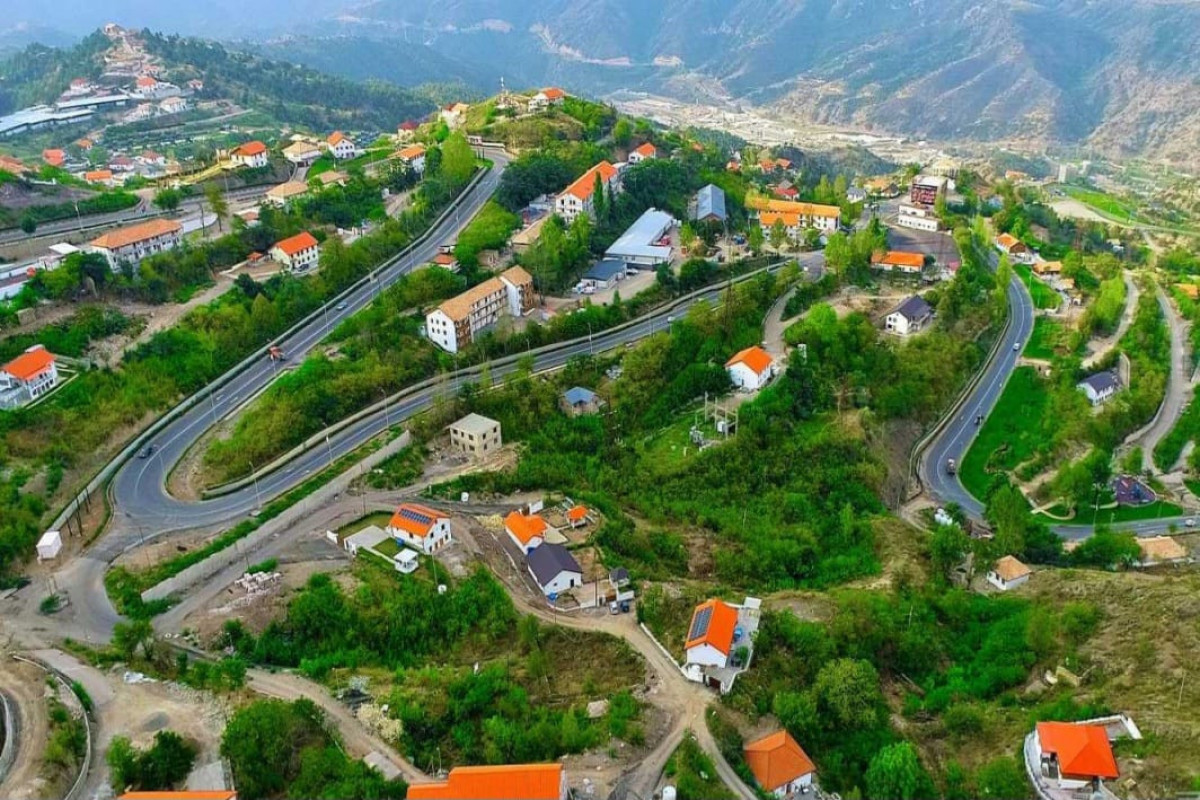


The rapid economic rise of the territories liberated from occupation today constitutes the central line of Azerbaijan's national development strategy. During the restoration phase covering 2021–2025, the state did not limit the region's revival solely to the construction of infrastructure, but simultaneously carried out systematic rehabilitation in economic, social, and institutional spheres. In order to implement a series of projects covering various sectors for the execution of large-scale restoration and construction activities in these territories, more than 22 billion manats were allocated from the state budget during 2021–2025. This comprehensive approach has made it possible to form the real economic foundation of the “Great Return” policy.
Coordination Headquarters: Important results of 5 years of activity

One of the main tasks facing the Coordination Headquarters, established for the centralized resolution of issues in the territories of the Republic of Azerbaijan liberated from occupation by the Order of President Ilham Aliyev dated November 24, 2020, was the revival of the region’s economy, the creation of infrastructure, and the reintegration of the economies of Karabakh and East Zangazur into the national economy.
The five-year activity of the Coordination Headquarters, led by Samir Nuriyev, Head of the Administration of the President of the Republic of Azerbaijan, gives grounds to say that very serious and important results have been achieved in this direction.
The “First State Program on the Great Return,” approved by the Order of President Ilham Aliyev on November 16, 2022, defines the strategic contours of the process and serves as a roadmap for the restoration of the region, sustainable settlement, and full economic integration. The main goal of the program is to establish new economic structures that ensure the long-term development of the liberated territories.
Over the past five years, construction, the creation of modern infrastructure, the launch of industrial parks, the formation of agricultural clusters, and the expansion of green energy projects in the Karabakh and East Zangazur economic regions have turned these territories into Azerbaijan’s largest economic transformation zone. The economic ecosystem taking shape here already significantly influences not only the development dynamics of the region but also of the entire country.
State investments, the increasing participation of the private sector, and the expansion of production and logistics capacities have turned Karabakh and East Zangazur into a new economic locomotive, playing a leading role in updating Azerbaijan’s regional economic model. Over the past five years, Azerbaijan has prioritized demining, reconstruction, restoration, and reintegration in the liberated territories.
As a result of the phased resettlement of the population to 6 cities, 2 towns, and 22 villages over the last five years, more than 62,000 people now live, work, and study in those areas.
2020-2021: Start of economic activity, establishment of basic infrastructure

With the end of the war, the first economic task facing Azerbaijan was to ensure security in the liberated territories and prepare them for economic activity. The years 2020–2021 are considered the base period in this regard. The demining process carried out by ANAMA and other agencies created conditions for the launch of economic projects.
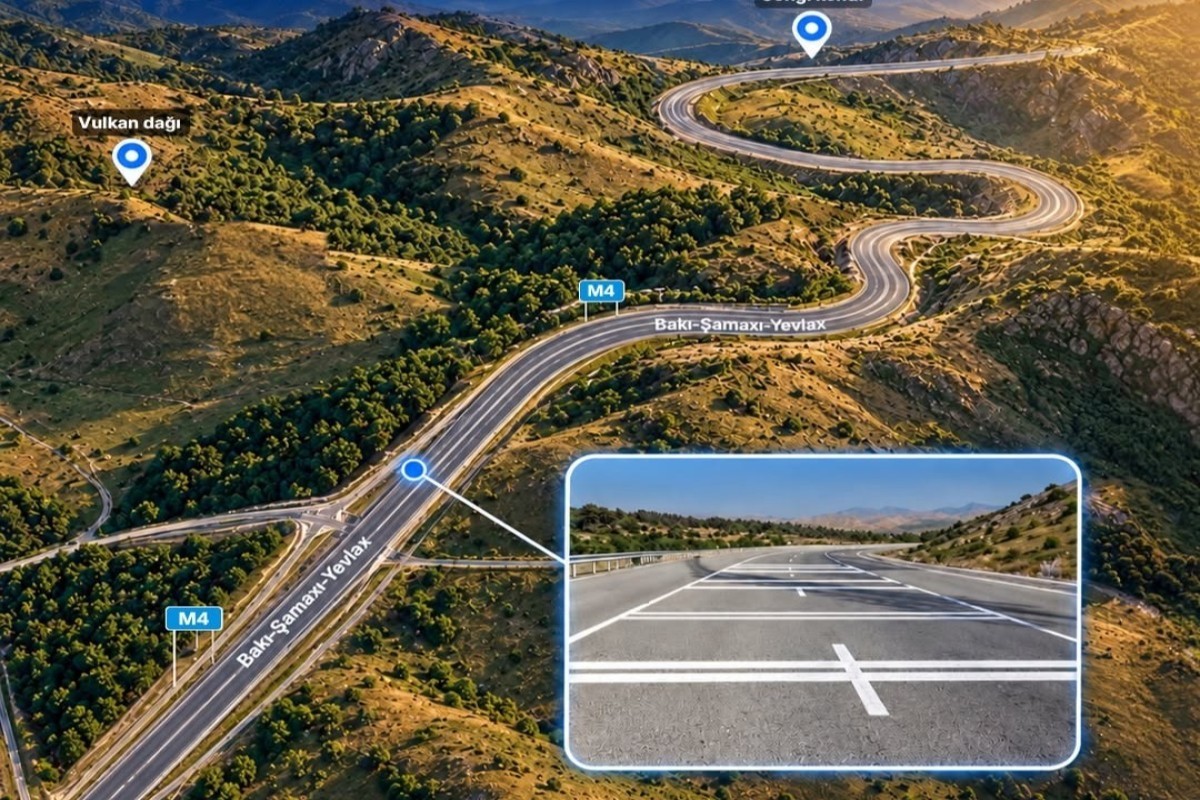
The construction of main highways in the regions became the fundamental basis for the revival of the economy. The “Victory Road,” built first, ensured the entry of entrepreneurs, logistics companies, and the construction sector into the territory. This infrastructure not only created conditions for the formation of the real sector but also laid the foundation for a large inflow of investment.
Energy supply also constituted a fundamental part of the economic work carried out during this period. As a result of the commissioning of the “Fuzuli,” “Shukurbeyli,” and “Jabrayil” substations, the risk of energy shortage for industrial and construction activities in the region was completely eliminated. Without these infrastructure projects, the implementation of plans related to production, agricultural activities, and industrial parks would not have been possible.
2021–2022: Formation of economic zones, establishment of industrial infrastructure
The institutional basis for the economic development of the territories liberated from occupation was created in 2021–2022. The approval of the master plans of the Karabakh and East Zangazur economic regions defined the development map of the regions by sectors. During this period, comprehensive planning was carried out in the Aghdam, Fuzuli, Jabrayil, and Zangilan areas to reveal their industrial and agricultural production potential.
The establishment of the Aghdam Industrial Park became one of the most important economic events of this stage. The park’s infrastructure—water, electricity, gas, roads, communication—was completed in a short time and presented to investors. This step laid the groundwork for the formation of a new geographical center of industry in Azerbaijan.
In transport infrastructure, projects of strategic importance were implemented. The construction of the Horadiz–Agband railway was accelerated, and the project aimed to connect the region to future regional trade routes. The Zangilan–Gubadli–Lachin and Kalbajar–Lachin highways became key arteries enhancing economic functionality.
During this phase, a private investment environment also began to form. Tax incentives, insurance mechanisms, and investment promotion packages provided by the state attracted business entities to the economic zones.
2022–2023: Transition to production – industrial parks, agro-clusters, and the energy economy
The years 2022–2023 are characterized as the transition of Karabakh’s economy from restoration to real production. During this period, structuring emerged in the fields of industry, agriculture, and energy.
Activation in industrial parks
The construction of the first production facilities in the Aghdam Industrial Park was completed. The opening of enterprises operating in areas such as construction materials, concrete products, mechanical repair, and metal structures began. The full development of the park envisions the creation of up to 5,000 permanent jobs.
Logistics and agro-processing sectors were planned for the Jabrayil and Zangilan industrial zones. Jabrayil’s geographical position—particularly its proximity to the Horadiz–Agband line—is one of the main factors turning it into the logistics center of East Zangazur.
Development of the agrarian economy, strengthening food security

During 2021–2025, agricultural management, land leasing, and subsidy mechanisms were established in the liberated territories, and agricultural activity was restored.
The Karabakh and East Zangazur economic regions stand out for their fertile soil and favorable climate conditions. There are wide opportunities here for the development of traditional agricultural sectors. The revival of agriculture in these areas is of great importance for ensuring local employment, the socio-economic development of the regions, and strengthening food security across the country. Consistent work has been carried out toward the sustainable development of agriculture, increasing productivity, and enhancing food security.
Agro-parks based on modern pivot irrigation systems have been created, and livestock farms in highland pastures have been supported. For example, a 152-hectare pivot irrigation system and modern agro-park pilot project operate in the Agalı village of Zangilan. Every year, thousands of livestock farms are moved to the Lachin and Kalbajar pastures.
The “Smart Village” model implemented in Zangilan marked the beginning of an innovative approach to agriculture. Digital irrigation, productivity monitoring, and automated farm systems reduced costs in the region’s agricultural economy while increasing productivity.
The clusters formed in agriculture have created conditions for the development of food processing enterprises and the agro-technical services sector.
2023–2024: Launch of production enterprises, formation of logistics centers
The years 2023–2024 are considered a turning point in the Karabakh economy. During this period, not only infrastructure but also concrete production capacities began to come into operation.
Optimal incentives and stimulating mechanisms were developed, and relevant amendments were made to the Tax Code to increase investment attractiveness and improve the business environment in the liberated territories. Thus, starting from January 1, 2023, residents of these areas were exempted for 10 years from profit (income), property, land, and simplified taxes. This exemption was also extended to non-sales income obtained by a resident of the area in connection with activities carried out in that area.
Also, the import of machinery, technological equipment and devices, as well as raw materials and materials by residents who are VAT payers in the liberated territories, in the areas of economic activity and commodity nomenclatures, has been exempted from VAT for 10 years from January 1, 2023. Considering the significant tourism potential of the liberated areas, along with the general incentives provided for the tourism sector, the VAT paid for hotel services will also be refunded to consumers. Thus, it is envisaged that 30 percent of the VAT paid in a non-cash form and 5 percent of the VAT paid in cash for accommodation and lodging services (excluding other additional services) provided by hotels located within these areas will be refunded to consumers who are natural persons.
Active production in the Aghdam and Jabrayil industrial zones

Various types of enterprises have begun operating in the Aghdam Industrial Park: concrete product factories, asphalt production facilities, metal construction processing units, automobile repair and technical service centers. The establishment of these enterprises made it possible for the construction sector in the region to become self-sufficient and reduced dependence on imports.
The creation of refrigeration, packaging, and agro-processing facilities in the Jabrayil industrial zone was a step that expanded Karabakh’s food supply and export potential.
The transport map of Karabakh and East Zangazur is being reshaped
Building transport infrastructure, which is the main driving force of economic development, has been one of the key tasks over the years. It is no coincidence that incredible results have been achieved in the field of transport in the territories liberated from occupation within five years.
The Fuzuli, Zangilan, and Lachin international airports have been commissioned.
Large-scale work has been carried out on road infrastructure. Of the 60 projects for highways with a total planned length of 3,501.6 kilometers, 16 have been fully implemented and 1 partially completed. Excavation work has been finished on 28 tunnels, and the construction of 392 bridges and 9 viaducts has already been completed.

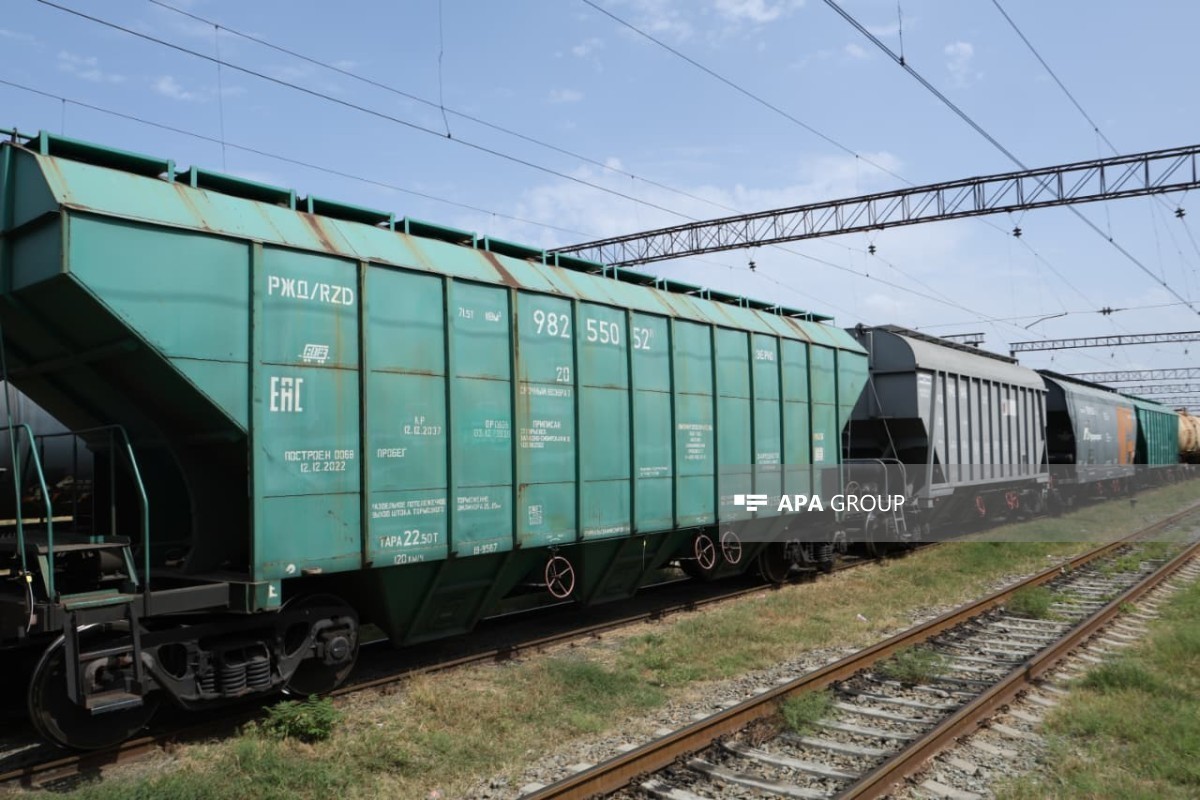
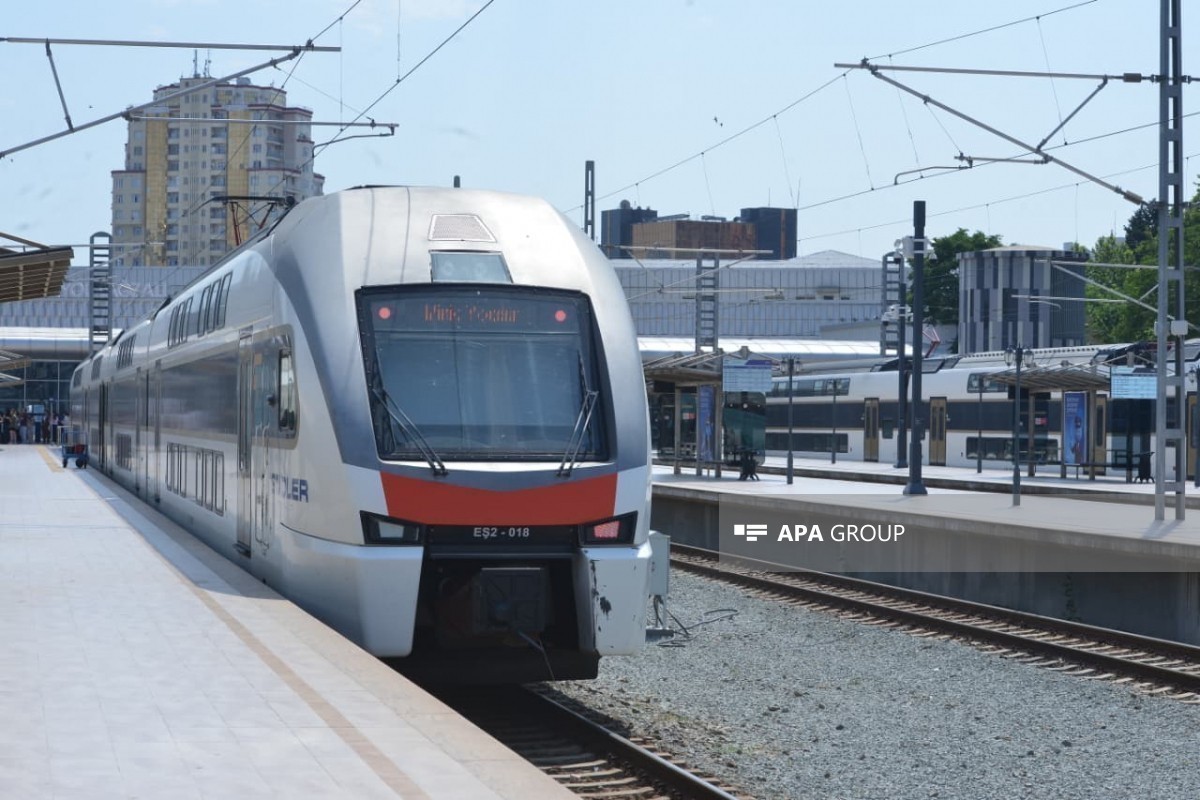
The work carried out to restore the railway network is truly astonishing. The foundation of the Khankendi Railway Station Complex has been laid, 73% of the design work for the Aghdam-Khankendi railway line and 68% of the Horadiz-Agband line have been completed, and the construction of 42 out of 49 bridges planned within railway construction has been finalized.
The construction of the highway and railway in the Zangazur Corridor, as well as the Aghband-Kelaleh Bridge over the Araz River, the connection of the Horadiz–Jabrayil–Zangilan–Aghband highway with the Islamic Republic of Iran, the construction of the Horadiz–Aghband highway and railway—which form part of the Zangazur Corridor—along with the planned work on establishing the relevant checkpoint, including the organization of customs control and the creation of necessary infrastructure, are clear indicators of the scale of the projects Azerbaijan is implementing.
By carrying out these projects, Azerbaijan is also preparing to become a transport hub between East and West, North and South.
2024–2025: Green economy, regional trade, and export-oriented development
The fifth year marks a new stage in Karabakh’s economy—characterized by green energy and export-oriented production.
Green Energy Zone

In 2024, Karabakh and East Zangazur were declared a “Green Energy Zone.” This status accelerated the implementation of alternative energy projects in the region: agreements with international companies on wind parks in Kalbajar and Lachin; a combined network of solar and hydro energy systems; the establishment of industrial enterprises based on green energy. This approach will turn Karabakh into an energy exporter in the future.
In the 12 months of 2024, 32 hydropower plants in Karabakh and East Zangazur generated up to 550 million kilowatt-hours of environmentally clean “green energy” by AzerEnergy. About one-third of this—nearly 200 million kilowatt-hours—covered the energy demand of the liberated territories, and the remaining two-thirds were transmitted to the national energy system to supply other regions of the country. As a result, 120 million cubic meters of natural gas were saved, and the emission of 225,000 tons of carbon dioxide into the atmosphere was prevented. It should be noted that, in 2024 alone, seven hydropower plants in Karabakh and East Zangazur were inaugurated with the participation of the country’s leadership. Thus, in the Kalbajar district, the largest hydropower plant built in the liberated territories by AzerEnergy in the past four years—the 22.5 MW “Yukhari Vang”—as well as the 4.3 MW “Zar,” and in Lachin the 2.8 MW “Zabukh” and 4.6 MW “Gariqishlaq,” and in Zangilan the “Shayifli,” “Zangilan,” and “Sariqishlaq” hydropower plants, each with a capacity of 10.5 MW, have been commissioned.
Expansion of production capacities

As a result of increased activity in the private sector, total investment reached hundreds of millions of manats in recent years.
In the Aghdam Industrial Park, established by President of the Republic of Azerbaijan Decree dated May 28, 2021, 30 residents and 4 non-residents with an investment portfolio of more than 285 million manats have been registered. The industrial park, which ranks second in the country by number of residents, has attracted nearly 138 million manats in investments from entrepreneurs, creating more than 900 permanent jobs. Most of those employed are residents of Aghdam and surrounding regions. Since its launch, the park has produced nearly 500 million manats’ worth of products, approximately 18 million manats of which have been exported. The main products manufactured include construction materials, tobacco products, various types of footwear, ventilation, fire extinguishing and metal products, railway equipment, electrical distribution devices, electrical sockets, etc. These products are widely used in construction and installation work in the liberated territories.
In the “Araz Valley Economic Zone” Industrial Park, established by Presidential Decree dated October 4, 2021, 18 businesses with a total investment portfolio of nearly 150 million manats have registered as residents, and 3 as non-residents. In this industrial park located in Jabrayil district, entrepreneurs have produced goods worth 3.4 million manats to date, and 2.7 million manats’ worth in the first half of this year.
A new stage in the development of small and medium-sized businesses

To support small and medium-sized enterprises (SMEs), KOBİA’s “SME Friend” service points operate in Lachin (2024), Zangilan (2022), Kalbajar (2025), and Fuzuli (2025) within existing infrastructures, as well as the “SME House” (2024) at the State Services Center in the city of Shusha. This service infrastructure network enables SMEs to access state support tools, including the support mechanisms provided by KOBİA, and to receive information, consulting, coordination, and other assistance. In the “Shusha SME House,” various services are provided to entrepreneurs by both government and private entities.
Under a new mechanism to expand entrepreneurs’ access to financing, guarantees worth 47.8 million manats have been issued for loans totaling 55.9 million manats under 43 projects in 2024 and the period of 2025 so far. Additionally, 3.8 million manats have been paid to subsidize interest on bank loans obtained by business entities.
Furthermore, based on applications received by the Azerbaijan Business Development Fund under the Ministry of Economy from authorized credit institutions, 45.6 million manats in concessional loans have been issued for projects to be implemented in the liberated territories.
Additionally, from 2022–2025, authorized banks issued loans totaling 1.74 million manats for 7 projects implemented in the liberated territories, under the guarantee of the Azerbaijan Mortgage and Credit Guarantee Fund. The Fund provided guarantees amounting to 587,500 manats. These loans were mainly allocated for projects in the fields of transportation, warehousing, processing industry, as well as cargo transportation, equipment and machinery repair services in Aghdam, Lachin, Zangilan districts, and the city of Khankendi.
These steps contribute to strengthening the region’s economic independence and ensuring access of industrial products to the domestic market.
Employment and investment indicators
The large-scale reconstruction and development works carried out in the liberated territories over the past five years have led to the formation of a new labor market.
Since 2023, with the launch of industrial parks and agro-clusters, the number of permanent jobs has rapidly increased. Aghdam Industrial Park alone has created 938 permanent jobs, while new agro-logistics enterprises have started operating in Jabrayil and Zangilan.
According to official data, 2,575 new jobs were created in the region in 2024. Last year, 380 new enterprises and organizations and 3,815 new individual entrepreneurial entities were registered in the liberated districts. Compared to 2023, the number of enterprises and organizations established increased by 2.6 times, and the number of individual entrepreneurs increased by 43.3%.
It is projected that nearly 150,000 jobs will be created in Karabakh by 2030.
Karabakh as a tourism center

The tourism sector is an important component of economic reintegration. Since 2021, tourist trips have been organized to Shusha and Sugovushan through the “Yolumuz Qarabağa” platform, and later expanded to include foreign tourists and destinations such as Lachin, Aghdam, Fuzuli, Khankendi, and others.
Tourism infrastructure has been developed in the Sugovushan, Dashalti, Talish, and Istisu areas of the region, including the construction of tourism information centers, parks, hotels, and recreation complexes.
Within tourism infrastructure development projects, hotels and convention centers have been restored, rebuilt, and put into operation.
A new economic center of Azerbaijan is emerging
The period of 2020–2025 has transformed Karabakh and East Zangazur not only into restored territories but also into a new economic power center of Azerbaijan. The launch of industrial parks, the expansion of agricultural clusters, the implementation of green energy projects, and the growing inflow of investments are the main pillars rapidly increasing the region’s share in GDP. Today, Karabakh and East Zangazur are no longer merely symbols of revival — they represent an economic ecosystem that integrates industry, energy, and logistics.
This trend shows that in the coming years, Karabakh and East Zangazur will become one of Azerbaijan’s most sustainable production and export hubs.
These lands, once devastated, now form the brightest line of growth on the country’s economic map — and this rise has only just begun.
Faig Mahmudov
Shukran Mammadov


 Follow us on Telegram
 t.me/apanewsaz
 Follow us on Instagram
 Follow us on TikTok
 Follow us on Facebook
 Follow us on X