

The Azerbaijani delegation has concluded its participation in the United Nations General Assembly High-Level Meeting on sustainable urban development, APA-Economics reports.
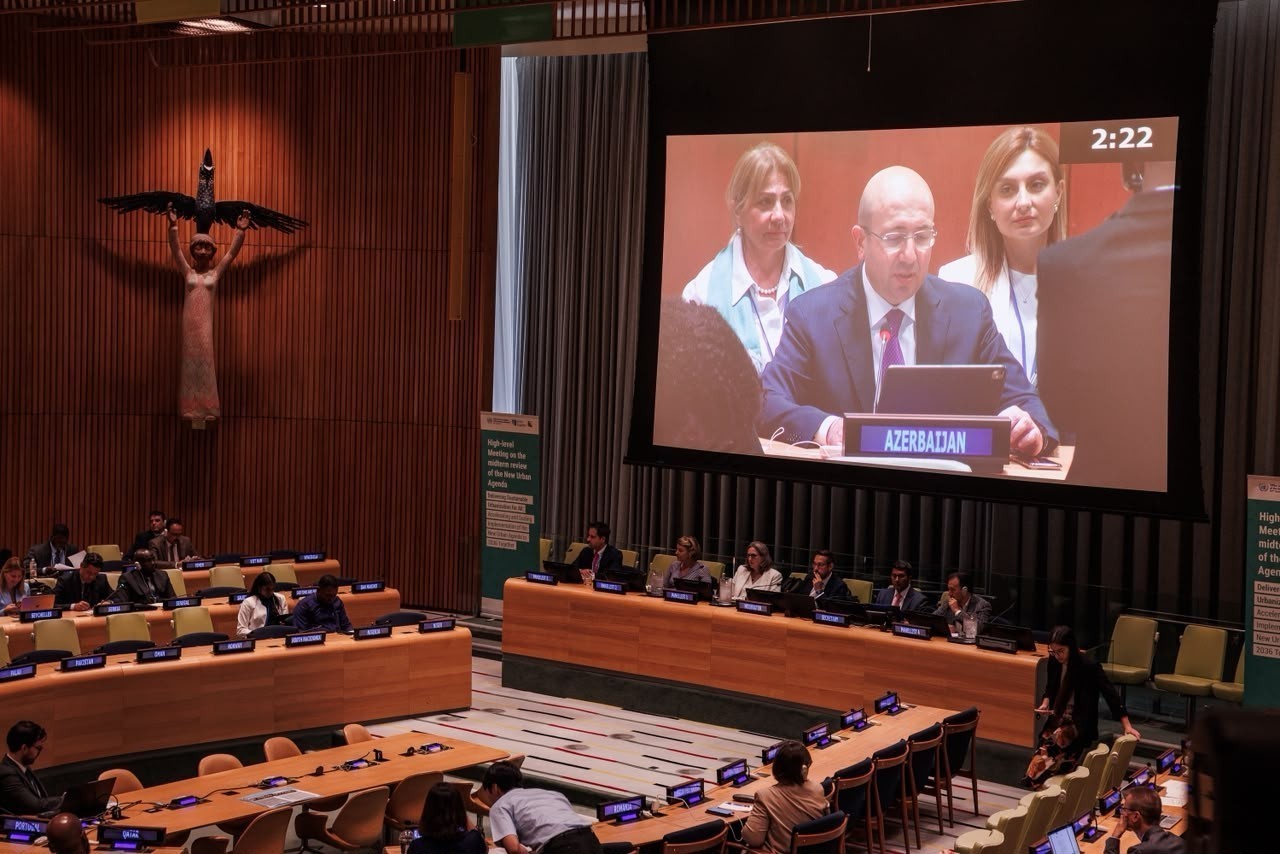
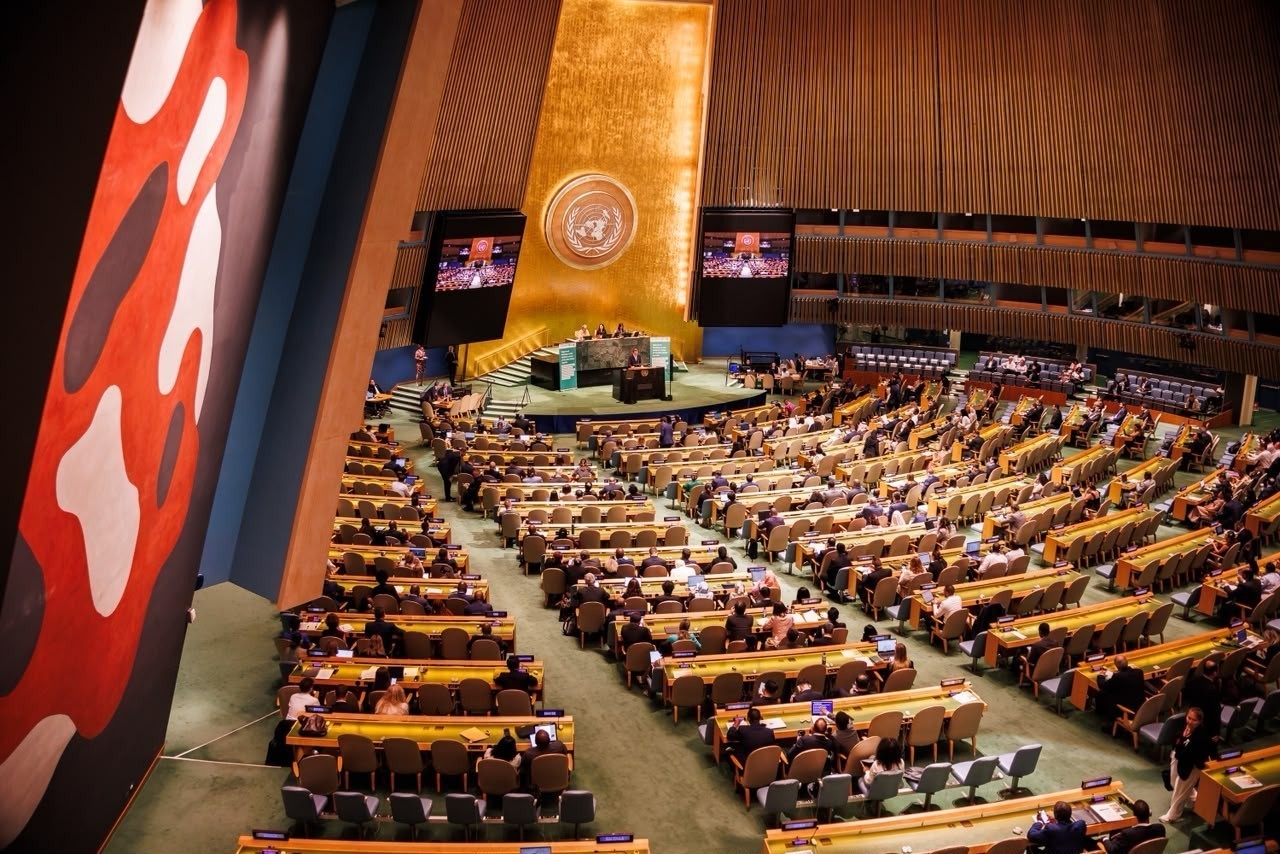
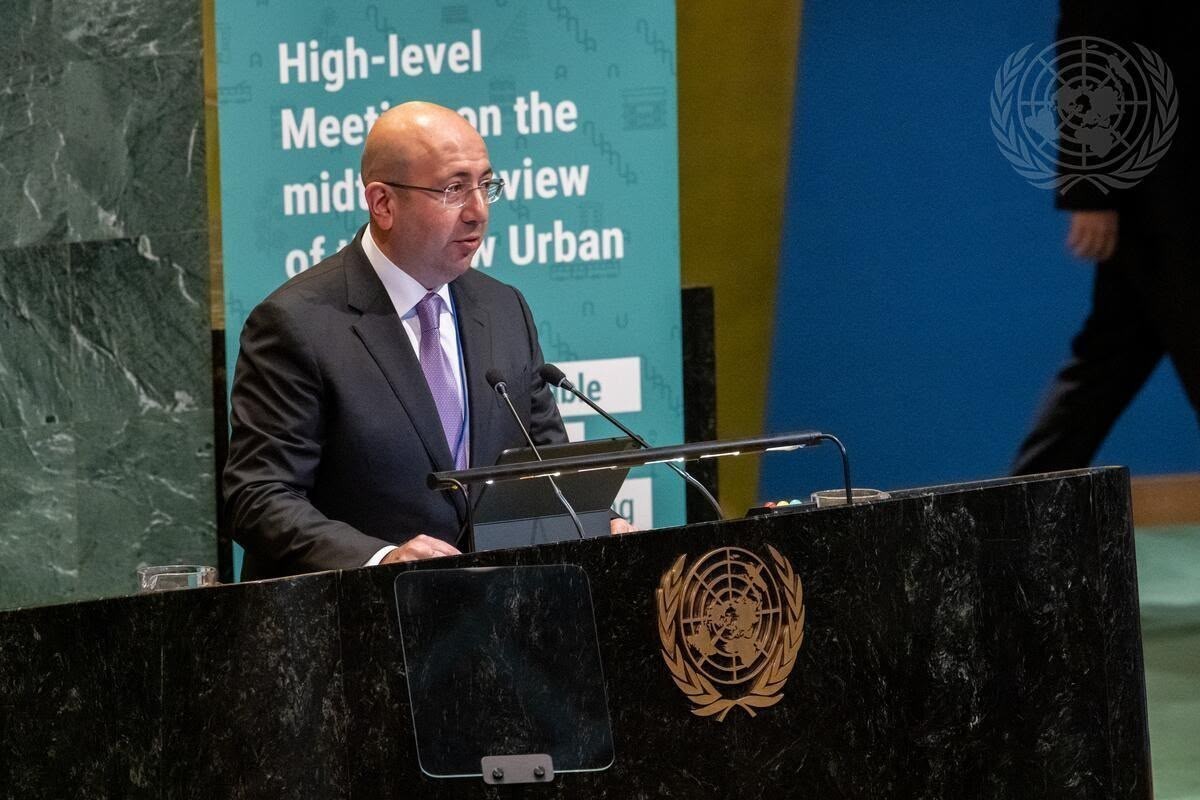
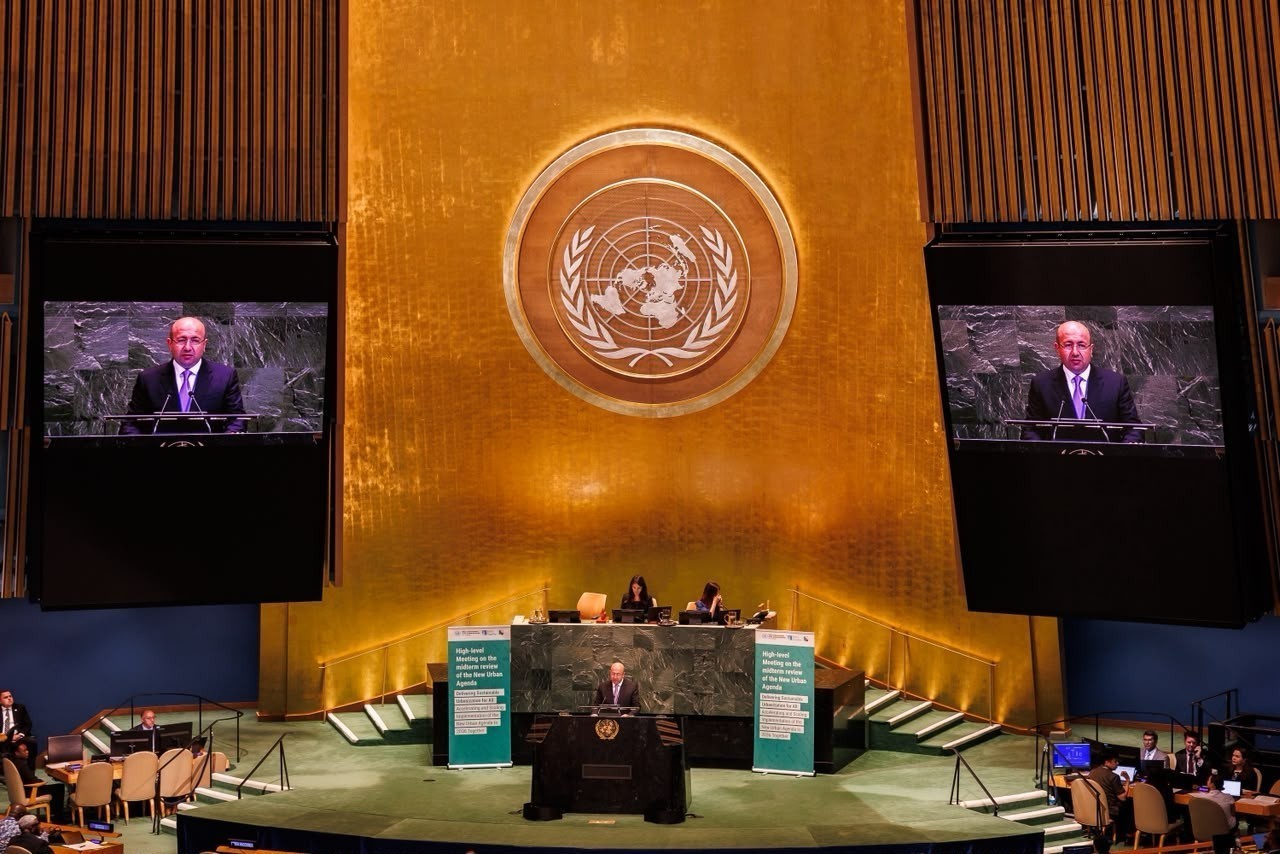
The delegation, led by Chairman of the State Committee for Urban Planning and Architecture Anar Guliyev, completed its participation in the UN General Assembly High-Level Meeting on the midterm review of the implementation of the New Urban Agenda, held at the United Nations Headquarters in New York on July 16-17.
One of the main priorities of the Azerbaijani delegation's participation was to advance the outcomes of the 13th session of the World Urban Forum (WUF13), held in Baku in May this year, at the international level. It was noted that the Forum, which brought together more than 58,000 participants from 176 countries, has gone down in history as one of the world's most prestigious global platforms on sustainable urbanization. The "Baku Call to Action" and the "Chair's Summary" adopted at the conclusion of the Forum, the Leaders' Segment held for the first time, as well as the Baku Urban Planning Award and other initiatives, have now been reflected on the UN General Assembly platform, contributing to the advancement of the New Urban Agenda.
During the plenary session, Committee Chairman Anar Guliyev delivered Azerbaijan's national statement. The statement highlighted the main achievements of the country's state policy in the field of urban planning and spatial planning. The reforms aimed at creating a safe, inclusive and people-centered living environment, as well as the role of spatial planning as one of the key instruments for achieving the Sustainable Development Goals (SDGs) and the modern approaches applied in this field, were presented to the international community.
Within the framework of the events, special attention was paid to Azerbaijan's reconstruction experience in the territories liberated from occupation. Addressing the ministerial meeting dedicated to the restoration of territories affected by conflicts, natural disasters and forced displacement, Anar Guliyev stressed that the reconstruction process should not be limited to simply rebuilding former settlements, but should serve the creation of the cities and villages of the future to ensure safer and more comfortable living conditions. It was emphasized that post-conflict reconstruction should be regarded not as a return to the past, but as a strategic opportunity to build modern, inclusive and people-centered settlements.
As a practical example of a modern approach to post-conflict reconstruction, Azerbaijan presented to the international community the large-scale reconstruction program being implemented in Karabakh and East Zangezur. It was noted that over the past six years, construction facilities of various purposes with a total area of 3,000,000 square meters have been commissioned in the region, and residential houses have been built for the settlement of 16,000 families. Currently, life has returned to 10 cities, three settlements and 30 villages, where more than 90,000 people now live, work and study.
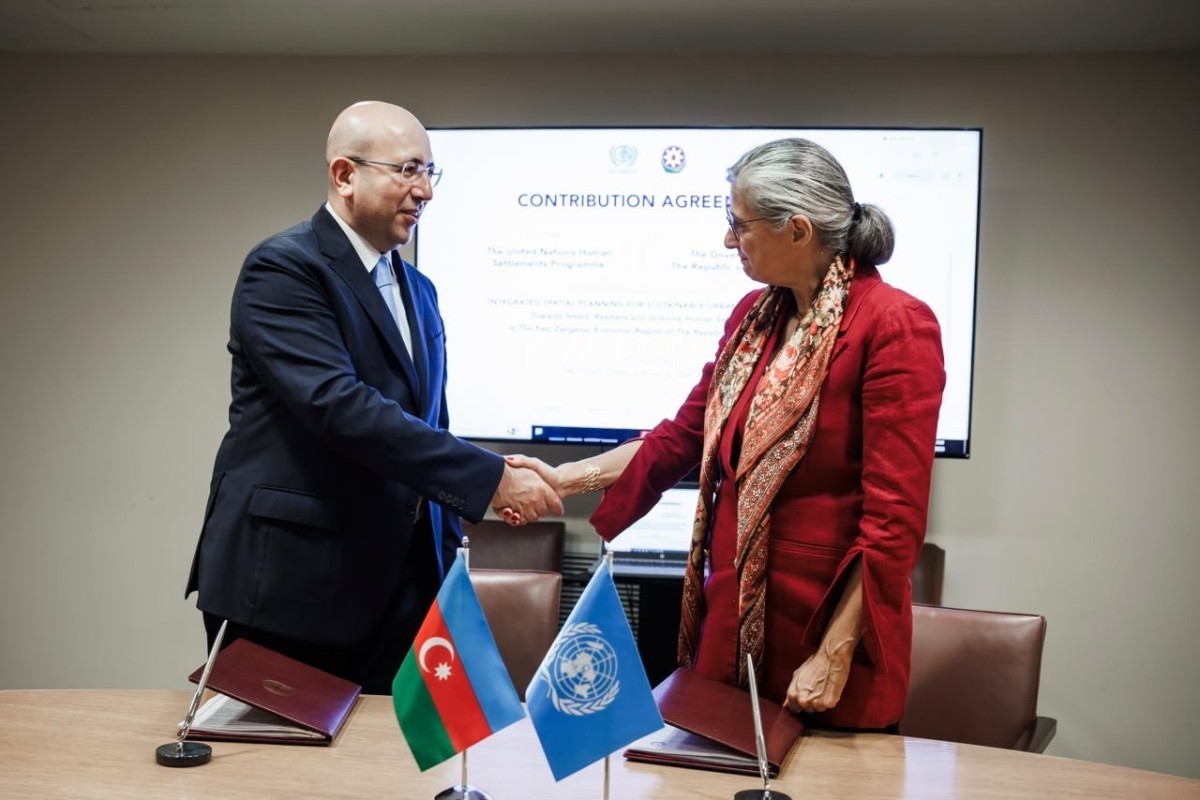
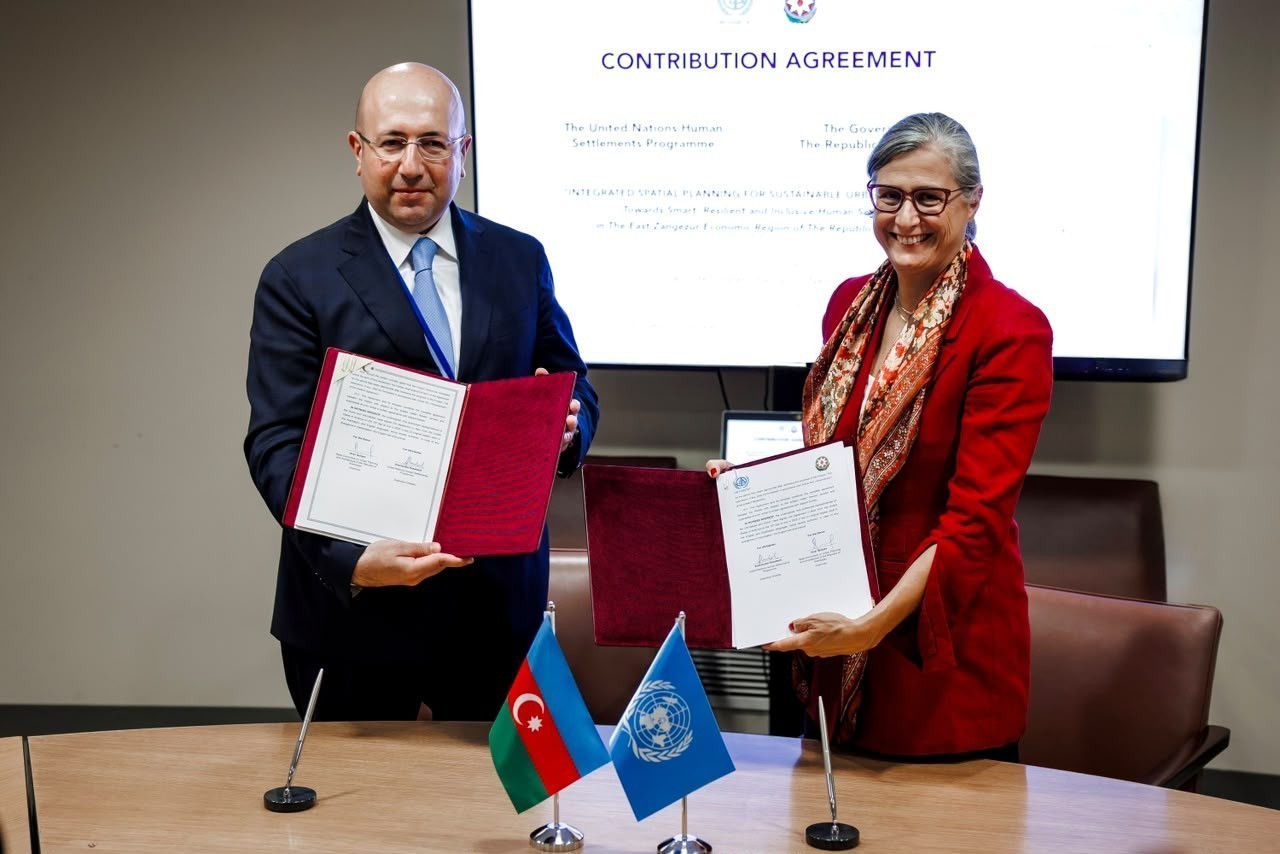
One of the key practical outcomes of the Azerbaijani delegation's activities was the signing of a Contribution Agreement between the State Committee for Urban Planning and Architecture and the United Nations Human Settlements Programme (UN-Habitat). The agreement provides for the preparation of spatial planning documents for Quyjag village in Jabrayil district and Mollabayramli village in Kalbajar district. The project will ensure UN-Habitat's first direct involvement in this process in Azerbaijan's liberated territories and will support the implementation of the Great Return State Program through the application of international best practices.
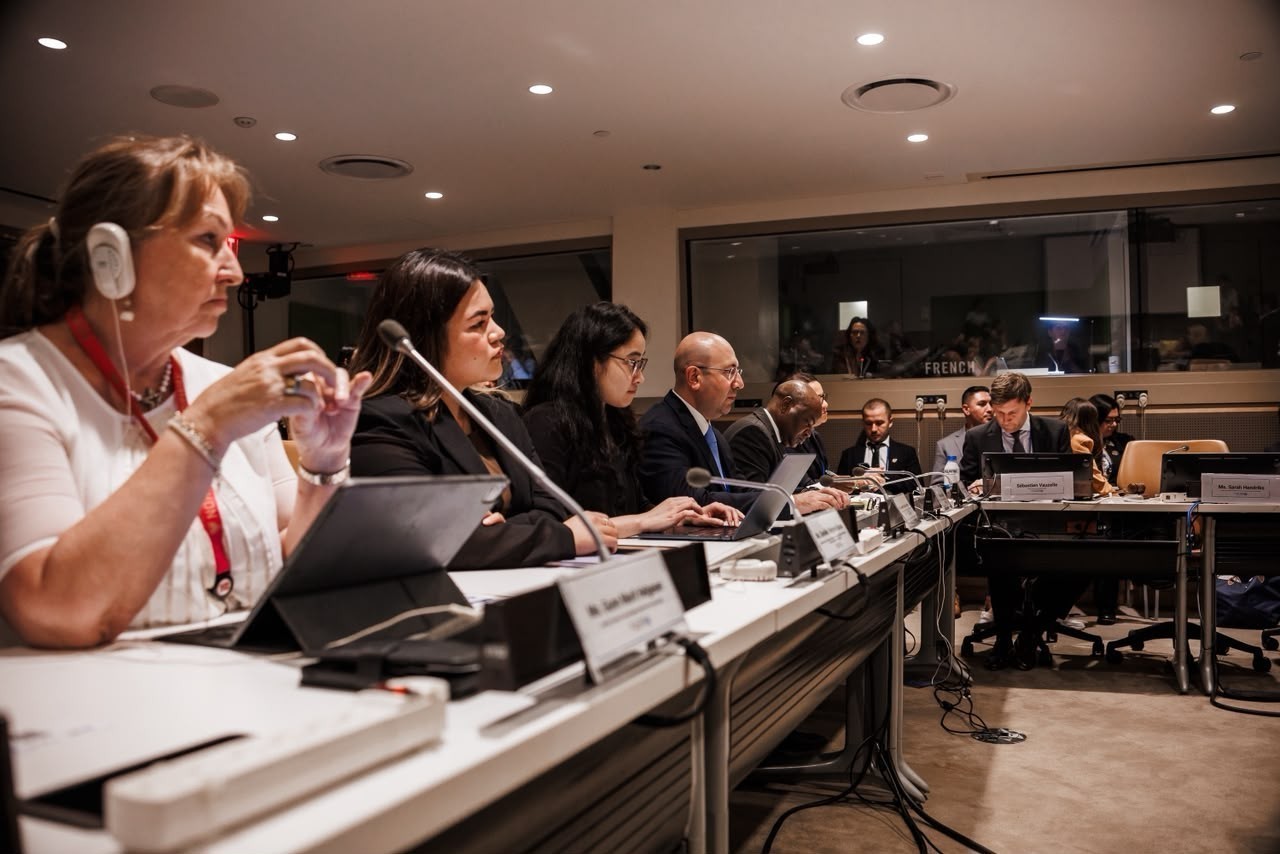
During the visit, bilateral meetings were held with UN-Habitat Executive Director Anacláudia Rossbach, Head of the Polish delegation and Deputy Minister of Development Funds and Regional Policy Jan Szyszko, as well as Brazil's Minister of Cities Antonio Vladimir Moura Lima. The meetings focused on expanding cooperation in sustainable urban development, implementing joint projects, and exchanging advanced experience in spatial planning.
The Azerbaijani delegation's activities in New York served as a logical continuation of the international agenda shaped during the 13th session of the World Urban Forum. The initiatives presented, agreements reached, and the contribution agreement signed create a solid foundation for further expanding international cooperation in urban planning and implementing new joint projects.


 Follow us on Telegram
 t.me/apanewsaz
 Follow us on Instagram
 Follow us on TikTok
 Follow us on Facebook
 Follow us on X