










Baku – APA. Just a few months ago Alpheus Molepo’s daily lunch of "pap" or corn meal and meat cost 20 rand ($3.30). Now it costs 25 rand, APA reports quoting “Reutersâ€.
"This is why we are crying," Molepo, 55, a Johannesburg taxi driver, said as he sat under the winter sun by his vehicle, complaining that business was down while food costs were up.
Molepo is not alone.
The impact of skyrocketing food prices is echoing across the globe, in households and in the corridors of power ahead of a summit in Paris next week of G20 farm ministers.
On the ground, people like Molepo are being hit hard throughout Africa, Asia and Latin America where poor families spend 50 to 90 percent of their income on food. The pain is compounded by a jump in fuel prices.
"When food prices go up, the ones who are on the lowest incomes in the world may have to sell their possessions, borrow money just to survive," said Heidi Chow, a campaigner with the UK’s World Development Movement.
Global food prices hit a record high earlier this year, according to the UN Food and Agriculture Organization.
Adverse growing weather has been the immediate trigger in sending wheat prices up 50 percent over the past 12 months and sparking a doubling in corn prices.
Prices are also being bolstered by a wave of newly urbanized middle class families in emerging powerhouses such as China switching to diets needing more intensive agricultural inputs.
But the impact of price spikes is uneven.
In some countries the cycle has boosted local currencies, shielding their economies to a degree from imported fuel costs, while the weather has brought bumper crops to some regions and drought to others.
Many governments, wary after riots erupted during the last food price spikes three years ago, are seeking to cool food prices through subsidies and other mechanisms while monetary officials worry about knock-on impacts on inflation.
HIGH FUEL PRICES
The lopsided impact of the global trends is on full display in Africa, where South Africa has had a good harvest of its staple maize, but the central bank there remains wary of food price pressures which are seen fueling wage demands from the country’s unionized mine workers.
About 3,000 km northeast in Kenya, a 90 kg (200 lb) bag of maize is now fetching about 4,000 shillings ($45.66), double the cost in 2009, when the country had a bumper harvest.
It helped push the year-on-year inflation rate up to a seven-month high in May of 12.59 percent.
In some countries it is a matter of life and death.
"Animals have perished and so far some people have starved to death. If food prices continue to soar many Somalis will die," Yusuf Moalim Amin Badiyo, Somalia’s agriculture minister, told Reuters.
A spike in global oil prices by over 50 percent over the past 12 months has added to the pain. In a vicious circle, unrest in the Mideast and North Africa, partly inflamed by high food prices, led to a loss of supply from Libya and provoked fears of more supply shocks from the oil-rich region.
South African taxi driver Molepo blames high fuel prices for his sluggish business, while food traders in a market in Burundi’s capital of Bujumbura see a link with soaring cooking oil and food costs.
"The main cause of this is higher fuel prices," one trader said, noting that it was costing more to transport food from the countryside to the market.
ASIAN RESPONSE
While many African governments are facing the tough choice of blowing their budgets on subsidies or risking street anger, many Asian nations have already acted to cool food inflation.
In Asia, blessed with a bumper rice crop, nations have used measures such as offloading state grain reserves into the market, curbs on speculators and policy tightening.
In China, food prices fell 0.4 percent in April from March but were 11.5 percent higher than a year earlier, while India’s food price index rose 7.70 percent in the year to April 30, the slowest rise since end-March 2009.
In Indonesia, Southeast Asia’s biggest economy, inflation in May eased to 5.98 percent to fall within the central bank’s 2011 target range for the first time this year.
"We have seen food prices a little more contained in some of these Asian countries, which is largely a result of pro-active government policies," said Luke Mathews, a commodity strategist at Commonwealth Bank of Australia.
"For example, China has been pro-active in managing supplies for grains, oilseeds and sugar. What we have seen is that when domestic food price inflation show signs of getting out of control, they are more willing to put reserves back on to the domestic market."
China just suspended regular rapeseed oil auctions and lifted a 7-month price cap on retail vegetable oil prices, a possible signal that supplies may be plentiful enough to ease food inflation worries.
India is expecting food inflation to fall further in the second half of the fiscal year as forecasts of a normal monsoon raise prospects of a bumper grain and oilseed harvest.
Still, analysts say Asia is vulnerable to food price shocks, given the volatility in global agricultural markets.
In Latin America, the World Bank says in a recent report that it does not expect "the latest acceleration of food prices to lead to a dramatic increase in poverty levels ... However, certain vulnerable groups and countries are expected to experience rising poverty and negative welfare shocks."
In Honduras for example, food accounts for over 80 percent of the expenditure of the poorest 20 percent.
And the commodity cycle has been a double-edged sword there, with the terms of trade improving for some nations which produce food and other commodities.
"In a real sense, Latin American economies are richer as a result of these terms of trade improvements," Augusto de la Torre, the World bank’s chief economist for Latin America and the Caribbean region, told Reuters on the sidelines of a conference in Johannesburg.
"However, the internal distribution of these gains is a very difficult issue. And when you have this transference of food and fuel prices you get a lot of losers and winners," he said.


 Follow us on Telegram
 t.me/apanewsaz
 Follow us on Instagram
 Follow us on TikTok
 Follow us on Facebook
 Follow us on X
Incident

Pakistani citizen detained while attempting to cross Azerbaijan-Russia border illegally - PHOTO
 13:11
 20 October 2026

Drug smuggling from Iran into Azerbaijan prevented - PHOTO
11:23
20 October 2026

SWISS flight aircraft en route Zurich-Shanghai made emergency landing in Baku
20:45
19 October 2026
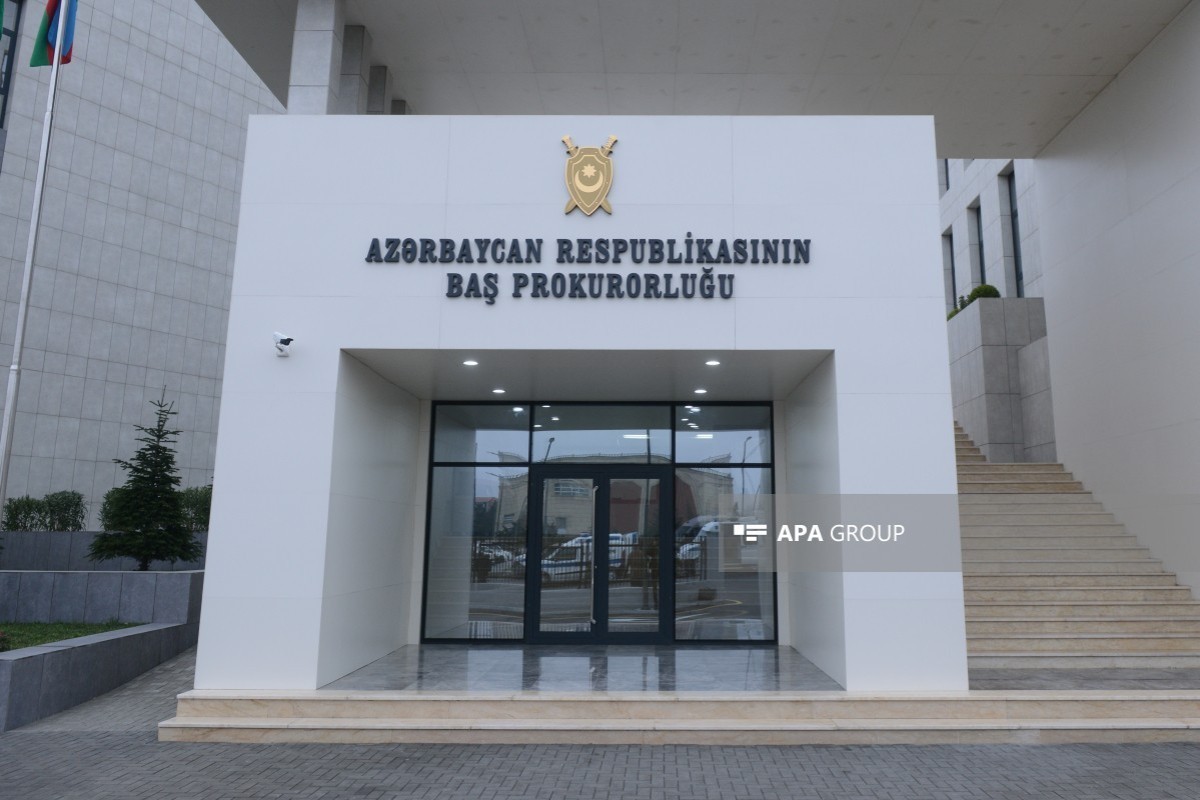
Seven people suspected of calling for violent seizure of power in Azerbaijan placed on international wanted list
18:28
19 October 2026

NEWS FEED
European companies consider Middle Corridor a safer alternative
11:03
21 October 2026
Ukrainian anti-corruption authorities search home of National Bank Governor
11:01
21 October 2026
Putin to receive Witkoff in St. Petersburg today - Russian Presidential Aide
10:59
21 October 2026
Number of EU companies investing in Karabakh and Nakhchivan increases significantly over past year
10:54
21 October 2026
French fighter jet crashes during training flight, killing pilot
10:52
21 October 2026
European companies plan to expand operations in Azerbaijan
10:49
21 October 2026
Number of visitors from Azerbaijan to Georgia increases
10:47
21 October 2026
Damage caused by riots in France exceeds €1 billion
10:45
21 October 2026
European companies assess current economic situation in Azerbaijan as satisfactory
10:43
21 October 2026
Homes of Samvel Karapetyan's supporters searched, 14 detained
10:40
21 October 2026
Passenger transportation by ferries increases by 14% in Azerbaijan
10:30
21 October 2026
Ambassador: Negotiations on new agreement between EU and Azerbaijan continue constructively
10:29
21 October 2026
Rubio says Witkoff-Zelenskyy meeting 'positive', ideas to be discussed with Russia
10:25
21 October 2026
BSTDB financing for projects in Azerbaijan exceeds 700 million euros
10:22
21 October 2026
FT: Netanyahu seeks to resume attacks against Iran
10:19
21 October 2026
Israel planned large-scale strikes on Iran on October 10, but Trump opposed operation – Media
10:16
21 October 2026
Georgia to complete highway to Azerbaijan border by end of 2031
10:11
21 October 2026
Azerbaijani oil price nears $120
10:09
21 October 2026
EBRD's loan portfolio in Azerbaijan reaches 879 million euros
10:08
21 October 2026
Special Envoy Witkoff visits Russia
10:04
21 October 2026
Baku hosts Azerbaijan–European Union Business Forum
10:02
21 October 2026
Azerbaijan and NATO discuss future prospects of cooperation in Brussels
09:48
21 October 2026
Gold and silver prices decline in commodity markets
09:28
21 October 2026
Baku to host high-level meeting uniting anti-corruption efforts of Islamic world - Deputy Prosecutor General
09:24
21 October 2026
Natural gas prices decline further on New York exchange
09:10
21 October 2026
Trump says Pentagon will invest $1.5 billion into North Carolina chip production
09:00
21 October 2026
Bitcoin price approaches $83,000
08:54
21 October 2026
US, Ukraine and European countries agree on approach to dialogue with Russia – Axios
06:46
21 October 2026
France extends partial curfews following protest violence
05:37
21 October 2026
Trump administration has revoked more than 300,000 visas
04:35
21 October 2026
BBC to close two TV channels and a radio station to cut costs
03:28
21 October 2026
Hegseth says Ukraine posture unchanged, but ‘our guys’ need interceptors too
03:26
21 October 2026
Iraq to close all border crossings with Iran gradually, starting Wednesday
02:23
21 October 2026
Trump says he has never discussed Vance’s potential 2028 presidential bid with him
01:51
21 October 2026
Barcelona suffered their first defeat of the season
01:21
21 October 2026
WSJ: Musk decided to restrict Ukraine's access to Starshield
00:50
21 October 2026
Fenerbahce throw away two-goal lead in 2-2 Champions League draw with Slavia Prague
00:35
21 October 2026
US to offer Putin meeting with Trump, Zelenskyy
00:18
21 October 2026
Qatar and Pakistan have offered to transfer interest on $6 billion to Iran
23:52
20 October 2026
Trump: Ukraine and Zelenskyy must strive to resolve the conflict
23:20
20 October 2026
IRGC Navy says supertanker exploded after hitting mine south of Hormuz
22:55
20 October 2026
UEFA Champions League: Germany’s Borussia Dortmund defeat Azerbaijan’s FC Sabah
22:39
20 October 2026
Witkoff’s plans to visit Russia on October 21 confirmed
22:36
20 October 2026
Iranian President: United States must lift pressure, threats and sanctions before any negotiations
22:32
20 October 2026
Ghalibaf rejects change in demands during talks with Pakistan army chief
22:03
20 October 2026
Russia ready to listen to US proposals, rules out political concessions — Lavrov
21:31
20 October 2026
Kallas claims that the US has been "pushing Ukraine toward capitulation" for 1.5 years
21:13
20 October 2026
Iran tells Munir it won't allow any enriched nuclear material to leave country
21:09
20 October 2026
Ambassador: Hungarian companies have invested USD 2 billion in Azerbaijan's economy
20:50
20 October 2026
Baku hosted event on the occasion of National Day of Hungary-PHOTO
20:42
20 October 2026


