










“While the Minsk Group spearheads the OSCE’s efforts to find a political solution to the conflict in and around Nagorno-Karabakh, Armenia and Azerbaijan both remain frustrated with the lack of political resolve; military leaders on both sides proudly and unjustifiably claim they could "settle it" quickly. The recent Georgian experience with Russia has left significant cross-border scars that will likely not heal anytime soon, especially as Georgia desperately seeks NATO membership and European acceptanceâ€, Hertling said.
“The spider-web relations between Iran and Israel with many of those in this region confuses even the experts; and the border between Turkey and many of her allies -- especially Armenia -- are subject to political resolution of multi-generational disputes between those two countries. All of these factors exist in a crucible surrounded on three sides by Turkey, Iran, and Russia. The potential for conflict is considered so plausible and the issues related to the interaction so confusing that a few years ago the U.S. Army’s Training and Doctrine Command developed scenarios linked to the Caucasus to help prepare Majors for military contingencies. The U.S. Army’s Command and General Staff College at Fort Leavenworth uses the "GAAT" (Georgia-Armenia-Azerbaijan-Turkey) exercise as a thread of continuity throughout the courseâ€.
“After observing the meetings with the regions’ visionary political leadership, and seeing the capabilities of the emerging non-conscript militaries and the unique differences between the younger generation of professional leaders and the older generation of Soviet-trained generals, she proclaimed: "this is very different from what I learned in the classrooms at Leavenworth, Kansas.", he said.
“The four nations that make up "the GAAT" are integrating forces in NATO out of theater and peacekeeping operations in places like Afghanistan and Kosovo, and the potential for peaceful management of the region’s substantial security challenges is improving.
Georgia has participated in ISAF since 2005 and has provided a caveat-free battalion under U.S. command since 2010. This contribution is set to double in October of this year. The Georgian military leadership is now requesting USAREUR’s support to train a brigade-sized command and control element for their increasingly capable and dramatically more professional force. Armenia has recently volunteered to send forces to the continuing Kosovo peacekeeping operation under U.S. command, after their partnership deployment with Greece ended due to the fiscal crisis in that country. Even while engaged in the poorly-named "frozen conflict" of Nagorno-Karabakh (N-K), both Armenia and Azerbaijan deploy company-sized elements to Afghanistan, under German and Turkish commands, respectively. Indeed, the fact that Azerbaijan and Armenia have both created brigade-sized peacekeeping and NATO-compatible units is an extremely positive development. Remarkably, both nations have developed these forces as a distinct military branch for the express purpose of participating in multinational operations. These units, which are specifically non-aligned with operations in N-K conflict, are largely manned by professional soldiers, not conscripts, and are led by English-speaking, western-trained officers. At a glance during my visit, they also appear better trained than line forces occupying positions along the NK line-of-contact.
The infusion of values and the concept of a "profession of arms" are taking hold in the younger elements of the Georgian, Armenian, and Azerbaijani officer corps, who are often trained in the west through the Individual Military Education and Training (IMET) program. The differences between these younger leaders -- many of whom have already taken command in key positions -- and the older Soviet-trained generals are palpable. In Georgia, for example, the Chief of the Army is exceedingly young, but in two years of engagement I have watched him grow into a mature and dedicated leader of his relatively small Army. The younger Battalion and Brigade Commanders in Armenia and Azerbaijan -- many of whom received education at the Army’s War College at Carlisle or at Leavenworth -- also exhibit a professional character found in more advanced security forces.â€
“As the world’s security focus shifts away from ISAF, and the National Security Strategy of the U.S. "rebalances" toward the Pacific, USAREUR continues to look at the Caucasus countries in the same way that we view the others that make up the European Area of Responsibility; as partners in future coalitionsâ€, Hertling said.
Gen. Hertling’s trip report: Security and conflict in the Caucasus region, not frozen

 21 August 2012 10:46 (UTC +04:00)


 İDMAN XƏBƏR
 Follow us on Telegram
 t.me/apanewsaz
 Follow us on Instagram
 Follow us on TikTok
 Follow us on Facebook
 Follow us on X
Foreign
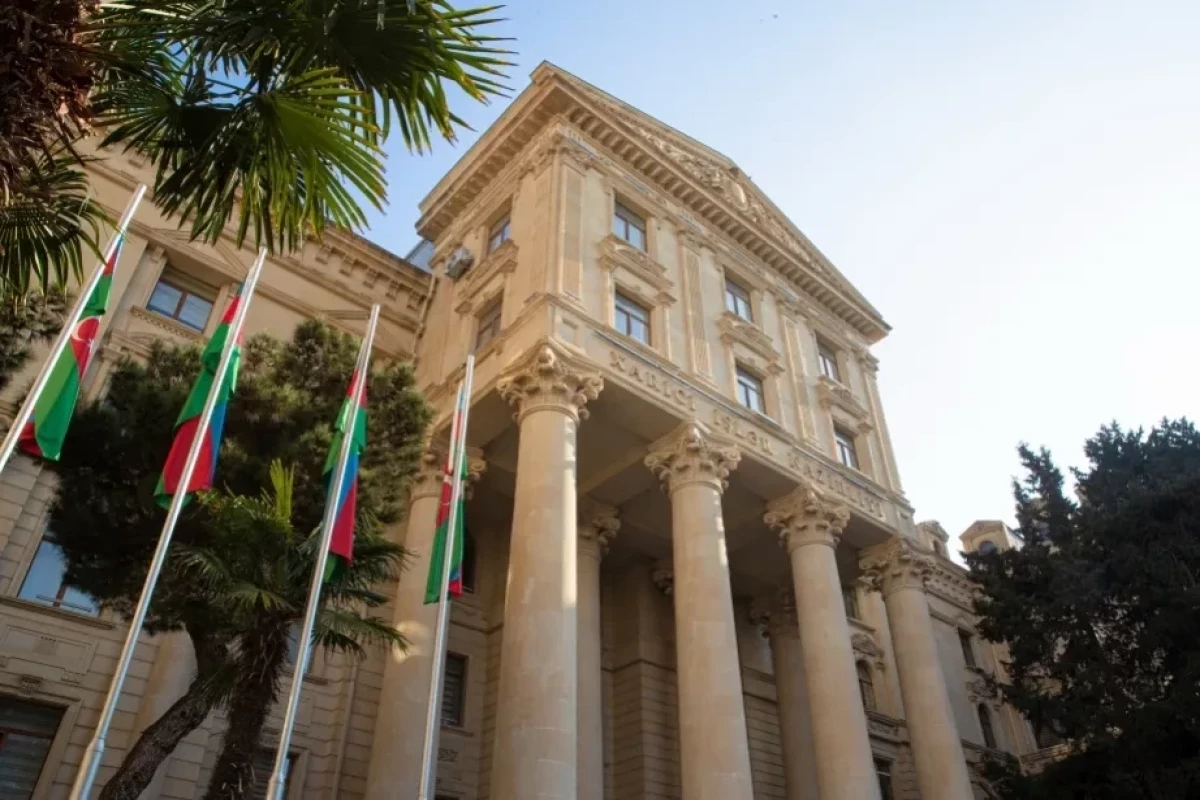
MFA: 10 Azerbaijani citizens from crew of vessel attacked near Odesa depart for Azerbaijan
09:08
 16 July 2026
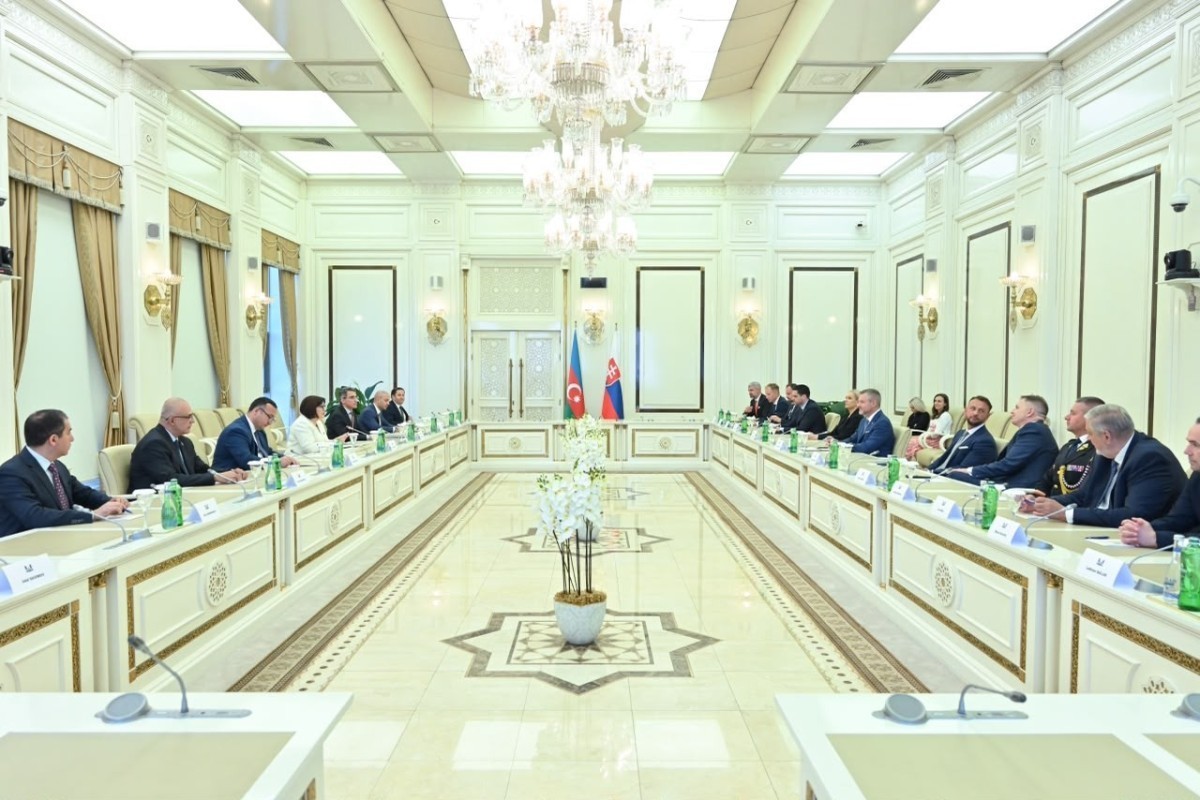
Speaker of Azerbaijan's Parliament meets with Slovak President
18:30
15 July 2026
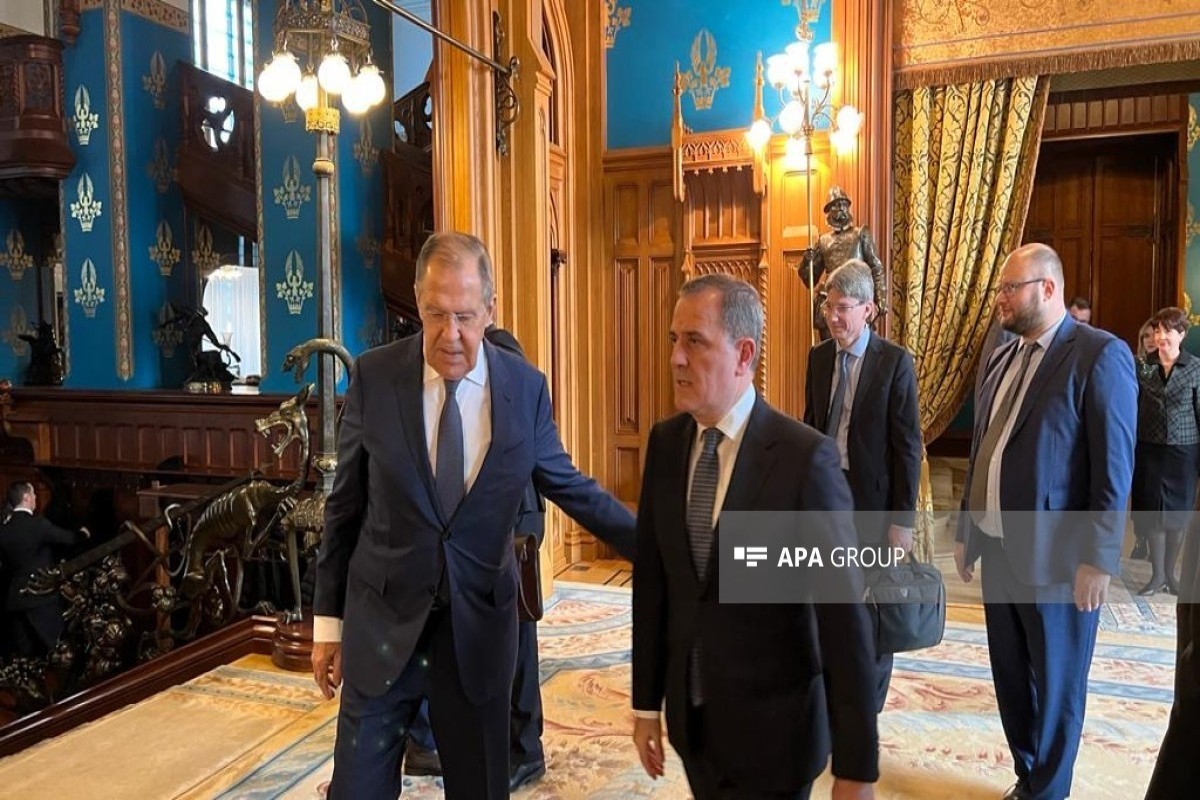
Azerbaijani and Russian foreign ministers to hold talks in Moscow
17:00
15 July 2026
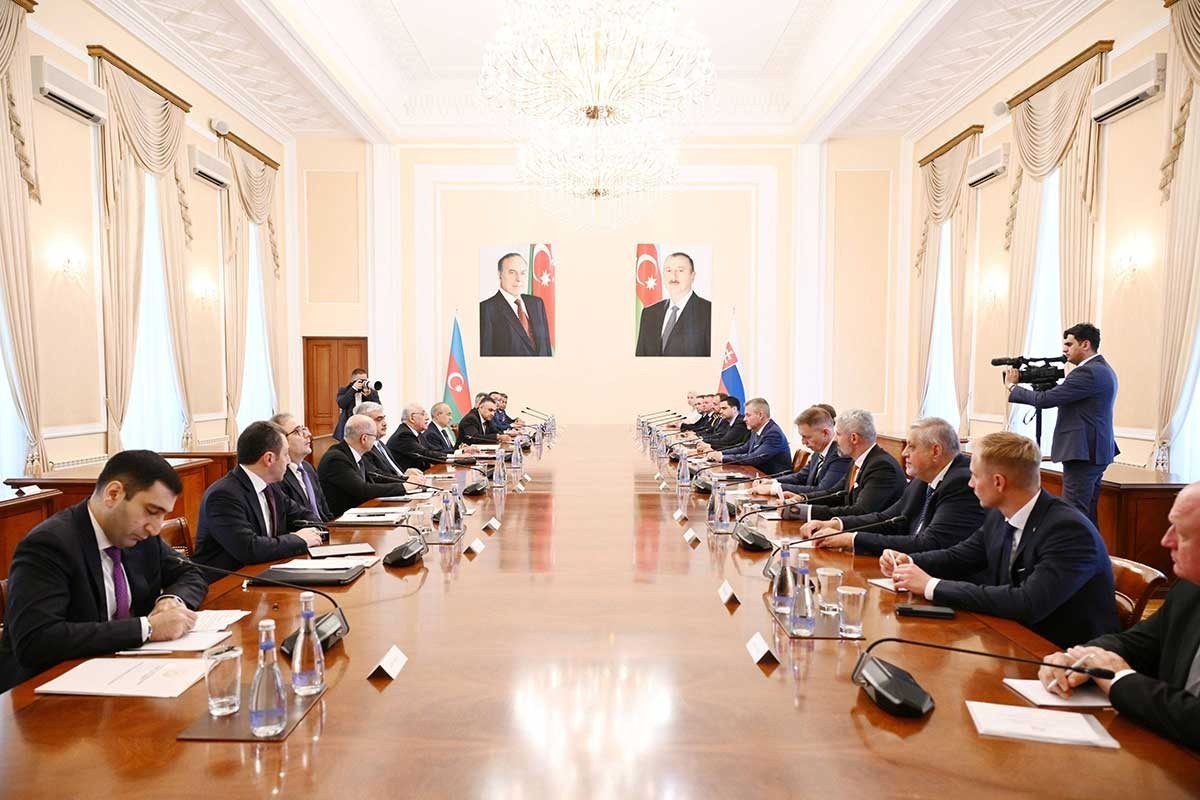
Azerbaijani PM, Slovak President discuss expanding strategic partnership - UPDATED
14:53
15 July 2026

NEWS FEED
Azerbaijan's FM Jeyhun Bayramov departs for official visit to Russia
09:17
16 July 2026
MFA: 10 Azerbaijani citizens from crew of vessel attacked near Odesa depart for Azerbaijan
09:08
16 July 2026
Galatasaray bids farewell to Mauro Icardi after four seasons
02:44
16 July 2026
Lionel Messi fuels Argentina’s stunning late rally past England into World Cup final
01:54
16 July 2026
Trump says sets no deadline for expanding strikes on Iran
00:47
16 July 2026
US not to conduct ground operation to change Iran’s government — Vance
00:28
Audio
16 July 2026
US launches second wave of Wednesday strikes against Iran
23:35
Audio
15 July 2026
Iran sees no reason to comply with agreement with US
23:21
15 July 2026
EU ambassadors fail to agree on 21st package of anti-Russia sanctions
22:41
15 July 2026
Ghalibaf says Iran must fight while pursuing diplomacy
22:24
Audio
15 July 2026
Euronews: The future of journalism debated at the 4th Shusha Global Media Forum
22:18
15 July 2026
Merz warned the US against interfering in German elections
21:22
15 July 2026
US wants to use private investment to help other countries
20:55
15 July 2026
Iran says no US talks planned, focus remains on defense
20:35
15 July 2026
US issues new non-proliferation sanctions against those tied with Iran and Russia
19:43
15 July 2026
US attacks Iran's Hengam Island
19:19
15 July 2026
Trump: It would be good if Israel withdrew from Lebanon and Syria
18:34
15 July 2026
Turkmen President to pay official visit to Georgia
18:32
15 July 2026
Speaker of Azerbaijan's Parliament meets with Slovak President
18:30
15 July 2026
Slovak President Peter Pellegrini concludes visit to Azerbaijan
18:20
15 July 2026
President of Slovakia visits See Breeze Resort
18:18
15 July 2026
Russia says foreign troops sent to Ukraine after a peace deal would be legitimate targets
18:13
15 July 2026
CENTCOM says two ships changed course after attempting to breach Iran blockade
17:46
15 July 2026
More than 15 hospitalized in suspected food poisoning incident in Samukh
17:37
15 July 2026
Azerbaijani and Russian foreign ministers to hold talks in Moscow
17:00
Audio
15 July 2026
Iranian FM Abbas Araghchi departs for Qatar to offer condolences
16:38
15 July 2026
President Ilham Aliyev approves amendments to state oversight of children's rights
16:36
15 July 2026
DPA: Armed man opens fire at police officers in Dresden
16:32
15 July 2026
Trump says Russia ready to reach agreement with Ukraine soon
16:13
15 July 2026
Azerbaijan approves 2026–2030 National Action Plan to combat human trafficking - ORDER
16:10
15 July 2026
CENTCOM: Military facilities on Iran's Greater Tunb Island targeted in 90-minute operation - UPDATED
16:08
15 July 2026
Russian-born American investor appointed to lead TRIPP+ Fund
15:54
15 July 2026
Azerbaijan exports $6.2 billion worth of oil to more than 10 countries this year - LIST
15:43
15 July 2026
Azerbaijani Foreign Ministry urges citizens to avoid Black Sea conflict risks - STATEMENT
15:26
Audio
15 July 2026
Azerbaijan discusses medium-term fiscal policy with IMF
15:18
15 July 2026
Value of Azerbaijan's exports to Armenia in six months revealed
15:14
15 July 2026
Midnight social media curfew and limits to infinite scrolling proposed for older UK teens
15:11
15 July 2026
Azerbaijan's foreign trade surplus nearly sixfold in H1
15:10
15 July 2026
Zelenskyy: Ukraine produces 10 million drones annually, output to double to 20 million
15:04
15 July 2026
Power restrictions introduced in Tehran amid rising demand and damaged grid
14:55
15 July 2026
Azerbaijani PM, Slovak President discuss expanding strategic partnership - UPDATED
14:53
15 July 2026
17 injured as two passenger buses collide near Prague
14:35
15 July 2026
Kremlin says it is analyzing Trump's statements on new sanctions against Russia
14:34
15 July 2026
SSPF chief: Around AZN 900 million in social payments made to 2.2 million citizens each month
14:27
15 July 2026
EU seals deal for drone production with Ukraine
14:26
15 July 2026
Peskov: No messages sent to Zelenskyy through Vučić
14:25
15 July 2026
Russian guided bombs kill 3 in Sumy region
14:21
15 July 2026
Azerbaijan-Slovakia business forum held in Baku - PHOTO - UPDATED
14:19
15 July 2026
U.S. marine biologist shot dead in Philippines
14:01
15 July 2026
Armenian government to discuss ratification of TRIPP agreement with US
13:23
15 July 2026


