










Baku-APA. On August 18 Israel’s President Shimon Peres was in Sochi on the Black Sea, for his first visit to Russia as head of state. He met his counterpart Dmitry Medvedev. The visit had one goal: to gain Russia’s support in Israel’s continuing stand-off with Iran. Moscow’s failure to pressure Tehran into halting its controversial nuclear program or from supporting insurgent groups in the Middle East has greatly frustrated Tel Aviv in the past. President Peres made this clear when he said, bluntly, that “we have no doubts about the sincerity of Russia’s intentions in promoting peace in the Middle East. This is quite different from the past†(Kremlin, August 19).
Russia’s relations with Israel have always been complicated. On the one hand, cultural and historical ties are strong. Israel has a huge Russian-speaking diaspora, and acknowledges its debt to the USSR for defeating Nazi Germany. Moscow also retains an instinctive affinity for Israel, in part a product of Russia’s imperial legacy as a protector of the Holy Land.
But set against this is a less comfortable legacy. Anti-Semitism in Russia has a long history, and has grown with the rise of far-right nationalist movements. More significantly, during the Cold War, Moscow and Tel Aviv were on different sides of the barricade. Russia trained and equipped the Syrian and Egyptian armies in their battles against Israel. It also gave extensive covert backing to the Palestinian Liberation Organisation, which it viewed as a fellow socialist, anti-imperialist movement.
Since the end of the Cold War the Kremlin has been more balanced, and is part of the diplomatic Quartet tasked with resolving the Israel-Palestine conflict. But it remains supportive of Cold War allies and, through its military support of Iran, has indirectly equipped Arab guerrilla movements. During his said visit President Peres made this startlingly clear when he stated that “[Israel has] clear proof that Russian weapons reach the hands of terrorist organizations, especially Hamas and Hezbollah, which receive them from Iran and Syria."
A bold statement, and one which echoes previous Israeli claims. In 2006 Tel Aviv alleged that modern Russian anti-tank weapons, supplied to Syria and Iran, were being used by Hezbollah in its conflict with Israel (New York Times, August 7 2006). Russia denied that accusation, and analysts have pointed out that the ubiquity of Russian-made weaponry (and copies of Russian armaments) in developing states make tracking the source very difficult.
But sometimes the origin is not in doubt. For Israel, one of Russia’s most controversial decisions in recent years was a contract to sell advanced air defence systems to Iran. The $800 million deal to sell S-300 systems to Tehran was signed in 2007 but, to date, Russia has refused to deliver the weapons (Daily Telegraph, August 30 2008). Although observers are divided, it is widely believed that the S-300 would greatly increase the difficulty of any US or Israeli airstrikes against Iran’s covert nuclear facilities. Some analysts have described the system as a truly “game-changing†instrument in any air attack (Washington Institute, March 13).
The reason for the delay in supplying the S-300s has not been publicly stated, but many believe that Moscow is using the threat of delivery as leverage in its ongoing geopolitical contest with Washington. This puts Russia in something of an awkward position vis-à -vis Israel: the supply of S-300s would be aimed at the US, but the weapons themselves would be used – if at all – against Israel. From the Kremlin’s point of view, the political benefit of irritating Washington would be outweighed by the diplomatic cost of seeing Israeli jets being shot down by Russian missiles. Unlike the anti-tank weapons used by Hezbollah, the supply of S-300s would be extremely high-profile and would be directly from Russia.
It’s an awkward matter for the Kremlin: anxious to maintain relations with Israel, it is nonetheless unwilling to strain ties with Iran by reneging on the deal, and is eager to keep this particular card up its sleeve for dealing with Washington. This explains the delicacy of the meeting between Presidents Peres and Medvedev, with the NY Times quoting a Russian official that “there was no discussion on the presidential level of any contractual obligations of Russian organizations regarding the provision of military equipment to Iran†(NY Times, August 19). It also explains why President Peres – rather than his Russian counterpart - stated that Moscow would “review†the issue.
The deal is unlikely to be formally revoked, however. Russia has stalled on the issue of the S-300s for two years and is perfectly capable of doing so for a little longer, whilst doing the minimum necessary to reassure Israel. And regardless of what happens with the S-300s, the sale of other Russian weapons and equipment to Iran will continue. On August 19 the deputy head of Russia’s military export company Rosoboronexport said that Moscow would certainly “consider†supplying military aircraft to Tehran, if requested (AFP, August 19).
The anger which these sales provoke in Washington and Tel Aviv is ultimately impotent. There are no legal restrictions on selling conventional weaponry to Tehran: unilateral sanctions, which the US has imposed on a number of Russian arms companies (including Rosoboronexport) for selling to Iran, are ineffective.
In any case, focusing purely on Russia’s S-300 sales plays into the Kremlin’s hands: it increases the perceived importance of this contract. The truth is that a number of states have been accused of supplying S-300s to Tehran, particularly Belarus and Croatia (Jane’s, January 17 2008; Kommersant, September 10 2008). And in the background, shadowy negotiations have been carried out between Iran and China over the possible sale of HQ-9 surface-to-air missiles, an advanced system partly based on the S-300 (Press TV, May 9).
If Tel Aviv sees evidence that any of these weapons are about to become operational in Iran, the timetable for an air attack would be brought sharply forward. Israel would want to strike before the air defence system made Iran’s nuclear facilities almost impregnable. But Russia may not be the only problem: perhaps President Peres should make his next trip to Beijing.
Israel may push forward with air attacks on Iran if doubts grow

 25 August 2009 07:16 (UTC +04:00)


 İDMAN XƏBƏR
 Follow us on Telegram
 t.me/apanewsaz
 Follow us on Instagram
 Follow us on TikTok
 Follow us on Facebook
 Follow us on X
Foreign
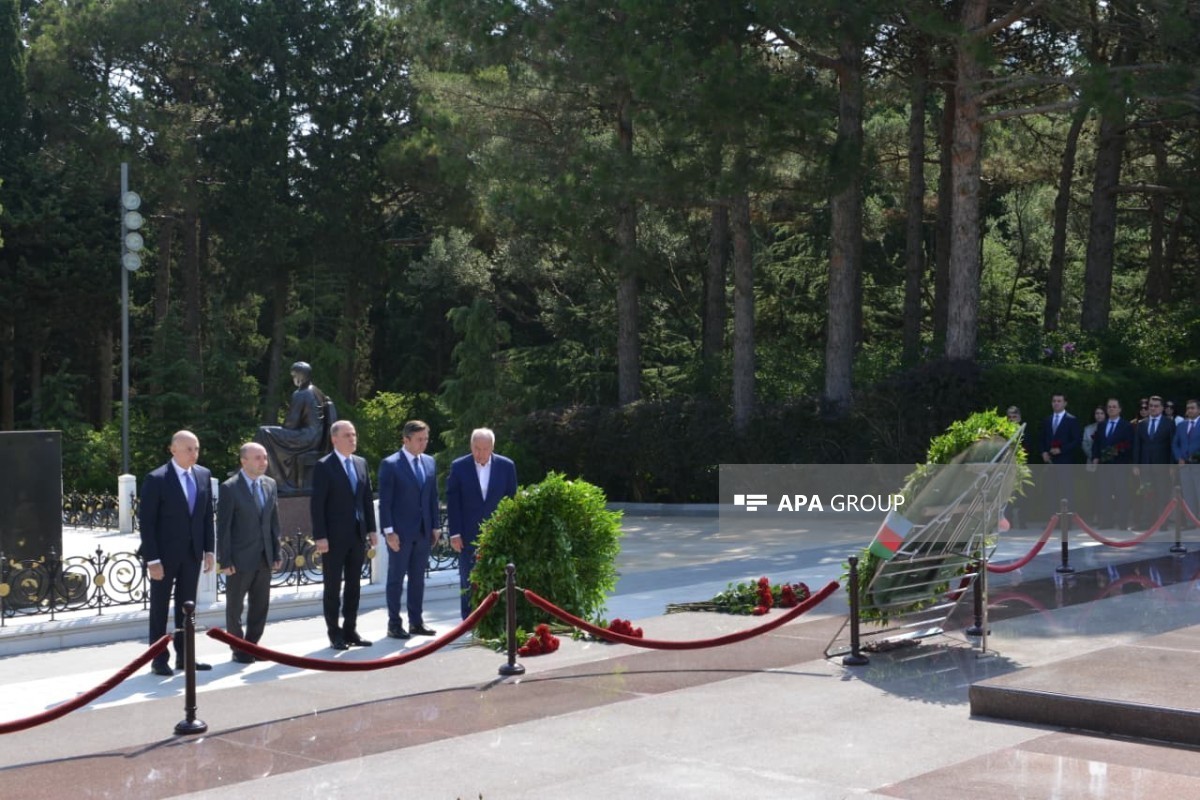
Foreign Ministry leadership visits Alley of Honor - PHOTO
10:14
 9 July 2026
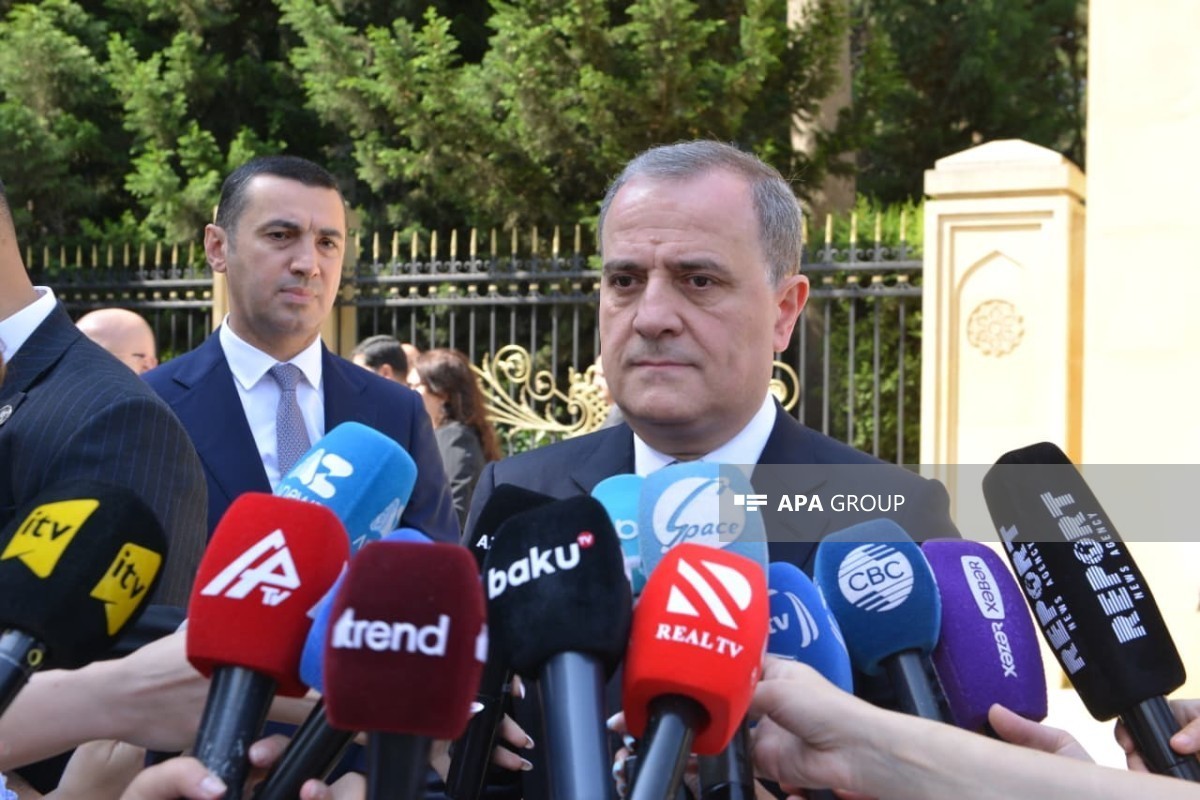
Foreign minister says TRIPP process is underway, documents being prepared
10:06
9 July 2026
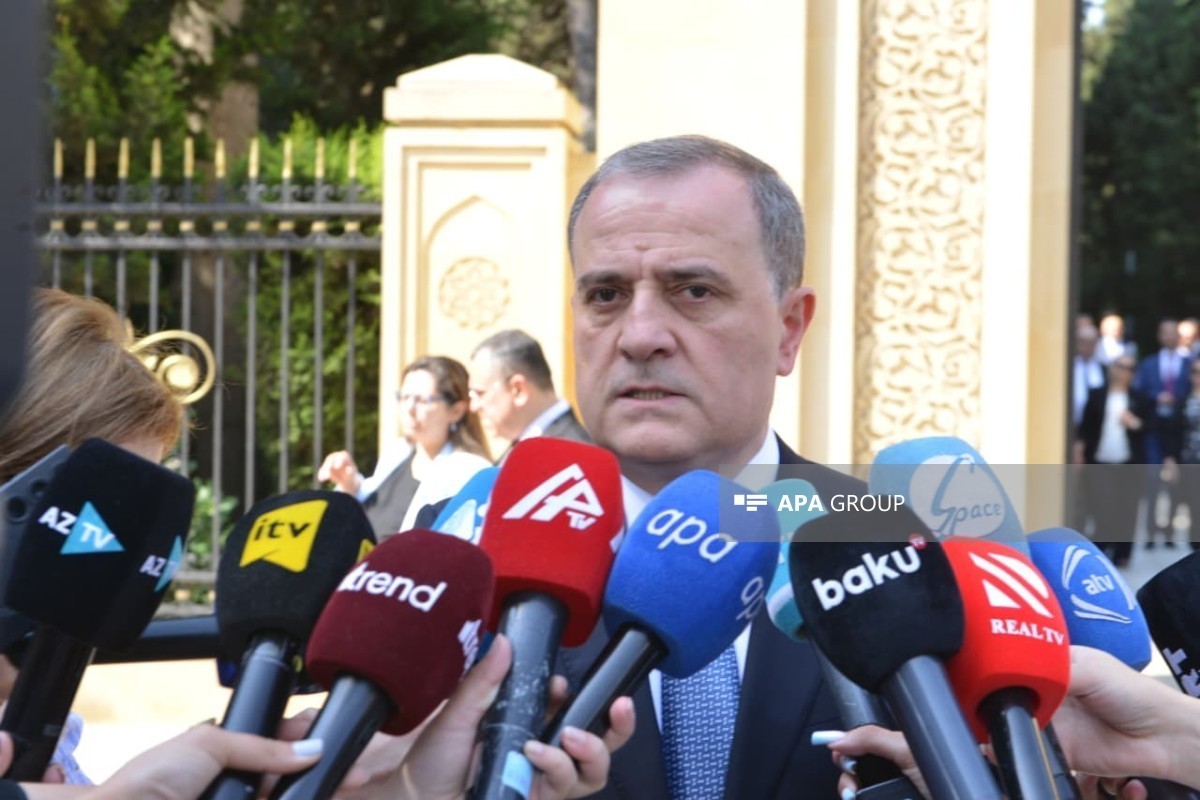
Bayramov: Azerbaijan has completed its part of the work on finalizing the peace agreement
10:03
9 July 2026
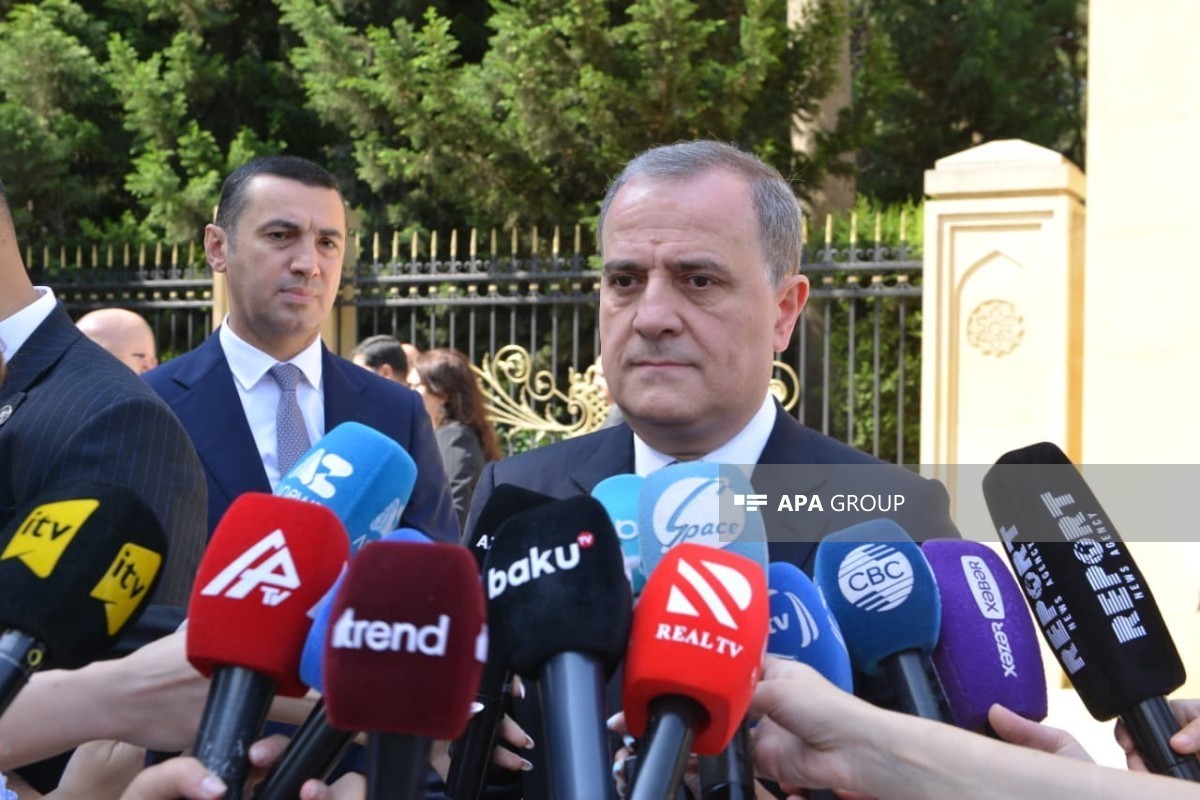
Bayramov: Azerbaijan and Armenia continue delimitation and demarcation process
09:57
9 July 2026

NEWS FEED
Regular flights operate from Heydar Aliyev International Airport to 76 destinations
15:06
9 July 2026
New four-lane highway connecting Georgia with Azerbaijan to be built
15:01
9 July 2026
Interior Ministry: 104 criminal groups involved in serious and especially serious crimes neutralized this year
14:43
9 July 2026
7 killed, 5 injured in Cape Town shootings
14:39
9 July 2026
Flooding in southern China has killed 39 people
14:08
9 July 2026
US strike hit rail bridge used for China, Russia trade – IRGC media
14:05
9 July 2026
Italy expels two Russian military attachés over alleged espionage activities
13:55
9 July 2026
Peskov: Trump has not yet called Putin after NATO summit
13:51
9 July 2026
Explosions heard in Iran's Bushehr province
13:38
9 July 2026
Ukrainian military strikes 12 tankers, tugboat and cargo vessel in the Sea of Azov
13:30
9 July 2026
World Bank: Karabakh has great potential as a tourism destination
13:11
9 July 2026
Pashinyan: High-Tech Industry Minister Mkhitar Hayrapetyan to leave government
13:02
9 July 2026
Pashinyan: There are two options for resolving the enclave and exclave issue with Azerbaijan
12:54
9 July 2026
Explosions, sirens heard in Bahrain’s Manama
12:53
9 July 2026
Official Tehran condemns US attacks on Iran
12:47
9 July 2026
Pashinyan says agreements reached with Russia on import restrictions affecting Armenian products
12:42
9 July 2026
Pashinyan: Draft of Armenia's new Constitution to be published by the end of the year
12:39
9 July 2026
Iran summons UK ambassador over ‘baseless accusations’
12:31
9 July 2026
Israel's Katz rejects Trump’s Lebanon pullout claim
12:25
9 July 2026
Merz says Germany agreed to acquire US Tomahawk missiles
12:13
9 July 2026
New direct flights between Azerbaijan and China to launch next year
11:55
9 July 2026
Iran's former Supreme Leader to be buried in Mashhad today
11:47
9 July 2026
UK removes Azerbaijan's Zangazur vessel from sanctions list - EXCLUSIVE - PHOTO
11:39
9 July 2026
FSB: Large-scale terror plot targeting Russian military personnel foiled in Russia
11:34
9 July 2026
Shaun Mann: Azerbaijan should focus on increasing tourists' spending rather than visitor numbers
11:28
9 July 2026
Florian Sengstschmid: Azerbaijan's recognition as a tourism destination rises to 48%
11:25
9 July 2026
Iran says it has targeted sites in Kuwait, Qatar, Bahrain in response to US strikes
11:19
9 July 2026
World Bank: Azerbaijan's economy to grow by 2% in 2026
11:17
9 July 2026
World Bank outlines key challenges facing Azerbaijan's tourism sector
11:07
9 July 2026
Foreign Ministry staff visit Victory Monument - PHOTO
11:05
9 July 2026
World Bank: Employment growth in Azerbaijan was mainly driven by the private sector
11:02
9 July 2026
Central Bank: Azerbaijan's strategic foreign exchange reserves reach USD 85.8 billion
10:57
9 July 2026
Iran says 14 killed, 78 injured in recent U.S. strikes
10:52
9 July 2026
Central Bank: Azerbaijan's external position remains favorable despite geopolitical tensions
10:49
9 July 2026
Rolande Pryce: Azerbaijan's tourism should shift from a capital-centered model to the regions
10:43
9 July 2026
World Bank: Azerbaijan's sustainable economic growth will depend on the non-oil sector
10:37
9 July 2026
AZAL expands online payment options for passengers from Uzbekistan
10:25
9 July 2026
Confirmed Ebola deaths in DR Congo hit 600
10:20
9 July 2026
Foreign Ministry staff visit Alley of Martyrs
10:16
9 July 2026
Foreign Ministry leadership visits Alley of Honor - PHOTO
10:14
9 July 2026
Foreign minister says TRIPP process is underway, documents being prepared
10:06
9 July 2026
Bayramov: Azerbaijan has completed its part of the work on finalizing the peace agreement
10:03
9 July 2026
Bayramov: Azerbaijan and Armenia continue delimitation and demarcation process
09:57
9 July 2026
Azerbaijani Azeri Light crude oil rises to $82.07 per barrel
09:50
9 July 2026
Iran says Tehran-Mashhad railway suspended after US strikes
09:47
9 July 2026
Iran says 3 killed in US strikes in western Iran
09:40
9 July 2026
Gold price falls below $4,100 on commodity markets
09:23
9 July 2026
US struck 90 Iranian military targets along coast - CENTCOM
09:18
9 July 2026
IRGC says missile and drone strikes hit US bases in Kuwait and Bahrain
09:15
9 July 2026
Iran’s parliament speaker says Strait of Hormuz to open only under ‘Iranian arrangements’
09:08
9 July 2026


