










- Turkey and Armenia held long secret talks in Geneva. It is well known fact that without involvement of Russia, no serious deal can be reached in the region. What is the Russian approach to the most recent developments of Turks and Armenians?
- It started off a few months ago, when we started to receive the information that “greater deal†between Armenia and Turkey was being negotiated by Russians. It is well known fact that Armenians will listen to Moscow. If Moscow says them OK then, they have a deal with Turkey, if Russia says no they don’t have a deal with Turkey.
So any talks going on in Geneva was very long going but the problem is that it can’t go anywhere until Russians involved. And Russians for years have stood in the ways of these talks because they didn’t want Turkey to have greater influence inside of the Caucasus. The Caucasus is such a strategic buffer zone to the Russians, if Russia allows Armenia to open up to Turkish influence then the buffer is compromised for the Russians. But recently Russia has been dealing with Turkey on the different levels. It is not only about the Caucasus, but it is about the greater balance in the world. Specially, when the USA and Russia are forming a new rivalry or renovated rivalry where Turkey is in the middle of that. Turkey is “an ally of the USA†and they suppose to be a regional rival of Russia. But at the same time Russia provides the majority of Turkey’s energy, so Moscow knows that it has a rare opportunity to work with the Turks instead of competing with them or accepting them simply as a US ally. That why Russia felt that maybe they can reach a deal with Turkey. One of the cards that Russia was offering to Turkey would what if we negotiate a deal with Armenia for the Turks. The second card was that the Russians told the Turks that if they wanted more leverage within Europe—whether it be to help with its EU bid or in general-- than Russia could help wield the energy card as part of Turkey’s leverage over Europe. Of course, in return, Russia was asking for a greater understanding with Turkey for Ankara to not ally too heavily with Washington, as well as, Turkey’s help in containing Europe’s energy options outside of Russian supplies. This sounds complicated, but such a deal was actually being considered by both sides. This is when the world started to see shifts in the region. Turkey began to renege on its plans to support European energy diversification and movement by the Armenians (with Russian guidance) in a deal with the Turks. And this was working out until last month Barak Obama made a big tour to Europe and ended up in Turkey. When Obama sat down with Medvedev, the meeting clearly did not go well since neither side was willing to give in on the others demands of supply routes to Afghanistan and BMD in Poland. There is a reason why Obama saved his trip to Turkey for last to speak to the Turks about countering Moscow. So everything which was going on with Turkey and Armenia it not much about Turkey and Armenia but it is about Turkey, Russia and the U.S.
- More people speaking out about the possibility not losing Azerbaijan by Turkey, but by the West at large. Do you agree with this approach?
- I think that there will not be any deal between Turkey and Armenia until Russia and Turkey find out how they want to build their relations with each other and balance the US factor within that. At the same time Russia and Turkey really don’t want to be involved in Nagorno-Karabakh conflict. They understand that if they do, no matter which side they choose, it will severely infuriate Armenians or will severely infuriate Azerbaijanis. For the first time in a long time both Ankara and Moscow are trying to balance relationship with both Yerevan and Baku—involving oneself in the Nagorno-Karabakh situation will ruin that balance. When Aliyev was recently in Moscow there were small delegations from all sides though it was primarily a meeting for Russia and Azerbaijan. At one off those meetings, the Turkish representative made it clear to the Azerbaijanis that Turkey would not be involved in mediating the Nagorno-Karabakh situation. Turkey said it would support both sides coming to a resolution, but did not want to be put in the middle. Both Moscow and Ankara know that the situation is far too complicated for a compromise by Yerevan or Baku —one side would have to step completely back. Plus, Turkey and Russia don’t want the conflict stay in their way of greater deal—which is naturally more important to them.
- So you want to say that the border will be opened without finding a reasonable solution of Nagorno-Karabakh issue?
- That one of the options which is at the table now. The problem is that should this occur than the good relations between Azerbaijan and Turkey will suffer if not be temporarily destroyed. Turkey doesn’t feel itself comfortable with opening the border without a resolution on Nagorno-Karabakh, but at the same time they see no resolution that conflict. They are not sure if the window of opportunity with Russia and Armenia will continue, so many within Turkey want to move now, while others within Turkey are more concerned with betraying Azerbaijan. Upcoming months will be very critical in the reopening of the border. First, Azerbaijan is threatening to cut natural gas supplies to Turkey. This is where one wildcard could enter the situation we have not yet spoken of— Europe; for if the Europeans feel that Azerbaijani-Turkish dispute may jeopardy’s its own energy supply than they could get involved. Second, there is serious frustration within the Turkish government over the decision to “betray†Azerbaijan on top of much resentment in Turkish society because of the recent statement of President Obama on the commemoration of 94th anniversary of Armenian genocide. Lastly, the other Caucasus puzzle piece, Georgia, is also extremely unhappy with the decision to open the border since not one other player has consulted their view of the situation.
So we have to look week by week (if not day by day) for every small shift since there are so many players and pieces involved. So as each new event takes shape we must reassess how the situation will change.
- What will be short and long term circumstances for the region if the Turkey opens the border?
- This is a very interesting question because we are already seeing Azerbaijan changing its path. It was first hinted to when Azerbaijani President Ilham Aliyev rejected the offer from Hilary Clinton for both sides to meet in Istanbul, and then was followed up by a rejection to attend the energy summit in Sofia and a natural gas deal with Russia. All of which make it very clear—at least for the time being-- that Azerbaijan doesn’t trust Turkey or the West. It doesn’t mean that Turkey and Azerbaijan are not brothers anymore. But this means that at this moment Azerbaijan feels so betrayed that it is actually turning to Russia, which is very rare since the fall of the Soviet Union. But this is definitely a situation that Russia wants to take full advantage of. If Azerbaijan doesn’t use its relationship with Moscow as leverage against Turkey’s relationship with Armenia, then Turkey may discount Azerbaijan’s ultimatum.
Director Analysis of Stratfor Lauren Goodrich: “All of which make it very clear that Azerbaijan doesn’t trust Turkey or the West at least for the time beingâ€

 29 April 2009 09:30 (UTC +04:00)


 İDMAN XƏBƏR
 Follow us on Telegram
 t.me/apanewsaz
 Follow us on Instagram
 Follow us on TikTok
 Follow us on Facebook
 Follow us on X
Foreign
Turkmen President receives delegation led by Mikayil Jabbarov
18:28
 8 July 2026
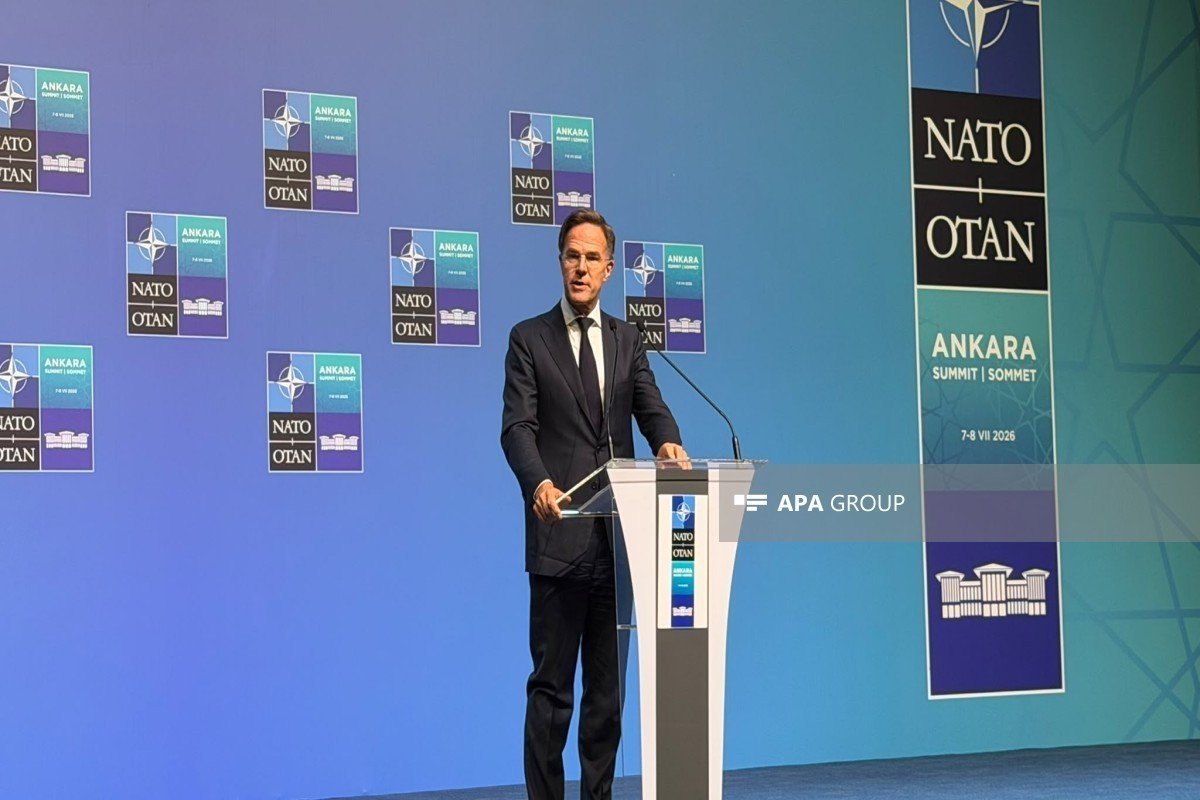
Rutte: NATO to provide at least EUR 70 billion in military aid to Ukraine next year
17:28
8 July 2026
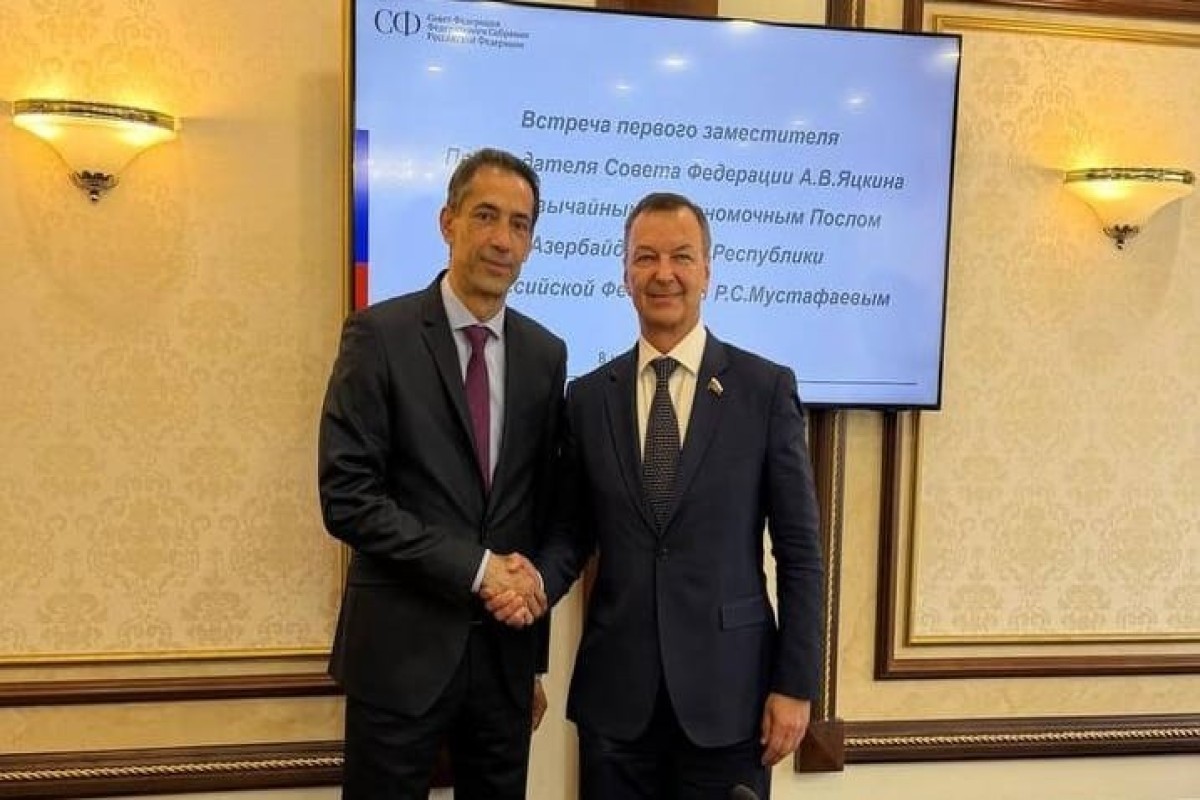
Azerbaijani ambassador meets First Deputy Speaker of Russia's Federation Council
15:52
8 July 2026
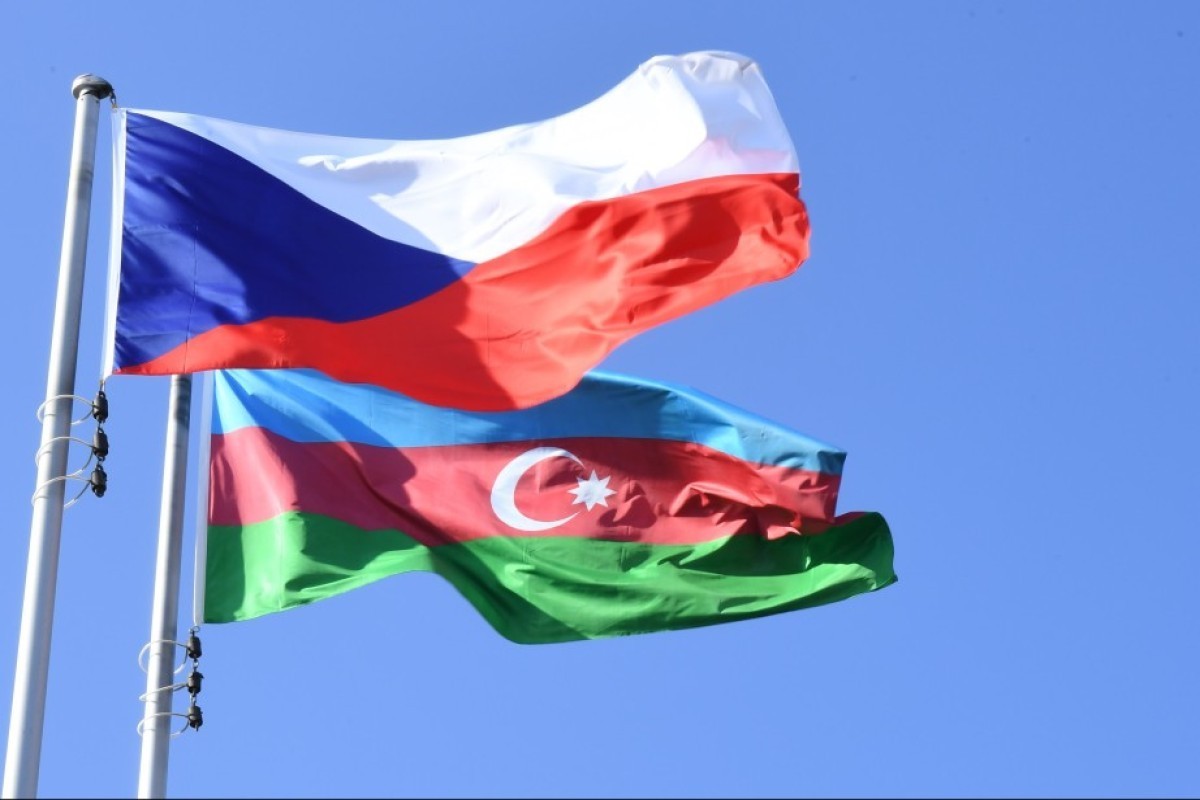
Co-chair of Azerbaijan-Czech Joint Commission changed
15:49
8 July 2026

NEWS FEED
Erdogan: Trump is positive about F-35 fighter jets being delivered to Türkiye
22:19
8 July 2026
Turkish President says the South Caucasus issue can come up on the agenda at any time
21:55
Audio
8 July 2026
Erdogan calls for barrier-free NATO defense cooperation
21:45
Audio
8 July 2026
US leader believes he could be the victim of an assassination attempt by Iran
21:20
Audio
8 July 2026
Trump is confident that all NATO countries will soon increase defense spending to 5% of GDP
20:35
8 July 2026
Trump says Iran's new leadership "may be gone," after breakdown in peace negotiations
20:30
Audio
8 July 2026
Türkiye, UK set to sign major defense partnership at NATO summit
20:19
8 July 2026
Putin holds meeting on fuel crisis after Ukraine’s drone attacks
19:40
8 July 2026
Russia bans diesel exports after Ukraine’s refinery attacks
19:14
8 July 2026
Media: Iran announces suspension of talks with the US on final agreement
19:02
8 July 2026
Turkmen President receives delegation led by Mikayil Jabbarov
18:28
8 July 2026
Trump does not rule out closing Ukraine's airspace by the US
18:02
8 July 2026
40 people readmitted to Azerbaijan last month
17:55
8 July 2026
Interior Ministry conducts operation against "Any Unboxing" fraud pyramid created by Malaysian citizens - VIDEO
17:54
8 July 2026
Iran: Acknowledgment of cancellation of US-Iran memorandum fuels regional tensions
17:45
8 July 2026
Trump says he will speak with Putin today
17:44
8 July 2026
Rutte: NATO to provide at least EUR 70 billion in military aid to Ukraine next year
17:28
8 July 2026
Trump: Iran can be prevented from obtaining nuclear weapons even without an agreement
17:26
8 July 2026
Trump: Ukraine's strikes deep inside Russia could help end the war
17:23
8 July 2026
Trump says he will let Ukraine make Patriot Missiles
17:21
8 July 2026
NATO: Iran must never possess nuclear weapons, ensure free passage through Strait of Hormuz
17:10
8 July 2026
Trump: We could launch very heavy strikes on Iran tonight
17:03
8 July 2026
Trump told NATO leaders he wants to keep US in alliance, source says
17:03
8 July 2026
Russia tightens requirements for migrant workers: They will have to pay income tax
17:02
8 July 2026
EU discussing ways to support regional connectivity with Armenia and Azerbaijan, Grono says
17:00
8 July 2026
NATO to allocate EUR 70 billion to Ukraine this year
16:55
8 July 2026
NATO adopts Ankara Declaration
16:47
8 July 2026
Georgian Parliament Speaker criticizes Hague Declaration on Georgia
16:46
8 July 2026
Azerbaijan, Uzbekistan discuss expanding religious cooperation
16:36
8 July 2026
Four seriously wounded in shooting at Bavarian high school, suspect arrested
16:33
8 July 2026
Ukrainian Air Force downs Russian war aircraft
16:32
8 July 2026
Chevron tanker used for CPC oil hit by drone in Black Sea
16:20
8 July 2026
bp and its co-venturers spend over $115 million on social projects in Azerbaijan
15:56
8 July 2026
Azerbaijani ambassador meets First Deputy Speaker of Russia's Federation Council
15:52
8 July 2026
Co-chair of Azerbaijan-Czech Joint Commission changed
15:49
8 July 2026
Composition of Azerbaijan-Algeria Joint Commission approved
15:37
8 July 2026
Migrant children to be required to leave Russia after turning 18
15:35
8 July 2026
Amendments made to the Charter of the Icherisheher State Historical-Architectural Reserve
15:33
8 July 2026
Damage or destruction of monuments in Shusha prohibited
15:30
8 July 2026
President Ilham Aliyev awards diplomatic ranks to Azerbaijani diplomats -ORDER
15:23
8 July 2026
Azerbaijan resettles former IDPs in Shusha's Kichik Galadara village, families receive house keys - UPDATED
15:19
8 July 2026
EU to hold talks with Gulf states on Strait of Hormuz security, Kallas says
15:12
8 July 2026
Bayramov, Jordanian Deputy PM hold expanded meeting, sign cooperation agreements - PHOTO - UPDATED
15:07
8 July 2026
Shahbazov: Green Energy Corridor project enters development phase
15:03
8 July 2026
Erdogan urges NATO allies to lift defence industry restrictions at summit
14:48
8 July 2026
Peskov: Russia taking maximum measures to protect global energy infrastructure
14:47
8 July 2026
Tbilisi airport fully resumes operations
14:46
8 July 2026
Erdoğan: Türkiye is trying to bring Putin to negotiating table with Ukraine
14:44
8 July 2026
Operation against terrorists carried out in Pakistan, 11 security personnel killed
14:44
8 July 2026
Pezeshkian criticizes US over World Cup hosting and foreign policy
14:42
8 July 2026


