












The agency has also affirmed Azerbaijan’s Short-term foreign currency IDR at ’F3’ and Country Ceiling at ’BBB-’.
"The windfall character of Azerbaijan’s oil income - especially by comparison with similarly rated oil producers - puts a premium on its ability to save a large share of oil revenue," says Charles Seville, Director in Fitch’s Sovereign team. The revision of the Outlook to Stable better reflects Fitch’s view on the likely direction of the rating. The general government increased spending by more than expected in 2011, and oil production fell unexpectedly sharply. At the same time, the agency recognises that the sovereign balance sheet continues to strengthen, and that the general government is running substantial surpluses.
The government’s revision to the 2011 budget resulted in an overall increase in spending of 30% year-on-year, financed by a 50% rise in use of State Oil Fund (SOFAZ) resources. Nearly half the budget was development or investment spending. While Fitch expects the government to refrain from a supplementary budget in 2012, the political cycle may favour further spending increases, with a presidential vote scheduled in November 2013.
Sovereign assets are a major support to the ratings, underpinning a strong external balance sheet and dispelling concerns about external financing.
They also provide the government with great financing flexibility, allowing it to finance counter-cyclical spending without borrowing. However, the government needs to accumulate assets to prepare for a forecast fall in petroleum revenues in the 2020s. The non-oil fiscal deficit is above its long-run sustainable level.
Fitch forecasts sovereign assets to rise by another USD18bn in 2012 and 2013, reaching USD58bn (82% of forecast GDP), placing Azerbaijan among the top ten sovereign net creditors rated by Fitch. The Central Bank of Azerbaijan (CBAR) and the SOFAZ together added USD11bn in reserves in 2011, to reach a total of USD40bn. Azerbaijan has the strongest net external creditor position in the ’BBB’ range of 82% of CXR.
Recent developments have also focused attention on the oil production and GDP growth outlook. Oil production fell 10.6% year-on-year in 2011 and while production stabilised in Q1, compared with the previous quarter, it will not recover the 2010 peak of one million barrels/day before 2014.
Fitch notes Azerbaijan’s oil output is more volatile than is the case for sovereign rating comparators such as Russia (’BBB’/Stable) and Kazakhstan (’BBB’/Positive).
Real GDP will grow at 3% in 2012-2013, modest by comparison with the 2007-11 average. With the oil sector flat at best, growth prospects hinge largely on the non-oil sector. Absent improvements in the business climate and competitiveness of markets, activity will rely heavily on growth in public spending.
The banking sector is weak relative to other ’BBB’-category sovereigns, but prudential indicators have stabilised. The authorities have injected capital into the largest bank, International Bank of Azerbaijan (IBAR), allowing it to meet the minimum capital adequacy ratio but leaving little capacity to absorb further losses.
The macroeconomic policy framework is still a weakness, but official measures show that inflation has fallen sharply. The Central Bank met its inflation target in 2011; the official inflation rate fell to 7.8% and fell further in Q112. In 2012-13, CBAR will maintain the de-facto peg, but intends to allow slightly more exchange rate flexibility.
A longer track record of prudent fiscal management, allowing the continued accumulation of sovereign assets and preserving macroeconomic stability, would be positive for the ratings. Similarly, a transition to more self-sustaining growth in the non-oil sector, which will require institutional improvements, would be a medium-term driver of positive rating action.
The standout vulnerability of the public finances is to a downward oil price shock. A severe and prolonged oil price fall below USD80/b would test the authorities’ ability to adjust and would likely lead to a deteriorating net asset position. However, Azerbaijan’s budget balances at a lower oil price than is the case for Russia.
Political risk and institutional factors weigh on Azerbaijan’s creditworthiness, in Fitch’s opinion. The ratings could come under downward pressure following a political shock, either domestic or external. Fitch notes that extra-parliamentary opposition to the government, although minor, has been on an upswing. Continuing political stability should be favoured by tangible improvements in living standards.
Fitch Ratings downgrades outlooks on Azerbaijan – UPDATED

 11 May 2012 07:49 (UTC +04:00)


 İDMAN XƏBƏR
 Follow us on Telegram
 t.me/apanewsaz
 Follow us on Instagram
 Follow us on TikTok
 Follow us on Facebook
 Follow us on X
Finance
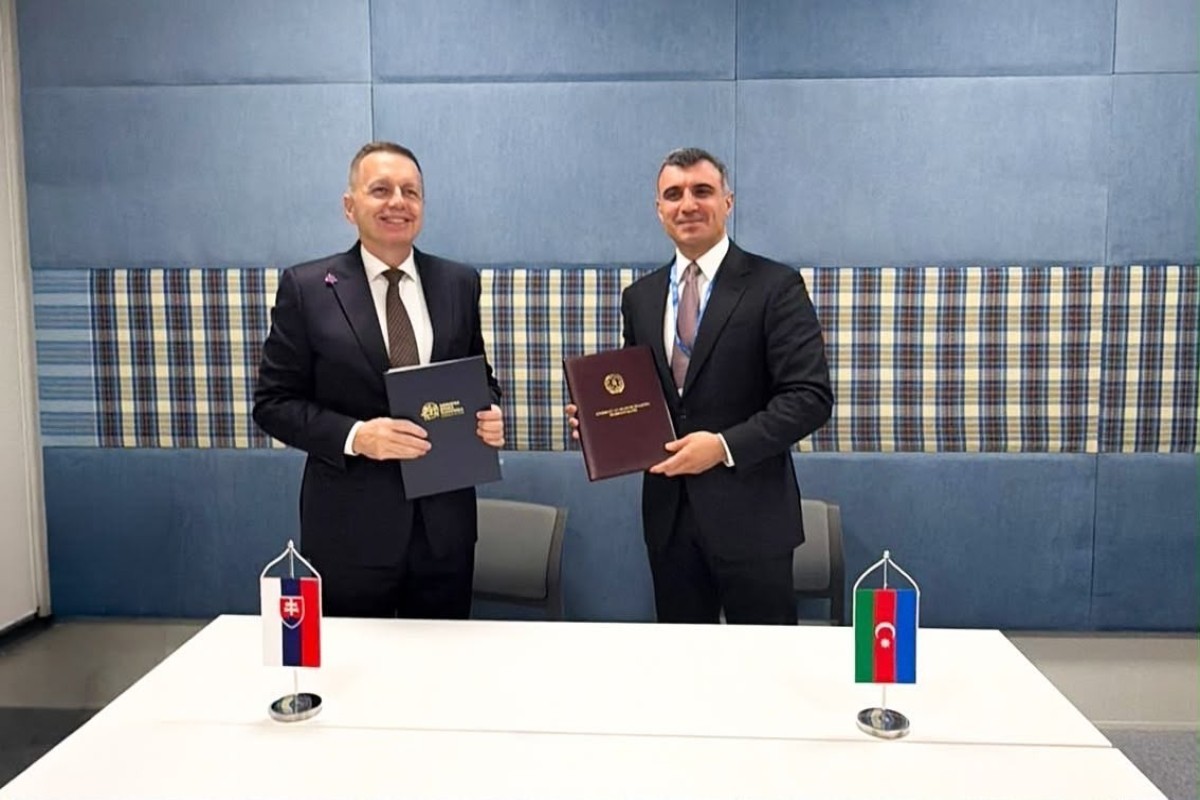
CBA and National Bank of Slovakia sign MoU
17:01
 19 October 2026

Fitch Ratings CEO: Azerbaijan's financial resources support stability of manat exchange rate - INTERVIEW
16:09
19 October 2026
World Bank to increase funding for Baku to $500 million
10:48
19 October 2026
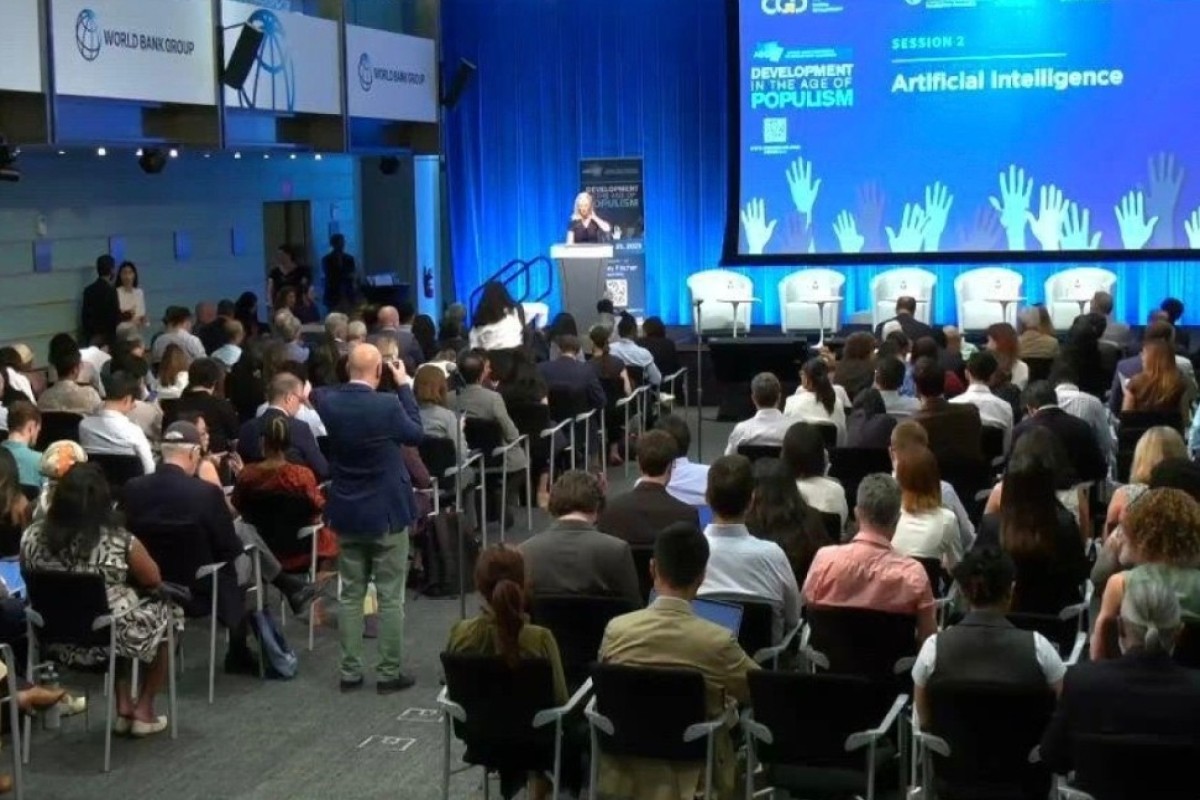
World Bank says AI could transform developing economies
18:39
18 October 2026

NEWS FEED
Pakistan's top general to visit Tehran on Tuesday - IRGC
23:03
19 October 2026
Leyla Aliyeva watches performance of Turkmen iconic Galkynysh national equestrian group in Arkadag city
22:52
19 October 2026
Leyla Aliyeva visits Children’s Health and Rehabilitation Center in Arkadag city-PHOTO
22:46
19 October 2026
Leyla Aliyeva meets with Oguljahan Atabayeva in Arkadag
22:40
19 October 2026
Uzbekistan, U.S. sign agreements worth $12 bln
22:04
19 October 2026
BFMTV: France imposes curfew on several streets in Paris
21:46
19 October 2026
Houthis claim strikes on Aramco site, Saudi oil field
21:36
19 October 2026
President: We did not stoop to the level of the barbarians and child-killers who caused so much suffering for our people
21:10
19 October 2026
Iranian president holds meeting with Russian foreign minister
21:00
19 October 2026
SWISS flight aircraft en route Zurich-Shanghai made emergency landing in Baku
20:45
19 October 2026
Russia, Iran discuss cooperation between Tehran and EAEU
20:21
19 October 2026
US court issues arrest warrant for former Cuban leader Raul Castro
19:51
19 October 2026
Russian strike on park in Kharkiv region kills six - UPDATED
19:37
19 October 2026
13-year-old boy suspected of stabbing teacher and pupil in Romania after TikTok posts
19:24
19 October 2026
Azerbaijan and UAE Air Force Commanders meet - PHOTO
19:13
19 October 2026
Five cases of mpox confirmed in St. Petersburg
18:56
19 October 2026
Ukrainian army strikes Russian radar station and ammunition depots
18:38
19 October 2026
Lavrov: Russia ready to help find solutions to Iran-US conflict
18:29
19 October 2026
Seven people suspected of calling for violent seizure of power in Azerbaijan placed on international wanted list
18:28
19 October 2026
Russia’s Lavrov discusses US war and regional security during Tehran visit
18:22
19 October 2026
Leyla Aliyeva pays visit to Turkmenistan
18:08
19 October 2026
Difficult tactical manoeuvres are performed during “Falcons Meet – 2026” exercise - VIDEO
18:06
19 October 2026
Ukrainian children brought to Azerbaijan visit Gabala and Sheki
18:03
19 October 2026
Azerbaijan-UAE military cooperation is discussed
18:02
19 October 2026
Houthis launch missile strike on military camp in Yemen, killing 53 - UPDATED
18:00
19 October 2026
Araghchi discusses regional and international issues with Lavrov
17:59
19 October 2026
Japanese ambassador to Azerbaijan completes diplomatic mission
17:53
19 October 2026
State Security Service detains organizer of car arson attacks in Masazir abroad
17:38
19 October 2026
Azerbaijan extends deadline for obtaining a construction permit for a solar power plant in Fuzuli
17:14
19 October 2026
Azerbaijan Press Council issues appeal to Turkish media outlets
17:13
19 October 2026
Next Global Assessment of Azerbaijan's National Statistical System underway
17:10
19 October 2026
Azerbaijan expands telecommunications infrastructure in Aghdara
17:09
19 October 2026
CBA and National Bank of Slovakia sign MoU
17:01
19 October 2026
Car exports from Georgia to Azerbaijan decline by 32%
16:46
19 October 2026
Swedish Embassy: Military cooperation between NATO and Azerbaijan is developing
16:42
19 October 2026
Georgia's trade turnover with Azerbaijan exceeds $1 billion this year
16:30
19 October 2026
Iranian and Russian foreign ministers meet in Tehran
16:28
19 October 2026
ANAS to consider removing Ramiz Mehdiyev from full membership - ANAS President
16:20
19 October 2026
Germany summons Iranian envoy over alleged attack plots against pro-Israel figures
16:16
19 October 2026
Azerbaijani citizens purchase 70 apartments in Türkiye last month
16:12
19 October 2026
Fitch Ratings CEO: Azerbaijan's financial resources support stability of manat exchange rate - INTERVIEW
16:09
19 October 2026
Qatar warns of risk of further deepening global energy crisis
15:59
19 October 2026
German ambassador visits Sumgayit
15:56
19 October 2026
Trump urges France to close its borders immediately
15:47
19 October 2026
European Commission rejects US proposal to resume gas purchases from Russia
15:39
19 October 2026
308,945 hectares cleared of mines in Jabrayil, Gubadli and Zangilan
15:37
19 October 2026
Working Group on mine and unexploded ordnance clearance holds meeting in Jabrayil
15:32
19 October 2026
French premier calls for localized curfews starting Monday evening amid unrest
15:28
19 October 2026
Lavrov visits Iran
15:12
19 October 2026
Azerbaijani Parliament speaker meets Kyrgyz parliament speaker - PHOTO
15:02
19 October 2026


