











However, credit impairment remains significant following rapid pre-crisis growth, and loan recoveries are hampered by weak governance and transparency in the corporate sector and a still depressed real estate market. Limited profitability and often moderate capital cushions restrict banks’ ability to absorb losses, and the system, like the broader economy, remains highly exposed to any significant negative oil price shock.
Fitch expects loan growth in 2012 to remain broadly in line with the 21% expansion reported for 2011. New credit is being extended primarily to the retail and SME segments, an expansion supported by the currently moderate leverage in the economy: loans/GDP stood at 20% at end-2011, with loans/non-oil GDP at 45%. However, weaknesses in the corporate sector, a deceleration of real GDP growth rates and the tighter monetary stance of the authorities are constraining credit expansion.
Sector development is also undermined by the capital deficit of the International Bank of Azerbaijan (IBA), the country’s largest bank accounting for nearly 35% of system assets. In February 2012, after a protracted period of capital ratio breaches by IBA, the authorities announced a recapitalization plan for the bank involving contributions of both subordinated debt and equity. Although these measures will help to bring IBA’s capital ratios into compliance with statutory requirements, Fitch believes they are likely to be still insufficient relative to the bank’s asset quality problems (see ’Fitch Maintains IBA’s IDR on RWN; Downgrades Viability Rating’, dated 27 February 2012 at www.fitchratings.com).
The level of non-performing loans (NPLs, 90 days overdue), estimated by Fitch based on a survey of rated banks, stabilized at a high 14% at end-2011. However, restructured/rolled-over exposures, equal to at least a further 11% of loans, suggest potential for additional future impairment recognition. In addition to deficiencies in the operating environment, asset quality has been undermined by often weak loan underwriting at banks. Increased competition for SME and retail borrowers also carries a risk of less stringent credit standards in this segment.
Against this background, Fitch considers the capital cushions of the majority of rated banks to be only moderate. Excluding IBA, the loss absorption capacity of Fitch rated banks (calculated as the maximum total amount of reserves that they could create without breaching minimum capital requirements) stood on average at around 12% of their aggregate loan books at end-2011. The agency notes that weak internal capital generation (reflected in a sector return on average assets of 1% in 2011) is likely to persist on the back of more moderate growth, continuing recognition of credit impairment from legacy loans, tighter competition and the limited scale and high cost bases of many banks.
Fitch expects that, barring external shocks, the system will continue its slow recovery, supported by generally comfortable liquidity resulting from the fast growing retail deposit base. The loans/deposits ratio was still a high 1.5x at end-2011, although non-customer funding comes mainly from government agencies and international financial institutions, mitigating refinancing risks.
The Viability Ratings of Fitch-rated Azerbaijan banks are currently in the ’b’ category or below, and the agency does not expect any marked upward movement in the medium term given weaknesses in the operating environment and the banking system. IBA’s Long-term Issuer Default Rating of ’BB+’/Rating Watch Negative continues to reflect the agency’s base case expectation that the authorities will ultimately provide sufficient capital support for the bank.
Fitch Ratings Agency makes new report on Azerbaijan-based banks

 29 March 2012 10:23 (UTC +04:00)


 İDMAN XƏBƏR
 Follow us on Telegram
 t.me/apanewsaz
 Follow us on Instagram
 Follow us on TikTok
 Follow us on Facebook
 Follow us on X
Finance
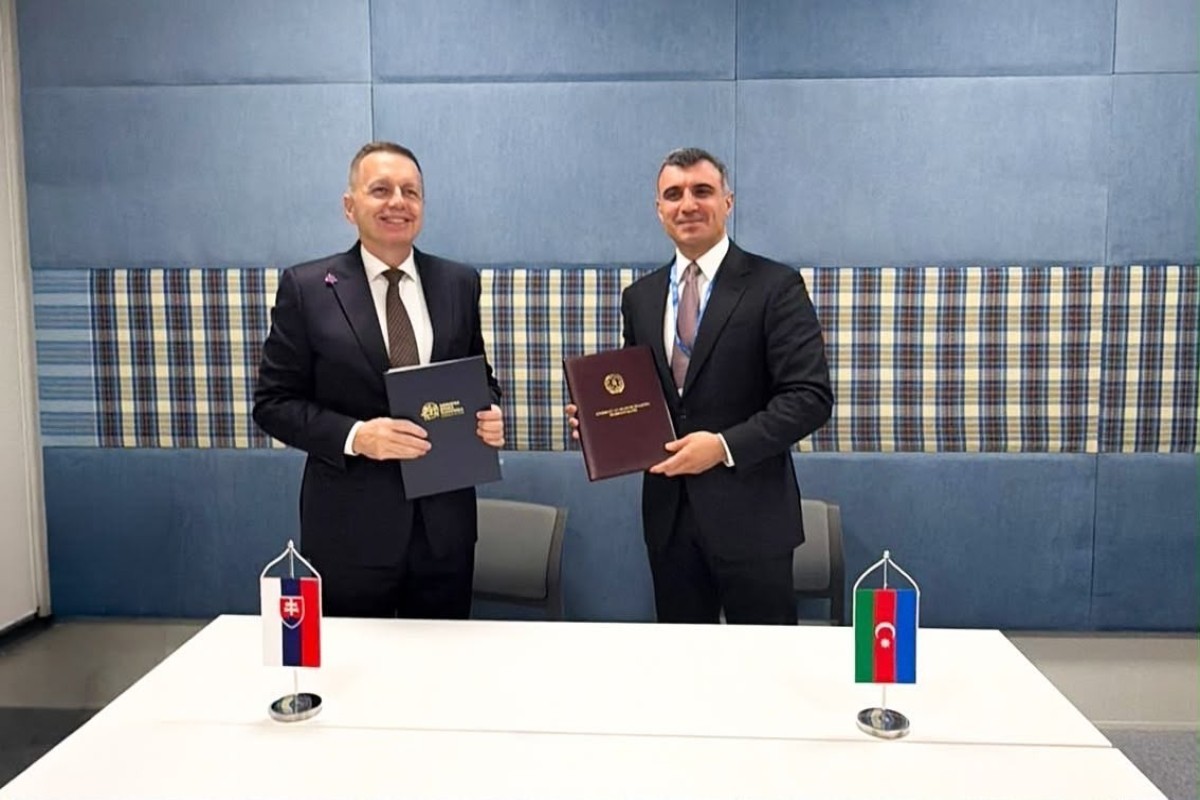
CBA and National Bank of Slovakia sign MoU
17:01
 19 October 2026

Fitch Ratings CEO: Azerbaijan's financial resources support stability of manat exchange rate - INTERVIEW
16:09
19 October 2026
World Bank to increase funding for Baku to $500 million
10:48
19 October 2026
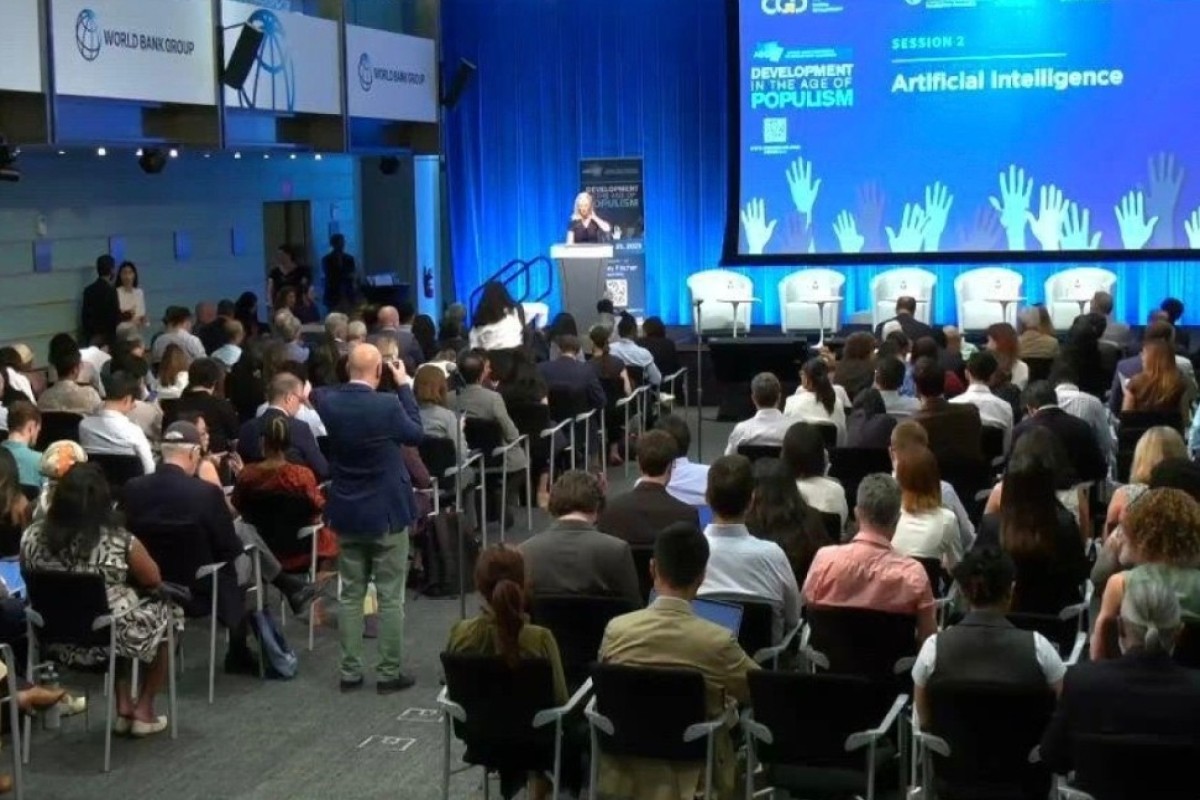
World Bank says AI could transform developing economies
18:39
18 October 2026

NEWS FEED
At least nine people have died in mine collapse in Colombia
02:19
20 October 2026
Shooting occurred at mosque in Ohio
02:00
20 October 2026
Trump says he will tighten sanctions against Russia at any moment
01:45
20 October 2026
FT: Protests in France have exposed the authorities' impotence
00:56
20 October 2026
US President says he is open to joining trilateral meeting with Xi, Putin
00:31
20 October 2026
Trump: It's time for Ukraine to put someone in the negotiating chair instead of Zelenskyy
00:18
Audio
20 October 2026
Azerbaijan marks six years since liberation of Zangilan city
00:00
20 October 2026
Pope calls Zelenskyy following talks with Putin, details of discussion emerge
23:38
19 October 2026
Ashgabat hosts concert of State Symphony Orchestra of Turkmenistan
23:19
19 October 2026
Pakistan's top general to visit Tehran on Tuesday - IRGC
23:03
19 October 2026
Leyla Aliyeva watches performance of Turkmen iconic Galkynysh national equestrian group in Arkadag city
22:52
19 October 2026
Leyla Aliyeva visits Children’s Health and Rehabilitation Center in Arkadag city-PHOTO
22:46
19 October 2026
Leyla Aliyeva meets with Oguljahan Atabayeva in Arkadag
22:40
19 October 2026
Uzbekistan, U.S. sign agreements worth $12 bln
22:04
19 October 2026
BFMTV: France imposes curfew on several streets in Paris
21:46
19 October 2026
Houthis claim strikes on Aramco site, Saudi oil field
21:36
19 October 2026
President: We did not stoop to the level of the barbarians and child-killers who caused so much suffering for our people
21:10
19 October 2026
Iranian president holds meeting with Russian foreign minister
21:00
19 October 2026
SWISS flight aircraft en route Zurich-Shanghai made emergency landing in Baku
20:45
19 October 2026
Russia, Iran discuss cooperation between Tehran and EAEU
20:21
19 October 2026
US court issues arrest warrant for former Cuban leader Raul Castro
19:51
19 October 2026
Russian strike on park in Kharkiv region kills six - UPDATED
19:37
19 October 2026
13-year-old boy suspected of stabbing teacher and pupil in Romania after TikTok posts
19:24
19 October 2026
Azerbaijan and UAE Air Force Commanders meet - PHOTO
19:13
19 October 2026
Five cases of mpox confirmed in St. Petersburg
18:56
19 October 2026
Ukrainian army strikes Russian radar station and ammunition depots
18:38
19 October 2026
Lavrov: Russia ready to help find solutions to Iran-US conflict
18:29
19 October 2026
Seven people suspected of calling for violent seizure of power in Azerbaijan placed on international wanted list
18:28
19 October 2026
Russia’s Lavrov discusses US war and regional security during Tehran visit
18:22
19 October 2026
Leyla Aliyeva pays visit to Turkmenistan
18:08
19 October 2026
Difficult tactical manoeuvres are performed during “Falcons Meet – 2026” exercise - VIDEO
18:06
19 October 2026
Ukrainian children brought to Azerbaijan visit Gabala and Sheki
18:03
19 October 2026
Azerbaijan-UAE military cooperation is discussed
18:02
19 October 2026
Houthis launch missile strike on military camp in Yemen, killing 53 - UPDATED
18:00
19 October 2026
Araghchi discusses regional and international issues with Lavrov
17:59
19 October 2026
Japanese ambassador to Azerbaijan completes diplomatic mission
17:53
19 October 2026
State Security Service detains organizer of car arson attacks in Masazir abroad
17:38
19 October 2026
Azerbaijan extends deadline for obtaining a construction permit for a solar power plant in Fuzuli
17:14
19 October 2026
Azerbaijan Press Council issues appeal to Turkish media outlets
17:13
19 October 2026
Next Global Assessment of Azerbaijan's National Statistical System underway
17:10
19 October 2026
Azerbaijan expands telecommunications infrastructure in Aghdara
17:09
19 October 2026
CBA and National Bank of Slovakia sign MoU
17:01
19 October 2026
Car exports from Georgia to Azerbaijan decline by 32%
16:46
19 October 2026
Swedish Embassy: Military cooperation between NATO and Azerbaijan is developing
16:42
19 October 2026
Georgia's trade turnover with Azerbaijan exceeds $1 billion this year
16:30
19 October 2026
Iranian and Russian foreign ministers meet in Tehran
16:28
19 October 2026
ANAS to consider removing Ramiz Mehdiyev from full membership - ANAS President
16:20
19 October 2026
Germany summons Iranian envoy over alleged attack plots against pro-Israel figures
16:16
19 October 2026
Azerbaijani citizens purchase 70 apartments in Türkiye last month
16:12
19 October 2026
Fitch Ratings CEO: Azerbaijan's financial resources support stability of manat exchange rate - INTERVIEW
16:09
19 October 2026


