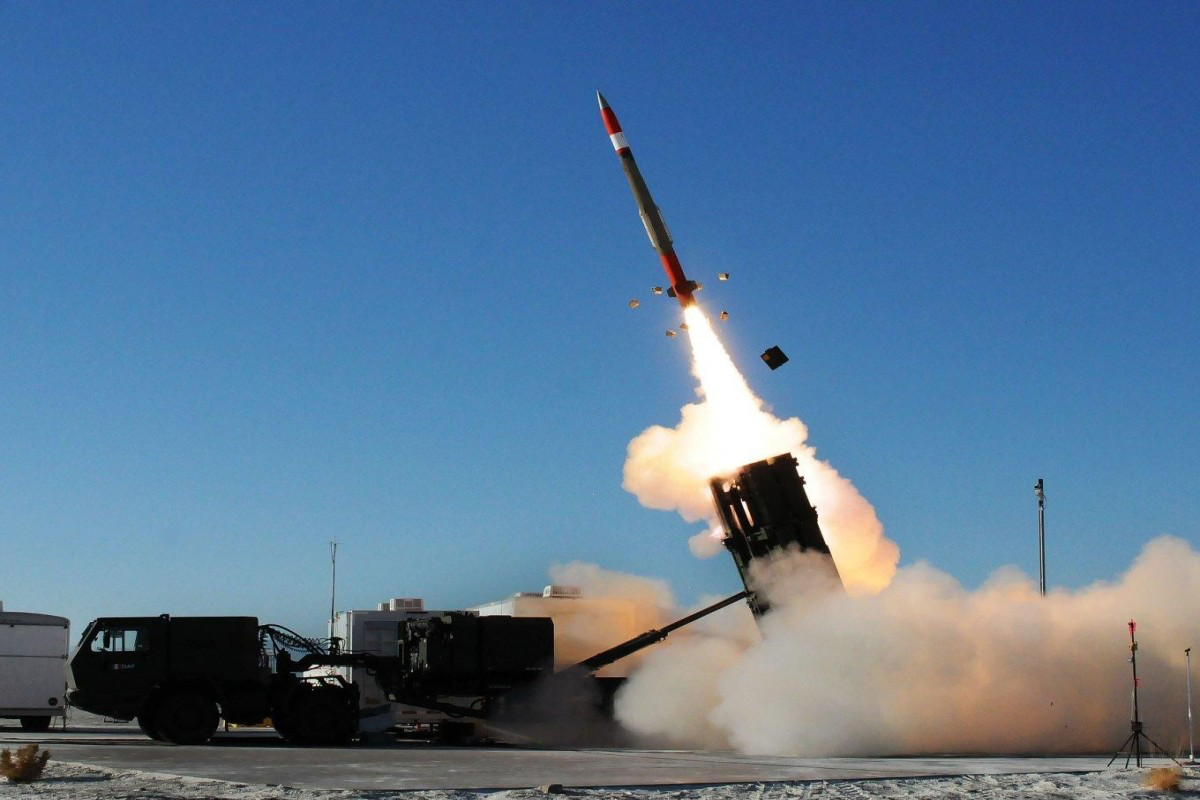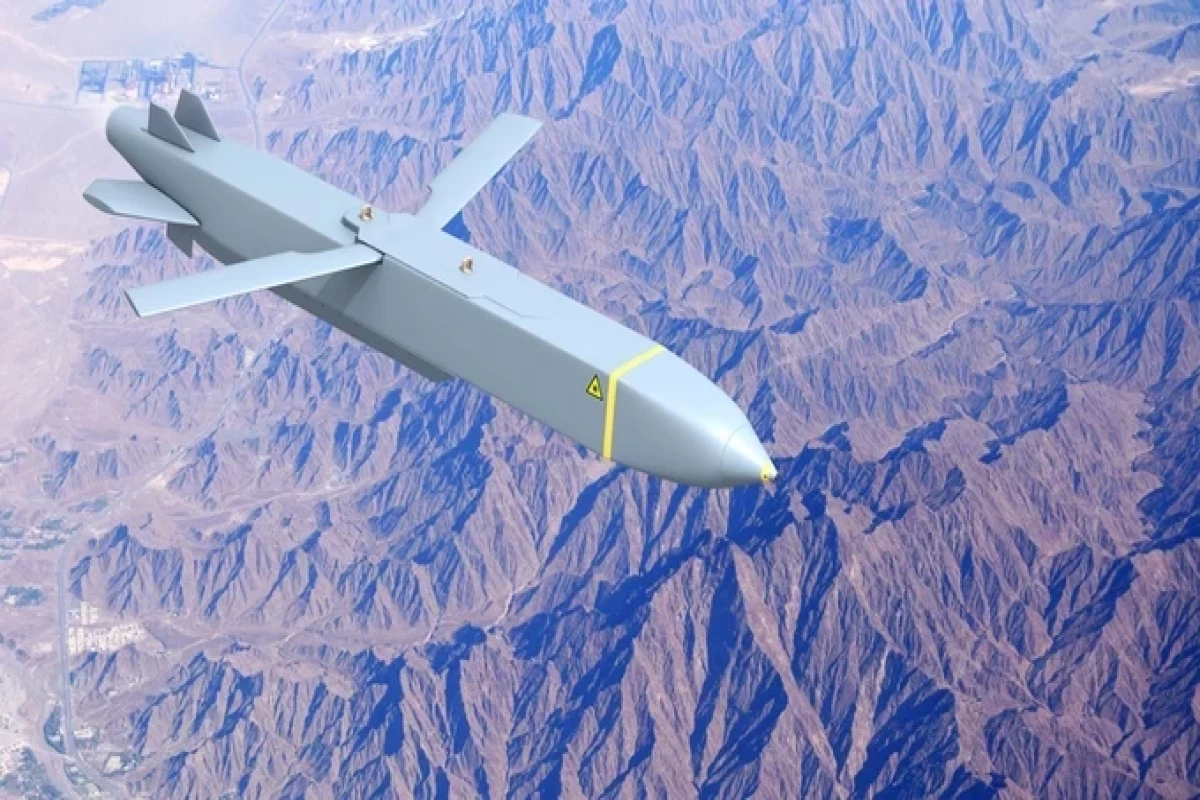



The volume of exports and imports of major types of arms between states increased by 9.2% in 2021-2025 compared to 2016-2020, APA reports.
European countries more than tripled their purchases in this area, becoming the largest recipient region, according to a new report on the state of the global arms trade from the Stockholm International Peace Research Institute (SIPRI).
The total export volume of the world's largest supplier, the United States, increased by 27%, including a 217% increase to Europe. This increase in global arms flows was the most significant since 2011-2015. This was largely due to increased supplies to Ukraine, which accounted for 9.7% of the total volume in 2021-2025, and to other European countries. With the exception of Europe and the Americas, arms imports to all other regions of the world declined, the report notes.
The five largest suppliers of major weapons from 2021 to 2025 were the United States, France, Russia, Germany, and China. The five largest recipients of major weapons during the same period were Ukraine, India, Saudi Arabia, Qatar, and Pakistan.
From 2021 to 2025, European countries accounted for 33% of all arms imports, followed by Asia and Oceania (31%), the Middle East (26%), North and South America (5.6%), and Africa (4.3%). Combined arms imports by the 29 current European NATO member states increased by 143% (the US share was 58%). From 2021 to 2025, more than half of Middle Eastern countries' arms imports came from the US (54%).
USA and EU
From 2021 to 2025, the United States accounted for 42% of all international arms sales. From 2016 to 2020, this figure was 36%. From 2021 to 2025, the United States exported weapons to 99 countries, including 35 in Europe, 18 in North and South America, 17 in Africa, 17 in Asia and Oceania, and 12 in the Middle East. For the first time in two decades, Europe became the largest importer of American weapons (38%), surpassing the Middle East (33%). Saudi Arabia was the largest recipient of American weapons (12%).
"The US has further consolidated its dominance as an arms supplier, even in an increasingly multipolar world," writes Pieter Wezeman, Senior Research Fellow at SIPRI's Arms Transfers Programme. "For importers, US weapons represent advanced capabilities and a way to build good relations with the US, while the US views military exports as a tool of foreign policy and to strengthen its military industry, as the Trump administration's new 'America First' Arms Transfer Strategy demonstrates."
France ranked second in major arms exports in 2021-2025, accounting for 9.8% of global exports. Compared to 2016-2020, French arms exports increased by 21% in 2021-2025. France supplied arms to 63 countries, with the lion's share going to
India (24%), Egypt (11%), and Greece (10%). Arms exports within Europe increased more than fivefold (+452%), but almost 80%, as in previous years, were exported outside the region.
Germany displaced China from fourth place in global arms exports, with a 5.7% share. Ukraine accounted for 24% of this volume, while other Eastern European countries accounted for 17%. Italy's arms exports increased by 157% from 2016-2020 to 2021-2025, placing Italy in sixth place overall. More than half of these (59%) went to the Middle East, 16% to Asia and Oceania, and 13% to Europe.
Russia and China
Russia was the only one of the top 10 arms exporting countries whose arms exports declined (-64%), the report states. Its share of global exports fell from 21% in 2016-2020 to 6.8% in 2021-2025. In 2021-2025, Russia supplied major weapons to 30 states and one non-state actor.
In 2021–2025, almost three-quarters (74%) of Russian military exports went to three countries: India (48%), China (13%), and Belarus (13%).
China accounted for 5.6% of total global arms exports from 2021 to 2025. Exports increased by 11%. The majority of these exports (77%) went to Asia and Oceania, followed by Africa (13%). Although China supplied major arms to 47 countries during this period, 61% of its exports went to just one country: Pakistan.
Middle East
Israel ranked seventh on the list of the largest supplier countries, increasing its share of global exports from 3.1% in 2016-2020 to 4.4% in 2021-2025. "Despite the war in Gaza and attacks on Iran, Lebanon, Qatar, Syria, and Yemen, Israel has still managed to increase its share of global arms exports," notes Zain Hussein, a research fellow at SIPRI's Arms Transfers Program. "The Israeli arms industry is focused on air defense systems, for which there is high global demand, while the Israeli military relies on imports of several key types of equipment."
Moreover, from 2021 to 2025, Israel ranked 14th among the world's arms importers. Its purchases increased by 12% between 2016-2020 and 2021-2025. From 2021 to 2025, the United States (68%) and Germany (31%) accounted for the largest share of Israel's arms imports.
Middle Eastern states' arms imports fell by 13% between 2016-2020 and 2021-2025. In 2021-2025, the region had three major importers: Saudi Arabia (6.8%), Qatar (6.4%), and Kuwait (2.8%). More than half of the weapons supplied to the Middle East came from the United States (54%), Italy (12%), France (11%), and Germany (7.3%).
"The Gulf Arab states are driving arms import trends in the Middle East: Saudi Arabia was the region's largest importer from 2011-2015, and Qatar is now the second-largest after more than doubling its imports between 2016-2020 and 2021-2025," Hussein notes. "Amid a number of regional tensions and conflicts, the Gulf Arab states are seeking to strengthen relationships with long-standing suppliers such as the United States and France, while also seeking new suppliers."


 Follow us on Telegram
 t.me/apanewsaz
 Follow us on Instagram
 Follow us on TikTok
 Follow us on Facebook
 Follow us on X