


In remarks delivered on Monday morning, Erdoğan made a direct link between Sweden's bid to join the NATO military alliance, which his country continues to block, and Turkiye's long-standing candidacy to become a member of the European Union, which has been on an effective standstill since 2018, APA reports citing Euronews.
"Turkiye has been waiting at the door of the European Union for over 50 years now, and almost all of the NATO member countries are now members of the European Union. I am making this call to these countries that have kept Turkiye waiting at the gates of the European Union for more than 50 years," Erdoğan said, according to the Associated Press.
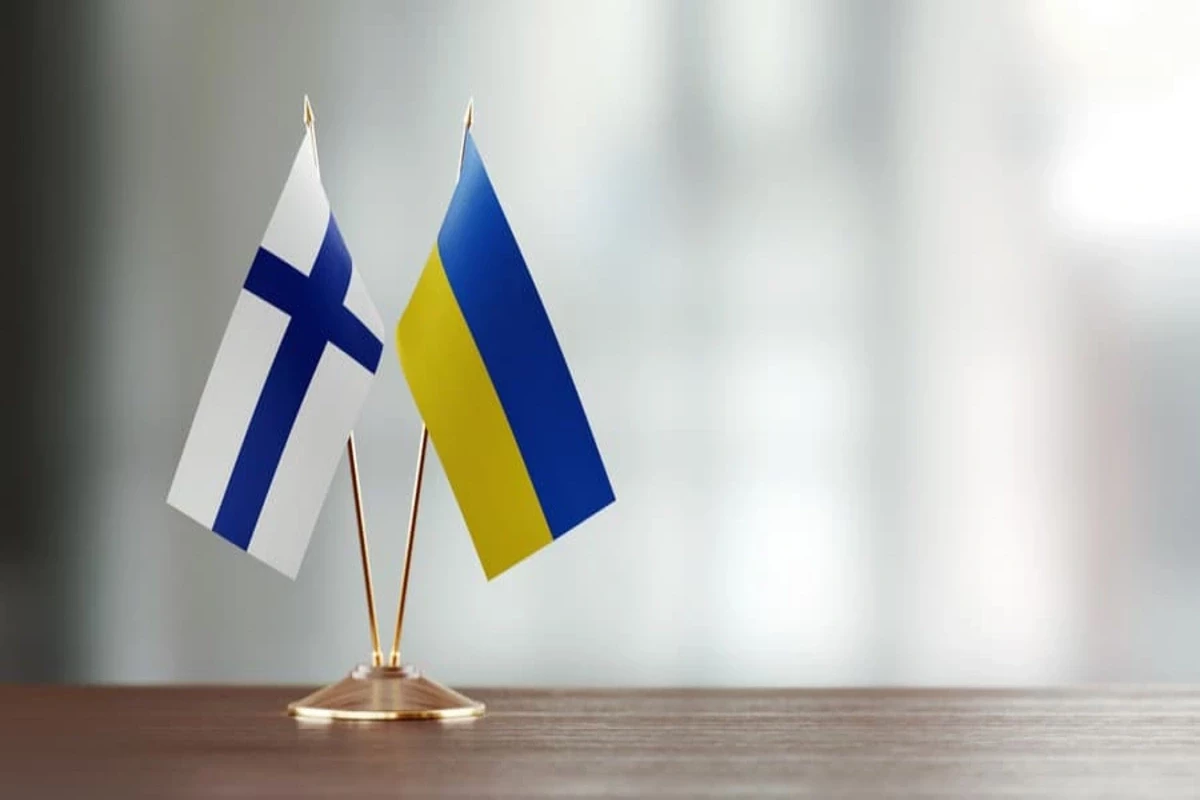
"Come and open the way for Turkeiye's membership in the European Union. When you pave the way for Turkiye, we'll pave the way for Sweden as we did for Finland."
The quid pro quo made instantaneous headlines as it was put forward on the eve of a two-day summit of NATO leaders in Vilnius, Lithuania, where the topic of Sweden's application will be top-priority on the agenda.
"I support Türkiye's ambitions to become a member of the European Union," NATO Secretary General Jens Stoltenberg told reporters in Vilnius, without going into a detailed assessment of Erdoğan's comments.
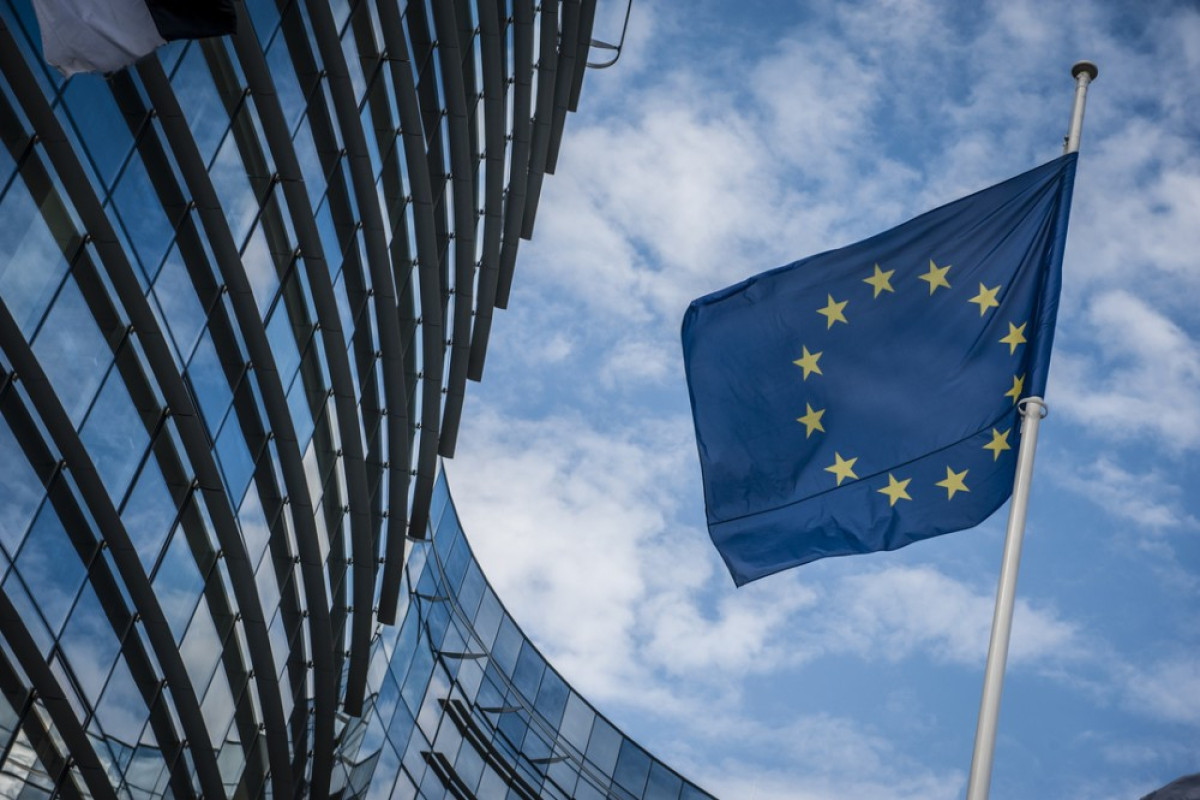
The European Commission was however quick to dispel the notion that EU accession and NATO membership were somehow intertwined, insisting the two processes were "separate" and happening "in parallel."
Although the EU institutions have worked to deepen their cooperation with NATO, whose headquarters are also located in Brussels, they are careful to avoid depicting both organisations as overlapping or complementary in any way, given that three member states – Ireland, Austria and Malta – defend the principle of neutrality.
"The European Union has a very structured process of enlargement, with a very, very clear set of steps that need to be taken by all candidate countries and even by those that wish to become candidate countries," Dana Spinant, deputy chief spokesperson of the European Commission, said on Monday afternoon.
"You cannot link the two processes."
Turkiye's ambition to become part of the EU has been a drawn-out, tortuous road, with no shortage of dramatic ups and downs.
The country first applied to join the then-called European Economic Community (EEC) back in 1987 but it was not declared a formal candidate until 1999, much to Ankara's frustration.
The negotiating framework was adopted in 2005 and it came peppered with references to the rule of law, the bloc's "absorption capacity," the importance of "good neighbourly relations" and the possible suspension of talks.
In the years that followed, Turkiye, under Erdoğan's leadership, managed to open 15 of the 35 chapters that need to be completed in the enlargement process, which is notoriously intricate and laborious.
Only one chapter – science and research – has been successfully closed.


 Follow us on Telegram
 t.me/apanewsaz
 Follow us on Instagram
 Follow us on TikTok
 Follow us on Facebook
 Follow us on X