










Baku – APA. College students are known for their ability to survive on instant noodles, toast and a shoestring budget. But recently, some students in Ireland have gotten particularly desperate, APA reports quoting time.com web-page. "I have heard from students who have lived on biscuits stolen from the chaplaincy in their college for a week, students who have lived in their cars for months," says Hugh Sullivan, education officer at the Union of Students in Ireland, a group that advocates on behalf of more than 250,000 students across the country.
The reason? Over the past 15 years, fees at Irish universities that cover the cost of registration, exams and student services have gone from the equivalent of $240 per student to nearly $2,000. On top of that, the government cut funding to universities by 5% last year, and Sullivan expects another 5% cut this year. "It’s a time of famine," he says, adding that even though students don’t show up in the country’s grim unemployment rate (currently 13.1%), they have become the hidden victim of the recent financial crisis. "The last thing you eat is your seeds."
Europe continues to maintain a relatively low-cost higher-education system compared to the U.S., but Ireland’s struggles are becoming all too familiar in the economic downturn as cash-strapped governments across the continent have made massive cuts in public services and begun to charge for things that were once free. "There is definitely a cause for concern at this point," says Thomas Estermann, head of funding for the European University Association. "On the one hand, we see how important it is to invest in higher education and research to overcome the crisis, but governments that had to bail out their financial sectors have to make cuts somewhere. It’s difficult to balance that."
The most dramatic cuts have come in Eastern Europe, particularly in Latvia, where the government has cut public funding for higher education in half since 2008. Poland, Hungary and Estonia have all cut or plan to make cuts of between 4% and 7%. But it’s not just the east — wealthier European nations are also feeling the bite. This month, Britain announced cuts as high as 14% to some university budgets, while both Italian and Spanish schools face reductions of about 10%. The situation is so bad in Spain that schools extended holiday breaks last year to save money on heating, water and electricity.
Two countries have appeared to weather the storm so far. Germany plans to boost its education budget by more than 9% in 2010, while France is increasing spending on higher education by $2.4 billion this year, a jump of about 5.3% from last year. However, experts caution that budget increases on this scale can’t last in the economic downturn. "If one follows the announcements of the government, it looks as if universities should not suffer so much," says Dr. Paul Flather, head of the Europaeum, a U.K.-based association of 10 European universities. "But in practice, talking to professors and our colleagues there, the picture doesn’t look so healthy."
Taxpayers are becoming increasingly aware of the high cost of France’s higher-education system, which has little selectivity — virtually anyone who wants to study at a university can do so for about $540 per year. The government subsidizes the remaining cost per student, which can be as high as $16,160 per year. An increase in the number of students can also mask the growing unemployment problem in France, according to François Ameli, a professor of international law at Université Paris 1 Panthéon-Sorbonne. "The philosophy of France [on higher education] is a mass sort of thing. We have over 2.2 million students, which is a lot for a country of 60 million," Ameli says. "Universities are also a reservoir before unemployment, so [the government] can avoid putting students into statistics."
Despite the fact that most European economies are officially growing again, the effects of the recession are only just beginning to hit national budgets, Estermann says. Though countries like France might not be willing to make sweeping changes to their education systems yet, incremental changes over the next several years could produce a wholly different picture of education in the future. "The crisis is not over. We will need to wait some time to see what’s really going to happen in some countries," Estermann says. "Even those who do not cut now will come under pressure in the future."
Chronic public-finance problems are forcing countries to consider alternative funding for universities. Britain, for instance, introduced tuition in 1998. Fees to attend state universities are now capped at $4,800, but university officials say government grants barely cover half of what it costs to teach an undergraduate student. In order to remain competitive with the university systems in the U.S., Canada and China, Christopher Patten, the chancellor of Oxford University, told the annual conference of the Independent Schools Council in London last month that British tuition fees must be increased. "I don’t think it is realistic to say that the gap should be closed by the taxpayer," he said. "It is plain that we are going to require higher tuition fees."
Even Sweden and Finland, long defenders of high taxes and socialism for the greater good, have decided to start charging non–European Union students tuition to study in their countries. "There is a huge debate in Sweden now about tuition fees," says Robin Moberg, vice chair of the Swedish National Union of Students. "On the one hand, the government has said foreign students shouldn’t be supported by our taxes, but our argument has been that higher education is fundamentally a part of society."
The funding crisis in European higher education is unlikely to improve anytime soon. "There’s quite a lot of anxiety in the system," Flather says, cautioning that short-term cuts will have long-lasting effects on universities. Undermining these "engines of democracy," he adds, could end up being more costly than people think — not in terms of dollars and cents, but in the future well-being of European societies. "We’re part of the future, we’re part of recovery," he says.


 Follow us on Telegram
 t.me/apanewsaz
 Follow us on Instagram
 Follow us on TikTok
 Follow us on Facebook
 Follow us on X
Europe

French navy has intercepted another Russian 'shadow fleet' tanker, Macron says
 14:51
14:51
 25 June 2026
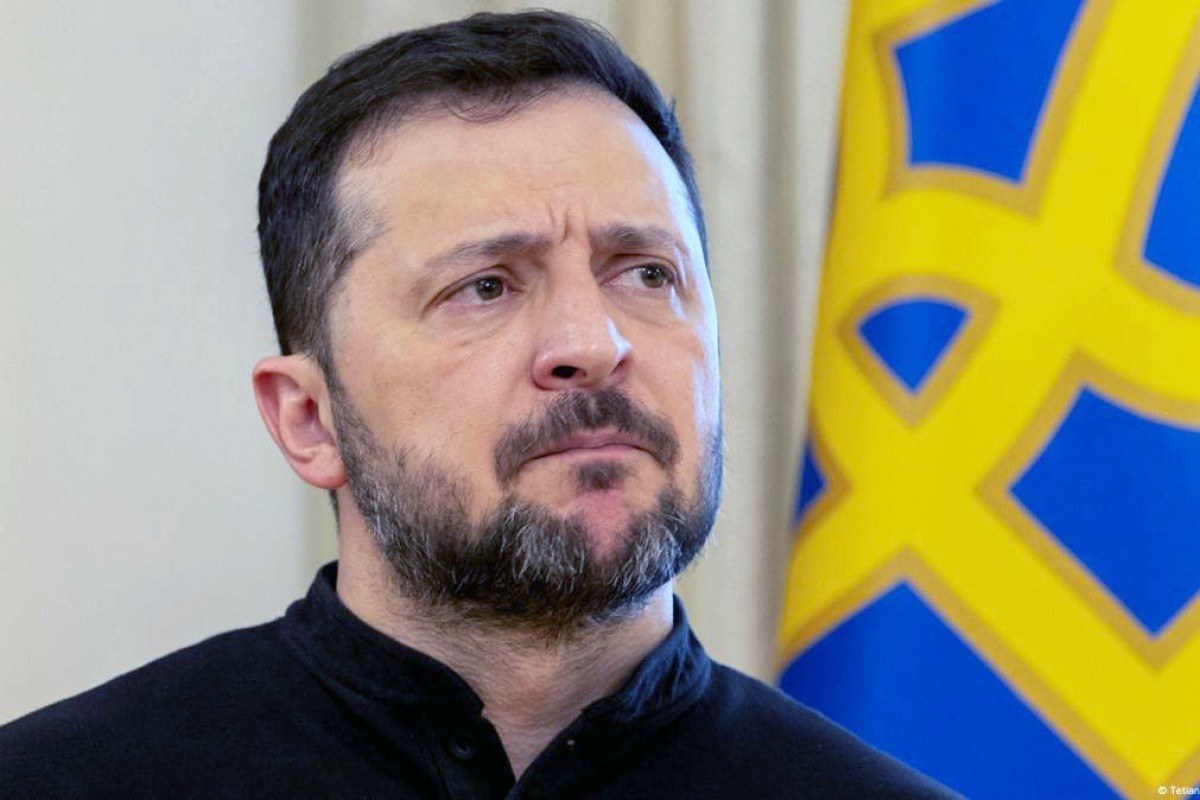
Zelenskyy says Ukrainian forces struck targets up to 1,500 km inside Russia
14:11
25 June 2026
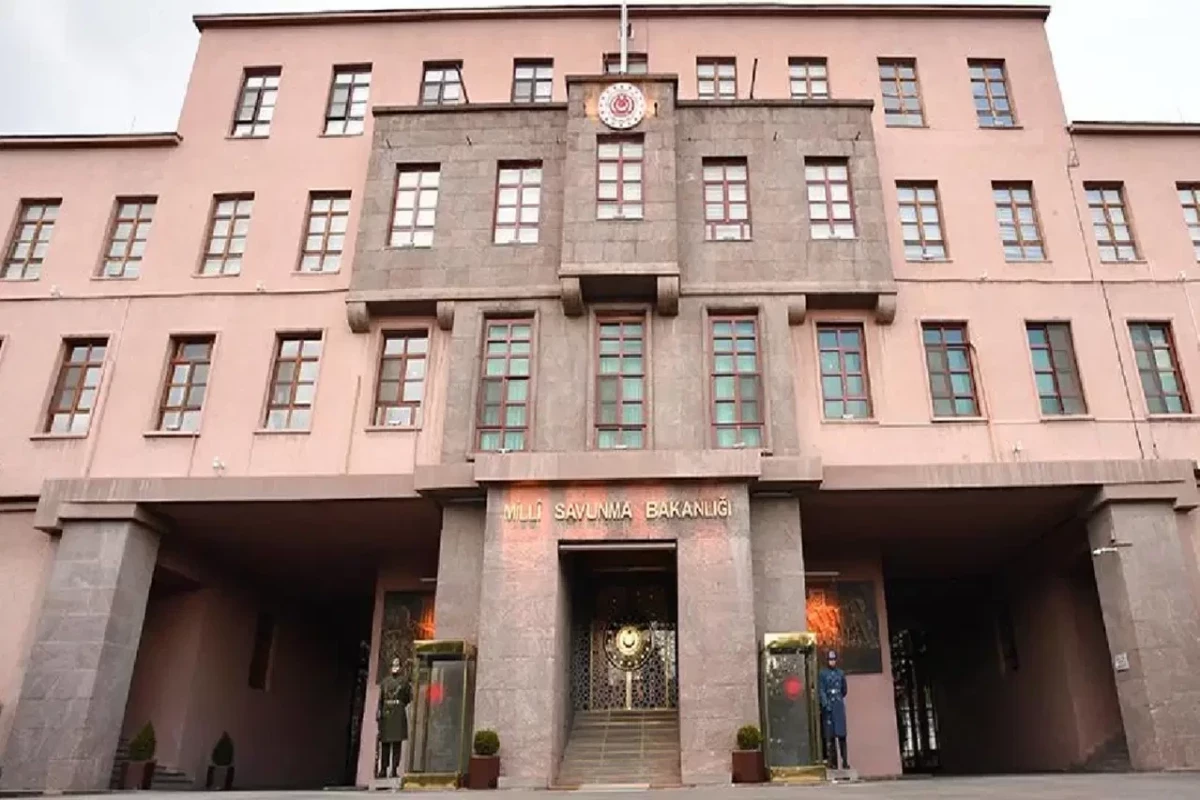
German Patriot air defense system deployed in Türkiye
13:54
25 June 2026
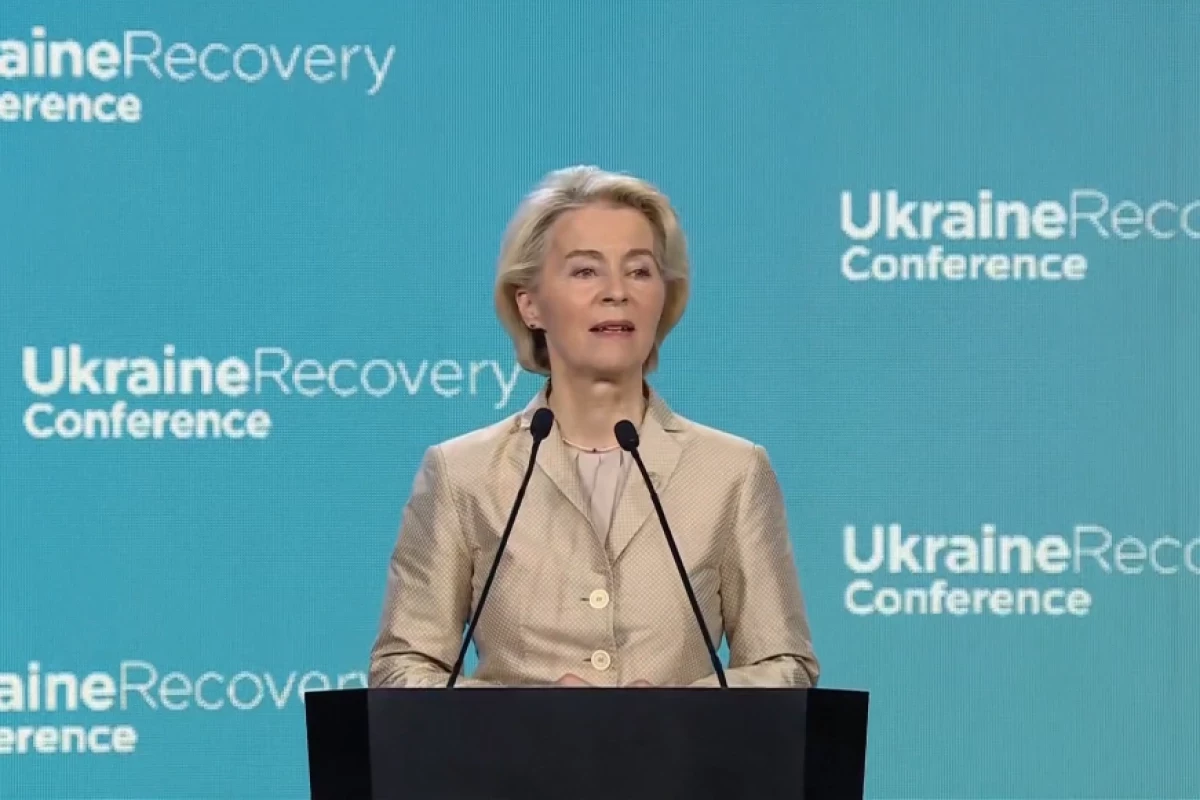
Von der Leyen announces first payment to Ukraine under €90 billion loan
13:37
25 June 2026

NEWS FEED
Telephone conversation held between Azerbaijani, Turkmen Presidents
20:37
25 June 2026
Vice-President of the Heydar Aliyev Foundation Leyla Aliyeva meets with Head of the Vatican Apostolic Library and Apostolic Archive
20:14
25 June 2026
Ziya Öztürkler praises Azerbaijan's continued support for the TRNC
19:50
25 June 2026
Apple says removal of VK apps from App Store is due to sanctions compliance
19:34
25 June 2026
Ruben Rubinyan elected as candidate for Speaker of the National Assembly of Armenia
19:26
25 June 2026
Missile alert declared in Moscow region-UPDATED
19:16
25 June 2026
Hikmat Hajiyev discusses Azerbaijan–NATO partnership with Secretary General's Special Representative
18:59
25 June 2026
Armenian Prosecutor General's Office petitions CEC to authorize criminal prosecution of Gagik Tsarukyan
18:55
25 June 2026
Venezuela's foreign minister thanks Azerbaijan for solidarity following earthquake
18:16
25 June 2026
Azerbaijan and Kazakhstan agree on full transition to electronic permit system
18:10
25 June 2026
Rubio believes no final agreements reached in Anchorage
18:10
25 June 2026
US, Iran agree in principle to establish direct military communication channel, Vance says
18:09
25 June 2026
Rubio believes no final agreements reached in Anchorage
18:03
25 June 2026
Azerbaijan Army servicemen participate in Anatolian Eagle-2026 International Exercise-VIDEO
18:01
25 June 2026
Leadership of the Ministry of Defense visits Central Clinical Hospital - PHOTO
17:52
25 June 2026
Eight Azerbaijani cities to host military marches marking Armed Forces Day
17:45
25 June 2026
Azerbaijan MFA: Existing opportunities should be used to finalize peace process with Armenia
17:30
25 June 2026
Rubio says Israel, Lebanon close to commitment of intent
17:18
25 June 2026
Lukashenko: Peoples of Belarus, Russia, and Ukraine will be together sooner or later
17:09
25 June 2026
Romanian ambassador leaves Russian Foreign Ministry without comment
17:08
25 June 2026
Rubio: Iran's support for regional proxies should be addressed in memorandum talks
17:07
25 June 2026
Azerbaijan and Ukraine discuss current cooperation agenda
17:06
25 June 2026
Azerbaijan-Israel innovation dialogue held at Shimon Peres Center - PHOTO
17:02
25 June 2026
Iran, Oman stress need for coordination on Strait of Hormuz traffic in foreign minister call
16:44
25 June 2026
Ghalibaf criticizes US over claims regarding Iran's unfrozen assets
16:43
25 June 2026
Iraqi Oil Ministry denies reports of potential OPEC exit, urges output quota reassessment-UPDATED
16:39
25 June 2026
President Ilham Aliyev signs order awarding Defense Ministry servicemen
16:31
25 June 2026
Azerbaijan's President awards fallen servicemen posthumously
16:31
25 June 2026
Military Institute named after Heydar Aliyev holds another graduation ceremony - PHOTO - VIDEO
16:26
25 June 2026
Azerbaijan establishes "Intellectual Customs" information system
16:24
25 June 2026
President Ilham Aliyev awards major general rank to five Defense Ministry servicemen
16:23
25 June 2026
Ashura blood donation campaign concludes in Azerbaijan, 1,269.45 liters of blood collected -PHOTO-UPDATED-1
16:21
25 June 2026
Rubio: No Gulf country supports charging fees for passage through the Strait of Hormuz
16:14
25 June 2026
Hikmat Hajiyev, Macron's adviser review state of Azerbaijan-France relations
16:10
25 June 2026
Azerbaijani cadet awarded Italy's "Sword of Honor"
16:00
25 June 2026
Azerbaijan establishes budget-funded organizations based on several public legal entities - DECREE
16:00
25 June 2026
Defense minister: Azerbaijani Armed Forces are among the strongest militaries in the region
15:56
25 June 2026
US sends search and rescue teams to Venezuela after deadly earthquake
15:55
25 June 2026
Citizens of Kyrgyzstan and Tajikistan graduate with honors from Heydar Aliyev Military Institute
15:53
25 June 2026
More than 90 kg of marijuana found in truck carrying cauliflower from Iran to Russia - PHOTO
15:47
25 June 2026
Azerbaijan's Foreign Minister attends Ukraine Recovery Conference in Poland
15:38
25 June 2026
Azerbaijan joins International Convention on the Control of Harmful Anti-Fouling Systems on Ships
15:25
25 June 2026
Charter of the State Medical Insurance and Expertise Agency approved-DECREE
15:24
25 June 2026
Azercell launches “Əsgərcell” offer on the occasion of 26 June – Armed Forces Day
15:23
25 June 2026
Azerbaijan recalls ambassador to Uzbekistan
15:14
25 June 2026
Financial results of "AzerGold" CJSC and its subsidiaries for year-end 2025 announced
15:14
25 June 2026
Azerbaijani delegation explores advanced pediatric rehabilitation practices in Israel
15:08
25 June 2026
Kremlin urges Russians to switch to Android and "national systems" after VK app removed from App Store
15:06
25 June 2026
Russia says nearly 170,000 Ukrainian drones shot down since war began
14:57
25 June 2026
Kremlin comments on Zelenskyy's statement about Belarusian retransmitters
14:54
25 June 2026


