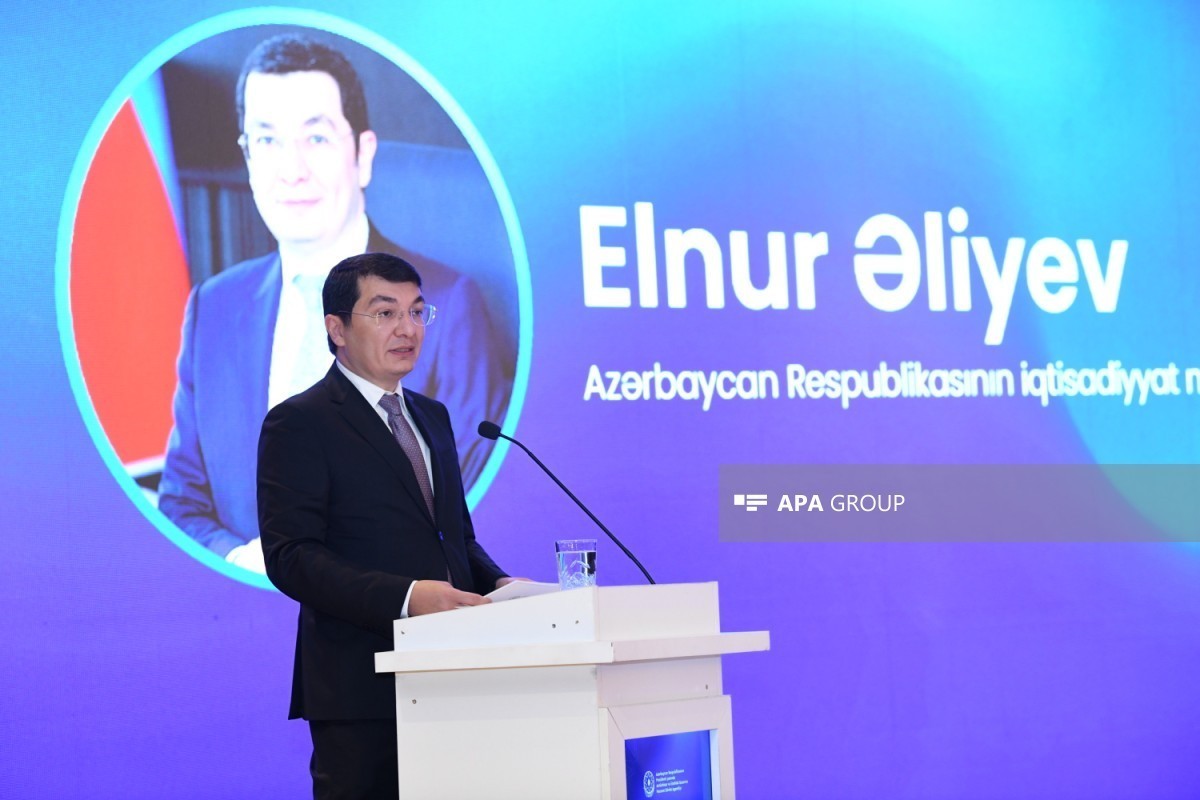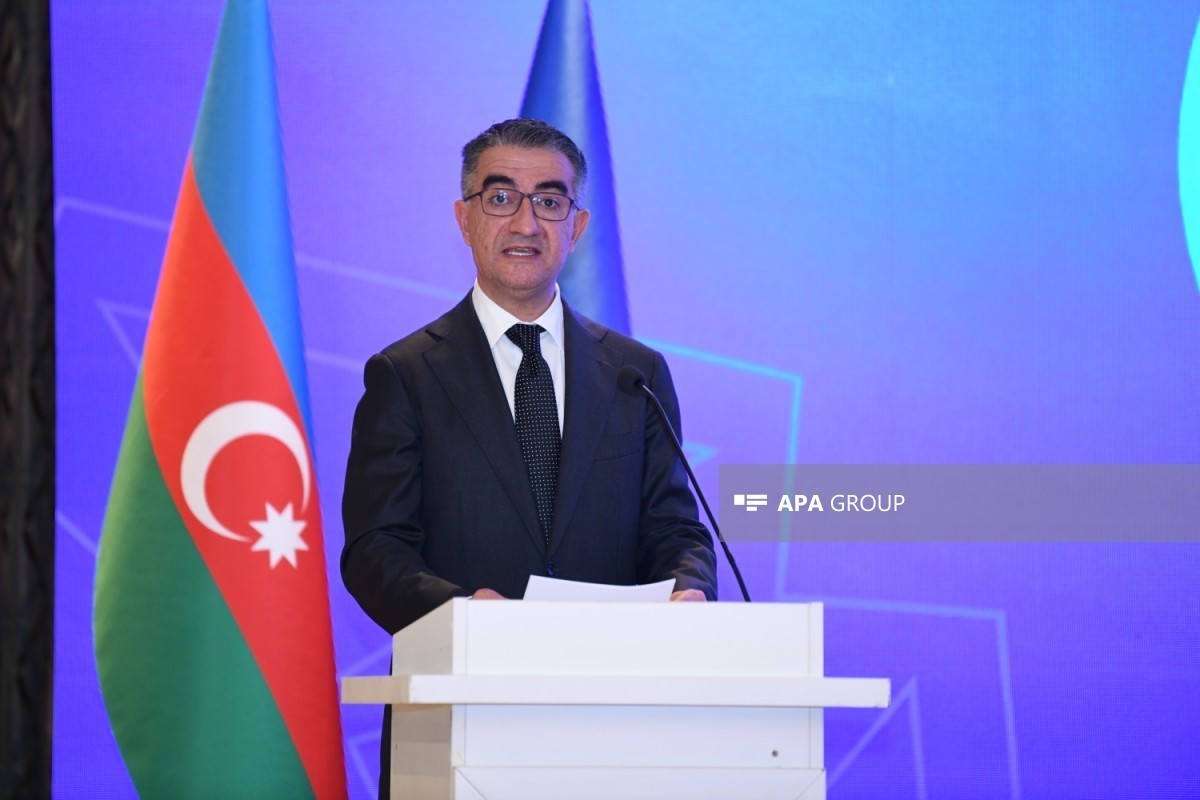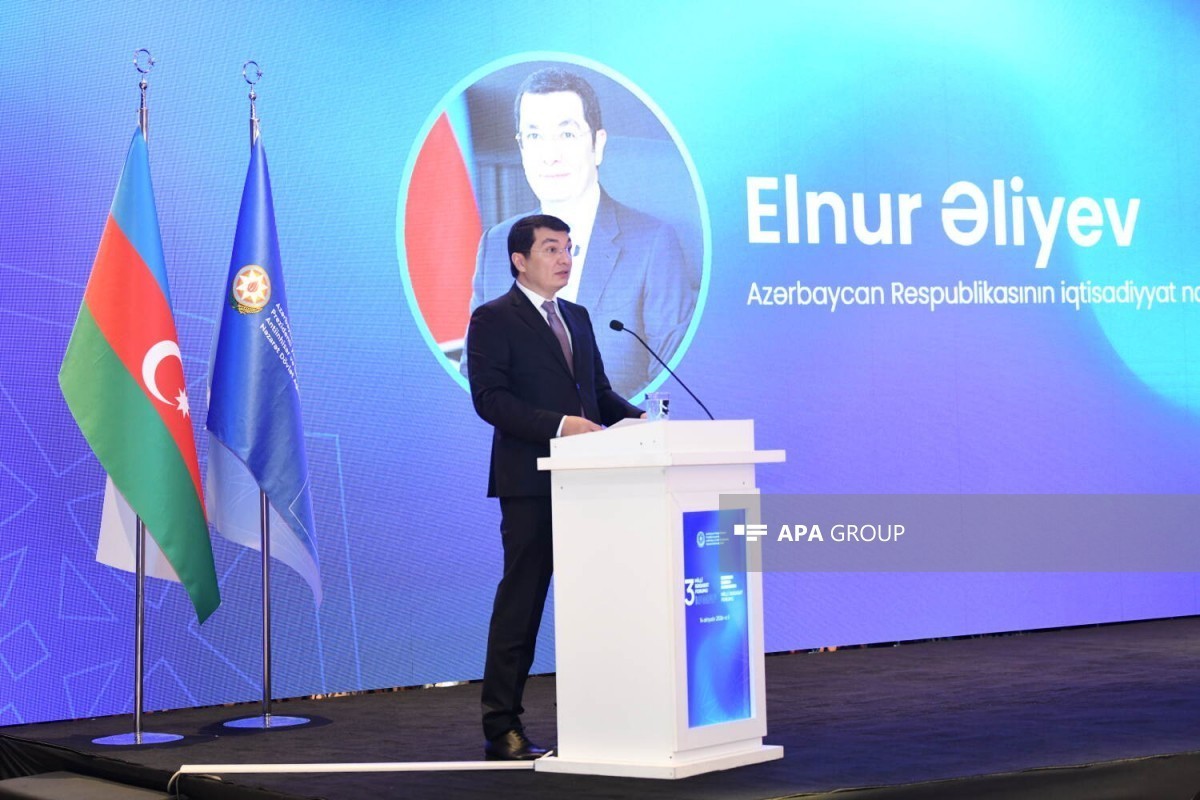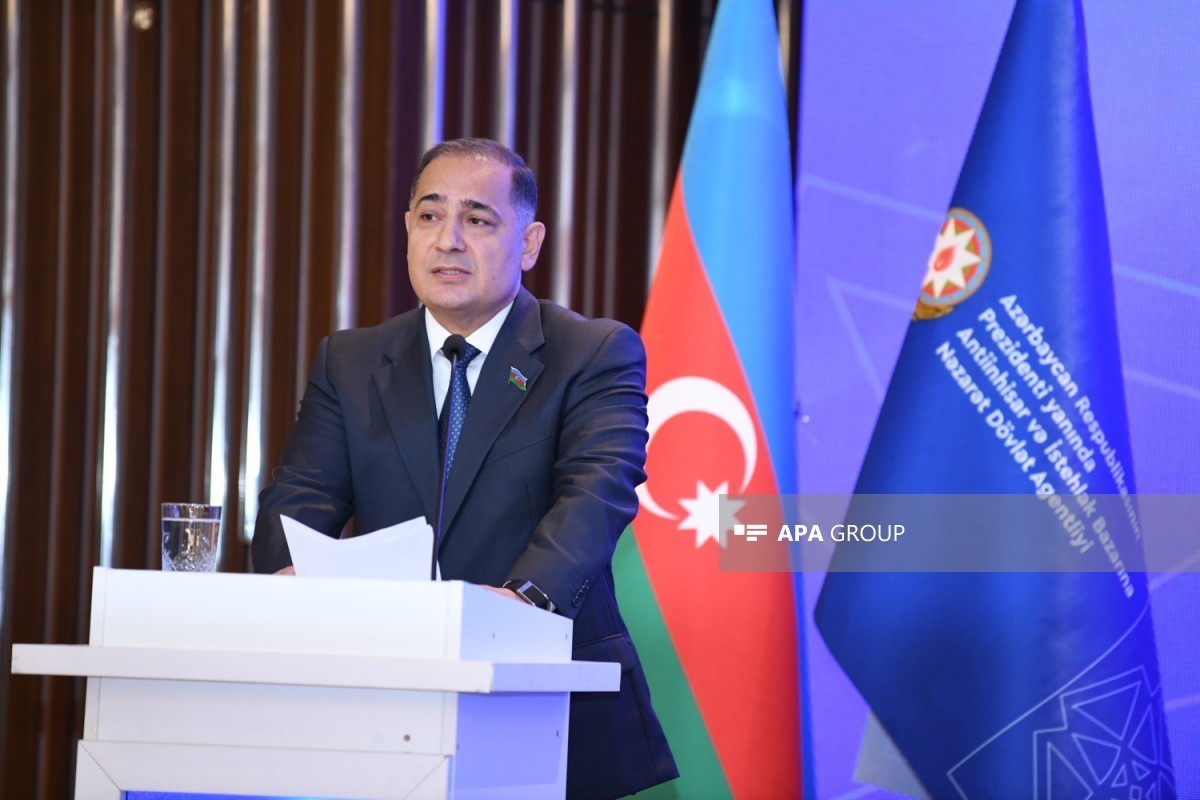









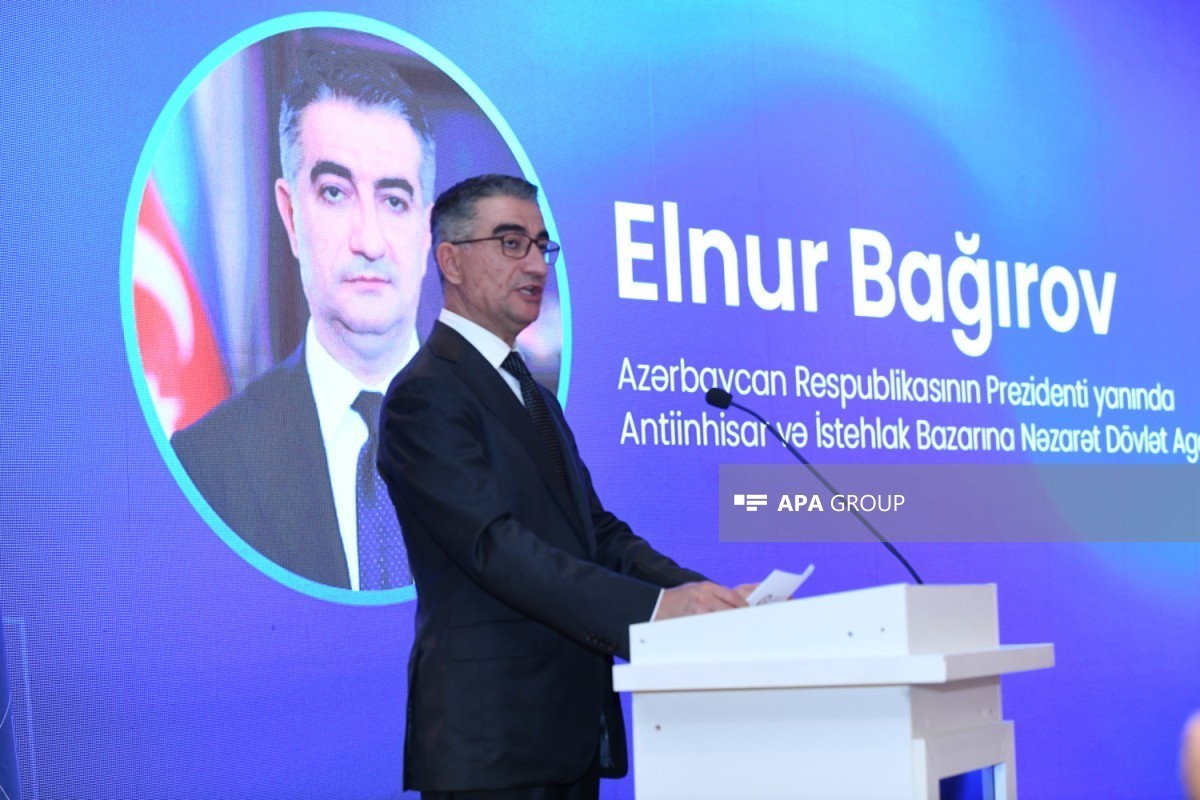


Azerbaijan plans to expand competition opportunities in sectors with high state participation and characteristics of natural monopolies, Elnur Baghirov, Chairman of the State Agency for Antimonopoly and Consumer Market Control, said during his speech at the Third National Competition Forum held in Baku, APA-Economics reports.
According to him, healthy competition creates conditions for more efficient allocation of resources in markets, increased productivity and product quality in enterprises, and the promotion of innovation and new investments.
Baghirov noted that the main objective of the National Action Plan for 2027–2029 on the Development of Competition and Prevention of Monopolistic Activities, approved by an order of the President of Azerbaijan dated September 11, 2026, is to stimulate the growth of private investment by improving the competitive environment and achieve sustainable and competitive economic growth.
The plan envisages developing a system of indicators to assess the level of competition development across the country and its regions, as well as a special competition map. This will help link competition policy to measurable results and data-driven decision-making.
The agency chairman stated that one of the main priorities is to strengthen competitive neutrality in the activities of state-owned enterprises, particularly by expanding competition opportunities in sectors with high state participation and characteristics of natural monopolies.
According to him, in natural monopoly sectors covering energy, transport, and other market infrastructure services, carrying out certain activities under monopoly conditions is necessary from an economic and technological perspective. At the same time, areas of activity where competition is possible in these sectors should also be identified.
"The National Action Plan envisages, on the one hand, assessing competitive neutrality in the activities of state-owned enterprises and, on the other hand, identifying activities where competition is possible and exploring opportunities for a gradual transition to a competitive market model," Baghirov emphasized.
He added that the goal is to establish a balance between the state's economic activities, market needs, and economic development objectives.
In addition, assessing the impact of licensing and permit procedures, technical requirements, access to infrastructure, and other regulatory requirements on market entry and economic activity is also among the important priorities.


 Follow us on Telegram
 t.me/apanewsaz
 Follow us on Instagram
 Follow us on TikTok
 Follow us on Facebook
 Follow us on X