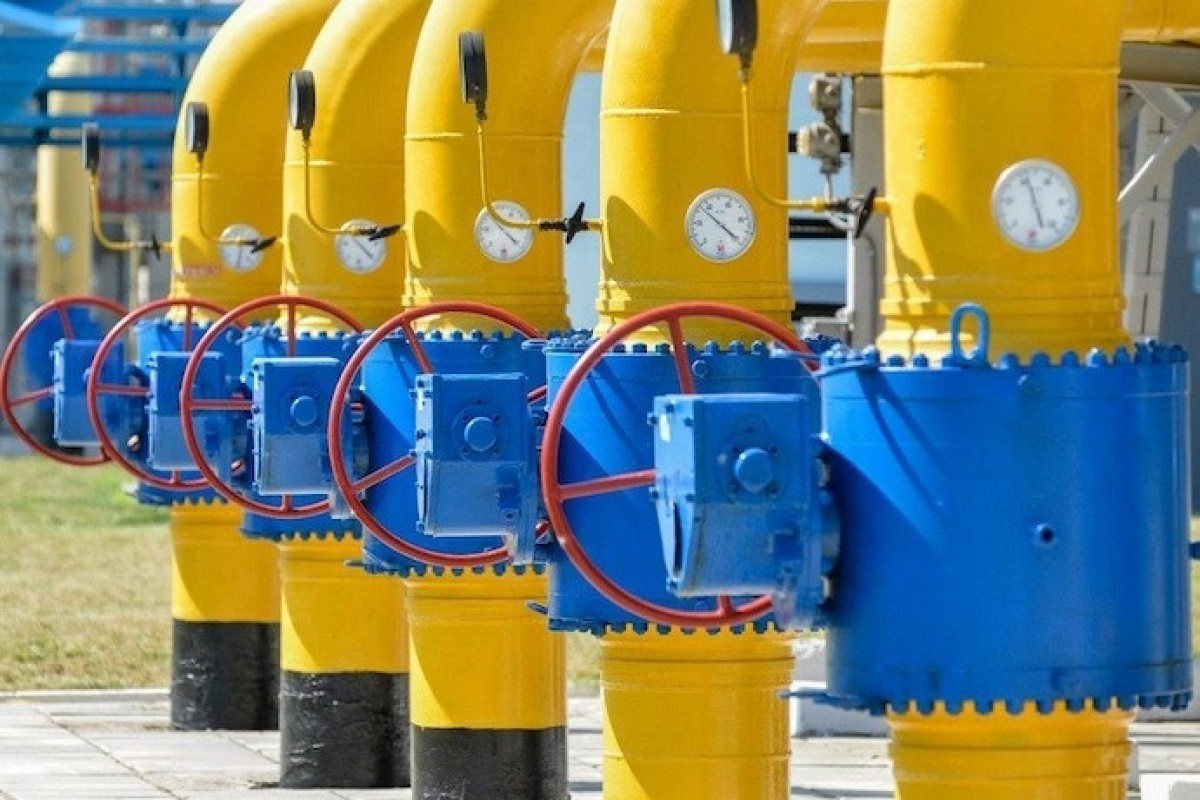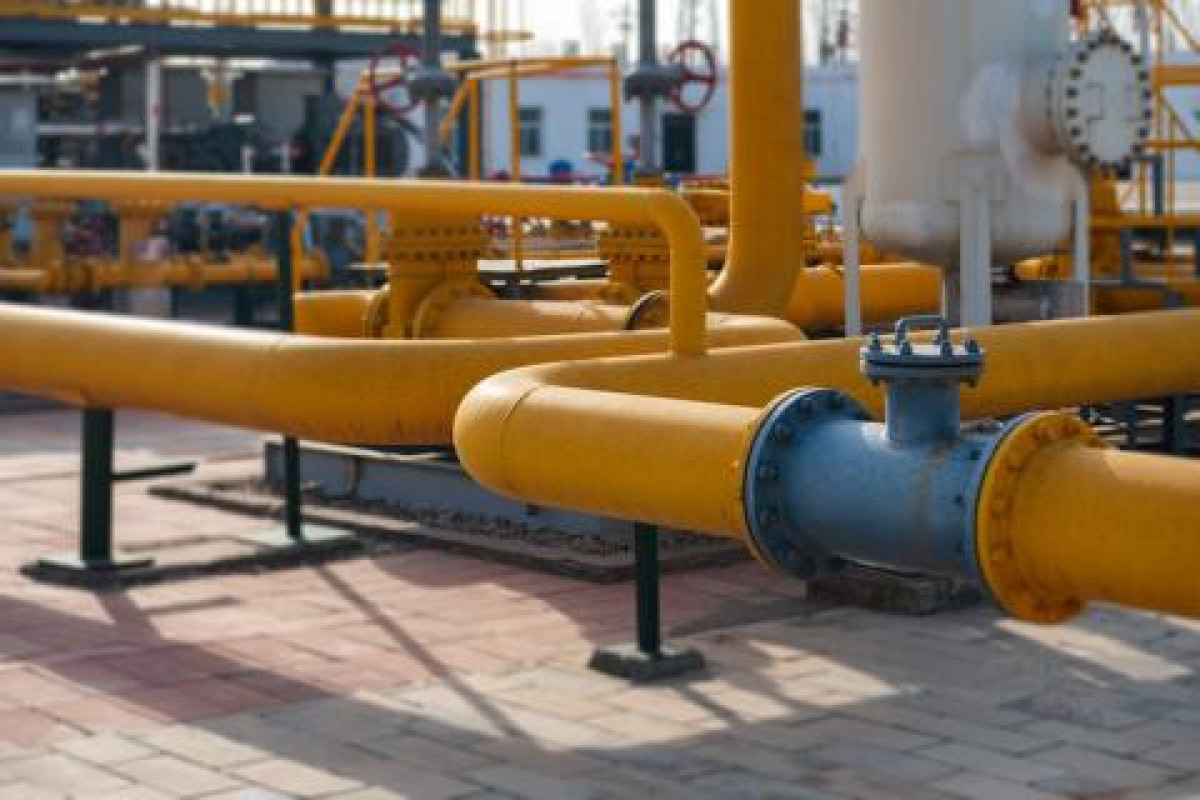


Natural gas prices in Europe continue to march lower as fears of widespread shortages abate, APA-Economics reports citing Fitch.
However, despite natural gas storage levels peaking above 90% capacity, the risk of gas and related power rationing remains high. Market fears of a lack of natural gas supply this winter are easing as demand destruction, and alternative sources of supply close the gap caused by Russia’s reduction of gas exports to the region.
Trade numbers vary based on the data source used, but we estimate Europe’s shortfall in Russian pipeline imports is about 60bcm for 2022. This shortfall has been offset by alternative suppliers (largely LNG, as well as higher pipeline flows from Norway, Azerbaijan, and North Africa) and reduced consumption.
Lower consumption due to high prices combined with record LNG imports has supported the increase in natural gas storage seen over recent months. We estimate, based on year-to-date data available to August, that 2022 will see gas consumption between 25-30bcm lower than 2021.
Should both lower consumption and strong LNG imports remain consistent throughout the peak demand season, November to April, and temperatures fall within the historical averages, Europe should exit this winter in good shape for next year. However, multiple risks remain, including a colder and longer winter than is normal, as well as supply disruptions both from pipeline and LNG imports, which remain key risks to our view.


 Follow us on Telegram
 t.me/apanewsaz
 Follow us on Instagram
 Follow us on TikTok
 Follow us on Facebook
 Follow us on X