












Two congressmen Mark Steven Kirk (Illinois, Co-Chair of Iran Working Group) and Sheila Jackson Lee (Texas) also attended the hearings to acquaint with the opinion of the Azerbaijanis and other ethnics residing in Iran, as well as Kurds, Bahais, Arabs, Belujis. Speaking about the state and problems of South Azerbaijanis Fahta Zamani said 20 million Azerbaijanis were the greatest minorities in Iran.
“They mainly live in the north and north-west of Iran. Azerbaijani is also spoken in north-eastern and central Iran and capital Tehran. All of these people live in the conditions where their social, economic ad political rights have been violated. Beginning from 1920, both during the reign of the Pahlavi dynasty and Islamist regime, the policy pursued by the Iranian government aimed at compulsory assimilation of non-persians and discrimination towards them. After the revolution in 1979, the new regime wiped Azerbaijan’s name off broad parts of Azerbaijani territory dividing Azerbaijan into administrative units (for example, division of Eastern Azerbaijan province into Eastern Azerbaijan and Erdebil provinces in 1993). In fact, the government applied “persianisation†of names not only to the geographical places, but also to the birth certificates, parents were forbidden to give Azerbaijani names to their children.
Ban of the Azerbaijani language makes up the core of the government’s attempts to assimilate Azerbaijani people. The government arrests men and women for having Azerbaijani books, organizing Azeri-language courses to protect their culture and attending festivals. No textbook has been published in Azerbaijani yet. Almost all literature for children is in Persian. Millions of Azerbaijanis have no school to learn to read and write in their mother tongue,†she said.
The human rights defender said the government attempted to strangle Azerbaijanis’ human rights and freedom of expression in the sphere of media and noted that broadcast of the Azeri-language television and radio programs was restricted only to the state-run stations and the news articles had been translated into “fazeriâ€, persianized Azeri. “Fazeri†(like Spanglish) is the mixture of the Persian and Azerbaijani languages. Of course, these two languages differ from each other completely and belong to different language groups. This tactics accelerated cultural and linguistic assimilation of the Azerbaijanis. Those who lead the process consider that finally Azeri will lose its status of independent language and become “dialect†of Persian. The Azerbaijanis are openly insulted on the radio, television and media (the whole media is subordinated to the state in Iran). They are presented as “donkeys†and “cockroaches†and people having no humane features. The Azerbaijanis are regarded as slow-witted persons, as they do not speak Persian, the official language of Iran fluently. This discrimination has been documented, investigated and analyzed by western scientists, such as Doctor Brenda Shaffer, Doctor Alirza Asgarzade and others,†she said.
Ms. Zamani mentioned the caricature published in official newspaper “Iran†on May 12, 2006, which represented Azerbaijanis as cockroaches, and said hundreds of Azerbaijanis held peaceful demonstrations.
“Iranian Revolutionary Guards Corps, Special Troops and Basij troops attacked on the demonstrators. At least 27 were killed, hundreds injured and many became blind because of volleys. It was followed by mass arrests by Iranian intelligence services, hundreds, including teenagers were arrested,†she said.
The human rights defender expressed her discontent with the indifference of western media towards the violation of Azerbaijanis’ rights and underlined that very few were aware of the savageries against Azerbaijanis in Iran.
“International Amnesty Organization, Office of the High Commissioner for Human Rights (OHCHR) and recently the Department of State expressed concern over the security of imprisoned Azerbaijanis and called on the Iranian government to respect the human rights and its international commitments. Azerbaijani activists fight for the natural elementary rights, such as the right to education in mother tongue. On the days important for the history of Azerbaijani nation they are not allowed gathering to commemorate national heroes, Babek, Sattarkhan and Bagirkhan and national leader Pishavari. Azerbaijani human rights defenders are arrested and treated badly in the prisons in Iran. Azerbaijanis religious men, who attempt to raise the issue on the recognition of elementary human rights, have been arrested. Despite little international experience and foreign support, the movement for the national rights is the strongest protest against Iranian regime. The US policy towards Iran targets at Tehran, while the greatest protest against Iranian regime is in the provinces settled by the ethnic minorities. We want support to the Azerbaijanis and other minorities in Iran, they need the attention of the world. They need to know that they do not risk their lives for equal rights in vain. They need hope. International support will inspirit them in their struggle for equal rights. And this means great stability and democracy in Iran and the whole Middle East. Minorities in Iran are the motive forces of the changes which the country needs so much. They are fighting for positive changes in Iran and need every support they can get,†she said.
Full text of Azeri human rights defender’s speech in US Congress hearings on state of ethnic minorities in Iran made public

 24 March 2008 12:17 (UTC +04:00)



 İDMAN XƏBƏR
 Follow us on Telegram
 t.me/apanewsaz
 Follow us on Instagram
 Follow us on TikTok
 Follow us on Facebook
 Follow us on X
Domestic
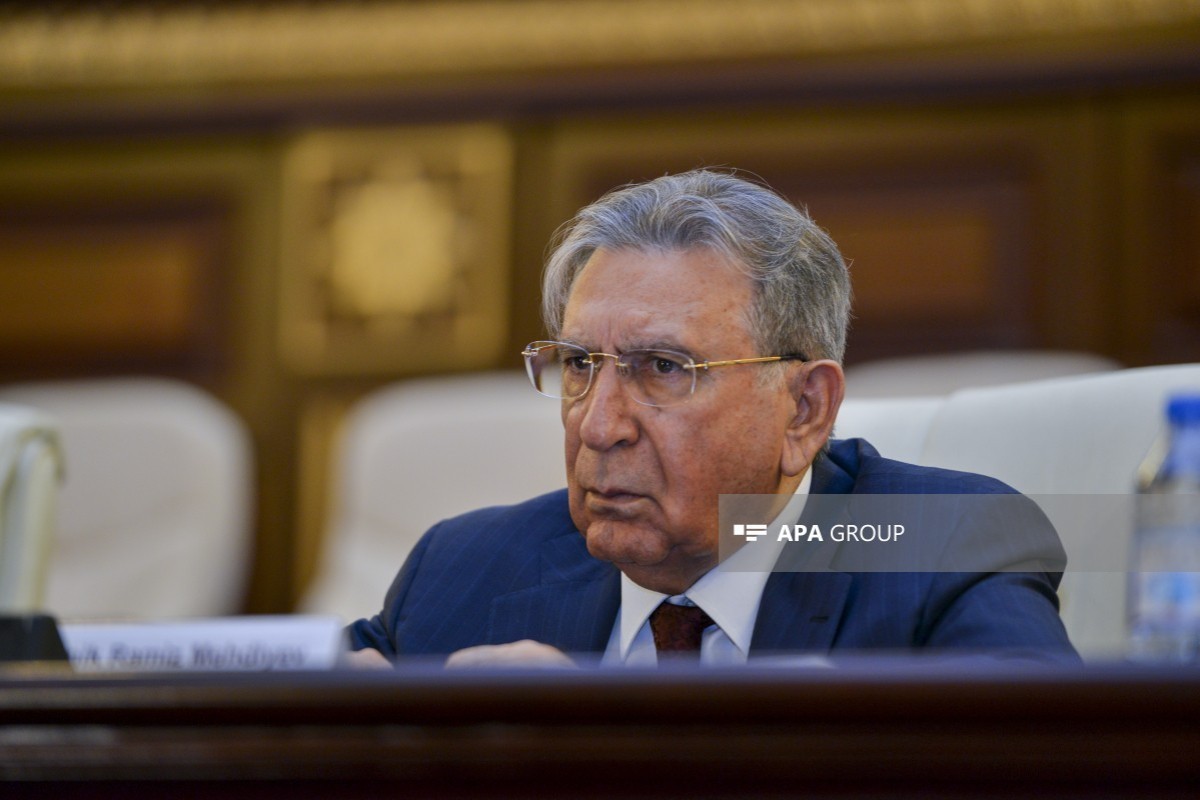
Ramiz Mehdiyev expelled from New Azerbaijan Party, deprivation of his awards proposed - UPDATED-4
01:09
 17 October 2026
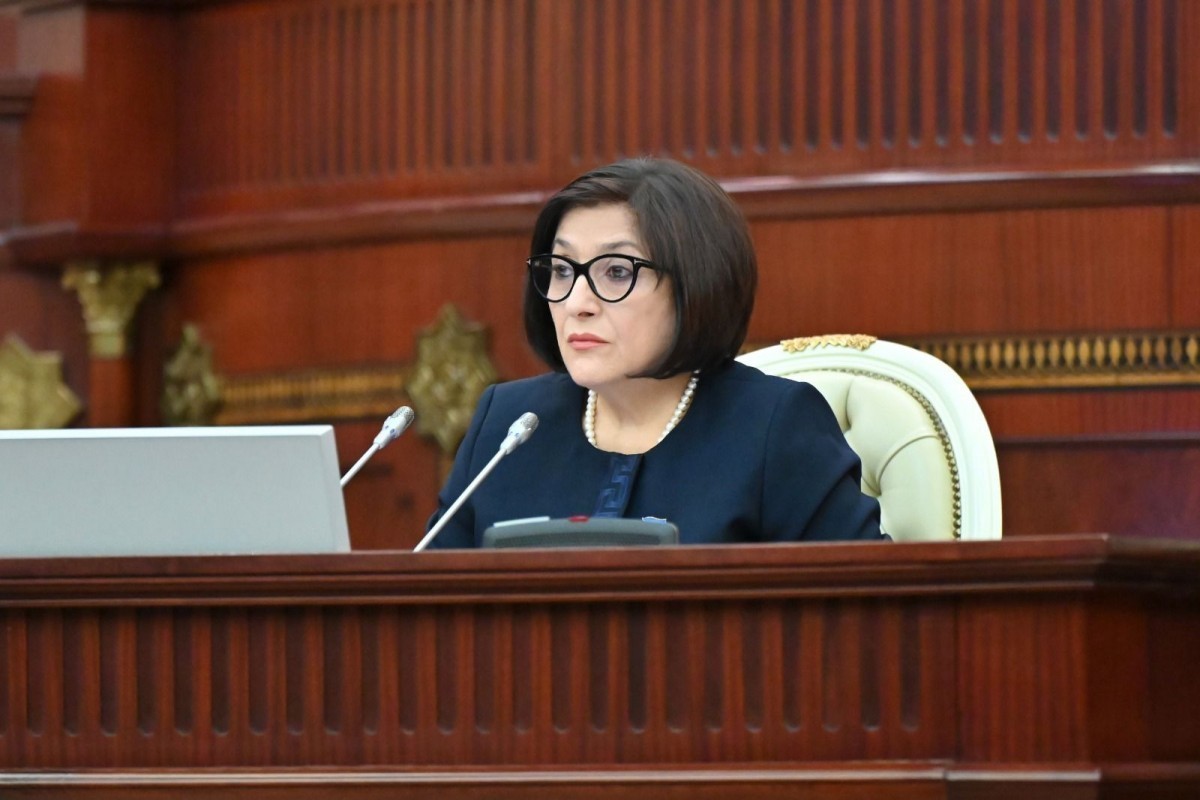
Speaker: Ilham Aliyev’s election as President in 2003 holds special place in country’s history
11:42
16 October 2026
Azerbaijani Parliament sends congratulatory letter to President and First Vice-President on Independence Restoration Day
11:10
16 October 2026
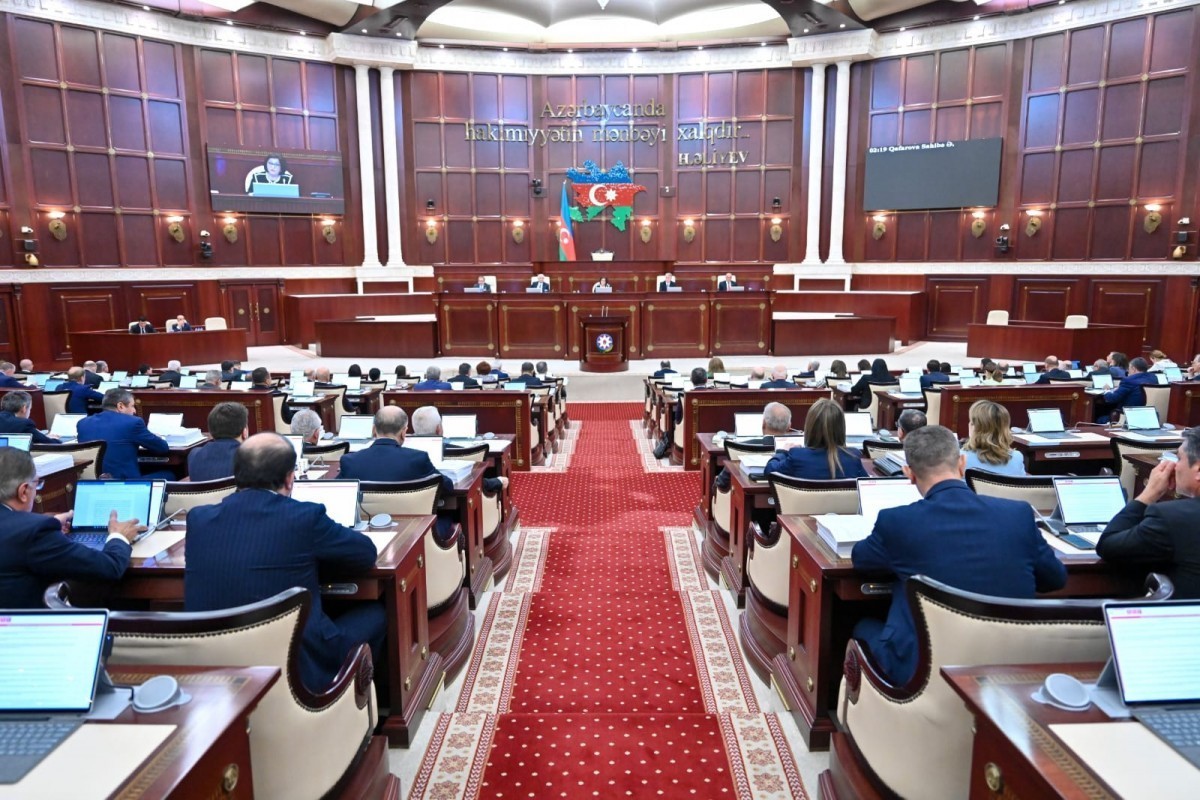
Azerbaijani Parliament begins its next session
11:05
16 October 2026

NEWS FEED
Nearly 2,400 people detained during unrest in France
00:06
19 October 2026
Damage from Italy's protests said to reach €1.6M
23:45
18 October 2026
US threatens EU with devastating response to possible Starlink restrictions
23:27
18 October 2026
Russian FM to visit Tehran on Monday
22:55
18 October 2026
Syria and World Bank have agreed to create fund for restoration of republic
22:22
18 October 2026
Photo exhibition on Armenia's mine warfare against Azerbaijan opens in Rome
21:57
18 October 2026
President Ilham Aliyev’s social media accounts shared weekly summary of his activities
21:32
18 October 2026
Parliament of the Kyrgyz Republic will host the 15th Plenary Session and the Meeting of the Council of Assembly of TURKPA
21:14
18 October 2026
Zelenskyy refutes claims that Russia captured Dobropillia and advanced towards Zaporizhzhia
20:53
18 October 2026
Ukrainian President speaks with Trump envoys
20:27
18 October 2026
More than 2,000 detained in French protests as Macron prepares national address
19:41
18 October 2026
World Bank says AI could transform developing economies
18:39
18 October 2026
Erdoğan congratulates Azerbaijan on Restoration of Independence Day
15:48
18 October 2026
Iran’s new defence minister warns US against fresh attacks
14:07
18 October 2026
OTS Secretary General congratulates Azerbaijan on Restoration of Independence Day
13:22
18 October 2026
Turkish Foreign Ministry congratulates Azerbaijan on Restoration of Independence Day
11:29
18 October 2026
Ukraine currently lacks access to Starshield military communications system — Rubio
10:48
18 October 2026
Lithuanian foreign minister congratulates Azerbaijan on Restoration of Independence Day
09:31
18 October 2026
First VP Mehriban Aliyeva makes post on Restoration of Independence Day
09:01
18 October 2026
Saudi-led coalition says helicopter crash in Najran kills two crew members
08:10
18 October 2026
EU spending on Russian LNG imports rises 9.5%
06:38
18 October 2026
Trump’s decision to delay Russia sanctions draws bipartisan criticism in Congress
05:40
18 October 2026
Man shot and killed inside New York City subway station in Midtown Manhattan: NYPD
01:44
18 October 2026
Moscow mayor says nearly 200 Ukrainian drones destroyed while heading for city
01:23
18 October 2026
Trump accused Biden of handing over huge amount of weapons to Kyiv for free
00:55
18 October 2026
19 people detained for attempting to incident among fans during Qarabag–Neftchi match
00:46
18 October 2026
Azerbaijan marks 6th anniversary of Khudaferin village's liberation
00:00
18 October 2026
Azerbaijan marks 35 years since restoring independence
00:00
18 October 2026
US President expects gasoline prices to fall after the war with Iran ends
23:43
17 October 2026
Macron promised to punish those responsible for violence during protests in France
23:34
17 October 2026
Bayern Munich thrashed Leipzig 6-1 in a German championship match
23:02
17 October 2026
Trump: 'Amazing' Canada deal coming at some point
22:50
17 October 2026
Barcelona thrashed Betis thanks to Rodri's debut goal
22:45
17 October 2026
Iran and Pakistan temporarily suspended border crossings
22:10
17 October 2026
Kenya’s Ebola cases rise to 7, including health workers who cared for the first patient
21:53
17 October 2026
Match between Azerbaijani football clubs Neftchi and Qarabag ends with draw
21:30
17 October 2026
Merz warns of serious political rift in Germany
21:17
17 October 2026
Clashes on Pakistan-Afghanistan border leave fatalities
21:06
17 October 2026
Sounds of explosions heard in southern Iran, near Strait of Hormuz
20:30
17 October 2026
Galatasaray beat Genclerbirligi, Batrakov played the entire match
20:09
17 October 2026
French police clash with protesters as tens of thousands rally over cost of living
19:50
17 October 2026
Former White House press secretary calls working with Trump honor after leaving
19:26
17 October 2026
Pope Leo XIV discharged from hospital - UPDATED
18:35
17 October 2026
Hurricane Trudy threatens western Mexico with heavy rain, coastal flooding
18:25
17 October 2026
Fire destroys over 200 shacks in S. Africa's KwaZulu-Natal
18:09
17 October 2026
At least 10 killed in fire at Bangladesh beach resort
17:41
17 October 2026
Houthis release 159 prisoners affiliated with Yemeni government
17:26
17 October 2026
Tear gas, clashes hit French cities in cost-of-living protests
17:17
17 October 2026
Protest held in Kyiv demanding Klitschko's resignation
16:42
17 October 2026
Iranian FM: We have proposed seven-day plan to US to reopen Strait of Hormuz, choice is theirs
16:35
17 October 2026


