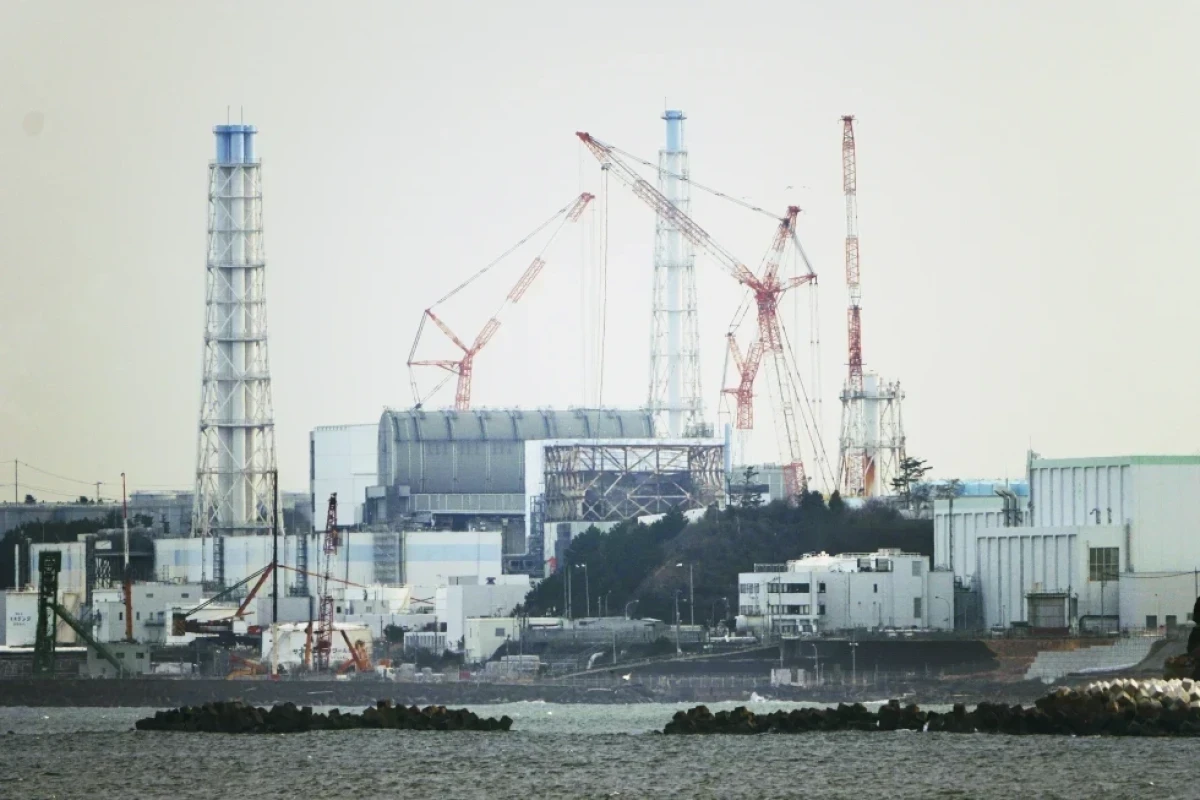


Japan will begin releasing treated radioactive water from Fukushima into the ocean as early as Thursday, officials announced on Tuesday, following months of heightened public anxiety and pushback from many neighboring countries, APA reports citing CNN.
Prime Minister Fumio Kishida said authorities would go forward with the release on August 24 “if they encounter no obstacles.” The decision was made after the government held a cabinet meeting to discuss the issue.
Japan’s devastating 2011 earthquake and tsunami caused water within the Fukushima nuclear plant to be contaminated with highly radioactive material. Since then, new water has been pumped in to cool fuel debris in the reactors, while ground and rainwater have leaked in, creating more radioactive wastewater.
All this wastewater has so far been treated and stored in massive tanks. But space is running out, and authorities say they need to get rid of the water to safely decommission the plant – hence the ocean release plan, which has been controversial from the start.
In July, the United Nations’ International Atomic Energy Agency (IAEA) concluded that Japan’s plan aligns with international safety standards and would have a “negligible radiological impact to people and the environment” – which it reiterated on Tuesday after the government’s announcement, saying the plan had undergone two years of “detailed review.”
But that hasn’t reassured many of Japan’s neighbors, with officials from China and the Pacific Islands voicing alarm and opposition to the plan.
People in South Korea have also staged multiple street protests against the release, though the country’s leaders have expressed support for Japan.


 Follow us on Telegram
 t.me/apanewsaz
 Follow us on Instagram
 Follow us on TikTok
 Follow us on Facebook
 Follow us on X