










Baku-APA. While rising oil prices mean higher budget surpluses for the Gulf Cooperation Council (GCC), they also accelerate the usage of alternative energy means in the West, rivaling the "black gold’s" quasi-monopoly in the car industry.
Ongoing warmongering in Israel against Iran, the civil war in Syria and improving economic data in the United States fuelled a price spark in oil prices that triggered euphoria in Gulf Arab states and despair among European car drivers and global airliners.
On Thursday, oil prices continued to advance above a four-month high. The Dubai Mercantile Exchange (DME) Oman Crude contract gained 1.25 percent to hit 113.48, representing the highest level since early May.
For the six GCC countries, Saudi Arabia, Kuwait, Bahrain, Qatar, United Arab Emirates and Oman, the oil rally seems to be a blessing at a first glance. As of today, the GCC has a share of 70 percent of the world’s oil production. According to the International Monetary Fund (IMF), combined GCC current account surpluses in 2011 were about 315 billion U.S. dollars, almost double that in the year before, whilst this trend is expected to continue in 2012.
However, the GCC will not reap benefits like during previous price increases, as the break-even price for a positive fiscal balance has moved up in 2012 for all GCC countries. "Intensified social demands prompted large jumps in government spending," the IMF said in its assessment of the Middle Eastern economies in the spring this year. Qatar and Bahrain, for example, must earn 20 U.S. dollars more per barrel than in 2010 in order to reach fiscal break-even.
Another danger for Arab oil exporters in the Gulf is the growing desire of Europe and the United States for alternative energy in order to ease pressure from energy prices on car drivers and oil-dependent industries.
Peter Berezin, managing editor at Bank Credit Analyst in Montreal, Canada, said the United States is on the brink of a breakthrough to a wide usage of electric cars. "What is missing is a network to recharge e-vehicles. But the grid is being built up and in 2025 we estimate a global excess supply for oil."
Similar developments towards a replacement of conventional cars by vehicles with electric gear are seen in Germany, France and Switzerland. In Germany, a lively debate about the future of conventional cars has been ongoing since July, when most Germans went in summer holidays and were hit by rising oil prices.
Since 2005, petrol prices in Europe’s largest economy rose 40 percent, currently a liter fuel costs 1.80 euros (2.26 U.S. dollars). Wolfgang Rose, president of the Autoclub Europe, estimates that the price will hit 2 euros (2.51 U.S. dollars) per liter in the next two years.
According to Berezin, any spike in oil prices will dampen oil demand faster than during the price rally in the last decade, and this could put GCC fiscal budgets in limbo.
Oil price rally a two-edged sword for Gulf Arab countries

 23 August 2012 23:56 (UTC +04:00)


 İDMAN XƏBƏR
 Follow us on Telegram
 t.me/apanewsaz
 Follow us on Instagram
 Follow us on TikTok
 Follow us on Facebook
 Follow us on X
Asia
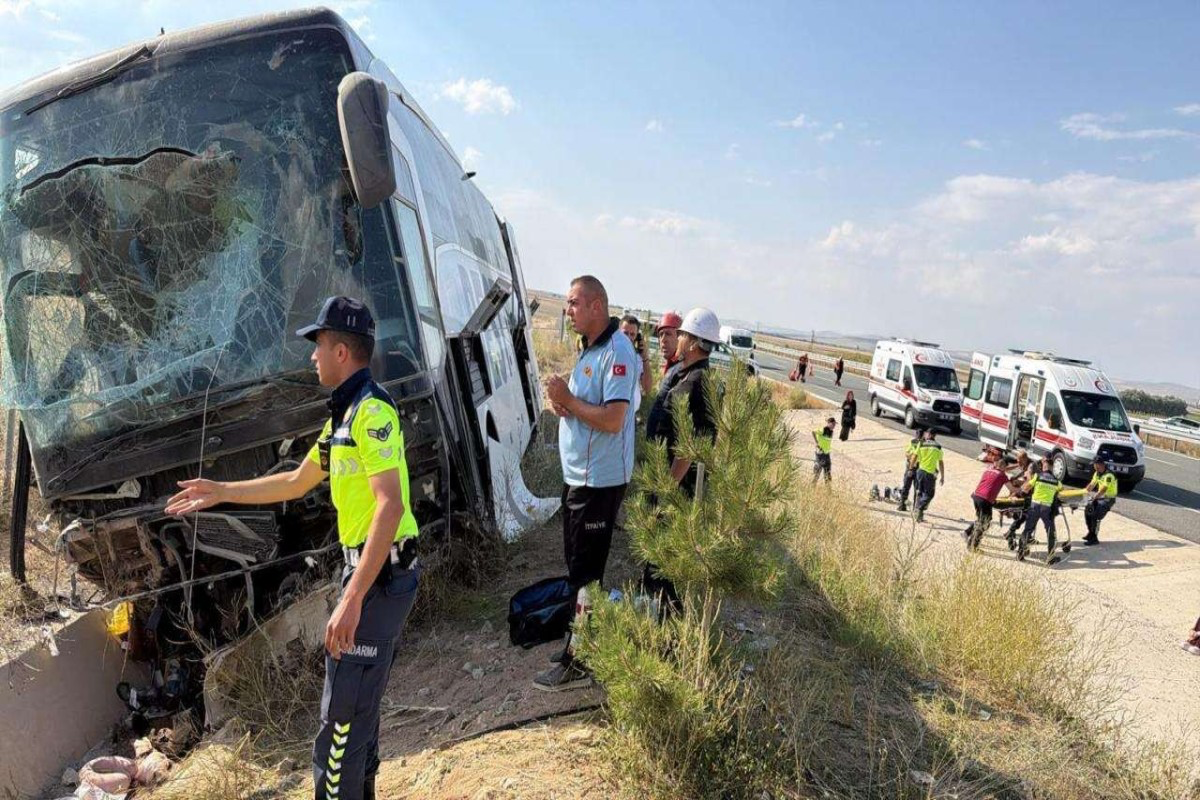
40 people injured in bus accident in Türkiye
22:51
 3 July 2026
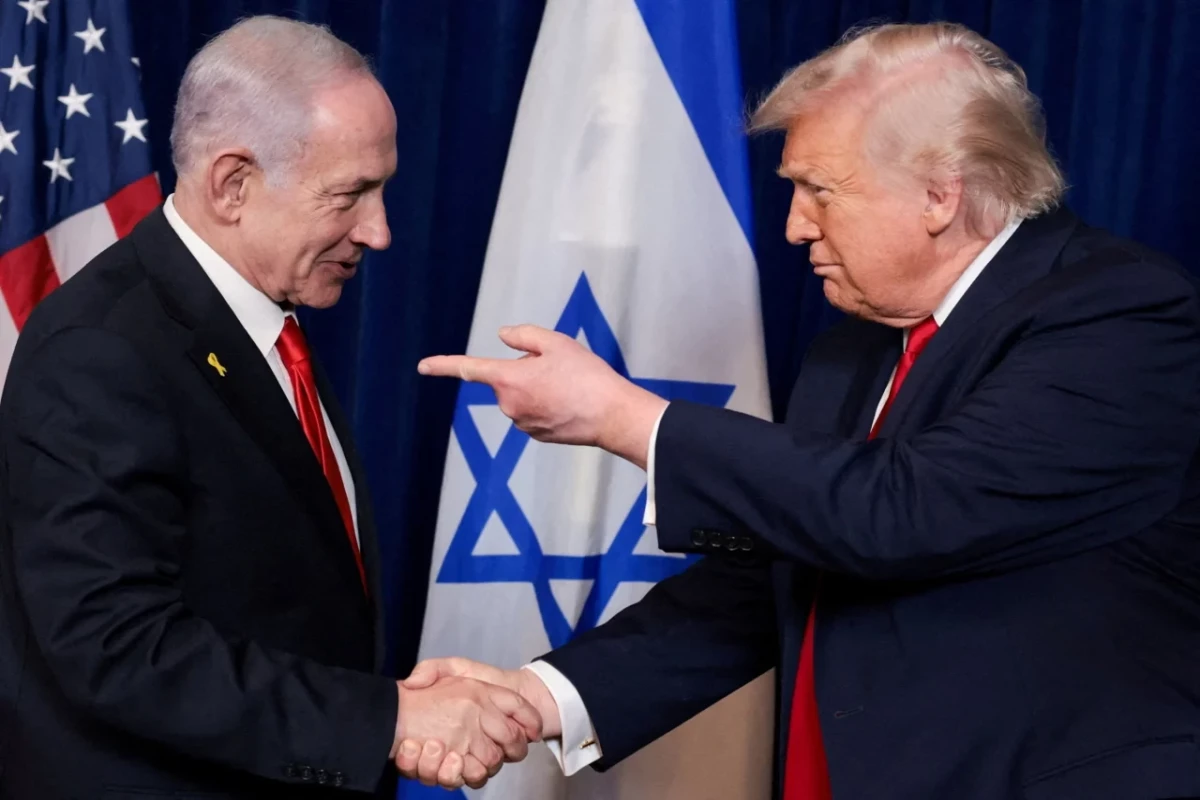
Netanyahu and Trump speak, agree to meet "soon" in the US, Israel says
22:04
3 July 2026
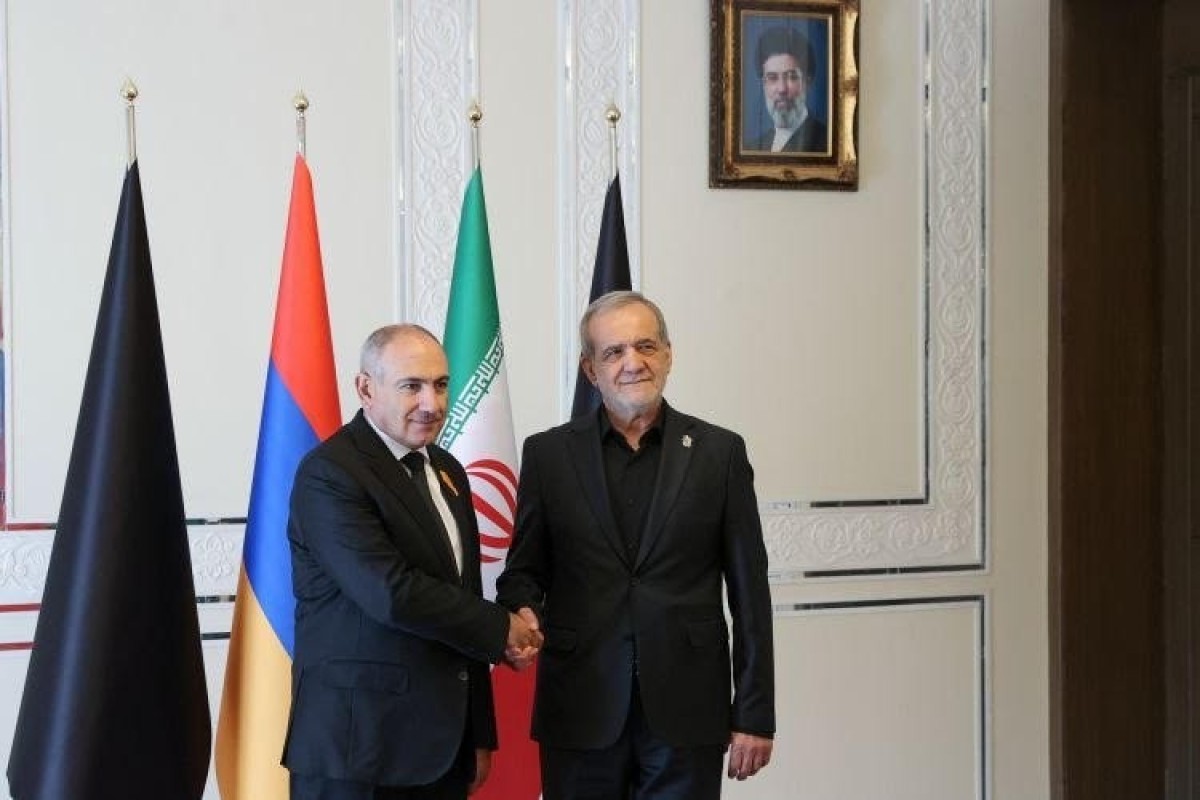
Iranian President Masoud Pezeshkian meets Armenian PM Nikol Pashinyan in Tehran
12:08
3 July 2026
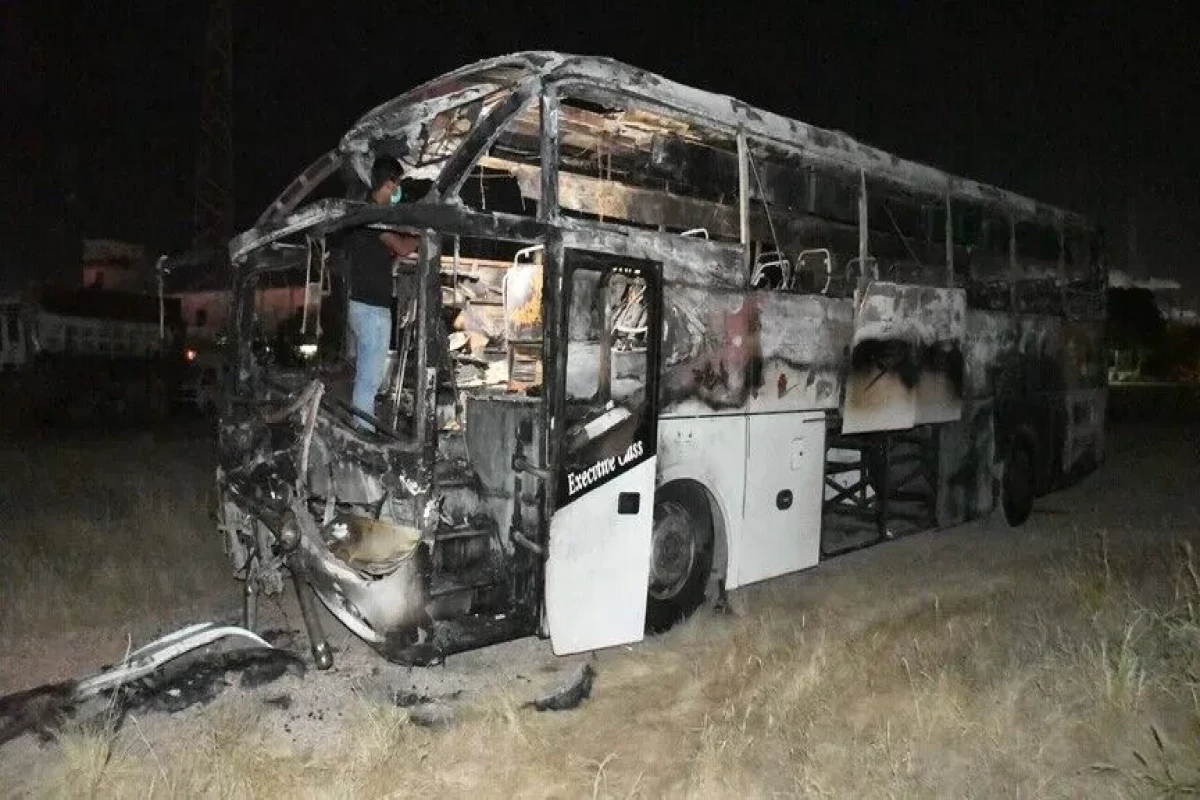
At least 40 killed after bus falls into ravine in Pakistan
11:37
3 July 2026

NEWS FEED
Zelensky urges G7 and US to stop Russian strikes on Ukraine
07:32
4 July 2026
Brazil's Bolsonaro to remain under house arrest
02:13
4 July 2026
France and UK ready to deploy militaries to support transit in Strait of Hormuz
01:45
4 July 2026
Police investigate a shopping mall shooting that left 2 dead in suburban Detroit
01:33
4 July 2026
Death toll of Venezuela earthquakes rises to 2,645
01:17
4 July 2026
Egyptian national team has reached the 1/8 finals of the World Cup
00:57
4 July 2026
Trump pardoned six US citizens convicted under Biden administration
00:45
4 July 2026
Lewis Hamilton eyes British Grand Prix Sprint victory
00:12
4 July 2026
Workers protest Mercedes-Benz cost-cutting
23:45
3 July 2026
Merz: Germany will take on more responsibility in security matters
23:28
3 July 2026
Hungary greenlights another cluster in Ukraine's EU accession talks
23:12
3 July 2026
40 people injured in bus accident in Türkiye
22:51
3 July 2026
Assistant to Azerbaijani President congratulates US on occasion of Independence Day
22:36
Audio
3 July 2026
Remains of Bahadur Kamalov, a martyr of the First Karabakh War, were buried in Kalbajar
22:12
3 July 2026
Netanyahu and Trump speak, agree to meet "soon" in the US, Israel says
22:04
Audio
3 July 2026
Azerbaijan’s Speaker attends farewell ceremony for Ayatollah Seyyed Ali Khamenei in Tehran-PHOTO
19:30
Audio
3 July 2026
Court considers defendants' motions during appeal hearing of Armenian nationals
19:06
Audio
3 July 2026
Missing First Karabakh War martyr Madina Babayeva laid to rest in Kalbajar 33 years later - PHOTO
18:56
3 July 2026
Media: NATO summit to approve €140 billion military aid package for Ukraine
18:45
3 July 2026
ADY discusses expansion of Railway Cooperation with Russia and Iran
18:21
3 July 2026
ICDO Secretary General meets Sudan's foreign minister to discuss humanitarian cooperation
18:18
3 July 2026
In riposte to Trump, Merz says Germany can defend its military spending push
17:48
3 July 2026
Nakhchivan's electricity demand fully met by renewable energy for over two months
17:28
3 July 2026
Armenian parliament approves new voter eligibility requirements
17:25
3 July 2026
Mass graves acknowledgment: ICMP Director-General confirms what Azerbaijan has asserted for years - ANALYSIS
17:25
3 July 2026
European Parliament staff were staying at the hotel in Kyiv that was attacked by Russia
17:20
3 July 2026
Poland's Tusk says Ukraine wants to lower tension, should confront history
17:04
3 July 2026
EU issues sanctions against six people involved in death of Navalny
16:41
3 July 2026
Turkish National Defense University delegation continues its visit to Azerbaijan
16:31
3 July 2026
New York Times: US dissuaded Israel from plot to assassinate Iranian negotiating delegation
16:24
3 July 2026
WSJ: Rubio blocked Hegseth's plan to cut US troop presence in Europe
16:01
3 July 2026
Death toll linked to extreme heat in France rises to 2,025
15:46
3 July 2026
Magnitude 6.2 earthquake strikes off eastern Indonesia: USGS
15:04
3 July 2026
Five killed, 18 injured in reported Ukrainian drone strike on Tokmak market
14:37
3 July 2026
Remains of First Karabakh War missing martyr Moysum Aliyev laid to rest in Fuzuli
14:29
3 July 2026
Azerbaijani delegation arrives in Tehran for Ayatollah Ali Khamenei's farewell ceremony - PHOTO
14:28
Audio
3 July 2026
US withdrew forces from Nigeria after operation against ISIS, AFRICOM chief says
13:47
3 July 2026
Remains of First Karabakh War serviceman Rauf Ahmadov laid to rest in Goranboy - PHOTO
13:24
3 July 2026
TuranBank conducts beach cleanup campaign on the Caspian coast in cooperation with the Ministry of Ecology and Natural Resources
13:11
3 July 2026
Date and agenda of next Milli Majlis session revealed
12:55
3 July 2026
Hikmat Hajiyev meets with economist Jeffrey Sachs in Baku
12:48
3 July 2026
Remains of missing First Karabakh War martyr laid to rest in Ujar - PHOTO
12:42
3 July 2026
At least 3,700 excess deaths reported during heatwave in France, Belgium and Netherlands
12:38
3 July 2026
Ruben Rubinyan says he will step down as Armenia's special envoy to Türkiye if elected parliament speaker
12:16
3 July 2026
Iranian President Masoud Pezeshkian meets Armenian PM Nikol Pashinyan in Tehran
12:08
3 July 2026
SBU has opened a case against Russian Chief of the General Staff Gerasimov
11:59
3 July 2026
14 railcars of wheat shipped from Russia to Armenia via Azerbaijan - PHOTO
11:57
Audio
3 July 2026
Armenian Prime Minister Nikol Pashinyan to visit Yekaterinburg for Innoprom 2026
11:50
3 July 2026
At least 40 killed after bus falls into ravine in Pakistan
11:37
3 July 2026
Volume of gas exported to Türkiye via Baku-Tbilisi-Erzurum pipeline revealed
11:36
3 July 2026


