










Baku-APA. The Syrian civil war has spilled over into Lebanon, bringing with it sectarian street clashes, mob violence and general government paralysis in Beirut, APA reports quoting AFP.
But it was the dramatic arrest earlier this month of a former Lebanese government minister and prominent supporter of Syria’s embattled president that has suggested the conflict may be causing Lebanon to slip further away from Damascus’ long domination.
The bloodshed in Syria has drawn Lebanon deeper into the unrest — a troubling sign for a country that has gone through its own 15-year civil war and has an explosive sectarian mix as well as deep divisions between pro- and anti-Syrian factions, many of which are armed.
The chaos could give Sunni Muslim fighters in northern Lebanon more leeway to establish supply lines to the rebels inside Syria in their battle to oust President Bashar Assad.
Tensions and intermittent fighting in the northern Lebanon city of Tripoli continued Wednesday following two days of clashes between pro- and anti-Assad groups that killed at least six people and wounded more than 70.
Seventeen times bigger than Lebanon and four times more populous, Syria has long had powerful allies here, including the Iran-backed militant Hezbollah group that now dominates the government. For much of the past 30 years, Lebanese have lived under Syrian military and political domination.
That grip began to slip in 2005, when former Prime Minister Rafik Hariri was assassinated in Beirut. Widely accused of involvement— something it has always denied — Syria was forced to withdraw its troops. But the killings of anti-Syrian figures continued and opponents of Assad’s regime say he has maintained his influence through allies who now control the government.
All this made the Aug. 9 arrest of former Information Minister Michel Samaha all the more shocking.
Samaha, one of Syria’s most loyal allies in Lebanon who has long acted as an unofficial media adviser to Assad, was plucked from his bed at dawn by special police forces who burst into his summer mountain home. Within hours, various leaks began emerging that Samaha had confessed to having personally transported explosives in his car from Syria to Lebanon with the purpose of killing Lebanese personalities at the behest of Syria.
Two days later, a military court indicted Samaha, along with Syrian Brig. Gen. Ali Mamlouk, of plotting to carry out terrorist attacks inside Lebanon. Mamlouk, who was appointed last month by Assad to head Syria’s National Security Bureau, was indicted in absentia on charges he furnished the explosives to Samaha.
According to a senior Lebanese police official, Samaha confessed after he was confronted with audio and video footage taken by a double agent using a camera-equipped pen. The official spoke on condition of anonymity in line with government regulations.
The case stunned many in Lebanon, where political assassinations have occurred with impunity for decades. While Syria has been blamed for many of the killings, no one has been held accountable.
Syria’s allies in Lebanon — including Hezbollah — were mostly silent following Samaha’s arrest, apparently believing that the evidence against him was solid.
"I think the policy (in Lebanon) has been shifting away from alliance with Syria," said Ayham Kamel, a Middle East analyst at the Eurasia Group in London. "The Syrian regime has been under intense pressure, so its allies in Lebanon have recalibrated."
Syria’s opponents in Lebanon cited the Samaha case as proof that Damascus was trying to incite sectarian strife in its neighbor to deflect attention from its own problems, and they called for the Syrian ambassador to be expelled.
In unusually bold comments by a Lebanese head of state, President Michel Suleiman said he expected Assad to explain the situation.
"When any relationship with a foreign entity harms Lebanon, we end it. And when the relationship is again in Lebanon’s interest, we reinstate it," Suleiman said in an apparent reference to Syria. His comments were published in the Lebanese media.
Analysts say Suleiman is aiming to be the new face of a more independent Lebanon, taking advantage of a weakened regime in Syria.
Prime Minister Najib Mikati, who heads a government dominated by Hezbollah and pro-Syrian groups, said he isn’t taking sides in the Syria crisis, adopting a policy of "disassociation." Critics say that has led to a general government paralysis in which authorities are afraid to take sides when it comes to Lebanon’s feuding pro- and anti-Syrian camps.
Mikati commended the security operation that resulted in Samaha’s arrest, saying it saved Lebanon from "major disaster."
"The Syrian regime’s allies are shrinking. The Lebanese government, which was ’Made in Syria,’ was among the regime’s last allies, and they seem to be losing even that," said Hadi Hobeish, an anti-Syrian lawmaker.
Syria accuses Sunni groups in Lebanon of trying to establish a supply line to Syrian rebels across Lebanon’s northern frontier, bringing across fighters and weapons.
The Lebanese military has been deployed along the porous border area to try to prevent the smuggling efforts, but if Beirut turns against Damascus, such operations could become easier to carry out.
Even Hezbollah, the Shiite militant group backed by Iran and Syria, has sought to distance itself from the turmoil in Syria. When Shiite clans abducted scores of Syrians in Lebanon last week in retaliation for a kidnapping by Syrian rebels in Damascus, Hezbollah leader Sheik Hassan Nasrallah said the mayhem was out of the group’s control.
Analysts say Assad still has the tools and the allies he needs to stir up trouble in Lebanon.
"I don’t think the Syrian regime has fully lost influence in Lebanon," said Kamel, the Eurasia analyst. "But definitely it has less ability and even willingness to intervene on the same level in Lebanese politics," he added.
Hanin Ghaddar, managing editor of the Lebanon opposition website NOWLebanon, said Lebanon is at a significant crossroads in its relationship with Syria.
"Assad’s aura in Lebanon is fading," Ghaddar wrote last week.


 Follow us on Telegram
 t.me/apanewsaz
 Follow us on Instagram
 Follow us on TikTok
 Follow us on Facebook
 Follow us on X
Asia
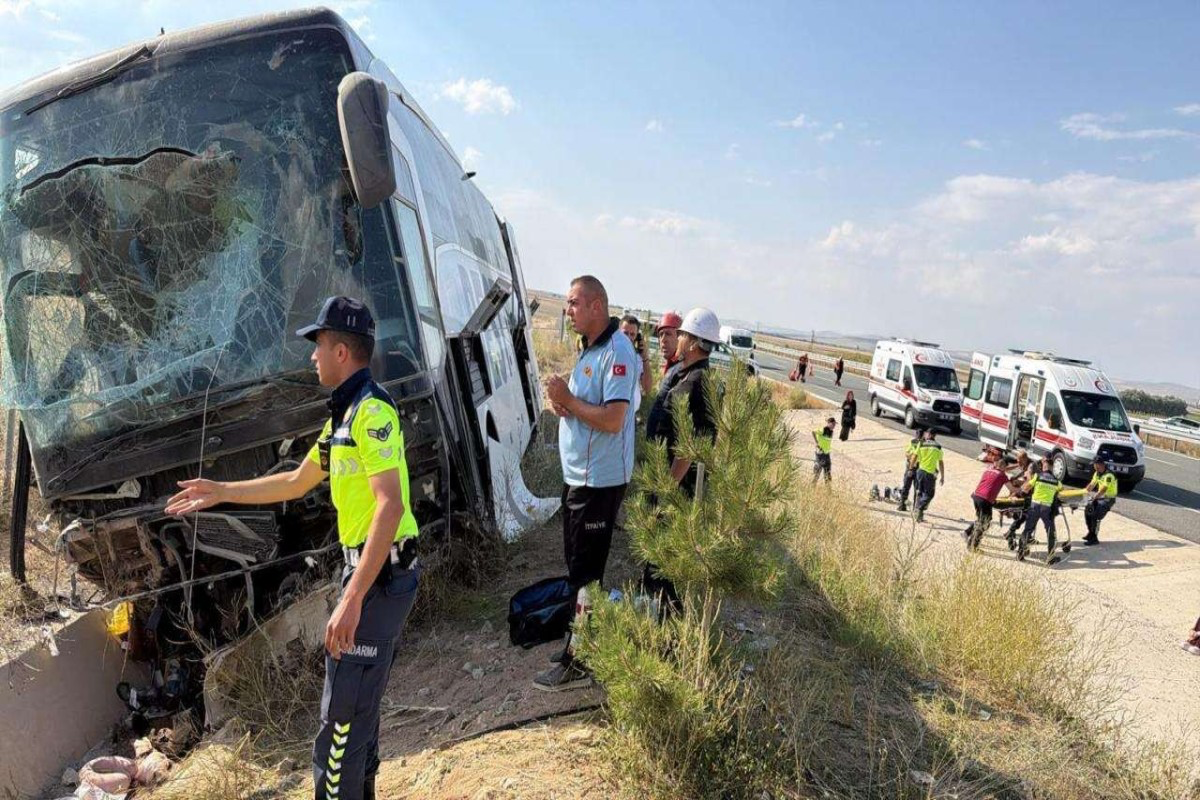
40 people injured in bus accident in Türkiye
 22:51
22:51
 3 July 2026
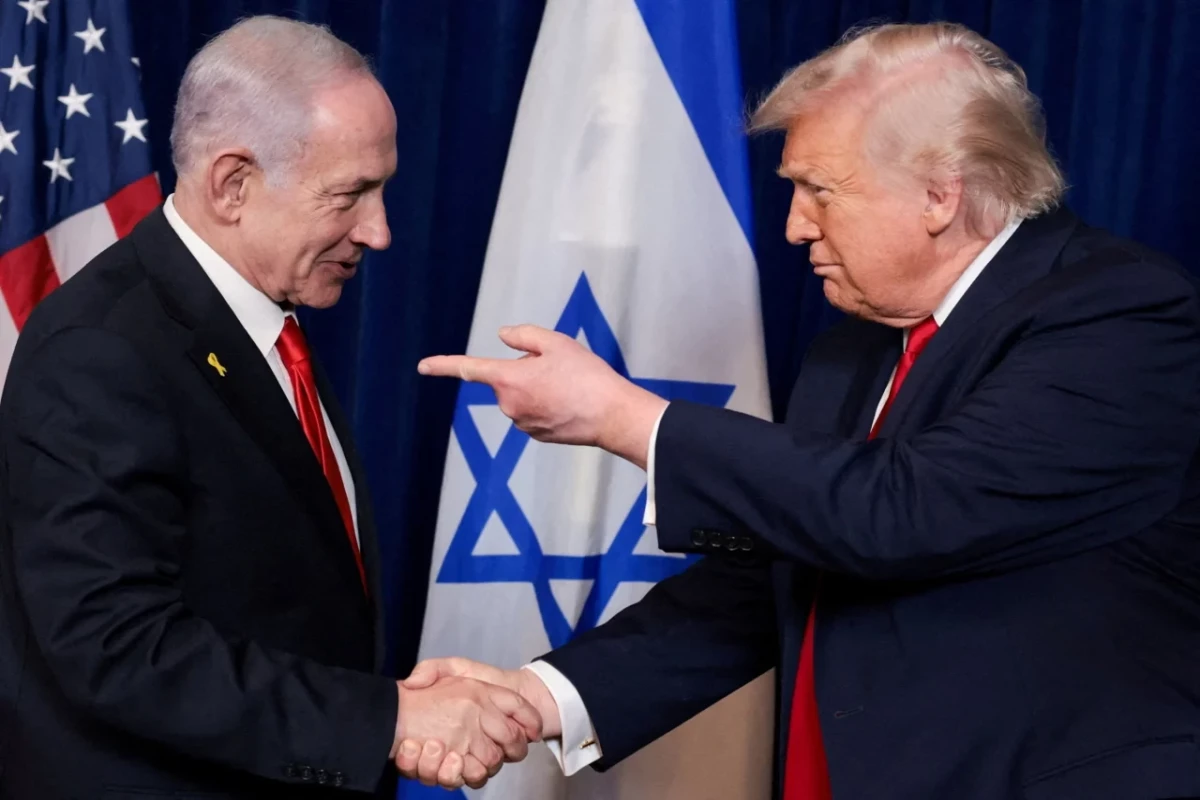
Netanyahu and Trump speak, agree to meet "soon" in the US, Israel says
22:04
3 July 2026
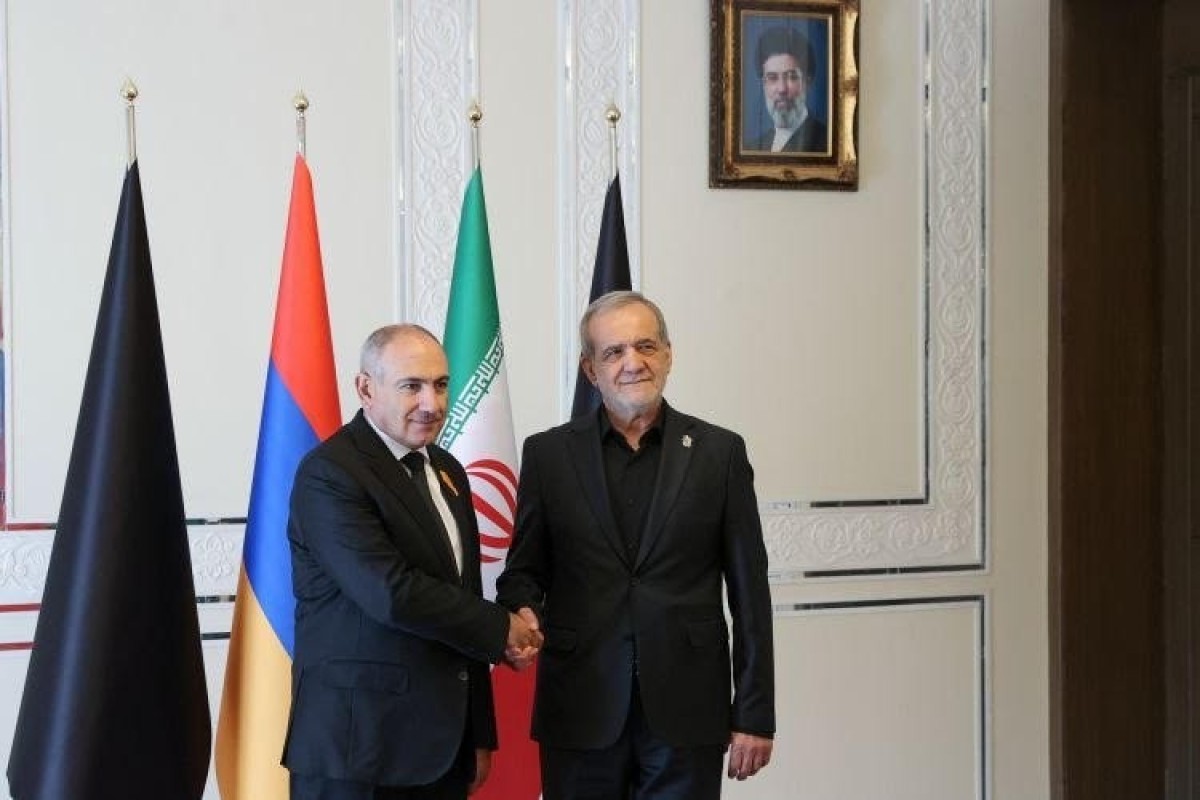
Iranian President Masoud Pezeshkian meets Armenian PM Nikol Pashinyan in Tehran
12:08
3 July 2026
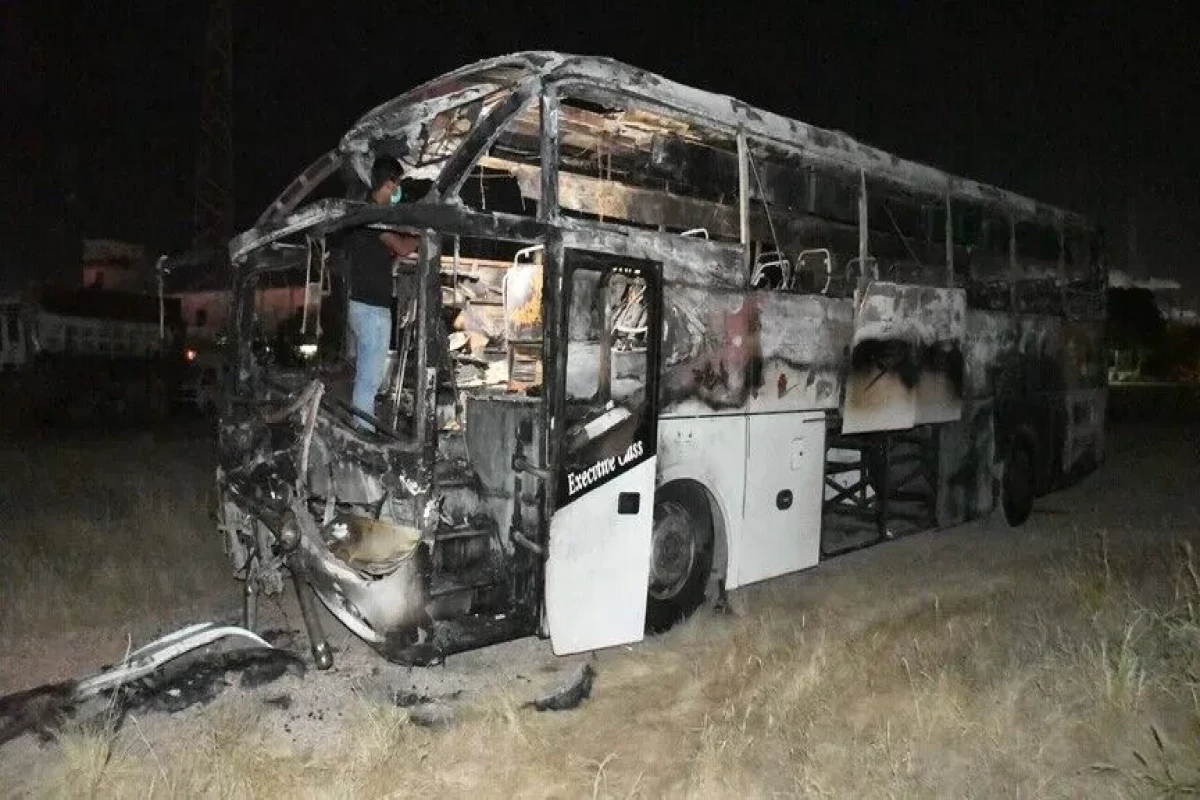
At least 40 killed after bus falls into ravine in Pakistan
11:37
3 July 2026

NEWS FEED
Zelensky urges G7 and US to stop Russian strikes on Ukraine
07:32
4 July 2026
Brazil's Bolsonaro to remain under house arrest
02:13
4 July 2026
France and UK ready to deploy militaries to support transit in Strait of Hormuz
01:45
4 July 2026
Police investigate a shopping mall shooting that left 2 dead in suburban Detroit
01:33
4 July 2026
Death toll of Venezuela earthquakes rises to 2,645
01:17
4 July 2026
Egyptian national team has reached the 1/8 finals of the World Cup
00:57
4 July 2026
Trump pardoned six US citizens convicted under Biden administration
00:45
4 July 2026
Lewis Hamilton eyes British Grand Prix Sprint victory
00:12
4 July 2026
Workers protest Mercedes-Benz cost-cutting
23:45
3 July 2026
Merz: Germany will take on more responsibility in security matters
23:28
3 July 2026
Hungary greenlights another cluster in Ukraine's EU accession talks
23:12
3 July 2026
40 people injured in bus accident in Türkiye
22:51
3 July 2026
Assistant to Azerbaijani President congratulates US on occasion of Independence Day
22:36
Audio
3 July 2026
Remains of Bahadur Kamalov, a martyr of the First Karabakh War, were buried in Kalbajar
22:12
3 July 2026
Netanyahu and Trump speak, agree to meet "soon" in the US, Israel says
22:04
Audio
3 July 2026
Azerbaijan’s Speaker attends farewell ceremony for Ayatollah Seyyed Ali Khamenei in Tehran-PHOTO
19:30
Audio
3 July 2026
Court considers defendants' motions during appeal hearing of Armenian nationals
19:06
Audio
3 July 2026
Missing First Karabakh War martyr Madina Babayeva laid to rest in Kalbajar 33 years later - PHOTO
18:56
3 July 2026
Media: NATO summit to approve €140 billion military aid package for Ukraine
18:45
3 July 2026
ADY discusses expansion of Railway Cooperation with Russia and Iran
18:21
3 July 2026
ICDO Secretary General meets Sudan's foreign minister to discuss humanitarian cooperation
18:18
3 July 2026
In riposte to Trump, Merz says Germany can defend its military spending push
17:48
3 July 2026
Nakhchivan's electricity demand fully met by renewable energy for over two months
17:28
3 July 2026
Armenian parliament approves new voter eligibility requirements
17:25
3 July 2026
Mass graves acknowledgment: ICMP Director-General confirms what Azerbaijan has asserted for years - ANALYSIS
17:25
3 July 2026
European Parliament staff were staying at the hotel in Kyiv that was attacked by Russia
17:20
3 July 2026
Poland's Tusk says Ukraine wants to lower tension, should confront history
17:04
3 July 2026
EU issues sanctions against six people involved in death of Navalny
16:41
3 July 2026
Turkish National Defense University delegation continues its visit to Azerbaijan
16:31
3 July 2026
New York Times: US dissuaded Israel from plot to assassinate Iranian negotiating delegation
16:24
3 July 2026
WSJ: Rubio blocked Hegseth's plan to cut US troop presence in Europe
16:01
3 July 2026
Death toll linked to extreme heat in France rises to 2,025
15:46
3 July 2026
Magnitude 6.2 earthquake strikes off eastern Indonesia: USGS
15:04
3 July 2026
Five killed, 18 injured in reported Ukrainian drone strike on Tokmak market
14:37
3 July 2026
Remains of First Karabakh War missing martyr Moysum Aliyev laid to rest in Fuzuli
14:29
3 July 2026
Azerbaijani delegation arrives in Tehran for Ayatollah Ali Khamenei's farewell ceremony - PHOTO
14:28
Audio
3 July 2026
US withdrew forces from Nigeria after operation against ISIS, AFRICOM chief says
13:47
3 July 2026
Remains of First Karabakh War serviceman Rauf Ahmadov laid to rest in Goranboy - PHOTO
13:24
3 July 2026
TuranBank conducts beach cleanup campaign on the Caspian coast in cooperation with the Ministry of Ecology and Natural Resources
13:11
3 July 2026
Date and agenda of next Milli Majlis session revealed
12:55
3 July 2026
Hikmat Hajiyev meets with economist Jeffrey Sachs in Baku
12:48
3 July 2026
Remains of missing First Karabakh War martyr laid to rest in Ujar - PHOTO
12:42
3 July 2026
At least 3,700 excess deaths reported during heatwave in France, Belgium and Netherlands
12:38
3 July 2026
Ruben Rubinyan says he will step down as Armenia's special envoy to Türkiye if elected parliament speaker
12:16
3 July 2026
Iranian President Masoud Pezeshkian meets Armenian PM Nikol Pashinyan in Tehran
12:08
3 July 2026
SBU has opened a case against Russian Chief of the General Staff Gerasimov
11:59
3 July 2026
14 railcars of wheat shipped from Russia to Armenia via Azerbaijan - PHOTO
11:57
Audio
3 July 2026
Armenian Prime Minister Nikol Pashinyan to visit Yekaterinburg for Innoprom 2026
11:50
3 July 2026
At least 40 killed after bus falls into ravine in Pakistan
11:37
3 July 2026
Volume of gas exported to Türkiye via Baku-Tbilisi-Erzurum pipeline revealed
11:36
3 July 2026


